Transvaal Daisy (Gerbera)
As a plant scientist deeply interested in the world of flowers, I am passionate about unraveling the stories behind the flora that grace our planet. In.
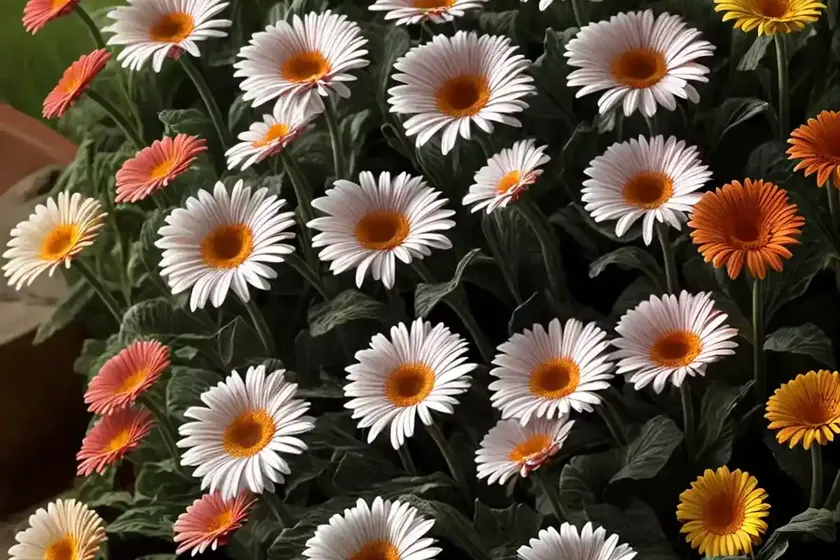
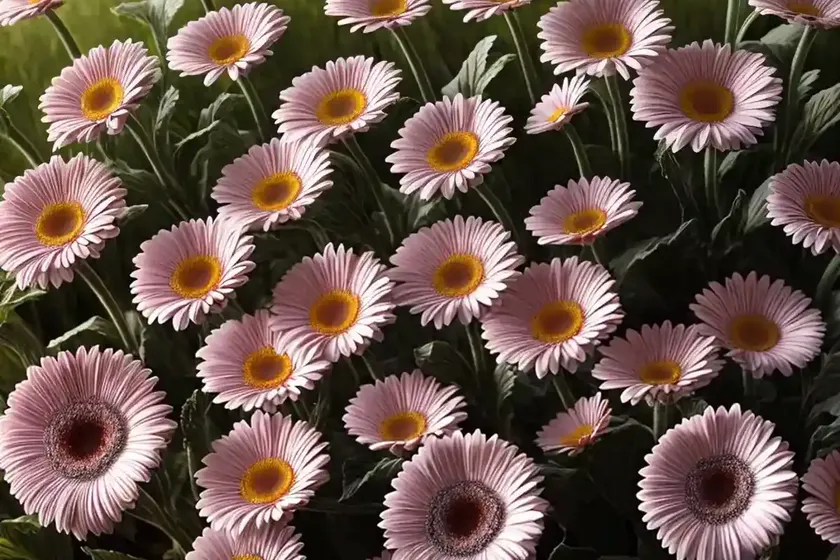
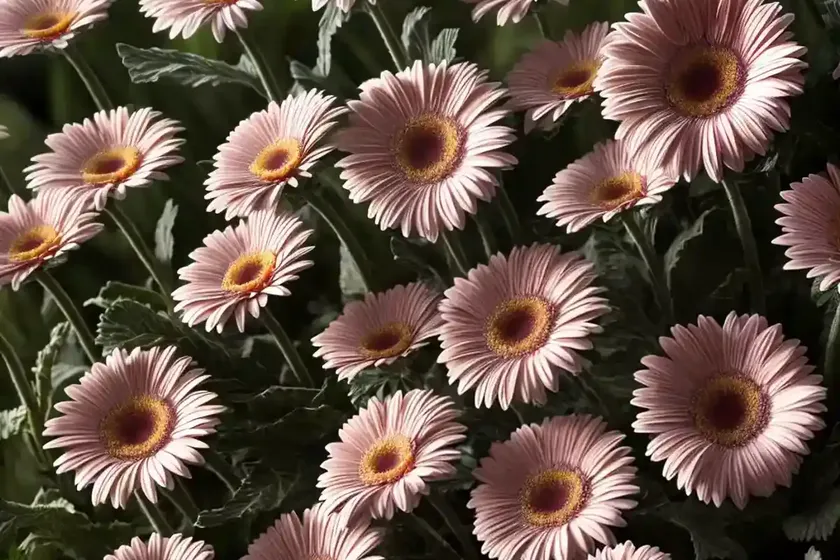
As a plant scientist deeply interested in the world of flowers, I am passionate about unraveling the stories behind the flora that grace our planet. In this comprehensive guide, we will dive into the captivating world of Transvaal daisies, also known as Gerberas. We will explore their culture, uses, care requirements, and much more, allowing you to gain a profound understanding of these beautiful plants.
What is Transvaal Daisy (Gerbera)?
The Transvaal daisy, scientifically known as Gerbera, is a genus of ornamental plants from the sunflower family (Asteraceae). These stunning flowers originate from South Africa, particularly from the Transvaal region, which inspired their name. Gerberas are renowned for their vibrant and diverse flower colors, making them an immensely popular choice for flower arrangements, landscaping, and even medicinal uses.
Key Takeaways – Transvaal Daisy (Gerbera)
Before delving deeper into the world of Transvaal daisies, let’s take a quick glance at the key takeaways that we will be exploring:
- Culture
- Uses
- Water
- Sunlight
- Fertilizer
- Soil
- Pruning
- Propagation
- Container Popularity
- Container Common Diseases
- Disease Diagnosis
- Common Pests
- Botanist’s Tips
- Fun Facts
- Links to External Resources
Now, without further ado, let’s embark on an exciting journey to uncover the beauty and intricacies of the Transvaal daisy.
Culture of Transvaal Daisy (Gerbera)
The cultural practices adopted for cultivating Transvaal daisies play a pivotal role in ensuring their optimal growth and blooming. Understanding and implementing the appropriate cultural practices is fundamental to witnessing the full splendor of these delightful flowers.
Uses
Transvaal daisies, or Gerberas, are incredibly versatile plants with a myriad of uses, including:
- Flower Arrangements: Their vibrant hues and attractive appearance make them a favorite choice for floral arrangements, adding a touch of elegance and color to any setting.
- Landscaping: Gerberas are often used in landscape design to create stunning visual displays in gardens, parks, and public spaces.
- Medicinal Purposes: Some species of Gerberas have been traditionally used for their medicinal properties. For instance, the roots and leaves of Gerbera species are utilized in traditional medicine for various ailments due to their potential therapeutic benefits.
Care Requirements for Transvaal Daisy
Water
Gerberas prefer moderately moist soil. However, it is crucial to avoid overwatering as it may lead to root rot. Allow the soil to dry slightly between watering sessions, ensuring that the roots have access to oxygen. The frequency of watering should be adjusted based on the plant’s specific needs and the environmental conditions.
Sunlight
Adequate sunlight is essential for the healthy growth and blooming of Gerberas. They thrive in full sun to partial shade, with around 6 to 8 hours of sunlight being optimal for their growth. In regions with intense heat, providing partial shade during the hottest part of the day can prevent sunburn on the delicate petals.
Fertilizer
Fertilizing Gerberas is essential to ensure robust growth and plentiful flowering. A balanced, water-soluble fertilizer with an N-P-K ratio of 20-20-20 or 6-12-6 is recommended. Fertilize the plants every 2-4 weeks during the growing season, following the instructions on the fertilizer package for application rates.
Soil
Well-draining, nutrient-rich soil is crucial for the successful cultivation of Gerberas. A mixture of potting soil, perlite, and peat moss provides an ideal medium for their growth. The soil should have a slightly acidic to neutral pH level (around 6.0 to 6.5) to support optimal nutrient uptake.
Pruning
Regular deadheading and pruning promote continuous blooming and maintain the plant’s health. Remove spent flowers by cutting them back to the nearest set of healthy leaves or the base of the stem. Additionally, trimming back any yellowing or damaged foliage helps the plant devote its resources to healthy growth and new blooms.
Propagation
Gerberas can be propagated through seeds, division of the rhizomes, or from offshoots. Seed propagation is a common method for growing Gerberas, and it allows for the development of new varieties. The process involves sowing seeds in well-draining seed-starting mix, providing ample warmth and moisture for germination.
Container Gardening with Transvaal Daisy
Container Popularity
The popularity of container gardening with Gerberas has soared due to their compact size, beautiful blooms, and versatility in outdoor and indoor settings. Growing Gerberas in containers allows for easy mobility, enabling the creation of captivating floral displays on patios, balconies, and even indoors.
Container Common Diseases
While containers provide numerous benefits for Gerberas, they can also pose certain risks, particularly in terms of diseases. Common diseases that may affect Gerberas in containers include:
- Powdery Mildew
- Botrytis Blight
- Root Rot
Proper care and prevention through appropriate watering, adequate spacing between plants, and good air circulation are crucial for mitigating the risk of diseases in container-grown Gerberas.
Disease Diagnosis
Early diagnosis of diseases in container-grown Gerberas is essential for implementing timely remedial measures. Regularly inspecting the plants for signs of discoloration, wilting, or abnormal growth can help in identifying and addressing potential diseases before they escalate.
Common Pests Affecting Transvaal Daisy
Gerberas are susceptible to some common pests that can hamper their growth and detract from their visual appeal. The most prevalent pests affecting Gerberas include:
- Aphids
- Spider Mites
- Whiteflies
Implementing integrated pest management practices, such as regularly inspecting the plants, promoting natural predators, and using horticultural oils or insecticidal soaps, can effectively control and deter these pests.
Botanist’s Tips for Growing Transvaal Daisy
As a passionate botanist, I have gathered valuable insights and tips for successfully growing and caring for Transvaal daisies:
- Choose the Right Varieties: Selecting Gerbera varieties suited to your climate and growing conditions significantly enhances their chances of flourishing.
- Monitor Watering Closely: Pay close attention to the moisture levels in the soil to prevent overwatering or underwatering, which can both have detrimental effects on the plants.
- Protect from Extreme Weather: Shielding the plants from severe weather conditions, such as intense sunlight or heavy rainfall, can preserve their health and appearance.
- Maintain Adequate Air Circulation: Good air circulation is crucial for preventing fungal diseases, making it important to space the plants appropriately and avoid overcrowding.
- Guard Against Pests: Regularly inspect the plants for signs of pest infestations and promptly address any issues to prevent pest damage.
Fun Facts about Transvaal Daisy
Delving into the fascinating world of Gerberas unveils some intriguing and delightful facts:
- Colorful Varieties: Gerbera daisies are available in an extensive array of stunning hues, ranging from bold and vibrant to soft pastels, captivating floral enthusiasts with their diverse color palette.
- Symbolism: In the language of flowers, Gerberas symbolize innocence, purity, and beauty, making them a popular choice for conveying heartfelt emotions through floral gifts and arrangements.
- Long Vase Life: Gerbera daisies exhibit an impressive vase life, making them a favored choice for cut flower arrangements and bouquets, ensuring lasting beauty in floral displays.
External Resources
For further exploration and in-depth understanding of Transvaal daisies, the following links provide valuable insights and information:
- Royal Horticultural Society – Growing Gerberas
- American Society for the Prevention of Cruelty to Animals – Pet-Safe Plants
- University of Florida IFAS Extension – Gerbera Production Guide
Now equipped with an extensive understanding of the enchanting Transvaal daisy, or Gerbera, you are well-prepared to embark on a blossoming journey into the world of these captivating flowers. Whether adorning your garden, brightening indoor spaces, or gracing floral arrangements, Gerberas are sure to inspire awe and admiration with their vibrant beauty.