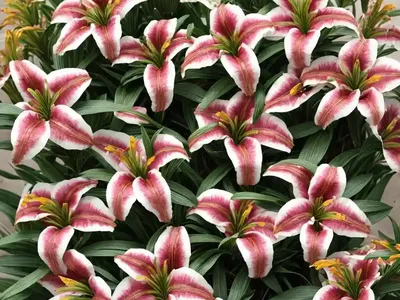
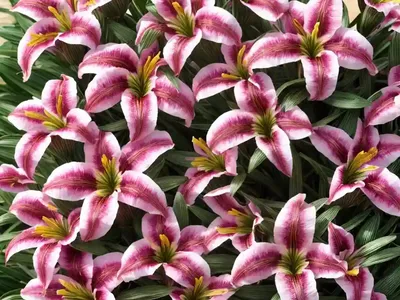
Trailing Lily (Bomarea Multiflora)
Plants have always been significant in our lives. They provide us with food, oxygen, and contribute to the overall aesthetic and ecological balance. There.
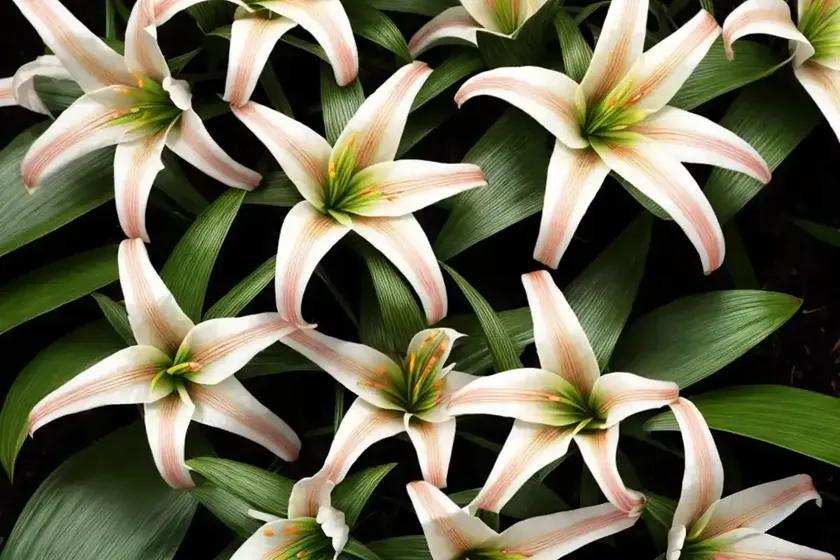
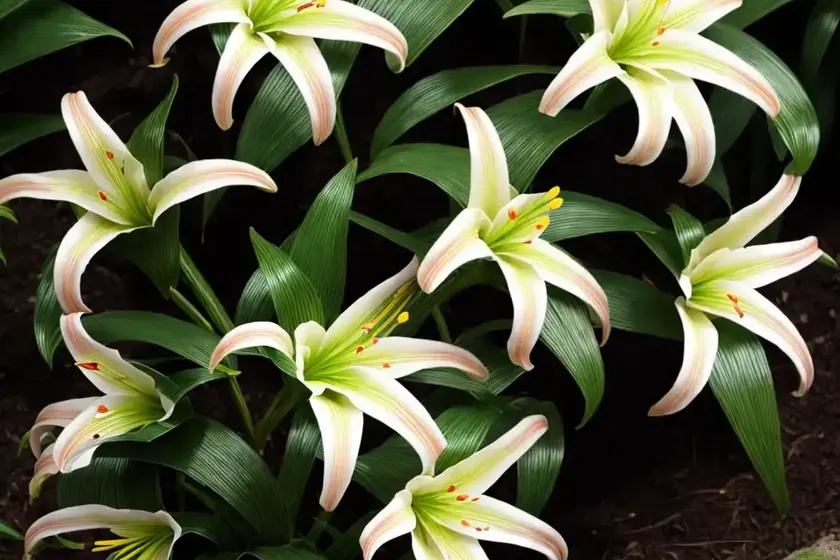
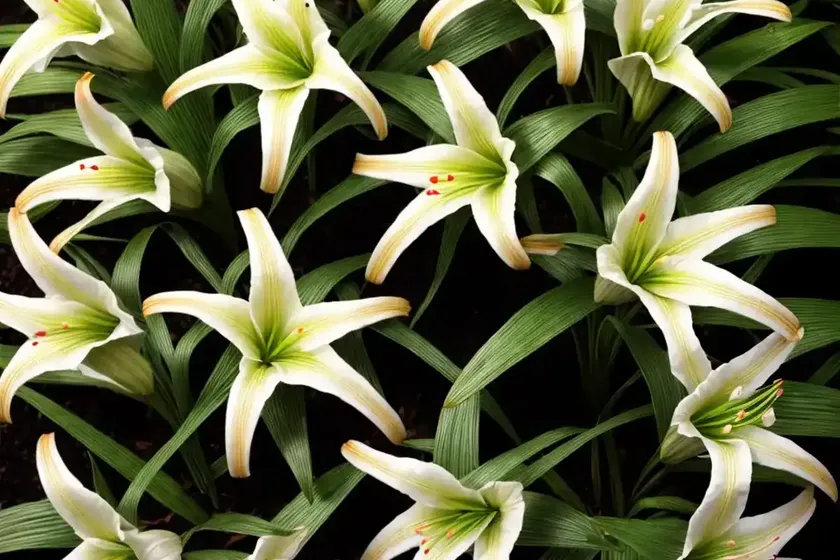
Plants have always been significant in our lives. They provide us with food, oxygen, and contribute to the overall aesthetic and ecological balance. There is an inherent beauty in understanding and cultivating plants, and the Trailing Lily, scientifically known as Bomarea multiflora, is no exception. In this comprehensive guide, we will explore everything about the Trailing Lily – its culture, uses, care requirements, propagation, common diseases, pests, and many more fascinating aspects of this wonderful plant.
What is Trailing Lily (Bomarea multiflora)?
The Trailing Lily, also known by its scientific name Bomarea multiflora, is a stunning perennial vine that belongs to the Alstroemeriaceae family. It is native to South America, particularly the Andean region, where it thrives in the wild, clinging onto trees and other supports in its natural habitat. The plant exhibits a trailing growth habit and produces vibrant, tubular flowers that attract pollinators, adding color and life to any garden or landscape. The Trailing Lily is prized for its ornamental value, making it a popular choice for both indoor and outdoor settings.
Key Takeaways – Trailing Lily (Bomarea multiflora)
Before delving further into the specifics of the Trailing Lily, let’s summarize the key takeaways about this remarkable plant:
- Scientific Name: Bomarea multiflora
- Common Name: Trailing Lily
- Family: Alstroemeriaceae
- Plant Type: Perennial Vine
- Native Habitat: South America, particularly the Andean region
- Distinct Features: Trailing growth habit, vibrant tubular flowers
- Popular Uses: Ornamental purposes, landscaping, indoor decoration
Now, as we immerse ourselves into the world of Trailing Lilies, let’s explore its culture, uses, and the essential care requirements for its thriving growth.
Culture
Understanding the cultural needs of a plant is vital for its successful cultivation. The cultural requirements of the Trailing Lily encompass various aspects such as water, sunlight, fertilizer, soil, and pruning. Let’s delve into each of these factors to gain a comprehensive understanding of the Trailing Lily’s culture.
Water
Water is essential for the survival of any plant, and the Trailing Lily is no exception. Proper watering is crucial for maintaining the health and vigor of this beautiful vine. The Trailing Lily prefers consistently moist soil but is susceptible to root rot if overwatered. During the growing season, it is advisable to keep the soil evenly moist, ensuring that it does not become waterlogged. In contrast, during the plant’s dormant period, it is best to reduce watering to prevent waterlogging and potential rot issues.
Sunlight
Proper sunlight exposure is crucial for the Trailing Lily to flourish and produce its stunning flowers. The plant thrives in bright, indirect light or partial shade. It is essential to protect it from direct sunlight, especially during the hottest part of the day, to prevent leaf scorch and maintain its vibrant foliage and blooms.
Fertilizer
Feeding the Trailing Lily with the right nutrients is essential for promoting healthy growth and prolific flowering. During the growing season, a balanced, water-soluble fertilizer can be applied to the plant every 4-6 weeks. It is crucial to follow the manufacturer’s instructions regarding the dilution and application of the fertilizer to prevent over-fertilization, which can lead to adverse effects on the plant’s health.
Soil
The Trailing Lily thrives in well-draining, fertile soil with a slightly acidic to neutral pH. A rich potting mix with good drainage properties is ideal for container-grown Trailing Lilies. When planting in the ground, it is advisable to amend the soil with organic matter to improve its fertility and drainage, creating an optimal growing environment for the plant.
Pruning
Pruning plays a vital role in maintaining the Trailing Lily’s attractive appearance and promoting its overall health. Regular pruning helps to control the plant’s growth, remove dead or damaged foliage, and shape the vine to enhance its aesthetic appeal. Pruning is best carried out after the plant’s flowering period, allowing it to rejuvenate and prepare for the next blooming cycle.
Now that we have covered the cultural aspects of the Trailing Lily, let’s move on to its uses, including its ornamental value, followed by an exploration of the essential care requirements for its thriving growth.
Uses
The Trailing Lily, with its trailing growth habit and stunning blooms, serves multiple purposes, ranging from ornamental and landscaping applications to indoor decoration. Let’s dive into the various uses of this remarkable plant and explore how it can enhance the beauty of different settings.
Ornamental Purposes
One of the primary uses of the Trailing Lily is for ornamental purposes. Its vibrant, tubular flowers and lush foliage make it a striking addition to gardens, landscapes, and indoor spaces. The trailing vines of the Trailing Lily create a beautiful cascading effect, making it an ideal choice for hanging baskets, trellises, or as a ground cover in suitable climates.
Landscaping
In landscaping, the Trailing Lily is valued for its ability to add vertical interest and vibrant color. It can be trained to climb on arbors, fences, and pergolas, enhancing the visual appeal of outdoor spaces. Additionally, when planted in groupings or mixed borders, the Trailing Lily contributes to a picturesque and dynamic landscape, especially when in bloom.
Indoor Decoration
The cascading nature of the Trailing Lily makes it an excellent choice for indoor decoration, particularly in hanging baskets or tall containers. Its lush foliage and colorful flowers bring a touch of nature indoors, creating an inviting and calming atmosphere.
Now that we’ve explored the uses of the Trailing Lily, let’s delve into the essential care requirements for this plant, including its water, sunlight, fertilizer, soil, and pruning needs.
Care Requirements
Ensuring the proper care of the Trailing Lily is essential for its overall health and longevity. This encompasses various factors, including watering, sunlight exposure, soil, fertilization, and pruning. Let’s explore the specific care requirements in detail to guide the successful cultivation of the Trailing Lily.
| Care Requirement | Details |
|---|---|
| Watering | Keep soil consistently moist during the growing season, reduce watering during dormancy to prevent waterlogging and root rot. |
| Sunlight | Provide bright, indirect light or partial shade, protect from direct sunlight to prevent leaf scorch. |
| Fertilizer | Apply a balanced, water-soluble fertilizer every 4-6 weeks during the growing season, following the manufacturer’s instructions. |
| Soil | Plant in well-draining, fertile soil with a slightly acidic to neutral pH, amend with organic matter for improved fertility and drainage. |
| Pruning | Perform regular pruning after the flowering period to control growth, remove dead or damaged foliage, and shape the vine for aesthetic appeal. |
Understanding these care requirements and implementing them diligently is crucial for the successful cultivation and maintenance of the Trailing Lily. Next, let’s explore the propagation methods for this beautiful plant and dive deeper into its establishment in containers.
Propagation
Propagating the Trailing Lily allows for the expansion of its presence in gardens and landscapes, and also provides an opportunity for enthusiasts to share this remarkable plant with others. The propagation of the Trailing Lily can be achieved through various methods, including division, stem cuttings, and seed propagation. Each method offers unique advantages and requires specific techniques for successful propagation.
Division
Division is a commonly used propagation method for the Trailing Lily, especially for mature plants. It involves dividing the plant’s rhizomes into sections, each containing viable roots and shoots. The divided sections can then be replanted to establish new plants, ensuring the continuity of the Trailing Lily in different locations.
Stem Cuttings
Stem cuttings provide another effective means of propagating the Trailing Lily. Select healthy, non-flowering stems and snip them into sections with at least one or two nodes. These cuttings can then be placed in a suitable rooting medium, where they develop roots and eventually grow into independent plants, mirroring the characteristics of the parent plant.
Seed Propagation
While seed propagation is less commonly practiced due to the time required for the plants to reach maturity, it offers an opportunity to grow Trailing Lilies from seeds, enabling the exploration of genetic diversity and the development of new varieties. To propagate the Trailing Lily from seeds, it is essential to provide the ideal germination conditions, including adequate warmth, moisture, and suitable planting medium.
By understanding and utilizing these propagation methods, plant enthusiasts can expand their collection of Trailing Lilies and share the joy of growing these beautiful plants with others. Next, let’s explore the establishment of the Trailing Lily in containers, offering the convenience of indoor and patio cultivation.
Container Popularity
The Trailing Lily’s cascading vines and vibrant flowers make it a popular choice for container gardening, allowing enthusiasts to showcase its beauty in various indoor and outdoor settings. When grown in containers, the Trailing Lily brings a touch of nature to patios, balconies, and indoor spaces, enhancing their visual appeal and creating a lush, inviting atmosphere.
Indoor Cultivation
Indoor cultivation of the Trailing Lily in containers is an excellent way to bring nature into living spaces. Hanging baskets, tall containers, or decorative pots can be utilized to showcase the plant’s trailing vines and colorful blooms, adding a refreshing touch to interior decor.
Patio and Balcony Gardening
In outdoor settings, the Trailing Lily shines when grown in hanging baskets or containers placed on patios and balconies. Its cascading growth habit creates a dynamic display, bringing color and life to outdoor living spaces while offering the convenience of container gardening.
Versatile Combinations
The Trailing Lily blends well with a variety of companion plants in containers, allowing for creative combinations. When paired with complementary foliage plants or other flowering species, the Trailing Lily enhances the visual impact of mixed container arrangements, offering diverse opportunities for creative expression in container gardening.
Now that we’ve explored the popularity of the Trailing Lily in containers, let’s delve into the common diseases that may affect this plant and gain insights into effective disease diagnosis and management.
Common Diseases
Like all plants, the Trailing Lily is susceptible to certain diseases that can impact its health and vigor. Recognizing the common diseases and understanding their causes is crucial for implementing effective disease management strategies and ensuring the plant’s well-being. Let’s explore some of the common diseases that may affect the Trailing Lily and strategies for their diagnosis and management.
Disease Diagnosis
Diagnosing diseases in the Trailing Lily involves observing the plant for symptoms such as leaf spots, discoloration, wilting, or abnormal growth. It is essential to inspect the foliage, stems, and roots for any signs of disease and monitor the overall health of the plant regularly. Additionally, a thorough assessment of the growing conditions, including watering practices, sunlight exposure, and soil moisture, can provide valuable insights into potential disease issues.
Common Diseases
-
Leaf Spot Diseases: Various fungal and bacterial pathogens can cause leaf spot diseases in the Trailing Lily, leading to the formation of spots or lesions on the foliage. These diseases can affect the plant’s photosynthetic capacity and overall vigor, potentially leading to defoliation if left untreated.
-
Root Rot: Excessive soil moisture or poor drainage can lead to root rot in the Trailing Lily, causing the roots to decay and impairing the plant’s ability to uptake water and nutrients. This can result in wilting, yellowing foliage, and stunted growth.
-
Powdery Mildew: Powdery mildew, caused by fungal pathogens, can affect the Trailing Lily, leading to the development of powdery white patches on the foliage. This can negatively impact the plant’s aesthetic appeal and overall health if left unchecked.
Disease Management
Managing diseases in the Trailing Lily involves implementing preventive measures and, if necessary, employing appropriate treatments to mitigate the impact of diseases. Here are some effective disease management strategies:
-
Cultural Practices: Maintain proper watering practices, ensuring that the soil is consistently moist but not waterlogged. Provide adequate air circulation and avoid overcrowding of plants to reduce the risk of disease spread.
-
Sanitation: Remove and discard any affected plant debris to prevent the spread of diseases. Regularly clean and sterilize gardening tools to minimize the potential for disease transmission.
-
Fungicidal Treatments: If fungal diseases such as powdery mildew or leaf spot are identified, apply appropriate fungicidal treatments according to the manufacturer’s instructions to alleviate the disease and protect the plant.
By implementing these disease management strategies and staying vigilant for any signs of disease, plant enthusiasts can preserve the health and beauty of their Trailing Lilies. Next, let’s explore the common pests that may pose a threat to the Trailing Lily and strategies for effective pest management.
Common Pests
Pests can pose a significant threat to the health and vitality of the Trailing Lily, potentially impacting its growth and flowering. Understanding the common pests that may affect this plant and implementing proactive pest management measures is crucial for safeguarding its well-being. Let’s explore some of the common pests that may target the Trailing Lily and gain insights into effective pest management strategies.
Pest Management
-
Aphids: These small, sap-sucking insects can infest the Trailing Lily, causing stunted growth, distorted foliage, and a sticky residue known as honeydew. Regularly inspect the plant for aphid infestations and employ appropriate pest control methods to mitigate their impact.
-
Spider Mites: Spider mites are common pests that can affect the Trailing Lily, particularly in dry conditions. These tiny pests feed on the plant’s sap, leading to stippled or discolored foliage and webbing on the undersides of leaves. Implementing measures to increase humidity and regularly spraying the plant with water can help deter spider mite infestations.
-
Scale Insects: Scale insects can infest the stems and foliage of the Trailing Lily, appearing as small, waxy bumps. They feed on the plant’s sap and can cause weakening and yellowing of the foliage. Manual removal of scale insects and applying horticultural oil can help manage infestations.
By staying proactive in pest management and employing targeted strategies to address any pest issues, enthusiasts can protect the Trailing Lily from the detrimental effects of pest infestations. Next, let’s uncover some botanist’s tips for the successful cultivation and care of the Trailing Lily, offering valuable insights from experts in the field.
Botanist’s Tips
Gaining insights from botanists who specialize in the cultivation and study of plants can provide valuable guidance for the successful care of the Trailing Lily. Here are some expert tips for cultivating and caring for this remarkable plant, offering valuable knowledge garnered from the expertise of botanists and plant specialists.
Tip 1: Suitable Support
Selecting a suitable support for the Trailing Lily is essential for its successful growth. Providing a trellis, stake, or other climbing structure allows the plant to exhibit its trailing growth habit while maintaining an attractive form. Ensure that the support is sturdy and can accommodate the plant’s growth without causing damage.
Tip 2: Adequate Air Circulation
Promoting adequate air circulation around the Trailing Lily is crucial for minimizing the risk of disease and pest issues. Avoid overcrowding the plant with other vegetation and ensure that it has sufficient space to thrive without impeding air movement.
Tip 3: Regular Monitoring
Regularly monitor the Trailing Lily for any signs of disease, pest infestations, or nutrient deficiencies. Prompt intervention and addressing any issues at their early stages can prevent them from escalating and impacting the plant’s overall health.
Tip 4: Seasonal Care Adjustments
Adjust care practices for the Trailing Lily based on seasonal variations. During the growing season, provide ample water, fertilizer, and support to facilitate robust growth and flowering. In contrast, during dormancy, reduce watering and assess the plant’s needs to ensure its well-being.
By incorporating these expert tips into the care practices for the Trailing Lily, enthusiasts can enhance their success in cultivating and maintaining this stunning plant. Now, let’s delve into some fun facts about the Trailing Lily, shedding light on intriguing aspects of this remarkable species.
Fun Facts
-
Species Diversity: The genus Bomarea encompasses a diverse range of species, with over 130 recognized members. These species exhibit various growth habits, flower colors, and unique characteristics, contributing to the richness of the genus.
-
Habitat Adaptability: Trailing Lilies, including Bomarea multiflora, have demonstrated adaptability to a variety of habitats, enabling them to thrive in diverse environments and regions, from mountainous terrains to tropical forests.
-
Pollinator Attraction: The vibrant tubular flowers of the Trailing Lily are designed to attract pollinators such as hummingbirds and bees, enhancing their ecological significance through the facilitation of pollination and seed production.
-
Historical Significance: Some species of Bomarea, including Bomarea salsilla, have historical significance in indigenous cultures, where they are used for traditional purposes such as medicinal treatments and ceremonial practices.
-
Global Distribution: Trailing Lilies belonging to the genus Bomarea are distributed across various continents, with species found in South America, Central America, and as far north as Mexico, showcasing their wide geographic presence.
By delving into these fun facts about the Trailing Lily, enthusiasts can develop a deeper appreciation for the remarkable attributes and ecological significance of this captivating plant. For further exploration and in-depth understanding of the Trailing Lily, let’s turn our attention to external resources that offer valuable information and insights.
Links to External Resources
For those seeking further information and in-depth knowledge about the Trailing Lily (Bomarea multiflora) and related topics, here are some valuable external resources offering comprehensive guidance, research findings, and expert insights:
-
Royal Horticultural Society (RHS): The RHS website provides detailed information on plant species, care guidelines, and cultivation recommendations, offering valuable resources for enthusiasts interested in the Trailing Lily.
-
Missouri Botanical Garden: The Missouri Botanical Garden’s online resources encompass a wealth of botanical knowledge, including plant profiles, research publications, and conservation efforts, providing valuable insights into the botanical world, including Bomarea multiflora.
-
American Horticultural Society (AHS): The AHS website features a wealth of horticultural information, including plant care guides, gardening tips, and educational resources, offering valuable guidance for cultivating and caring for the Trailing Lily in various settings.
-
Journal of Plant Research: Scientific journals such as the Journal of Plant Research encompass research articles, studies, and findings related to plant biology, ecology, and horticulture, offering in-depth insights into the physiology and ecological significance of Trailing Lilies and related plant species.
-
Botanical Gardens and Arboreta: Visiting local botanical gardens and arboreta allows enthusiasts to observe Trailing Lilies in living collections, gain inspiration for plant care and cultivation, and connect with experts in the horticultural and botanical fields.
By exploring these external resources, enthusiasts can expand their knowledge and gain deeper insights into the Trailing Lily (Bomarea multiflora), broadening their understanding of this captivating plant and its role in horticulture and ecology.
As we conclude this comprehensive guide, may the journey of exploring and cultivating Trailing Lilies inspire a deeper connection with nature and a profound appreciation for the remarkable diversity and beauty of plant life. Whether adorning gardens, landscapes, or