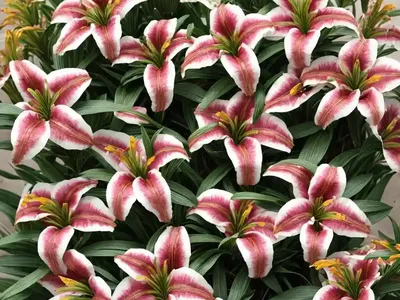
Peruvian Lily ‘Princess Paola’ (Alstroemeria)
In the world of horticulture, the Peruvian Lily ‘Princess Paola’ (Alstroemeria) holds a special place due to its stunning and vibrant blooms, as well as.
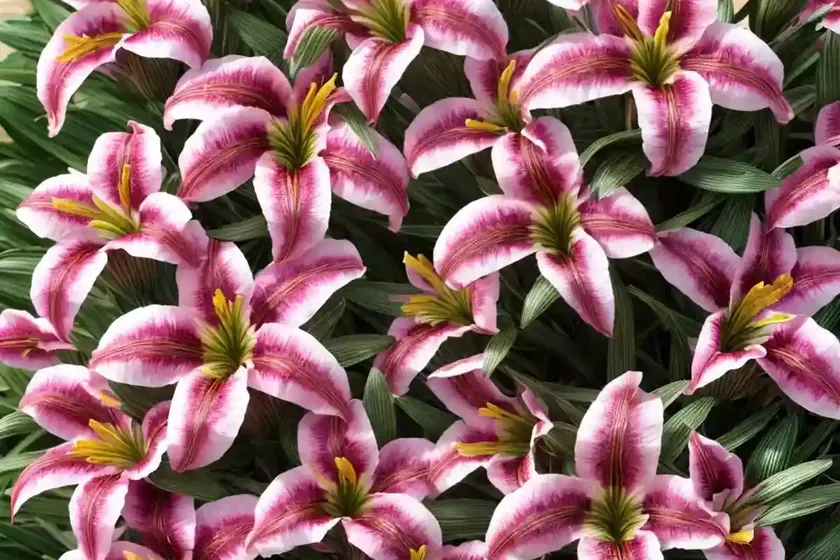
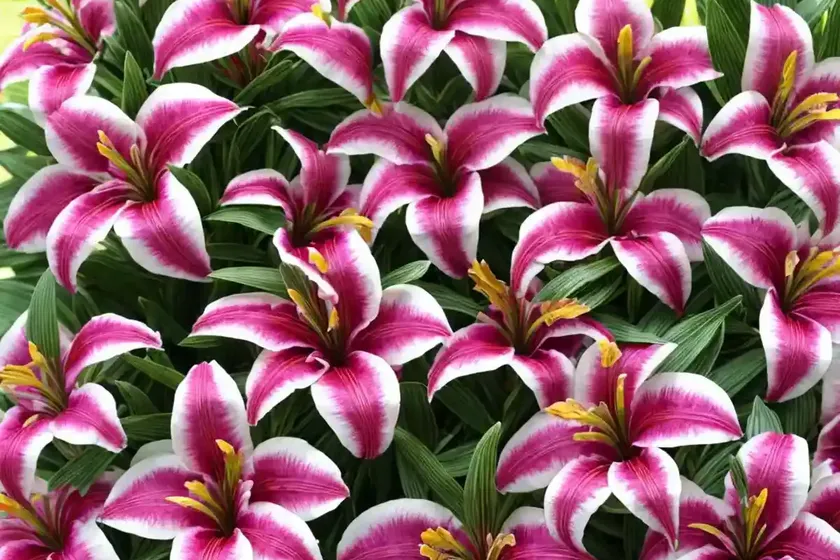
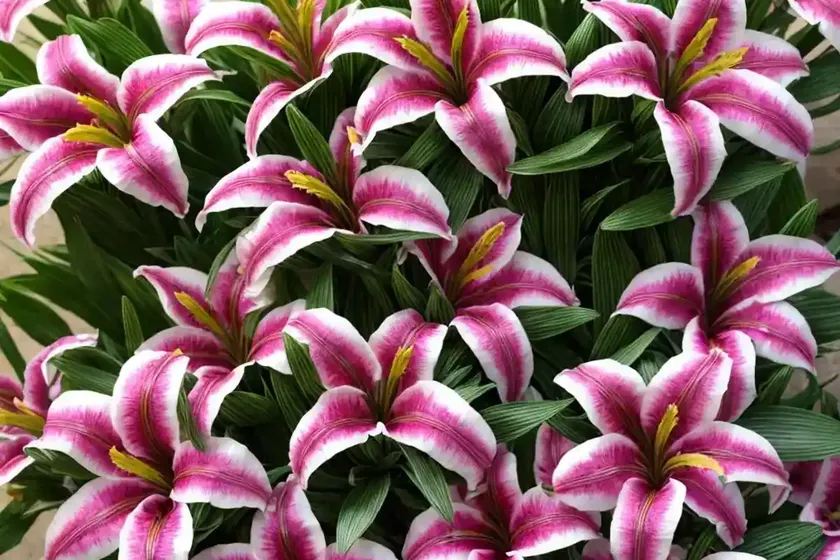
In the world of horticulture, the Peruvian Lily ‘Princess Paola’ (Alstroemeria) holds a special place due to its stunning and vibrant blooms, as well as its versatility in both indoor and outdoor settings. This blog post aims to provide a comprehensive guide to this enchanting plant, covering its characteristics, care requirements, uses in landscaping, and much more. Whether you are a seasoned gardener looking to expand your floral repertoire or a beginner eager to learn more about this captivating species, the following information is sure to inspire and inform your journey with the Peruvian Lily ‘Princess Paola’.
What is Peruvian Lily ‘Princess Paola’ (Alstroemeria)?
The Peruvian Lily ‘Princess Paola’, scientifically known as Alstroemeria, is a genus of flowering plants native to South America, particularly Peru and Chile. This exquisite plant is characterized by its vibrant, trumpet-shaped flowers that bloom in a wide array of colors, including shades of pink, orange, red, purple, and white. The ‘Princess Paola’ variety, in particular, is renowned for its elegant and delicate blooms, making it a popular choice for floral arrangements and garden landscapes.
Key Takeaways – Peruvian Lily ‘Princess Paola’ (Alstroemeria)
Before delving into the specifics of cultivating and caring for the Peruvian Lily ‘Princess Paola’, it’s essential to highlight some key takeaways about this plant. Understanding its fundamental characteristics and uses will provide a solid foundation for successfully incorporating it into your garden or home.
Culture
- Genus: Alstroemeria
- Variety: ‘Princess Paola’
- Native regions: South America (Peru and Chile)
- Bloom colors: Pink, orange, red, purple, white
- Plant type: Herbaceous perennial
Uses
- Flower arrangements and bouquets
- Landscaping and garden borders
- Container gardening
- Indoor potted plant
Now that we have a basic understanding of the Peruvian Lily ‘Princess Paola’, let’s explore the specific care requirements and cultivation techniques needed to support the optimal growth and health of this stunning plant.
Care Requirements
Caring for the Peruvian Lily ‘Princess Paola’ involves attending to various factors such as water, sunlight, soil, fertilization, pruning, and pest management. Understanding and implementing these care requirements are essential for fostering lush foliage and vibrant blooms. Let’s break down each of these elements to gain a comprehensive understanding of the plant’s needs.
Water
Alstroemeria plants thrive in moist, well-draining soil. Adequate watering is crucial, especially during the growing season, to keep the soil consistently moist, but not waterlogged. In hot and dry climates, regular watering may be necessary, while in cooler or more humid conditions, less frequent watering may suffice.
To determine when to water, it’s advisable to check the moisture level of the soil by inserting a finger into the top layer. If the soil feels dry to the touch, it’s time to water the plant. During periods of hot weather or drought, consider deep watering to ensure the roots receive adequate moisture.
Sunlight
When it comes to sunlight requirements, the Peruvian Lily ‘Princess Paola’ thrives in full to partial sun. In cooler climates, providing the plant with full sun exposure can promote robust and abundant blooming. However, in regions with intense heat, providing partial shade during the hottest part of the day can help prevent the plant from wilting or becoming sunburnt.
In climates with scorching summer temperatures, a location that offers morning sun and afternoon shade can create an ideal environment for the plant to flourish. Moreover, when grown indoors, ensure the plant receives ample sunlight by placing it near a south- or west-facing window.
Fertilizer
Fertilizing the Peruvian Lily ‘Princess Paola’ can enhance its overall health and flowering potential. A balanced, all-purpose fertilizer with equal parts of nitrogen, phosphorus, and potassium (N-P-K) is suitable for promoting lush foliage and vibrant blooms.
During the growing season, apply a slow-release fertilizer or a liquid fertilizer diluted to half strength every six to eight weeks. Avoid overfeeding the plant, as excessive fertilizer can lead to lush foliage at the expense of flowers, compromising the plant’s aesthetic appeal.
Soil
The soil requirements for Alstroemeria involve well-draining, fertile, and slightly acidic to neutral soil. A loamy soil texture with ample organic matter is beneficial for the plant’s growth and development. When planting or potting the Peruvian Lily ‘Princess Paola’, ensure that the soil is loose and friable to facilitate root establishment and expansion.
If the native soil in your garden is heavy or compacted, consider amending it with organic matter such as compost or peat moss to improve its texture and drainage. When grown in containers, a high-quality potting mix formulated for flowering plants can provide the necessary nutrients and drainage for sustained growth.
Pruning
Pruning Alstroemeria plants is essential for maintaining their vigor and promoting continuous blooming. As the flowers fade, deadhead them by removing the spent blooms along with a portion of the stem. This practice encourages the plant to produce new flower buds and minimizes the energy expended on seed production.
In late fall or early spring, after the blooming period, consider cutting back the foliage to the ground to rejuvenate the plant and promote fresh growth. Additionally, remove any dead or diseased foliage throughout the growing season to minimize the risk of diseases and pests.
Propagation
Alstroemeria ‘Princess Paola’ can be propagated through several methods, including division, rhizome cuttings, and seed sowing. One of the most common and straightforward methods is division, which involves separating the plant’s rhizomes into smaller sections and replanting them to establish new growth.
Container Popularity
The Peruvian Lily ‘Princess Paola’ is well-suited for container gardening, making it a popular choice for individuals with limited garden space or those seeking to add a burst of color to patios, balconies, or indoor environments. When cultivated in containers, ensure that the pot provides adequate drainage and is large enough to accommodate the plant’s root system.
Common Diseases
Alstroemeria plants are susceptible to certain diseases, including leaf spot, root rot, and powdery mildew. Monitoring the plant for any signs of disease, such as yellowing leaves, spots, or mold-like growth, is essential for prompt diagnosis and treatment.
Disease Diagnosis
If you observe any abnormalities in the plant’s foliage or overall appearance, conduct a thorough inspection to identify the potential disease. Look for symptoms such as discoloration, wilting, or unusual growth patterns. Take note of any environmental stressors or changes in care routines that may have contributed to the plant’s declining health.
Common Pests
While Alstroemeria ‘Princess Paola’ is relatively resistant to pests, it may occasionally encounter challenges from aphids, spider mites, and snails. Regular monitoring and prompt intervention can help prevent pest infestations from affecting the plant’s health and aesthetics.
Botanist’s Tips
To ensure the successful cultivation of the Peruvian Lily ‘Princess Paola’, consider the following tips from experienced botanists and horticulturists:
- Provide consistent moisture without waterlogging the soil.
- Incorporate organic matter into the soil to enhance its fertility and drainage.
- Monitor the plant for signs of disease or pest infestations, and address them promptly.
- Regularly deadhead spent blooms to promote continuous flowering.
Fun Facts
1. Symbolism and Significance
The Peruvian Lily ‘Princess Paola’ is often associated with symbols of friendship, devotion, and prosperity, making it a popular choice for gifting and celebratory occasions. Its vibrant and diverse colors embody sentiments of joy and admiration, adding a meaningful touch to floral arrangements and bouquets.
2. Global Appeal
Alstroemeria plants are cherished worldwide for their striking blooms and hardy nature. They are heralded as an emblem of resilience and endurance, thriving in various climates and environments with proper care and attention.
3. Medicinal Uses
In traditional medicine, certain species of Alstroemeria have been utilized for their potential medicinal properties, including anti-inflammatory and antibacterial effects. However, it’s essential to consult with healthcare professionals before using any plant-derived remedies.
4. Wildlife Attraction
The nectar-rich flowers of Alstroemeria ‘Princess Paola’ attract pollinators such as bees, butterflies, and hummingbirds, contributing to the vitality and biodiversity of garden ecosystems. Its role in supporting local wildlife adds to its appeal as a garden plant.
Links to External Resources
For further exploration of the Peruvian Lily ‘Princess Paola’ and its cultivation, consider the following resources:
- Royal Horticultural Society – Alstroemeria Care Guide
- University of California – Alstroemeria Growing Information
- American Society for the Prevention of Cruelty to Alstroemerias
In conclusion, the Peruvian Lily ‘Princess Paola’ (Alstroemeria) represents a captivating blend of elegance, resilience, and botanical intrigue. Its enchanting blooms and versatile nature make it an invaluable addition to gardens, floral arrangements, and indoor spaces worldwide. By understanding and embracing the care requirements and unique characteristics of this plant, enthusiasts and horticulturalists alike can unlock the full potential of Alstroemeria ‘Princess Paola’, fostering its beauty and charm for years to come.