Tradescantia Virginiana (Virginia Spiderwort)
Plants have always been an essential part of the natural world, providing beauty, oxygen, and sustenance for various life forms. Among the diverse array of.
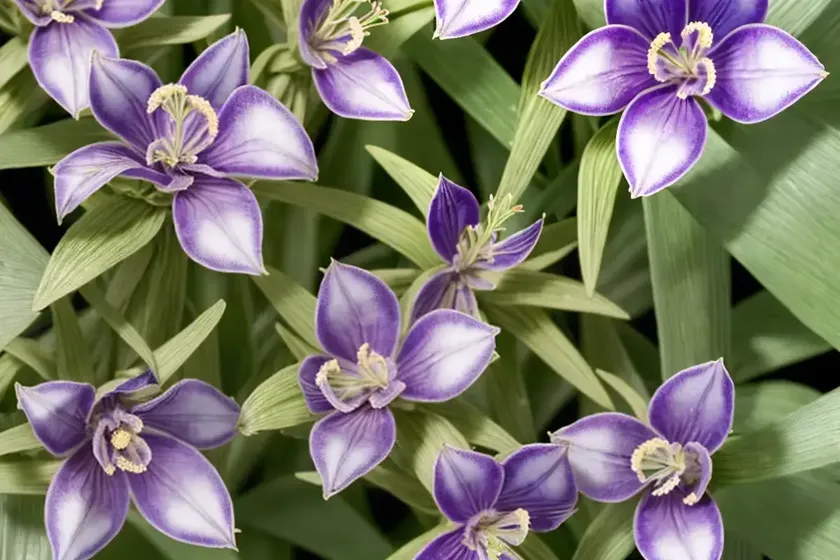
Plants have always been an essential part of the natural world, providing beauty, oxygen, and sustenance for various life forms. Among the diverse array of plant species, the Tradescantia virginiana (Virginia Spiderwort) stands out as a remarkable and versatile plant endowed with numerous cultural, ornamental, and ecological uses. In this article, we will delve into the characteristics, care requirements, propagation methods, and much more about the Tradescantia virginiana. By the end of this comprehensive guide, you will have an in-depth understanding of this fascinating plant, enabling you to nurture and appreciate it to its fullest potential.
What is Tradescantia Virginiana?
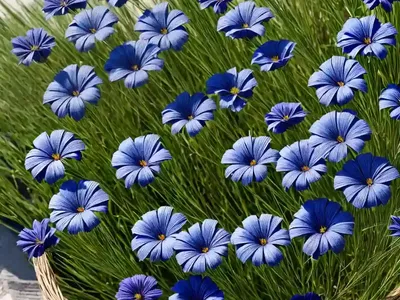
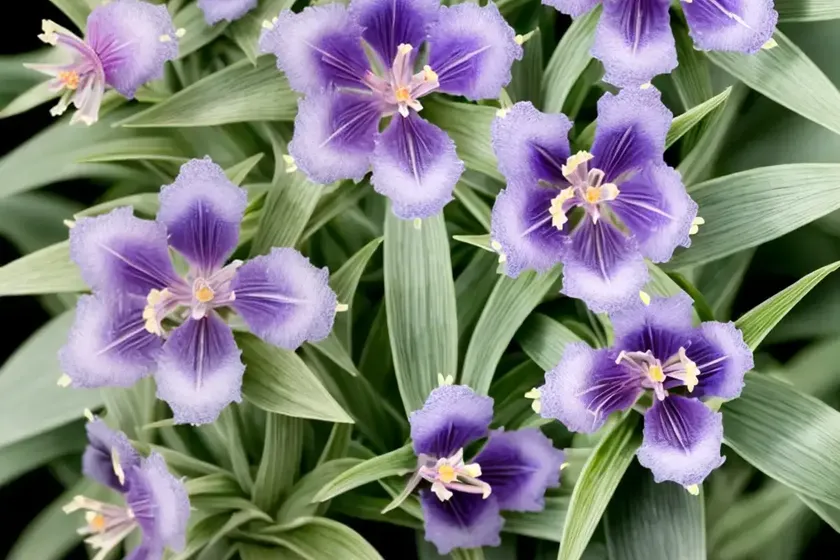
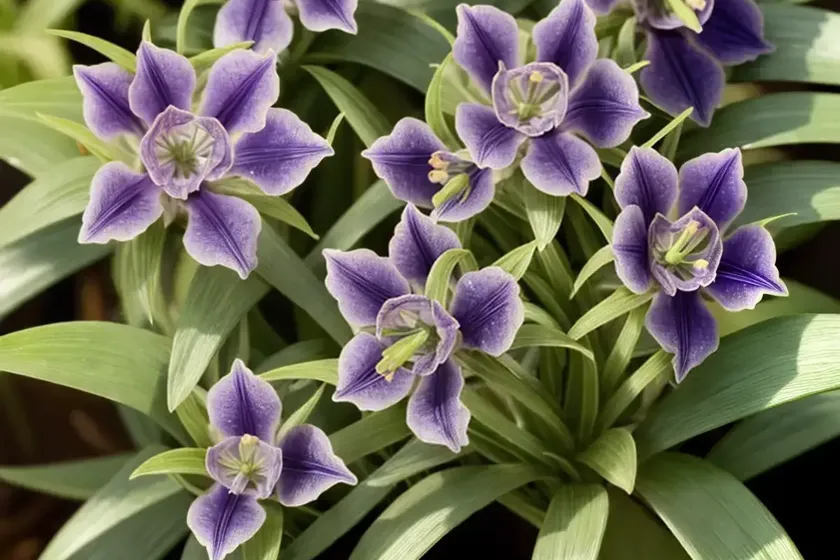
Tradescantia virginiana, commonly known as Virginia Spiderwort, is a herbaceous perennial plant that is native to the United States. It belongs to the Commelinaceae family and is characterized by its vibrant flowers and elongated leaves. The plant typically reaches a height of 12-36 inches and blooms in various shades of blue, purple, and pink, making it an attractive addition to any garden or landscape.
Key Takeaways – Tradescantia Virginiana (Virginia Spiderwort)
Before delving into the specifics of cultivating and caring for Tradescantia virginiana, let’s highlight some key characteristics and takeaways about this plant.
- Botanical Name: Tradescantia virginiana
- Common Name: Virginia Spiderwort
- Plant Type: Herbaceous perennial
- Flower Colors: Blue, purple, pink
- Preferred Growing Zones: 4-9
- Water Requirements: Moderate
- Sunlight Preferences: Full to partial sun
- Soil Type: Well-draining, fertile soil
- Notable Features: Vibrant flowers, long and slender leaves
Now that we have a general understanding of the plant, let’s explore the essential aspects of cultivating and caring for Tradescantia virginiana in more detail.
Culture
Uses
The Tradescantia virginiana is an incredibly versatile plant, offering a myriad of uses and benefits. Its cultural uses include:
- Ornamental Purposes: Virginia Spiderwort brightens up gardens, landscapes, and indoor spaces with its colorful blooms and foliage.
- Habitat Restoration: Due to its native status, Tradescantia virginiana is an excellent choice for ecological restoration projects, helping to preserve and restore natural habitats.
- Medicinal Properties: Some traditional and indigenous medicinal practices incorporate parts of the Virginia Spiderwort for various remedies, although it is important to consult a healthcare professional before using any plant for medicinal purposes.
Water
Proper watering is crucial for the health and vigor of Tradescantia virginiana. Consistent moisture is essential, but it is equally important to ensure that the soil does not become waterlogged. Here are important points to consider regarding watering:
- Frequency: Water the plant regularly, especially during dry spells, to maintain moderate moisture levels.
- Avoid Overwatering: While the plant requires consistent moisture, overwatering can lead to root rot and other water-related issues. Allow the soil to dry slightly between waterings.
Sunlight
Tradescantia virginiana thrives in a well-lit environment, making it a suitable choice for both indoor and outdoor cultivation. Here are some guidelines for providing adequate sunlight:
- Outdoor Planting: Choose a location with full to partial sun exposure, ensuring that the plant receives ample light throughout the day.
- Indoor Care: When cultivating Tradescantia virginiana indoors, place it near a bright window or under grow lights to ensure it receives adequate sunlight for healthy growth and flowering.
Fertilizer
Fertilizing Tradescantia virginiana can enhance its overall growth and flowering potential. Here’s how to effectively fertilize the plant:
- Timing: Apply a balanced, all-purpose fertilizer in early spring, just before the growing season begins.
- Frequency: Repeat the fertilizer application every 6-8 weeks during the growing season to provide the plant with essential nutrients.
Soil
The soil composition plays a significant role in the health and development of Tradescantia virginiana. Here are the key soil requirements for cultivating this plant:
- Well-Draining Soil: Plant Virginia Spiderwort in well-draining, fertile soil to prevent waterlogging and root suffocation.
- Amendments: Incorporate organic matter or compost into the soil at the time of planting to improve its fertility and structure.
Pruning
Pruning helps maintain the health, shape, and appearance of Tradescantia virginiana. Follow these guidelines for effective pruning:
- Deadheading: Remove spent flowers to encourage continuous blooming and prevent the plant from putting energy into seed production.
- Trimming: Trim back any damaged or overgrown foliage to promote overall plant vigor and aesthetics.
Propagation
Tradescantia virginiana can be propagated through various methods, allowing you to expand your plant collection or share it with fellow gardening enthusiasts. Some common propagation techniques include:
- Division: Divide mature plants into smaller sections, ensuring that each division has sufficient roots and foliage to support its growth.
- Cuttings: Take stem cuttings from healthy plants, root them in water or a suitable planting medium, and transplant them into individual containers once they develop roots.
Container Popularity
Due to its compact size and vibrant appearance, Tradescantia virginiana is popular among container gardening enthusiasts. When cultivating Virginia Spiderwort in containers, consider these essential factors:
- Container Size: Choose a container that provides ample space for the plant’s root system to expand while also complementing its ornamental qualities.
- Drainage: Ensure that the container has sufficient drainage holes to prevent waterlogging and root rot.
Common Diseases
While Tradescantia virginiana is relatively resistant to diseases, it is essential to be aware of potential issues that may affect the plant’s health. Some common diseases that may affect Virginia Spiderwort include:
- Leaf Spot: Fungal infections can cause unsightly leaf spotting, leading to reduced plant vigor and aesthetics.
- Root Rot: Overly wet soil conditions can lead to root rot, particularly in poorly draining soils or containers without adequate drainage.
Disease Diagnosis
If you notice any signs of disease or decline in your Tradescantia virginiana, it is crucial to diagnose the issue promptly and take corrective measures. Here’s how to diagnose and address potential diseases:
- Visual Inspection: Examine the plant for any unusual spots, discoloration, or wilting that may indicate a disease or pest infestation.
- Soil Assessment: Check the soil moisture and drainage to ensure that the plant is not succumbing to root-related issues.
- Treatment: If a disease is diagnosed, promptly treat the plant with appropriate fungicides or other treatments as recommended by local gardening experts or plant health professionals.
Common Pests
Virginia Spiderwort is relatively resistant to pests, but it may occasionally attract certain insects that can impact its health. Some common pests to watch out for include:
- Aphids: These small, soft-bodied insects can cluster on the plant’s tender shoots and foliage, sucking sap and causing leaf distortion.
- Spider Mites: These tiny pests can create fine webbing on the plant and cause stippling on the leaves as they feed on plant juices.
To control and manage pest infestations, consider using organic or targeted pest control methods to avoid harming beneficial insects or the surrounding environment.
Botanist’s Tips
To ensure the optimal growth and well-being of Tradescantia virginiana, consider the following botanist’s tips and recommendations:
- Mulching: Apply a layer of organic mulch around the base of the plant to conserve moisture, suppress weeds, and enrich the soil.
- Companion Planting: Pair Virginia Spiderwort with other native or compatible plant species to create dynamic and ecologically supportive garden arrangements.
Fun Facts
In addition to its practical uses and care requirements, Tradescantia virginiana offers some fascinating and intriguing aspects that add to its allure. Here are some fun facts about Virginia Spiderwort:
- Pollinator Attractant: The vibrant blooms of Tradescantia virginiana attract various pollinators, including bees, butterflies, and hummingbirds, contributing to local ecosystem diversity.
- Foliage Variation: Some cultivars of Tradescantia virginiana exhibit unique foliage colors and patterns, adding visual interest to gardens and landscapes.
Links to External Resources
To further expand your knowledge and appreciation of Tradescantia virginiana, explore the following links to external resources:
- Virginia Spiderwort – Missouri Botanical Garden
- Growing Spiderworts – University of Wisconsin-Madison
- Plant Propagation – North Carolina State University Extension
- Companion Planting Guide – National Gardening Association
In conclusion, Tradescantia virginiana (Virginia Spiderwort) is a captivating and versatile plant that holds immense value for gardeners, nature enthusiasts, and ecological conservation efforts. By understanding its cultural uses, care requirements, propagation methods, and unique attributes, you can cultivate and enjoy the beauty and benefits of this remarkable plant. Whether you are incorporating it into your garden design, exploring its ecological contributions, or simply appreciating its visual appeal, the Tradescantia virginiana is a plant that truly enriches its surroundings and the lives of those who encounter it.
I hope this comprehensive guide has provided you with valuable insights into the world of Tradescantia virginiana, empowering you to cultivate, care for, and appreciate this exceptional plant species.
Remember to embrace the beauty of nature and the wonders of plant life as you explore the enchanting realm of Tradescantia virginiana!