Tradescantia Pallida ‘Purpurea’ (Purple Heart)
Plants are an essential part of our natural environment, providing beauty, oxygen, and countless other benefits. One such plant that has gained popularity.
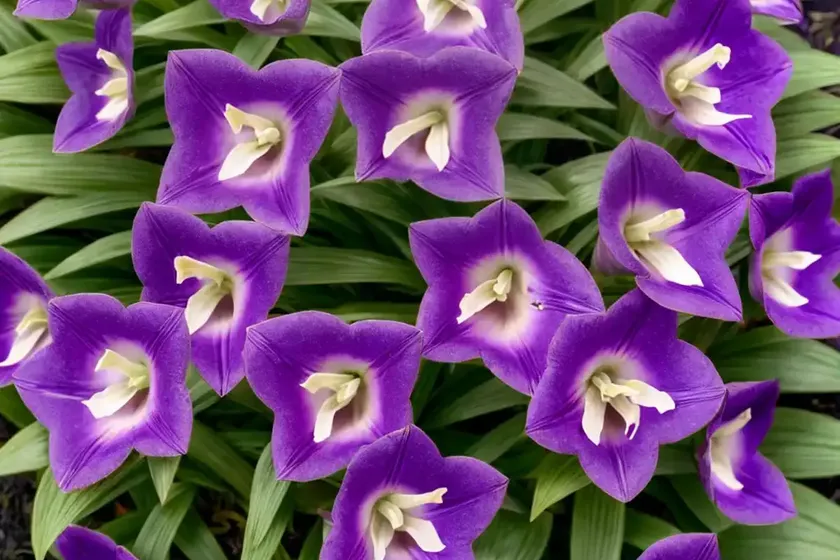
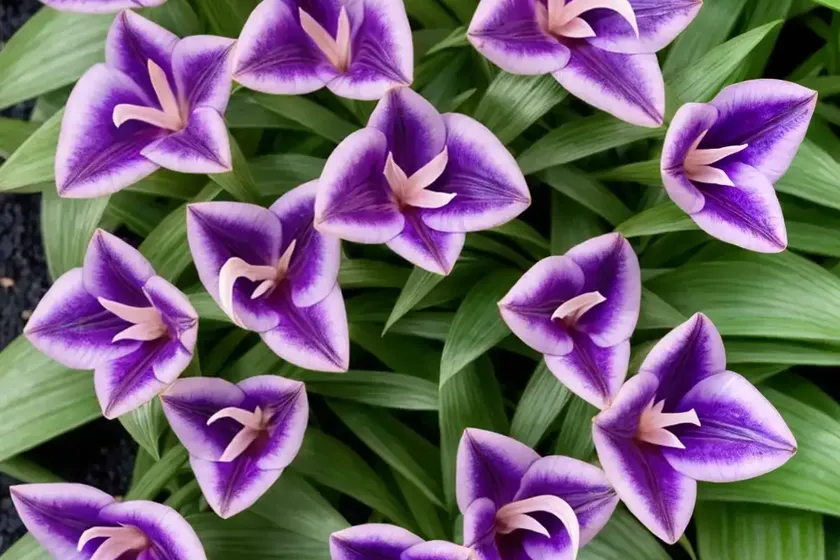
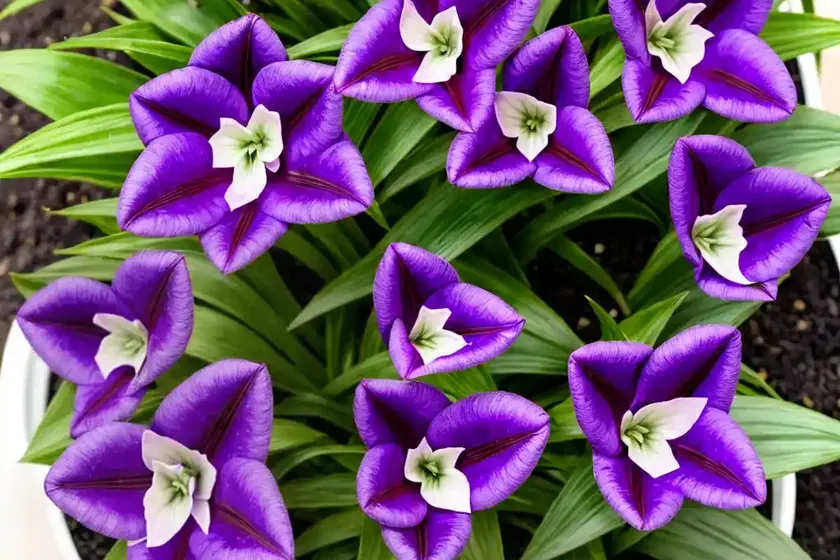
Plants are an essential part of our natural environment, providing beauty, oxygen, and countless other benefits. One such plant that has gained popularity among gardening enthusiasts is the Tradescantia pallida ‘Purpurea,’ commonly known as Purple Heart.
This blog post will provide an in-depth look at this captivating plant, including its characteristics, care requirements, uses, and interesting facts. Whether you’re a seasoned gardener or a beginner looking to explore the world of plants, there’s something for everyone to learn about the Tradescantia pallida ‘Purpurea.’
What is Tradescantia Pallida ‘Purpurea’?
Tradescantia pallida ‘Purpurea’ is a species of herbaceous perennial plant belonging to the family Commelinaceae, which is native to the Gulf Coast region of eastern Mexico. It is widely cultivated as an ornamental plant and is cherished for its vibrant purple foliage, making it a popular choice for adding color and texture to gardens, landscapes, and indoor spaces.
Key Takeaways – Tradescantia Pallida ‘Purpurea’
Before we delve into the specifics of caring for and cultivating Tradescantia pallida ‘Purpurea,’ let’s outline some key takeaways about this unique plant:
- Scientific Name: Tradescantia pallida ‘Purpurea’
- Common Names: Purple Heart, Purple Queen
- Plant Type: Herbaceous perennial
- Foliage Color: Vibrant purple
- Growth Habit: Trailing or spreading
- Uses: Ornamental, ground cover, container plant
- Special Features: Low maintenance, drought-tolerant
- Hardiness Zones: 7-11
- Toxicity: Considered to be mildly toxic if ingested
- Propagation: Easily propagated from stem cuttings
Now that we have an overview of the plant, let’s explore its characteristics and dive into the details of how to care for Tradescantia pallida ‘Purpurea.’
Culture
Understanding the cultural requirements of Tradescantia pallida ‘Purpurea’ is crucial for ensuring its health and vitality. From watering needs to sunlight requirements, here’s how to create the ideal environment for this striking plant.
Water
Proper watering is essential for the well-being of Tradescantia pallida ‘Purpurea.’ As with many plants, it’s important to find the right balance and avoid overwatering or underwatering. Here are some guidelines for watering this plant:
- Frequency: Water the plant when the top inch of the soil feels dry to the touch. In general, it’s better to underwater than overwater, as the plant is somewhat drought-tolerant.
- Soil Moisture: Ensure that the soil is well-draining to prevent waterlogging, which can lead to root rot.
- Watering Technique: Water the plant at the base to avoid wetting the foliage, which can make the plant more susceptible to diseases.
Sunlight
Proper sunlight exposure is crucial for the growth and color development of Tradescantia pallida ‘Purpurea.’ Here’s what you need to know about providing the right amount of sunlight for this plant:
- Light Requirements: Tradescantia pallida ‘Purpurea’ thrives in bright, indirect light. It can also tolerate partial shade, especially in hot climates where intense sunlight may scorch the foliage.
- Indoor Placement: If grown indoors, place the plant near a sunny window or in a location that receives adequate natural light.
Fertilizer
While Tradescantia pallida ‘Purpurea’ is relatively low-maintenance, it can benefit from occasional fertilization to support healthy growth and vibrant foliage. Here are some tips for fertilizing this plant:
- Fertilizer Type: Use a balanced, water-soluble fertilizer formulated for houseplants or ornamental foliage plants.
- Frequency: During the growing season (spring and summer), feed the plant with a diluted liquid fertilizer every 2-4 weeks. Reduce or discontinue feeding in fall and winter when the plant is in a period of dormancy.
Soil
Providing the right type of soil is crucial for the overall health and vigor of Tradescantia pallida ‘Purpurea.’ Here’s what you need to know about selecting and preparing the soil for this plant:
- Soil Type: Plant Tradescantia pallida ‘Purpurea’ in well-draining, fertile soil. A mix formulated for succulents or cacti can be suitable, as long as it provides good drainage.
- Soil pH: The plant is adaptable to a wide range of soil pH levels, but a slightly acidic to neutral pH (6.0-7.0) is generally ideal.
Pruning
Pruning is an essential aspect of maintaining the shape and appearance of Tradescantia pallida ‘Purpurea,’ especially if it tends to become leggy or overgrown. Here’s how to approach pruning this plant:
- Trimming Technique: Use clean, sharp scissors or pruning shears to trim back leggy growth or to shape the plant as desired.
- Frequency: Regular light pruning can help encourage bushier growth and prevent the plant from becoming too unruly.
Propagation
The ease of propagation is one of the appealing aspects of Tradescantia pallida ‘Purpurea.’ Here’s how you can propagate this plant from stem cuttings:
- Choose Healthy Cuttings: Select a healthy stem with several nodes (where leaves are attached) for propagating.
- Cut the Stem: Use sterile scissors or a razor blade to make a clean cut just below a node.
- Remove Lower Leaves: Remove the leaves from the lower nodes of the cutting to expose the nodes.
- Rooting Medium: Place the cuttings in a moist, well-draining rooting medium, such as perlite or a mix of peat and perlite.
- Rooting Hormone (Optional): Dip the cut end of the stem in rooting hormone powder to encourage root development.
- Provide Indirect Light: Place the cuttings in a location with bright, indirect light and maintain consistent moisture until roots develop.
Container Popularity
Given its trailing growth habit and vibrant foliage, Tradescantia pallida ‘Purpurea’ is well-suited for container gardening. Whether grown in hanging baskets or as a groundcover in containers, it adds a stunning touch to any indoor or outdoor space.
Container Uses
Here are some popular uses of Tradescantia pallida ‘Purpurea’ in containers:
- Hanging Baskets: The plant’s cascading growth makes it an excellent choice for hanging baskets, where the vibrant purple foliage can spill over the edges for a visually striking display.
- Mixed Planters: Combine Tradescantia pallida ‘Purpurea’ with other trailing or upright plants in mixed containers for a dynamic and colorful arrangement.
- Indoor Planters: Bring the beauty of Purple Heart indoors by planting it in decorative indoor planters or pots.
Common Diseases
While Tradescantia pallida ‘Purpurea’ is relatively resilient, it can be susceptible to certain diseases and pests. Understanding common diseases and their symptoms is crucial for maintaining the plant’s health.
Disease Diagnosis
Here are some common diseases that may affect Tradescantia pallida ‘Purpurea’ and how to identify them:
- Leaf Spot: Circular, dark lesions on the leaves may indicate the presence of leaf spot disease. Remove affected leaves and ensure good air circulation to prevent its spread.
- Powdery Mildew: A white, powdery coating on the foliage is a sign of powdery mildew. Improve air circulation and avoid overhead watering to prevent this fungal disease.
- Root Rot: Yellowing or wilting of the foliage, accompanied by mushy, darkened roots, may indicate root rot due to overwatering or poor drainage. Adjust watering practices and repot the plant in well-draining soil if necessary.
Common Pests
In addition to diseases, Tradescantia pallida ‘Purpurea’ may face challenges from common pests. Here’s how to identify and address potential pest problems:
Pest Identification
- Aphids: These small, pear-shaped insects may be found clustered on the new growth of the plant, sucking sap from the leaves and causing distortion or discoloration.
- Spider Mites: Look for webbing and stippling on the foliage, as these are signs of spider mite infestations. These tiny pests can cause significant damage to the plant if left unchecked.
- Mealybugs: Mealybugs are small, white insects that may gather in clusters on the plant, especially along the stems and leaf joints.
Pest Control
- Natural Predators: Encouraging natural predators such as ladybugs or lacewings can help keep pest populations in check.
- Horticultural Oil: Apply horticultural oil to suffocate and control soft-bodied pests like aphids and spider mites.
- Insecticidal Soap: Use insecticidal soap to target and control mealybug infestations while minimizing harm to beneficial insects.
Botanist’s Tips
For those who are passionate about gardening and plant care, here are some advanced tips for cultivating and enjoying Tradescantia pallida ‘Purpurea’:
- Overwintering Indoors: In colder climates, consider overwintering potted Tradescantia pallida ‘Purpurea’ indoors to protect it from freezing temperatures.
- Variegated Cultivars: Explore variegated cultivars of Tradescantia pallida, which feature striking patterns and color combinations in addition to the characteristic purple foliage.
- Creative Uses: Experiment with creative landscaping and container arrangements to showcase the beauty and versatility of Purple Heart in different settings.
Fun Facts
To round out our exploration of Tradescantia pallida ‘Purpurea,’ let’s take a moment to appreciate some fascinating and enjoyable facts about this captivating plant:
- Edible Flowers: While the Purple Heart plant is primarily grown for its foliage, it also produces small, pale pink flowers that are edible and can be used as a decorative addition to salads or desserts.
- Air-Purifying Qualities: Like many houseplants, Tradescantia pallida ‘Purpurea’ helps improve indoor air quality by filtering out pollutants and contributing to a healthier indoor environment.
- Folklore and Traditional Uses: In some cultures, Tradescantia pallida ‘Purpurea’ is associated with various folk remedies and traditional medicinal uses, ranging from wound healing to respiratory ailments.
Links to External Resources
For further information on Tradescantia pallida ‘Purpurea,’ its care, and uses, consider exploring the following reputable resources:
- The American Society for the Prevention of Cruelty to Animals (ASPCA) – Provides information on the toxicity of Tradescantia pallida ‘Purpurea’ and its potential effects on pets.
- The Royal Horticultural Society (RHS) – Offers guidelines on growing and caring for Tradescantia pallida ‘Purpurea’ in various gardening settings.
- University Extension Services – State extension services and university websites often provide valuable, region-specific advice on plant care, including information on Tradescantia pallida ‘Purpurea.’
In conclusion, Tradescantia pallida ‘Purpurea’ is a captivating and versatile plant that brings a touch of vibrancy and elegance to gardens, landscapes, and indoor spaces. By understanding and meeting its cultural requirements, addressing potential pests and diseases, and appreciating its unique characteristics, gardeners can enjoy the beauty and benefits of this beloved Purple Heart plant.
Whether used as a striking ground cover, a trailing accent in containers, or a low-maintenance indoor plant, Tradescantia pallida ‘Purpurea’ has something special to offer to plant enthusiasts of all levels. By incorporating this charming plant into our surroundings, we can experience the joy and rewards of nurturing nature’s beauty.
Remember, as with any plant, it’s always important to research and understand the specific needs and characteristics of Tradescantia pallida ‘Purpurea’ to ensure its success in your particular gardening environment.
Thank you for joining me in this exploration of the enchanting world of Tradescantia pallida ‘Purpurea.’ Happy gardening!
Keywords: #Tradescantia pallida ‘Purpurea’ care, Growing Tradescantia pallida ‘Purpurea’, Benefits of growing Tradescantia pallida ‘Purpurea’, Tradescantia pallida ‘Purpurea’ propagation, Tips for caring for Tradescantia pallida ‘Purpurea’, Best conditions for Tradescantia pallida ‘Purpurea’, Tradescantia pallida ‘Purpurea’ varieties, Tradescantia pallida ‘Purpurea’ characteristics, Pruning Tradescantia pallida ‘Purpurea’, Tradescantia pallida ‘Purpurea’ watering needs, Tradescantia pallida ‘Purpurea’ soil requirements, Tradescantia pallida ‘Purpurea’ foliage color, Tradescantia pallida ‘Purpurea’ trailing plant, Tradescantia pallida ‘Purpurea’ indoor plant, Tradescantia pallida ‘Purpurea’ outdoor plant, Tradescantia pallida ‘Purpurea’ sun exposure, Tradescantia pallida ‘Purpurea’ shade tolerance, Tradescantia pallida ‘Purpurea’ disease resistance, Tradescantia pallida ‘Purpurea’ pests and problems, Tradescantia pallida ‘Purpurea’ trailing vine, Tradescantia pallida ‘Purpurea’ groundcover plant, Tradescantia pallida ‘Purpurea’ medicinal uses, Tradescantia pallida ‘Purpurea’ unique features, Tradescantia pallida ‘Purpurea’ trailing foliage, Tradescantia pallida ‘Purpurea’ indoor gardening, Tradescantia pallida ‘Purpurea’ container gardening, Tradescantia pallida ‘Purpurea’ natural habitat, Tradescantia pallida ‘Purpurea’ native region, Tradescantia pallida ‘Purpurea’ climate requirements, Tradescantia pallida ‘Purpurea’ seasonal care, Tradescantia pallida ‘Purpurea’ drought-tolerant plant, Tradescantia pallida ‘Purpurea’ low-maintenance plant, Tradescantia pallida ‘Purpurea’ unique foliage, Tradescantia pallida ‘Purpurea’ hanging plant, Tradescantia pallida ‘Purpurea’ vibrant colors, Tradescantia pallida ‘Purpurea’ ground-hugging plant, Tradescantia pallida ‘Purpurea’ companion plants, Tradescantia pallida ‘Purpurea’ landscaping ideas, Tradescantia pallida ‘Purpurea’ garden design, Tradescantia pallida ‘Purpurea’ versatile plant, Tradescantia pallida ‘Purpurea’ ornamental plant, Tradescantia pallida ‘Purpurea’ medicinal benefits, Tradescantia pallida ‘Purpurea’ butterfly-friendly plant, Tradescantia pallida ‘Purpurea’ pollinator plant, Tradescantia pallida ‘Purpurea’ seasonality, Tradescantia pallida ‘Purpurea’ container plant, Tradescantia pallida ‘Purpurea’ hanging basket plant, Tradescantia pallida ‘Purpurea’ unique flowering, Tradescantia pallida ‘Purpurea’ natural beauty, Tradescantia pallida ‘Purpurea’ indoor decor
Be sure to explore these resources to enrich your knowledge about Tradescantia pallida ‘Purpurea’ and enhance your gardening experience.