Tradescantia Occidentalis (Prairie Spiderwort)
Tradescantia occidentalis, commonly known as Prairie Spiderwort, is a native perennial herbaceous plant in the genus Tradescantia. This species is a member.
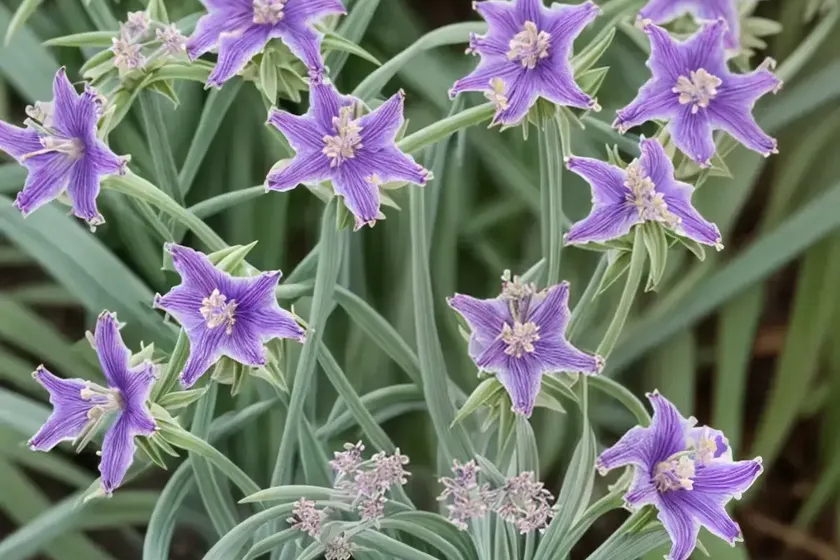
What is Tradescantia occidentalis (Prairie Spiderwort)?
Tradescantia occidentalis, commonly known as Prairie Spiderwort, is a native perennial herbaceous plant in the genus Tradescantia. This species is a member of the Commelinaceae family, which includes around 40 genera and over 650 species of herbaceous flowering plants. Prairie Spiderwort is indigenous to North America, particularly the central and western regions, where it thrives in a variety of habitats, including prairies, woodland margins, and open wooded areas.
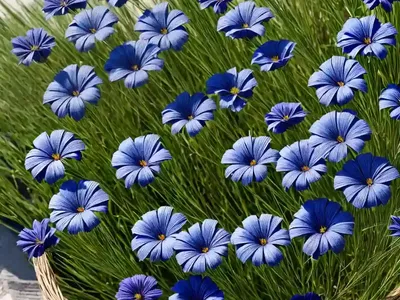
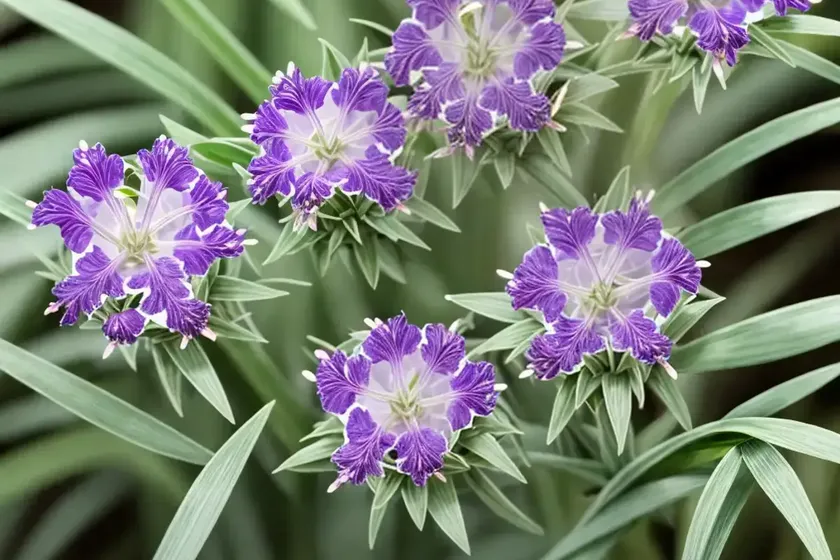
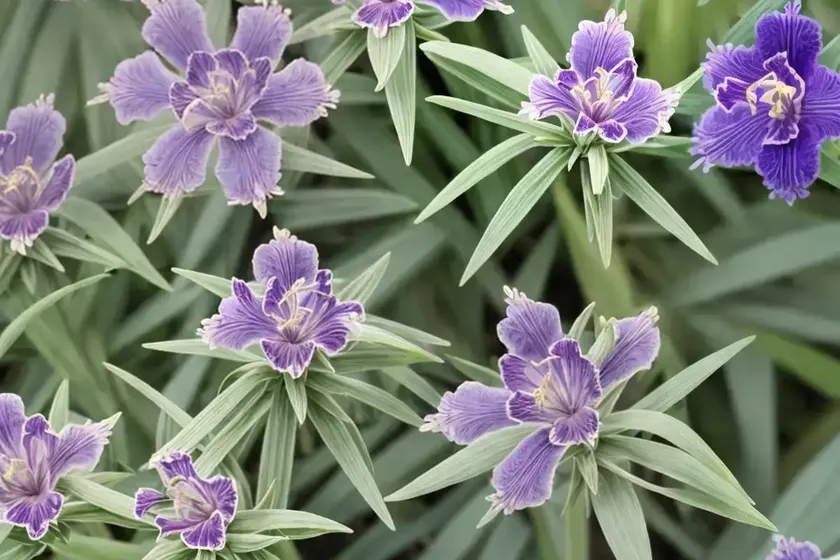
Prairie Spiderwort is recognized for its vibrant, three-petal blue to purple flowers and long, blade-like leaves. The scientific name “Tradescantia” commemorates John Tradescant, an English botanist and gardener, known for introducing numerous plants into England in the early 17th century.
In this comprehensive guide, we will delve into the various aspects of Prairie Spiderwort, encompassing its characteristics, cultivation, care tips, propagation, uses, and much more. Whether you are a novice enthusiast or an experienced gardener, this article aims to equip you with valuable insights to cultivate and appreciate this stunning, resilient plant species.
Key Takeaways – Tradescantia occidentalis (Prairie Spiderwort)
Before delving into the details, let’s highlight some key takeaways about Tradescantia occidentalis:
- Plant Name: Tradescantia occidentalis (Prairie Spiderwort)
- Family: Commelinaceae
- Common Names: Western Spiderwort, Prairie Spiderwort
- Habitat: Native to North America, particularly central and western regions
- Flower Color: Blue to purple
- Foliage: Long, blade-like leaves
- Cultivation: Perennial herbaceous plant
- Uses: Ornamental, medicinal, and ecological
- Cultivation Zones: 3 to 9
- Attracts: Pollinators and beneficial insects
With these key takeaways in mind, let’s dive deeper into the various aspects of Prairie Spiderwort, from its cultural requirements to its ecological significance.
Culture
Uses
The Prairie Spiderwort (Tradescantia occidentalis) is a versatile plant that finds applications in various settings, including:
- Ornamental Gardens: Prairie Spiderwort’s striking blue to purple flowers and long, grass-like foliage make it an attractive addition to perennial gardens, rock gardens, and wildflower meadows.
- Medicinal Purposes: Some indigenous communities have historically utilized certain species of Tradescantia, including Tradescantia occidentalis, for medicinal purposes. However, it’s essential to consult experts before using any plant for medicinal applications.
- Wildlife Habitat: Prairie Spiderwort serves as a valuable habitat and food source for pollinators, including native bees and butterflies. It contributes to the overall biodiversity and ecological balance within its native range.
- Erosion Control: The robust root system of Prairie Spiderwort helps in stabilizing soil, making it beneficial for erosion control in natural landscapes.
Water
Prairie Spiderwort exhibits moderate water requirements and thrives in well-drained soil. While it can withstand short periods of drought, consistent moisture is beneficial for optimal growth and flowering. Watering frequency may vary depending on the local climate and soil conditions. As a general guideline, aim to provide approximately 1 inch of water per week during the growing season, adjusting based on the soil’s moisture retention capacity and prevailing weather conditions.
Sunlight
When it comes to sunlight preferences, Prairie Spiderwort demonstrates adaptability to various light conditions. While it prefers partial to full sun, it can also thrive in light shade. In regions with intense summer heat, providing some afternoon shade can benefit the plant, preventing excessive stress. Assess the local light patterns in your garden or landscape to determine the most suitable planting locations for Prairie Spiderwort.
Fertilizer
The nutrient requirements of Tradescantia occidentalis are relatively minimal, particularly in well-amended, fertile soils. A balanced, organic fertilizer applied during the early stages of growth can support the plant’s establishment. Additionally, a light application of a slow-release fertilizer in early spring can provide the necessary nutrients for robust growth and blooming. Carefully follow the recommended application rates based on the specific fertilizer product and the size of the planting area.
Soil
Prairie Spiderwort thrives in loamy, well-draining soil with a slightly acidic to neutral pH range (6.0 to 7.0). Amending the soil with organic matter, such as compost or well-rotted manure, enhances its structure and fertility, promoting optimal root development and overall plant health. Before planting, assess the soil composition and drainage characteristics to identify any necessary amendments or improvements to ensure a hospitable growing environment for Prairie Spiderwort.
Pruning
Given its clump-forming growth habit, Tradescantia occidentalis generally requires minimal pruning. However, periodic removal of spent flower stems and any damaged or withered foliage can help maintain the plant’s aesthetics and vigor. Deadheading, the practice of removing faded flowers, can encourage additional blooming and prevent the plant from expending energy on seed production. Use clean, sharp pruning shears to make precise cuts, minimizing the risk of damage to the remaining plant tissue.
Propagation
Propagation of Prairie Spiderwort can be achieved through several methods, including division, seed sowing, and stem cuttings. Each approach offers unique advantages and is suitable for different circumstances:
- Division: To propagate Tradescantia occidentalis through division, carefully dig up an established clump in early spring or fall, and gently separate the individual rhizomes and root sections. Transplant the divisions to their desired locations, ensuring adequate soil preparation and moisture to promote quick establishment.
- Seed Sowing: Gather seeds from mature Prairie Spiderwort plants and sow them in prepared seedbeds or containers during the preferred sowing time. The seeds can be lightly pressed into the soil surface and kept consistently moist until germination occurs. Once the seedlings develop sufficient vigor, they can be transplanted to their final growing sites.
- Stem Cuttings: Select healthy, non-flowering stems and take cuttings of approximately 3 to 4 inches in length. Remove the lower leaves to expose the nodes, which are the points from which roots will develop. Plant the cuttings in a well-draining, soilless mix, maintaining adequate moisture and warmth to facilitate root formation.
Each propagation method offers an opportunity to expand the presence of Prairie Spiderwort in gardens, landscapes, and natural settings, contributing to its conservation and horticultural value.
Container Popularity
Prairie Spiderwort’s adaptability and ornamental allure make it a popular choice for container gardening. Whether in traditional ceramic pots, hanging baskets, or raised planters, the vibrant flowers and lush foliage of Tradescantia occidentalis can elevate the visual appeal of any outdoor or indoor space. When cultivating Prairie Spiderwort in containers, consider the following tips to ensure its thriving growth:
-
Container Selection: Choose containers with adequate drainage holes to prevent waterlogging and promote air circulation around the roots. Select containers of sufficient size to accommodate the plant’s growth and root development.
-
Growing Medium: Utilize a well-draining, lightweight growing medium tailored for container gardening, enhancing moisture retention and nutrient availability. Mixing in organic compost or perlite can further improve the soil structure and fertility.
-
Watering: Maintain consistent moisture levels in the container, adjusting the frequency based on the prevailing environmental conditions. Avoid overwatering, as excessive moisture can lead to root rot and other complications.
-
Sunlight: Position the containers in locations with ample sunlight or partial shade, ensuring that Prairie Spiderwort receives the required light for healthy growth and prolific blooming.
Cultivating Prairie Spiderwort in containers extends its versatility, allowing enthusiasts and gardeners with limited space to appreciate and enjoy this captivating plant species.
Common Diseases
While Prairie Spiderwort typically exhibits resilience and robust growth, it can be susceptible to certain diseases and disorders under unfavorable conditions. Some of the common diseases and issues that may affect Tradescantia occidentalis include:
Disease Diagnosis
- Leaf Spot: Fungal leaf spot diseases can manifest as circular or irregularly shaped lesions on the foliage, often accompanied by discoloration and tissue degeneration. Maintaining proper air circulation and avoiding overhead watering can help mitigate the risk of fungal leaf spot infections.
- Root Rot: Prolonged waterlogging or poorly drained soil can predispose Prairie Spiderwort to root rot, resulting in wilting, yellowing foliage, and overall decline. Implementing proper soil drainage and irrigation management is crucial to preventing root rot and preserving the plant’s vitality.
Understanding the symptoms and causal factors of these and other potential diseases empowers gardeners to take proactive measures to promote the health and vigor of Prairie Spiderwort.
Common Pests
In addition to diseases, Prairie Spiderwort may encounter certain pests that can impact its growth and appearance. Vigilance and prompt intervention can help mitigate the effects of these pests and preserve the plant’s overall well-being. Some common pests that may affect Tradescantia occidentalis include:
- Aphids: These small, soft-bodied insects can congregate on the tender foliage and stems of Prairie Spiderwort, feeding on plant sap and potentially transmitting viral diseases. A forceful spray of water or the application of insecticidal soap can help manage aphid populations and minimize their impact on the plant.
- Spider Mites: These tiny arachnids can infest the foliage of Prairie Spiderwort, causing stippling, discoloration, and webbing in severe cases. Regularly inspecting the plant for early signs of spider mite activity and employing horticultural oils or insecticidal sprays can aid in controlling their presence.
By staying attentive to the signs of pest infestations and implementing appropriate control measures, gardeners can safeguard the health and aesthetic appeal of Prairie Spiderwort in diverse settings.
Botanist’s Tips
To ensure the successful cultivation and long-term well-being of Prairie Spiderwort, consider the following tips from seasoned botanists and horticultural experts:
- Ample Air Circulation: Promote sufficient air movement around the foliage and stems of Prairie Spiderwort to reduce the risk of fungal diseases and foster overall plant vitality.
- Mulching: Apply a layer of organic mulch around the base of the plant to conserve soil moisture, suppress weed growth, and provide insulation during temperature fluctuations.
- Companion Planting: Integrate Prairie Spiderwort with compatible companion plants, such as native grasses, coneflowers, and sedges, to create harmonious and ecologically beneficial plant communities.
Incorporating these practical tips into your approach to cultivating Tradescantia occidentalis can enhance the resilience and appeal of this captivating plant species.
Fun Facts
Let’s explore some intriguing and lesser-known facts about Tradescantia occidentalis that contribute to its allure and ecological significance:
- Drought Tolerance: Prairie Spiderwort exhibits notable drought tolerance once established, enabling it to thrive in regions characterized by periodic water scarcity and challenging environmental conditions.
- Pollinator Magnet: The vibrant flowers of Prairie Spiderwort attract a diverse array of pollinators, including native bees, butterflies, and hoverflies, facilitating essential ecological interactions and pollination dynamics.
- Eco-Friendly Qualities: As a native North American plant species, Prairie Spiderwort contributes to regional biodiversity, supporting indigenous wildlife and fostering ecologically sustainable gardening practices.
The multifaceted appeal and ecological contributions of Tradescantia occidentalis underscore its value as a cherished plant species for enthusiasts, ecologists, and horticulturists alike.
Links to External Resources
For further exploration and reference, consider accessing the following external resources that provide valuable insights and information on Prairie Spiderwort and related botanical topics:
- Native Plant Landscaping: Explore the benefits and considerations associated with incorporating native plants, including Prairie Spiderwort, into landscaping and gardening initiatives.
- Xeriscaping Techniques: Discover xeriscaping principles and strategies, including the utilization of drought-tolerant plants like Tradescantia occidentalis, to create water-efficient and visually captivating landscapes.
- Wildflower Meadow Establishment: Gain insights into establishing and maintaining wildflower meadows, where Prairie Spiderwort can contribute to the vivid tapestry of indigenous flora and ecological diversity.
By engaging with these reputable resources, you can deepen your understanding of Prairie Spiderwort and its role in horticulture, ecology, and sustainable landscaping practices.
In conclusion, Tradescantia occidentalis (Prairie Spiderwort) embodies a captivating blend of ornamental allure, ecological significance, and cultural versatility, making it an invaluable component of native plant communities, garden landscapes, and wildlife habitats. By embracing Prairie Spiderwort in diverse settings and applications, from ornamental gardens to naturalistic landscapes, enthusiasts and conservationists alike can celebrate the enduring appeal and ecological contributions of this esteemed plant species.
This comprehensive guide aims to equip you with the knowledge and insights to cultivate, appreciate, and safeguard Prairie Spiderwort, fostering a deeper appreciation for its botanical splendor and ecological resilience. Whether you are embarking on your first Prairie Spiderwort planting endeavor or seeking to expand your horticultural repertoire, may the enduring charm and ecological virtues of Tradescantia occidentalis enrich your botanical journey.
References
- Missouri Botanical Garden. (n.d.). Tradescantia occidentalis. Retrieved from http://www.missouribotanicalgarden.org/PlantFinder/PlantFinderDetails.aspx?taxonid=279122&isprofile=0&.
- University of Florida IFAS Extension. (2020). Commelinaceae – The Dayflower Family. Retrieved from https://edis.ifas.ufl.edu/fp184.
- United States Department of Agriculture. (n.d.). Plant of the Week – Spiderwort. Retrieved from https://www.fs.fed.us/wildflowers/plant-of-the-week/tradescantia_ohiensis.shtml.