Trachycarpus Fortunei (Chinese Windmill Palm)
Trachycarpus fortunei, commonly known as the Chinese Windmill Palm, is a striking and resilient palm species that has captured the hearts of gardeners and.



Trachycarpus fortunei, commonly known as the Chinese Windmill Palm, is a striking and resilient palm species that has captured the hearts of gardeners and landscapers around the world. This versatile plant is coveted for its robust nature, elegant appearance, and adaptability to a wide range of climates and growing conditions.
In this comprehensive guide, we will delve into the various aspects of Trachycarpus fortunei, from its cultural requirements and uses to its maintenance, common diseases, and propagation methods. Whether you are a seasoned horticulturist or a novice plant enthusiast, this article aims to provide you with the essential knowledge and practical tips for cultivating and caring for Trachycarpus fortunei.
What is Trachycarpus fortunei (Chinese Windmill Palm)?
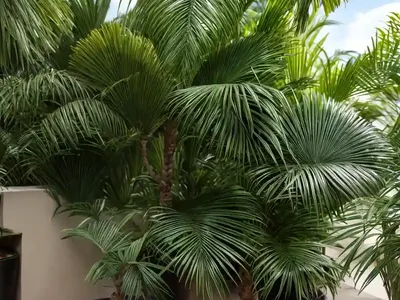
Trachycarpus fortunei is a species of palm native to parts of Asia, including China and Japan. Its common name, Chinese Windmill Palm, alludes to its origin and the characteristic windmill-like arrangement of its large, fan-shaped leaves. This slow-growing palm can reach significant heights, with mature specimens often boasting sturdy trunks and a graceful canopy of lush, green foliage.
The appeal of Trachycarpus fortunei lies not only in its ornamental value but also in its resilience to various environmental conditions. It is a cold-hardy palm, capable of withstanding frost and snow, making it a popular choice for gardens in temperate and subtropical regions.
Being a palm enthusiast’s favorite, Trachycarpus fortunei adds a tropical touch to landscapes and gardens, whether as a standalone specimen, a focal point in mixed plantings, or a container-grown beauty. In the following sections, we will explore the key aspects of caring for and growing this remarkable palm species.
Key Takeaways – Trachycarpus fortunei (Chinese Windmill Palm)
Culture
Trachycarpus fortunei has a rich cultural significance and a wide array of uses, both in traditional practices and modern horticulture. Understanding its cultural context can provide insights into its historical significance and practical applications.
-
Cultural Significance: In its native regions, Trachycarpus fortunei has been historically valued for its versatile uses. The durable fibers extracted from its leaf stalks have been utilized in making ropes, mats, and various handicrafts. Additionally, its fruit has been a source of food for local populations.
-
Horticultural Uses: In contemporary horticulture, Trachycarpus fortunei is a popular landscaping plant, lending a tropical ambiance to gardens, parks, and urban spaces. Its elegant appearance and adaptability to various growing conditions make it a versatile choice for both ornamental and functional purposes.
Water
Understanding the water requirements of Trachycarpus fortunei is crucial for ensuring its optimal growth and health. Proper watering practices are key to preventing water stress and promoting vigorous foliage and root development.
-
Watering Needs: Trachycarpus fortunei prefers well-draining soil and moderately moist conditions. During the growing season, regular watering is essential, ensuring that the soil does not dry out completely. However, it is important to avoid waterlogged conditions, as excessive moisture can lead to root rot and other detrimental effects.
-
Drought Tolerance: Once established, mature Trachycarpus fortunei palms exhibit impressive drought tolerance, making them suitable for landscapes with periodic water scarcity. Despite their resilience, providing adequate moisture during prolonged dry spells can help maintain their vitality and aesthetic appeal.
Sunlight
The sunlight requirements of Trachycarpus fortunei play a significant role in its overall growth and vigor. Understanding its preferences for light exposure can help in selecting suitable planting locations and optimizing its performance.
-
Sun Exposure: Trachycarpus fortunei thrives in partial to full sunlight. While it can tolerate some shade, providing ample sunlight is beneficial for promoting robust leaf development and maintaining its characteristic lush appearance.
-
Sunlight Preferences: In regions with intense summer heat, providing some protection from the harsh midday sun can prevent leaf scorching and ensure the palm’s continued well-being. Understanding the local climatic conditions and adapting the plant’s sun exposure accordingly can contribute to its long-term health.
Fertilizer
Appropriate fertilization is essential for supporting the growth, vigor, and visual appeal of Trachycarpus fortunei palms. Strategic application of fertilizers can address nutrient deficiencies and promote abundant foliage and sturdy trunk development.
-
Nutrient Requirements: Trachycarpus fortunei benefits from regular fertilization during the growing season, typically from spring to early autumn. Using a balanced, slow-release fertilizer formulated for palms and other tropical plants can provide the essential nutrients necessary for robust growth and lush foliage.
-
Fertilizer Application: Applying the fertilizer evenly around the base of the palm, following the manufacturer’s guidelines for dosage and frequency, can ensure that the plant receives a consistent supply of nutrients without the risk of over-fertilization.
Soil
Understanding the soil preferences of Trachycarpus fortunei is crucial for establishing favorable growing conditions and promoting its long-term health and vitality.
-
Soil Type: Trachycarpus fortunei thrives in well-draining, loamy soil with good moisture retention. Soil with a slightly acidic to neutral pH range is ideal for promoting nutrient uptake and supporting healthy root development.
-
Soil Amendment: Incorporating organic matter such as compost or well-rotted manure into the planting area can improve soil structure and fertility, enhancing the palm’s growth and overall performance.
Pruning
Pruning plays a key role in maintaining the aesthetic appeal, structural integrity, and overall health of Trachycarpus fortunei palms. Proper pruning practices can help manage old foliage, promote air circulation, and enhance the palm’s visual impact.
-
Pruning Timing: Pruning dead or damaged fronds can be carried out throughout the year as needed. However, the late winter or early spring is an optimal time for comprehensive pruning to remove any accumulated dead leaves and tidy up the palm’s appearance.
-
Pruning Technique: Using clean, sharp pruning tools, such as pruning shears or loppers, can ensure smooth, precise cuts without causing unnecessary damage to the plant. Care should be taken to avoid cutting into the healthy green fronds, as this can compromise the palm’s vitality.
Propagation
Understanding the propagation methods of Trachycarpus fortunei can offer opportunities for multiplying desirable palm specimens and expanding their presence in various landscapes and gardens.
-
Seed Propagation: Trachycarpus fortunei can be propagated from seeds, although this method requires patience and a longer timeframe to produce mature, landscape-ready palms. Sowing fresh seeds in a well-draining, fertile growing medium and providing consistent moisture and warmth can encourage germination and early growth.
-
Offshoot Division: Mature Trachycarpus fortunei palms may produce offsets or offshoots at the base, offering an opportunity for vegetative propagation. Carefully separating these offshoots from the parent plant, ensuring that each division retains a portion of the root system, can yield independent palm specimens for further cultivation.
Container Popularity
Trachycarpus fortunei’s adaptability to container cultivation has contributed to its popularity as a versatile ornamental plant for various indoor and outdoor settings.
-
Container Requirements: Choosing a spacious, sturdy container with adequate drainage holes is essential for successful container cultivation of Trachycarpus fortunei. The container should provide ample room for the palm’s root system to grow and should be made of durable, weather-resistant materials.
-
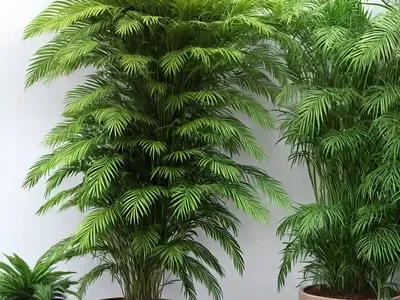
Indoor and Outdoor Use: Whether gracing the interiors of homes, offices, or commercial spaces, or adorning outdoor patios, balconies, and courtyard gardens, container-grown Trachycarpus fortunei palms make a striking and resilient addition to diverse environments.
Common Diseases
While Trachycarpus fortunei is known for its resilience, it is susceptible to certain diseases and disorders that can affect its growth and appearance. Recognizing and addressing common palm ailments is crucial for maintaining the plant’s vigor and beauty.
-
Fungal Diseases: Palms, including Trachycarpus fortunei, can be susceptible to fungal infections such as leaf spot diseases and root rot. Providing good air circulation, avoiding overwatering, and promptly removing and disposing of affected foliage can help mitigate the impact of fungal diseases.
-
Pest Infestations: Insects such as scale, mites, and palm aphids can pose a threat to the health of Trachycarpus fortunei palms. Regular inspection and early intervention using horticulturally approved insecticidal treatments can help manage pest populations and prevent extensive damage.
Disease Diagnosis
Diagnosing diseases and disorders affecting Trachycarpus fortunei requires keen observation, knowledge of common palm ailments, and prompt intervention to address the underlying causes.
-
Symptom Recognition: Identifying symptoms such as discolored or spotted leaves, wilting foliage, and stunted growth can provide valuable clues for diagnosing specific diseases or environmental stressors affecting the palm.
-
Consulting Experts: Seeking guidance from certified arborists, horticulturists, or plant pathologists can aid in accurately diagnosing and treating palm diseases, ensuring the best possible outcome for the affected specimens.
Common Pests
Pest management is an integral aspect of caring for Trachycarpus fortunei, as various insects can pose a threat to the health and aesthetics of these beloved palms.
-
Insect Identification: Recognizing common palm pests such as scale insects, mealybugs, and spider mites is essential for implementing targeted control measures and preventing widespread infestations.
-
Integrated Pest Management: Utilizing a combination of cultural, biological, and chemical control methods can effectively manage pest populations while minimizing the impact on non-target organisms and the environment.
Botanist’s Tips
Drawing from the experiences and expertise of botanists and palm enthusiasts, here are some practical tips for cultivating and caring for Trachycarpus fortunei.
-
Site Selection: When planting Trachycarpus fortunei, select a well-drained location with adequate space for the palm to grow and spread its foliage. Consider the long-term growth potential and ensure that the palm has ample room to reach its mature size without crowding other plants or structures.
-
Mulching Benefits: Applying a layer of organic mulch around the base of Trachycarpus fortunei can help conserve soil moisture, suppress weed growth, and moderate soil temperatures. Organic mulches can also contribute to soil fertility as they decompose over time, benefiting the palm’s overall health.
-
Winter Protection: In colder climates, providing winter protection for Trachycarpus fortunei can safeguard it from the potential damage caused by freezing temperatures and harsh winds. Wrapping the palm’s trunk with insulating materials and providing overhead cover can help minimize winter stress and preserve its vitality.
Fun Facts
Delve into some intriguing and captivating facts about Trachycarpus fortunei, shedding light on its unique characteristics and ecological importance.
-
Trachycarpus fortunei is nicknamed the “Chusan Palm,” inspired by the Qing Dynasty’s Zhoushan Archipelago, where it was first botanically documented by European explorers.
-
In its native habitat, Trachycarpus fortunei can be found growing in diverse environments, from lush, mountainous forests to exposed, windswept cliffs, showcasing its remarkable adaptability.
-
The fibers extracted from the leaf stalks of Trachycarpus fortunei have been historically used in textiles and handicrafts, reflecting the palm’s cultural and economic significance.
-
As a dioecious plant, Trachycarpus fortunei bears male and female flowers on separate individuals, with female plants producing small, round fruits that attract birds and wildlife.
-
Trachycarpus fortunei is known for its resilience in urban settings, tolerating pollution, compacted soil, and limited root space, making it a valued contributor to green infrastructure and urban greening efforts.
Now that we’ve explored the key aspects of Trachycarpus fortunei, from its cultural significance and uses to its maintenance and unique traits, you are equipped with valuable insights for cultivating and caring for this remarkable palm. Whether you are a seasoned palm enthusiast or a novice gardener, the allure and resilience of Trachycarpus fortunei make it a captivating addition to diverse landscapes, celebrating its ornamental value and ecological contributions.
Links to External Resources
For further exploration of Trachycarpus fortunei and in-depth information regarding its cultivation, care, and ecological importance, consider the following external resources:
- The American Palm Society
- Royal Horticultural Society – Trachycarpus
- University of Florida – IFAS Extension: Chinese Windmill Palm
- Missouri Botanical Garden – Trachycarpus fortunei
These resources offer valuable insights, practical tips, and expert guidance for enhancing your understanding and appreciation of Trachycarpus fortunei, the Chinese Windmill Palm. Whether for landscape design, horticultural studies, or nature-inspired creativity, the enduring allure of Trachycarpus fortunei continues to captivate and inspire plant enthusiasts across the globe.