Toad Lily (Tricyrtis Hirta)
Toad Lily (Tricyrtis Hirta) is a unique and charming perennial plant that is renowned for its beautiful and exotic-looking flowers. Its intricate blossoms.
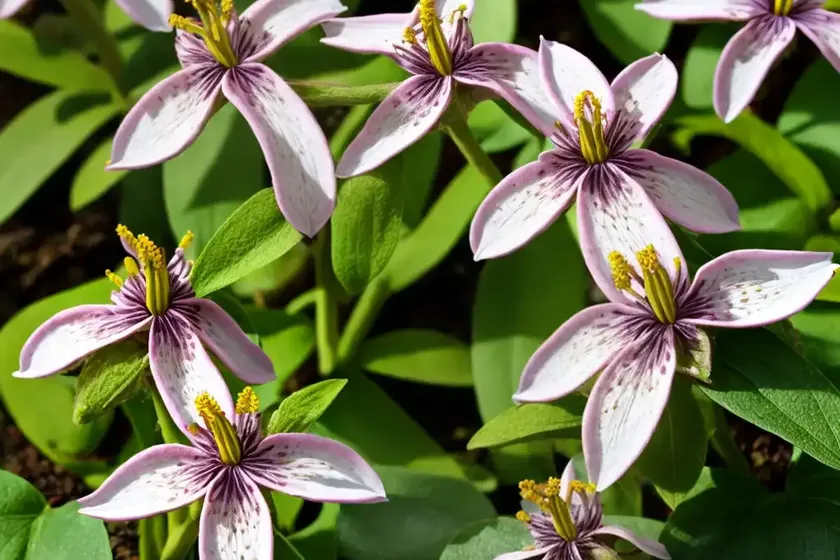
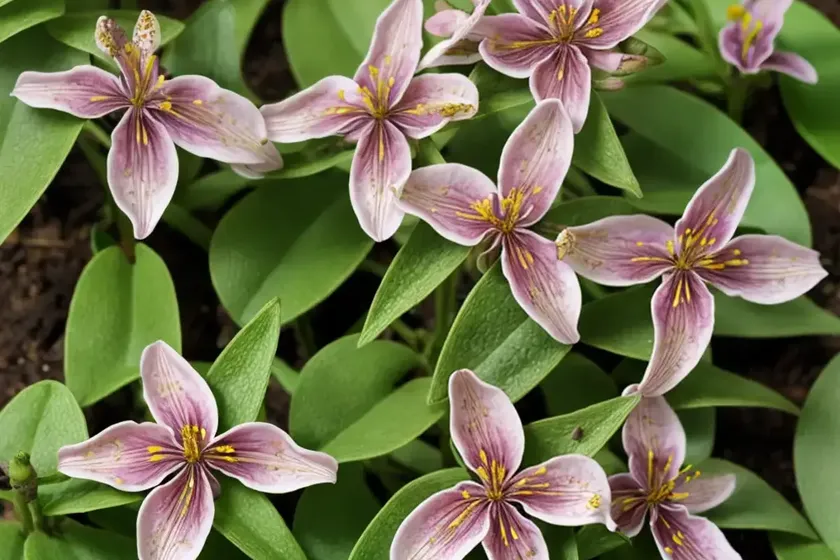
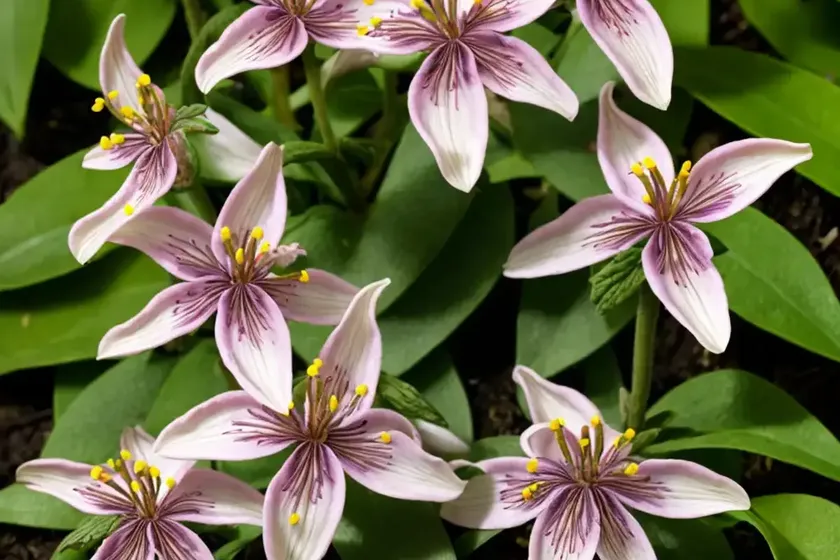
Toad Lily (Tricyrtis Hirta) is a unique and charming perennial plant that is renowned for its beautiful and exotic-looking flowers. Its intricate blossoms, resembling orchids, make it a popular choice for shady gardens and woodland landscapes. In this comprehensive guide, we will delve into the various aspects of cultivating and caring for the Toad Lily, including its cultural requirements, uses, common pests and diseases, propagation, and its growing popularity as a container plant.
What is Toad Lily (Tricyrtis Hirta)?
Toad Lily, scientifically known as Tricyrtis Hirta, is a species of flowering plant native to East Asia, particularly Japan. It belongs to the family Liliaceae and is prized for its distinctive, orchid-like flowers that bloom in late summer to early fall. The plant derives its common name from the speckled appearance of its petals, which some say resemble the skin of a toad.
Key Takeaways – Toad Lily (Tricyrtis Hirta)
Before delving into the specifics of cultivating and caring for the Toad Lily, it is essential to understand some key takeaways about this captivating plant.
- Scientific Name: Tricyrtis Hirta
- Common Name: Toad Lily
- Plant Type: Perennial
- Bloom Time: Late summer to early fall
- Flower Characteristics: Orchid-like, speckled petals
- Habitat: Shade-loving, woodland areas
- Special Features: Unusual and intricate flowers
- Cultural Requirements: Moist, well-drained soil and partial to full shade
- Uses: Ornamental plant in gardens, landscaping, and containers
Now, let’s explore the cultural aspects, uses, care, and maintenance of the Toad Lily in further detail.
Culture
Water
Toad Lilies thrive in moderately moist soil. It is crucial to ensure consistent moisture, especially during the hotter months, to prevent the soil from drying out. However, it is equally important to avoid waterlogged conditions, as excessive moisture can lead to root rot and other fungal issues.
Sunlight
One of the distinctive characteristics of the Toad Lily is its preference for shade. In the wild, it often grows under the canopy of trees in woodland areas. When cultivated in gardens, it is best to provide it with dappled or partial shade, although it can tolerate some morning sun.
Fertilizer
When it comes to fertilizing Toad Lilies, a balanced, slow-release fertilizer applied in spring as new growth emerges can be beneficial. Additionally, incorporating organic matter into the soil during planting can provide essential nutrients and improve soil structure.
Soil
Toad Lilies thrive in rich, well-draining soil with a slightly acidic to neutral pH. Adding organic matter, such as compost or leaf mold, can enhance soil fertility and water retention, creating an ideal growing medium for these plants.
Uses
Toad Lilies are primarily grown for ornamental purposes, adding unique beauty and charm to gardens and landscapes. Their delicate and captivating flowers make them an excellent choice for shaded borders, woodland gardens, and naturalized areas. Moreover, their striking appearance and shade tolerance make them an attractive option for adding interest to low-light garden spots.
Pruning
Pruning Toad Lilies is generally minimal. To maintain a tidy appearance and encourage vigorous growth, spent flower stems can be removed after blooming. Additionally, any damaged or unsightly foliage can be trimmed to maintain the plant’s overall aesthetic appeal.
Propagation
Toad Lilies can be propagated through division or seeds, although division is the preferred method for maintaining the characteristics of specific cultivars. Division is typically carried out in early spring when new growth begins. Seeds can be collected from mature seed pods in the fall and sown in pots or trays to start new plants.
Container Popularity
In recent years, Toad Lilies have gained popularity as container plants, particularly for shaded or partially shaded patios, balconies, and outdoor living areas. Their unique and captivating flowers make them an excellent choice for adding interest and beauty to container gardens, especially in spaces with limited sunlight.
Common Diseases
Disease Diagnosis
Toad Lilies are relatively resistant to diseases, particularly when grown in suitable cultural conditions. However, they can be susceptible to fungal diseases such as powdery mildew and leaf spot if the growing environment is too humid or crowded. Proper spacing, adequate air circulation, and avoiding overhead irrigation can help prevent these issues.
Common Pests
Toad Lilies may occasionally attract slugs and snails, particularly in moist and shady environments. These pests can cause damage to the foliage by grazing on it, leading to unsightly holes and blemishes. Using organic slug and snail control methods, such as beer traps or copper barriers, can help manage these pests without resorting to chemical treatments.
Botanist’s Tips
- Provide adequate shade: Toad Lilies thrive in shady environments and may struggle if exposed to direct sunlight for prolonged periods.
- Maintain consistent moisture: Keeping the soil consistently moist, but not waterlogged, is crucial for ensuring the health and vitality of Toad Lilies.
- Watch for signs of stress: Changes in foliage color, wilting, or decreased flowering may indicate that the plant is not receiving the ideal growing conditions it requires.
Fun Facts
- Toad Lilies are sometimes referred to as “orchids of the woodland” due to their intricate and exotic-looking flowers.
- Their unique appearance and shade tolerance have earned them a reputation as one of the most enchanting plants for shaded gardens and naturalistic landscapes.
Links to External Resources
For further information on Toad Lilies, their cultivation, and uses, you may find the following resources helpful:
- American Horticultural Society: Features information on various plant species, including Toad Lilies, and provides insights into their cultivation and landscape uses.
- Royal Horticultural Society: Offers guidance on planting, caring for, and propagating Toad Lilies in garden settings.
In conclusion, Toad Lilies (Tricyrtis Hirta) are captivating and distinct plants that add a touch of elegance and allure to shaded garden spaces. Their unique flowers, shade tolerance, and adaptability to container cultivation make them a valuable addition to any garden or landscape. By understanding their cultural requirements, propagation methods, and pest and disease management, enthusiasts and gardeners can successfully cultivate and enjoy the beauty of Toad Lilies in their own outdoor spaces.


