Tickseed (Coreopsis)
Tickseed, scientifically known as Coreopsis, is a charming and versatile flowering plant that captures the hearts of many gardeners. With its bright and.
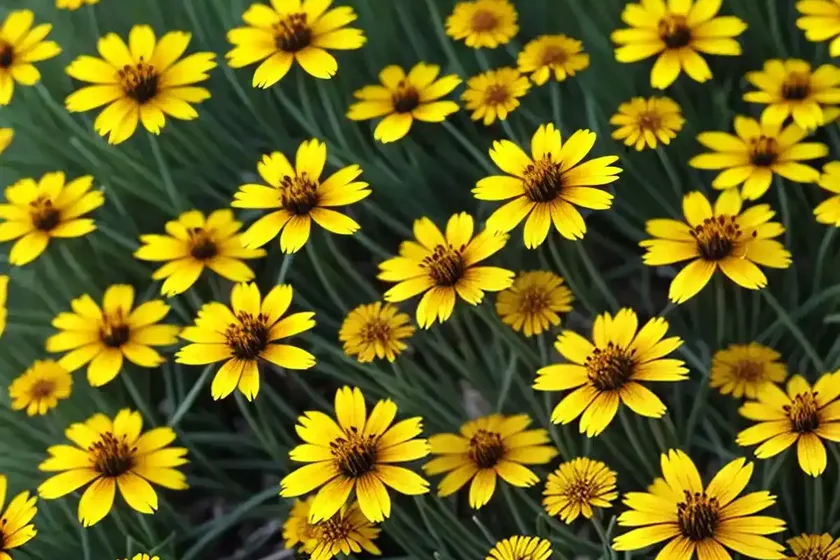
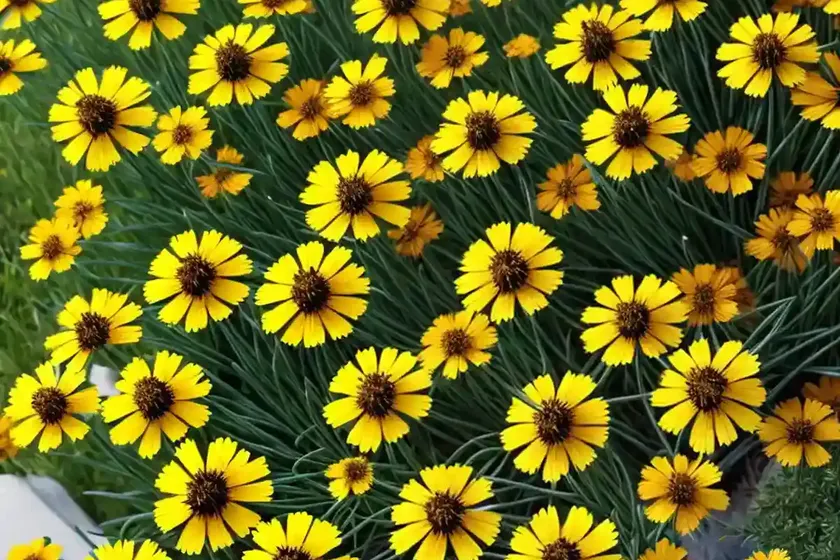
Tickseed, scientifically known as Coreopsis, is a charming and versatile flowering plant that captures the hearts of many gardeners. With its bright and cheerful blooms, easy-going nature, and ability to attract pollinators, it’s no wonder why tickseed has become a beloved addition to gardens, landscapes, and containers. In this comprehensive guide, we will delve into the various aspects of tickseed cultivation and care, exploring its culture, uses, preferred growing conditions, propagation methods, common diseases, and much more.
What is Tickseed (Coreopsis)?
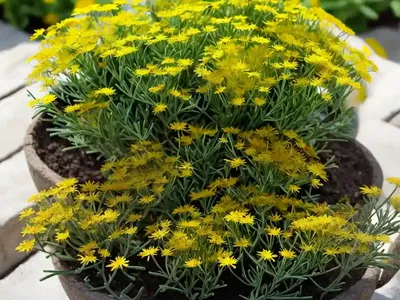
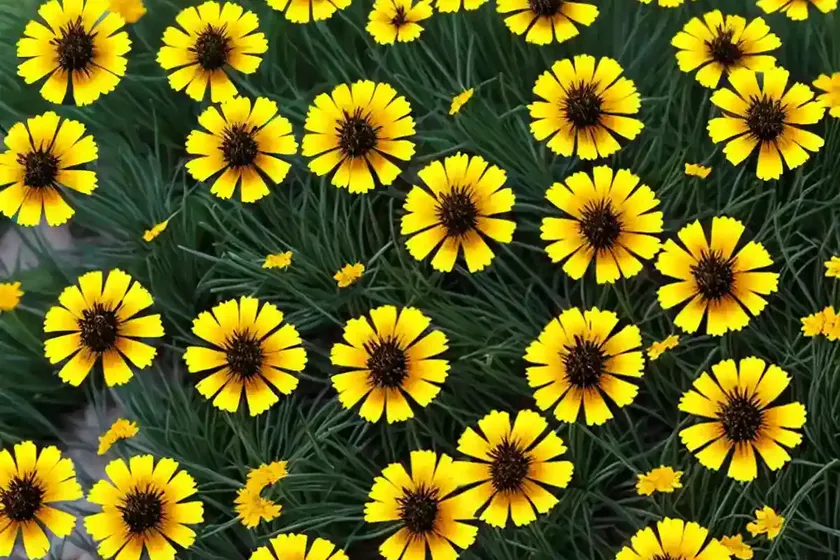
Tickseed, or Coreopsis, is a genus of flowering plants in the Asteraceae family, which also includes daisies and sunflowers. These herbaceous perennials are native to North, Central, and South America, and are known for their daisy-like composite flowers with vibrant hues, ranging from sunny yellows and warm oranges to rich pinks and deep reds. Coreopsis species are characterized by their delicate, fern-like foliage and their prolific and long-lasting blooms, making them valuable assets in both formal gardens and naturalistic landscapes.
The genus name “Coreopsis” is derived from the Greek words “koris,” meaning bedbug, and “opsis,” meaning resembling, referring to the appearance of the seeds which were thought to resemble the shape of a bedbug. This peculiar etymology adds a touch of intrigue to these delightful plants, which boast an array of captivating characteristics beyond their name.
Key Takeaways – Tickseed (Coreopsis)
Before we dive into the specifics of cultivating and caring for tickseed, let’s take a moment to highlight some key takeaways about this enchanting plant:
-
Tickseed Flowers: Tickseed is celebrated for its striking and prolific flowers, which come in an array of captivating colors such as shades of yellow, orange, pink, and red.
-
Coreopsis Varieties: The Coreopsis genus encompasses a diverse array of species and cultivars, offering gardeners a wide selection to choose from, each with its own unique attributes.
-
Growing Tickseed Plants: Tickseed plants are relatively easy to grow and maintain, making them suitable for gardeners of all skill levels.
-
Tickseed Care Tips: Providing the appropriate growing conditions, care, and maintenance is essential for ensuring the health and vibrancy of tickseed plants.
-
Coreopsis Perennial: Many Coreopsis species are perennial, returning year after year to grace the garden with their delightful blooms.
-
Tickseed Landscaping Ideas: Tickseed is a versatile plant that can be utilized in various landscaping settings, including borders, rock gardens, and naturalistic plantings.
Now that we’ve brushed the surface of what tickseed has to offer, let’s delve deeper into the details of its culture, uses, and specific requirements for optimal growth and development.
Culture
Uses
Tickseed (Coreopsis) is highly valued for its diverse uses in the garden and beyond. Some of the primary uses and benefits of tickseed include:
-
Ornamental Value: Tickseed’s vibrant and long-lasting blooms make it a popular choice for adding color and visual interest to gardens, landscapes, and floral arrangements.
-
Pollinator Attraction: The nectar-rich flowers of tickseed attract pollinators, including bees, butterflies, and other beneficial insects, making it a valuable addition to wildlife and pollinator gardens.
-
Landscape Applications: Tickseed is well-suited for a variety of landscape applications, such as border plantings, mass plantings, rock gardens, and mixed perennial beds.
-
Cut Flowers: The long stems and abundant blooms of tickseed make it an excellent choice for cut flower arrangements, bringing the beauty of the garden indoors.
-
Naturalistic Plantings: Certain species of tickseed are well-suited for naturalistic plantings and meadow-style gardens, adding a touch of wildflower charm to the landscape.
Water
Tickseed plants generally prefer moderate moisture levels and well-drained soil. While they have good drought tolerance once established, it’s essential to provide consistent moisture during periods of prolonged dryness, especially for optimal flowering and overall plant health. The frequency of watering will depend on factors such as soil type, weather conditions, and the specific needs of the cultivar or species being grown.
Sunlight
Tickseed thrives in full sun to partial shade, with most varieties performing best in at least 6-8 hours of direct sunlight per day. Adequate sunlight is crucial for promoting healthy growth, abundant flowering, and vibrant bloom colors. When grown in shadier conditions, tickseed plants may become leggy and produce fewer flowers, so it’s important to provide them with the right amount of sunlight to ensure their vitality and visual impact in the garden.
Fertilizer
When it comes to fertilizing tickseed, a balanced, all-purpose fertilizer can be applied in early spring as new growth begins to emerge. It’s important to follow the product’s instructions for application rates and to avoid over-fertilization, as excessive nutrients can lead to lush foliage at the expense of flowering. Organic options such as compost or well-rotted manure can also be incorporated into the soil around tickseed plants to provide a slow-release source of nutrients.
Soil
Tickseed plants thrive in well-drained, moderately fertile soil with a slightly acidic to neutral pH range. Amending heavy or compacted soils with organic matter such as compost, peat moss, or aged bark can improve drainage and soil structure, creating an optimal growing environment for tickseed. Additionally, a soil pH level between 6.0 and 7.0 is generally ideal for promoting healthy growth and robust flowering.
Pruning
Pruning tickseed plants can help maintain their shape, promote bushier growth, and extend their blooming period. Deadheading, or the removal of spent flowers, can encourage the plant to produce more blooms and prevent self-seeding in the garden. Additionally, light pruning in late spring can help control the plant’s height and create a more compact form. While tickseed is generally low-maintenance, these simple pruning practices can enhance the plant’s appearance and prolong its floral display.
Propagation
Tickseed plants can be propagated through several methods, including division, cuttings, and seed sowing. Each approach offers unique advantages and considerations, allowing gardeners to expand their tickseed collection and share these delightful plants with others.
-
Division: Dividing mature clumps of tickseed every few years can rejuvenate the plants, improve their vigor, and create additional specimens for new planting areas. This method is best performed in early spring or early fall, when the weather is mild and conducive to plant establishment.
-
Cuttings: Taking softwood or semi-hardwood cuttings from healthy, vigorous tickseed plants can yield new plants that are genetically identical to the parent. Rooting hormone and a well-draining rooting medium can improve the success rate of cuttings, which can be taken in late spring to mid-summer.
-
Seed Sowing: Growing tickseed from seeds allows for a diverse array of species and cultivars to be propagated, with the potential for discovering unique variations and characteristics. Sowing seeds in well-prepared soil in spring or fall, and providing consistent moisture and warmth, can result in the successful germination and establishment of young tickseed plants.
Container Popularity
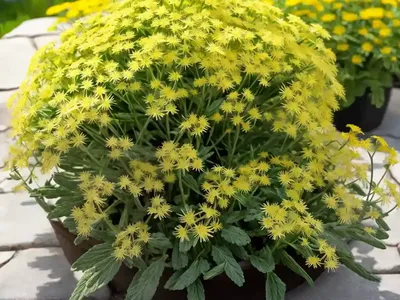
Tickseed’s compact growth habit, vibrant blooms, and low-maintenance nature make it well-suited for container cultivation. Whether grown in individual pots, mixed containers, or hanging baskets, tickseed can brighten up patios, balconies, and other outdoor spaces with its cheerful presence. Container-grown tickseed plants benefit from well-drained potting mix, regular watering, and occasional feeding to support healthy growth and continuous flowering throughout the growing season.
Common Diseases
As with any plant, tickseed is susceptible to certain diseases that can impact its health and appearance. Understanding the common diseases that affect tickseed plants and their associated symptoms can be helpful for early detection and effective management.
Disease Diagnosis
Some of the common diseases that may affect tickseed plants include:
-
Powdery Mildew: This fungal disease can appear as a powdery, white substance on the leaves and stems of tickseed plants, often in humid and warm conditions.
-
Leaf Spot: Leaf spot diseases can cause circular or irregularly shaped lesions on the foliage, potentially leading to leaf yellowing and drop if left unmanaged.
-
Root Rot: Excessive soil moisture or poor drainage can contribute to conditions favorable for root rot, which can cause wilting, yellowing, and decline in affected plants.
-
Botrytis Blight: In cool and damp conditions, tickseed plants may be at risk of botrytis blight, which can manifest as grayish mold on the flowers and stems.
Early diagnosis and prompt intervention are essential for managing these diseases and minimizing their impact on tickseed plants. Cultural practices, proper sanitation, and the use of disease-resistant cultivars can contribute to overall disease prevention and plant health.
Common Pests
In addition to diseases, tickseed plants can also be vulnerable to certain pests that may cause damage and stress to the foliage, stems, or flowers. Being aware of the common pests that affect tickseed and implementing appropriate control measures can help preserve the plants’ vitality and aesthetics.
Botanist’s Tips
Seasoned botanists and experienced gardeners often have valuable insights and tips for cultivating tickseed plants successfully. Drawing from their knowledge and expertise, here are some tips for growing and caring for tickseed:
-
Provide Adequate Drainage: Ensuring proper soil drainage is crucial for preventing root rot and other moisture-related issues in tickseed plants. Amending heavy soils and using well-draining potting mix for container-grown specimens can promote healthy root development.
-
Monitor Moisture Levels: Pay attention to soil moisture levels, especially during hot and dry periods, and provide supplemental watering as needed to support the plants’ growth and flowering.
-
Deadhead Spent Flowers: Regular deadheading can encourage continuous blooming and prolong the floral display of tickseed plants, promoting a tidy and vibrant appearance in the garden.
-
Choose Suitable Cultivars: Selecting tickseed cultivars that are well-adapted to your specific growing conditions, such as sun exposure and soil type, can enhance their performance and resilience in the garden.
-
Attract Beneficial Insects: Embracing a diverse and pollinator-friendly garden ecosystem can benefit tickseed plants and contribute to a healthy and balanced environment for other garden flora and fauna.
These botanist’s tips offer valuable guidance for cultivating and caring for tickseed, empowering gardeners to make informed choices and optimize the growing conditions for these delightful plants.
Fun Facts
Let’s explore some fascinating and delightful facts about tickseed (Coreopsis) that showcase the charm and appeal of these beloved plants:
-
Native American Traditions: Some Native American tribes historically used various Coreopsis species for medicinal and ceremonial purposes, recognizing their cultural significance and beneficial properties.
-
Pollinator Magnet: The nectar-rich flowers of tickseed are highly attractive to pollinators, including bees, butterflies, and hummingbirds, contributing to the overall biodiversity and ecological value of the garden.
-
Symbolism: In the language of flowers and symbolic meanings, Coreopsis is often associated with sentiments of cheerfulness, optimism, and joy, reflecting the bright and uplifting nature of its blooms.
-
Species Diversity: The Coreopsis genus comprises over 100 species, offering an extensive range of sizes, colors, and growth habits to suit various garden and landscape settings.
These fun facts shed light on the rich history, ecological significance, and cultural symbolism associated with tickseed, adding depth and interest to our appreciation of these enchanting plants.
Links to External Resources
For further exploration and in-depth information about tickseed (Coreopsis), the following resources provide valuable insights, guidance, and inspiration:
-
The American Society of Horticultural Science – A reputable organization dedicated to advancing the science and practice of horticulture, offering publications, research, and educational resources related to ornamental plant cultivation.
-
National Gardening Association – An online hub for gardening enthusiasts, providing a wealth of articles, forums, and plant profiles, including information on growing and caring for various Coreopsis species.
-
Royal Horticultural Society (RHS) – A leading authority on gardening and horticulture, offering extensive plant databases, cultivation advice, and gardening events, with valuable resources on tickseed plant care.
These external resources serve as valuable references and sources of expertise for delving deeper into the world of tickseed cultivation, care practices, and horticultural knowledge.
In conclusion, tickseed (Coreopsis) stands as a beloved and versatile addition to gardens, landscapes, and containers, bringing vibrant color, pollinator activity, and naturalistic charm to outdoor spaces. By understanding its culture, uses, preferred growing conditions, propagation methods, common diseases, and other key aspects, gardeners can confidently cultivate and care for these enchanting plants, enhancing the beauty and biodiversity of their outdoor environments.