Tickseed (Coreopsis tripteris): A Comprehensive Guide
Introduction
As a plant scientist, one of the most fascinating aspects of my work is exploring the diverse and beautiful world of plants. In this comprehensive guide, we’ll delve into the captivating realm of the tickseed plant, scientifically known as Coreopsis tripteris. This article will cover everything from the cultural and medicinal uses to care tips and landscape design ideas for this stunning perennial.
What is Plant: Tickseed (Coreopsis tripteris)
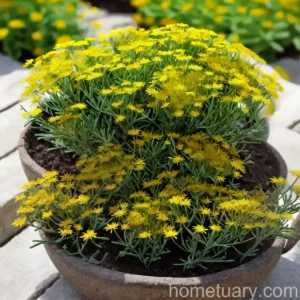
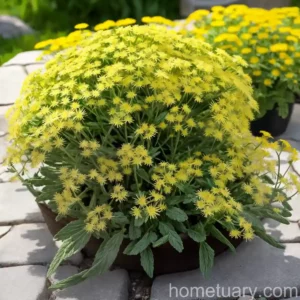
Coreopsis tripteris, commonly referred to as tickseed, is a herbaceous perennial plant known for its attractive yellow flowers. This species belongs to the Asteraceae family, and it is native to North America, particularly the central and eastern regions of the United States. The plant’s genus name, Coreopsis, is derived from the Greek words “koris,” meaning bedbug, and “opsis,” meaning resembling, alluding to the shape and color of the seeds. The specific epithet “tripteris” is derived from the Greek word “tripteros,” which means three-winged, describing the plant’s three-winged seeds.
Key Takeaways – Tickseed (Coreopsis tripteris)
Before we delve into the specifics of tickseed (Coreopsis tripteris), let’s take a quick look at the key takeaways to provide an overview of what we will cover in this article:
- Cultural uses of tickseed
- Water requirements
- Sunlight preferences
- Fertilization needs
- Soil preferences
- Pruning techniques
- Propagation methods
- Container gardening tips
- Common diseases and diagnosis
- Identification of common pests
- Botanist’s tips for maintenance
- Interesting fun facts
- Links to external resources
Now, let’s explore each of these aspects in detail.
Cultivation of Tickseed (Coreopsis tripteris)
Uses
The tickseed (Coreopsis tripteris) holds various cultural uses. Its vibrant yellow flowers make it a popular choice for ornamental and landscaping purposes. Additionally, this plant has several medicinal and ecological benefits due to its attractiveness to pollinators.
Water
When it comes to watering tickseed, it’s important to strike a balance. While it prefers moist soil, it doesn’t thrive in waterlogged conditions. A consistent watering schedule, especially during dry spells, is crucial for the plant’s overall health and blooming performance. However, it is essential to avoid overwatering as it may lead to root rot.
Sunlight
Tickseed plants are known for their preference for full sun. In order to thrive and produce an abundant display of flowers, they require at least six hours of direct sunlight each day. This makes them an ideal choice for sunny borders and rock gardens.
Fertilizer
Tickseed plants are not heavy feeders, and excessive fertilization can lead to leggy growth and reduced flowering. A balanced, slow-release fertilizer applied in early spring can provide the necessary nutrients to support healthy growth and blooming.
Soil
Well-drained, slightly acidic to neutral soil is best suited for tickseed cultivation. Amending the soil with organic matter prior to planting can help enhance its fertility and drainage, promoting optimal growth and blooming.
Pruning
Pruning tickseed in late spring or early summer can encourage bushier growth and prolong the flowering period. Removing spent blooms and cutting back the stems can also prevent the plant from self-seeding, especially in garden settings where control over propagation is desired.
Propagation
Tickseed can be propagated through division or seeds. Division is best done in early spring or late fall, while seeds can be sown directly in the garden after the danger of frost has passed.
Container Gardening Tips
For those with limited garden space or those seeking to add vibrant color to their patios and balconies, tickseed can be a wonderful choice for container gardening. When selecting a container, ensure it provides adequate drainage to prevent waterlogging. Choose a quality, well-draining potting mix, and position the containers in a location that receives full sunlight for optimal growth and flowering.
Popularity
The striking beauty and low maintenance requirements of tickseed make it a popular choice among gardeners, landscapers, and horticultural enthusiasts. Its versatility in various garden settings and its support of pollinator populations contribute to its widespread cultivation and admiration.
Common Diseases and Diagnosis
Tickseed is generally resistant to most diseases, particularly when grown in well-drained soil and provided with good air circulation. However, it may be susceptible to powdery mildew in overly humid conditions. Fungicidal treatments and improving air circulation can help control this issue.
Common Pests
Despite being relatively resistant to pests, tickseed can occasionally fall prey to aphids and spider mites. Regular inspections and the use of insecticidal soaps can effectively manage these infestations.
Botanist’s Tips:
To ensure the healthy growth and longevity of tickseed plants, here are some botanist’s tips:
– Regular deadheading promotes continuous flowering and prevents excessive self-seeding.
– Avoid heavy mulching around the plant base to prevent stem rot and overall plant health.
– Incorporate tickseed in pollinator gardens to attract and support diverse butterfly and bee species.
Fun Facts
- Inspired by the vibrant and abundant flowering of tickseed, some Native American tribes used its blossoms as a natural dye for textiles and baskets. The yellow dye from the flowers of tickseed was highly valued for its vivid color and durability.
- The term “tickseed” is an English translation of the Native American term “better-feet,” reflecting the plant’s traditional use in soothing foot ailments.
Links to External Resources
Here are some reputable external resources for further exploration of tickseed (Coreopsis tripteris):
– The American Horticultural Society
– Missouri Botanical Garden
– Royal Horticultural Society
In conclusion, tickseed (Coreopsis tripteris) embodies natural beauty, versatility, and ecological significance. Whether grown as a captivating ornamental, a valuable pollinator attractant, or a cultural symbol, this perennial plant continues to enchant and inspire all who encounter its sunny blooms. With the insights provided in this guide, you are well-equipped to cultivate and appreciate the remarkable attributes of the tickseed plant.