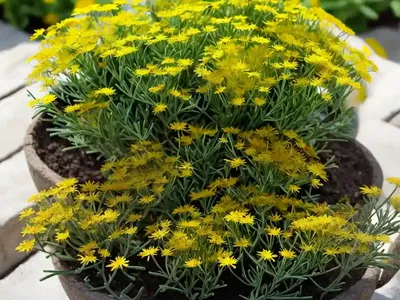
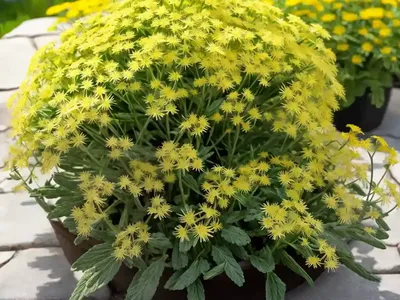
Tickseed (Coreopsis ‘Limerock Ruby’)
Tickseed, scientifically known as Coreopsis ‘Limerock Ruby’, is a charming and popular flowering plant that boasts vibrant blooms and easy maintenance. As.
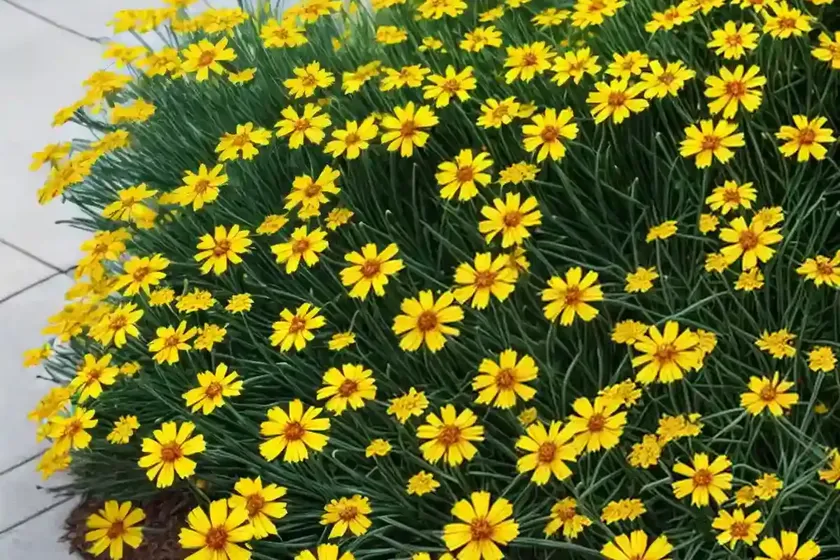

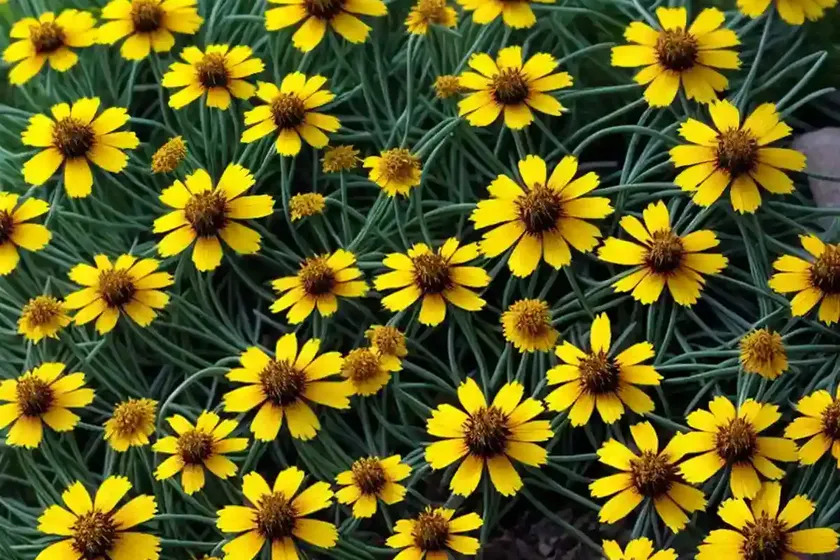
Tickseed, scientifically known as Coreopsis ‘Limerock Ruby’, is a charming and popular flowering plant that boasts vibrant blooms and easy maintenance. As a plant scientist, it’s essential to explore and understand the characteristics, growing conditions, and care needs of this beautiful perennial. In this comprehensive guide, we will delve into the fascinating world of tickseed, covering its culture, uses, maintenance, and much more. Whether you’re a gardening enthusiast, a landscaping professional, or simply intrigued by the wonders of nature, this guide will provide all the essential insights to help you cultivate and appreciate the splendor of tickseed in your garden or landscape.
What is Tickseed (Coreopsis ‘Limerock Ruby’)?
Tickseed, or Coreopsis ‘Limerock Ruby’, is a species of flowering plant in the Coreopsis genus, which is part of the Asteraceae family. This perennial plant is renowned for its prolific and colorful blooms, making it a popular choice for gardeners and landscapers alike. The ‘Limerock Ruby’ variety specifically stands out for its striking ruby-red flowers that add a vibrant splash of color to any garden or landscape setting.
Key Takeaways – Tickseed (Coreopsis ‘Limerock Ruby’)
- Common Name: Tickseed
- Scientific Name: Coreopsis ‘Limerock Ruby’
- Family: Asteraceae
- Flower Color: Ruby-red
- Growth Habit: Perennial
- Uses: Ornamental, Pollinator-friendly
- Native Habitat: North America
- Special Features: Drought-tolerant, Low maintenance
Now, let’s delve deeper into the essential aspects of tickseed, from its cultural requirements and uses to maintenance, diseases, and pests.
Culture
Understanding the cultural requirements of tickseed is fundamental for successfully growing and nurturing this charming plant.
Water
Tickseed is relatively drought-tolerant once established, but regular watering is essential, especially during the initial stages of growth and flowering. Adequate moisture is crucial for ensuring healthy growth and profuse blooming.
- Watering Tips:
- Water deeply but infrequently, allowing the soil to dry out slightly between watering sessions.
- Be cautious not to overwater, as excessive moisture can lead to root rot and other complications.
Sunlight
Tickseed thrives in full sun to partial shade, with a preference for at least 6 hours of direct sunlight daily. Adequate sun exposure is vital for promoting robust growth and abundant flowering.
- Sunlight Guidelines:
- Plant in a location that receives ample sunlight, especially during the morning hours.
- In hotter climates, partial shade during the intense afternoon sun can be beneficial for preventing heat stress.
Soil
The ideal soil conditions for tickseed are well-draining, moderately fertile, and slightly acidic to neutral. Good soil quality is crucial for ensuring healthy root development and overall vigor.
- Soil Considerations:
- Amend heavy clay soil with organic matter to improve drainage and aeration.
- A pH range of 6.0 to 7.0 is generally suitable for tickseed cultivation.
Fertilizer
Tickseed generally thrives in moderately fertile soil and doesn’t require excessive fertilization. A balanced, slow-release fertilizer applied in spring can provide the necessary nutrients for healthy growth and flowering.
- Fertilization Tips:
- Use a fertilizer with a balanced NPK ratio, such as 10-10-10, following the manufacturer’s instructions for application rates.
- Avoid overfeeding, as excess nutrients can lead to leggy growth and reduced flowering.
Uses
Tickseed holds significant value in various horticultural and landscaping applications, adding beauty and functionality to outdoor spaces.
Ornamental Use
One of the primary uses of tickseed, particularly the ‘Limerock Ruby’ variety, is as an ornamental flowering plant. Its vibrant ruby-red blooms create a striking visual impact in gardens, borders, and naturalistic landscapes. The plant’s attractive flowers and foliage make it a versatile and valuable addition to diverse outdoor settings.
- Garden and Landscape Applications:
- Use as a focal point in mixed flower beds or perennial borders.
- Incorporate into pollinator gardens and wildlife-friendly landscapes to attract beneficial insects and birds.
Pollinator-Friendly Plant
Tickseed’s nectar-rich flowers serve as an essential food source for pollinators, including bees, butterflies, and other beneficial insects. By planting tickseed in the garden, you can actively contribute to supporting local pollinator populations.
- Pollinator Garden Benefits:
- Attracts and sustains diverse pollinator species, fostering ecological balance and biodiversity.
- Contributes to the overall health and resilience of the surrounding ecosystem.
Pruning
Pruning plays a crucial role in maintaining the health, shape, and flowering performance of tickseed plants.
- Pruning Techniques:
- Deadhead spent flowers regularly to encourage prolonged blooming and prevent self-seeding.
- Trim back leggy or unruly growth to promote a compact and tidy appearance.
Propagation
Tickseed can be propagated through various methods, allowing for the expansion of plantings and the sharing of its ornamental beauty with others.
- Propagation Methods:
- Division: Divide mature clumps in early spring or fall, ensuring that each division has viable roots and shoots.
- Stem Cuttings: Take 4-6 inch stem cuttings in spring or early summer, and root them in a well-draining medium under controlled conditions.
Container Popularity
Tickseed, including the ‘Limerock Ruby’ variety, is well-suited for container cultivation, offering versatility and aesthetic appeal in various outdoor settings.
- Container Gardening Benefits:
- Ideal for small gardens, patios, and balconies with limited space for in-ground planting.
- Allows for easy mobility and repositioning to optimize sunlight exposure and visual impact.
Common Diseases
While tickseed is generally resilient, certain diseases can pose a threat to its health and vitality, requiring proactive management and care.
Common Diseases
- Powdery Mildew: Fungal disease characterized by white powdery patches on leaves and stems, often caused by poor air circulation and high humidity.
- Root Rot: Soil-borne fungal infection leading to wilting, yellowing, and decay of the plant’s root system, typically exacerbated by waterlogged soil conditions.
Disease Diagnosis
- Visual Inspection: Regularly inspect plants for signs of discoloration, wilting, or abnormal growth.
- Diagnostic Tools: Utilize plant disease guides and resources to identify and address specific symptoms and causal agents.
Common Pests
Despite its resilience, tickseed can fall prey to certain pests that can compromise its health and overall appearance.
- Aphids: Small, sap-sucking insects that congregate on new growth, causing distortion and stunted development of leaves and stems.
- Spider Mites: Tiny arachnids that feed on plant sap, leading to stippled or discolored foliage and webbing on the undersides of leaves.
Pest Control
- Natural Predators: Encourage beneficial insects, such as ladybugs and lacewings, that feed on aphids and mites.
- Horticultural Oils: Apply horticultural oils to suffocate and control spider mite populations while minimizing harm to beneficial insects.
Botanist’s Tips
As a botanist, here are some additional practical tips for cultivating and appreciating tickseed in various garden and landscape settings:
- Companion Planting: Pair tickseed with compatible perennials and ornamental grasses for a visually appealing and harmonious garden composition.
- Seasonal Interest: Blend different tickseed varieties with staggered bloom times to ensure continuous color and interest throughout the growing season.
Fun Facts
Uncover some fascinating and little-known facts about tickseed (Coreopsis ‘Limerock Ruby’):
- The ‘Limerock Ruby’ variety was selected for its exceptional heat tolerance and long-lasting, radiant flowers.
- Tickseed flowers are renowned for their attractiveness to pollinators, contributing to the overall biodiversity and ecological balance in outdoor environments.
Links to External Resources
For further information on tickseed and related horticultural topics, consider exploring the following external resources:
In conclusion, tickseed (Coreopsis ‘Limerock Ruby’) stands as a captivating and valuable addition to gardens, landscapes, and pollinator habitats, offering remarkable beauty and ecological benefits. By understanding its cultural requirements, uses, maintenance practices, and potential challenges, gardeners and horticultural enthusiasts can cultivate and celebrate the splendor of tickseed with confidence and success. Whether adorning flower beds, containers, or naturalistic plantings, this vibrant perennial continues to enchant and inspire through its enduring charm and ornamental appeal.