Ti Plants (Cordyline Terminalis)
As a plant scientist with a passion for horticulture and botanical exploration, I am excited to delve into the captivating world of Ti Plants.
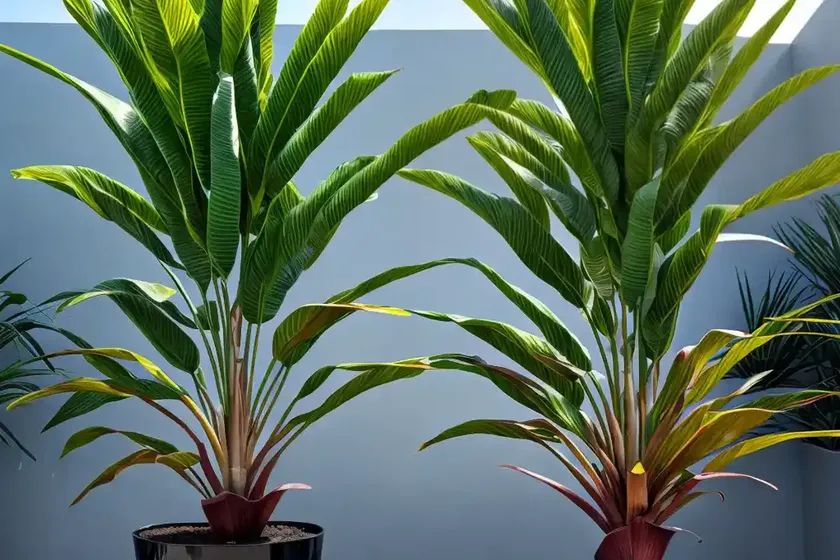
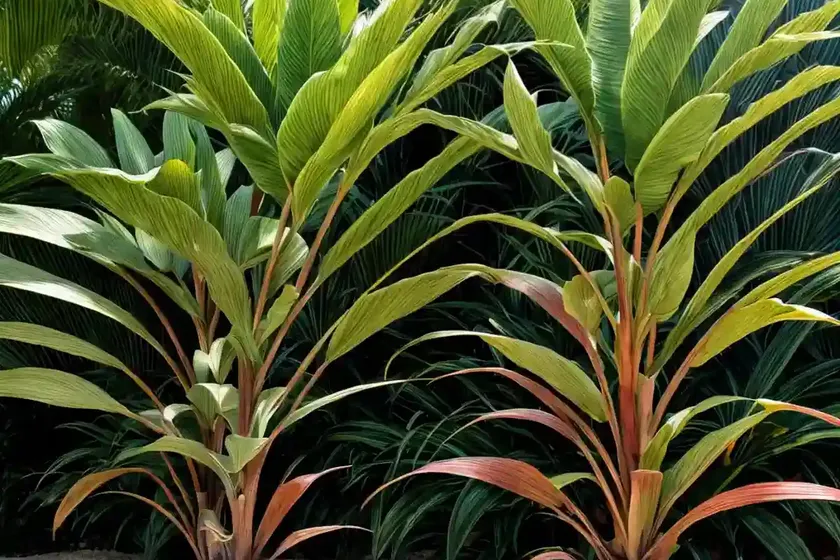
As a plant scientist with a passion for horticulture and botanical exploration, I am excited to delve into the captivating world of Ti Plants, scientifically known as Cordyline terminalis. This versatile and visually stunning plant has captured the attention of gardeners, landscape designers, and indoor plant enthusiasts around the world. In this comprehensive guide, we will explore the various facets of Ti Plants, including their cultural significance, uses, care requirements, propagation, common diseases, and much more. Whether you are new to gardening or a seasoned plant enthusiast, this guide will provide you with valuable insights into the world of Cordyline terminalis.
What is a Ti Plant (Cordyline terminalis)?
Ti Plants, also known as Cordyline terminalis, are evergreen perennial shrubs that belong to the Asparagaceae family. They are native to Southeast Asia, Australia, and the Pacific Islands, where they are often cultivated for their ornamental and cultural significance. The name “Ti Plant” is derived from the Hawaiian word “ki,” and these plants hold deep cultural and spiritual significance in Hawaiian traditions.
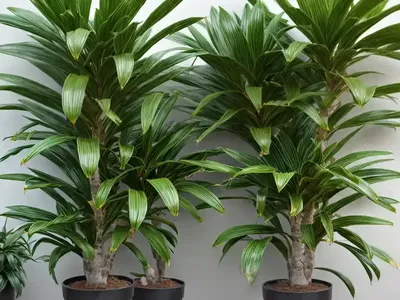
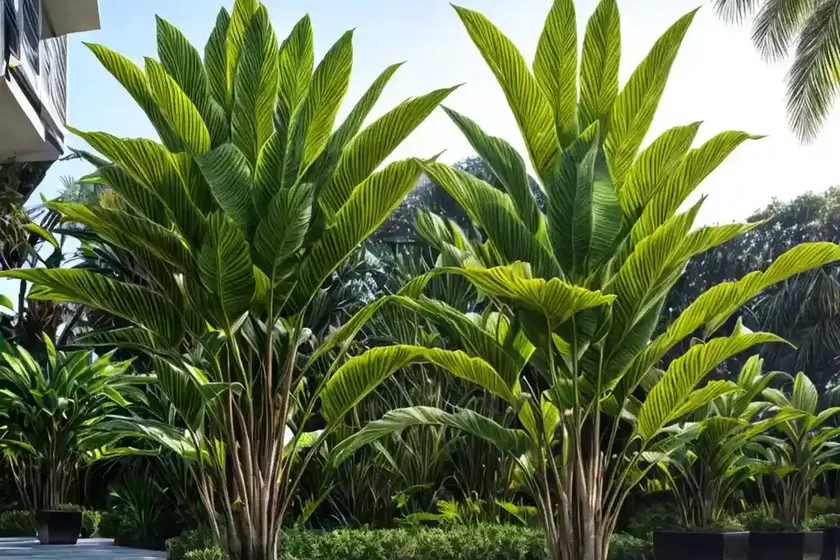
Ti Plants are renowned for their vibrant and colorful foliage, with leaves that come in a diverse range of hues, including green, red, pink, purple, and variegated combinations. The striking foliage and architectural growth habit make Ti Plants a popular choice for both indoor and outdoor settings, adding a tropical flair to gardens, landscapes, and interior spaces.
Key Takeaways – Ti Plants (Cordyline terminalis)
Before we delve into the intricacies of caring for Ti Plants, let’s explore some key takeaways about this captivating species:
- Scientific Name: Cordyline terminalis
- Plant Type: Evergreen perennial shrub
- Family: Asparagaceae
- Native Range: Southeast Asia, Australia, Pacific Islands
- Common Names: Ti Plant, Hawaiian Ti, Good Luck Plant
- Significance: Holds cultural and spiritual significance in Hawaiian culture
- Foliage: Vibrant and colorful leaves in varying shades of green, red, pink, purple, and variegated patterns
- Uses: Ornamental landscaping, indoor decoration, cultural ceremonies
Now that we have an overview of what Ti Plants are, let’s embark on a journey to understand their care requirements, uses, and the fascinating aspects of their cultivation.
Culture
Uses of Ti Plants
Ti Plants have a rich and diverse history of cultural and practical uses. Understanding the traditional and contemporary uses of these plants adds depth to the appreciation of their significance:
- Cultural Significance: In Hawaiian culture, Ti Plants are considered sacred and are often used in various ceremonies and rituals. The leaves of the plant are utilized in crafting cultural items such as leis, baskets, and rain capes.
- Ornamental Landscaping: Ti Plants are a popular choice for tropical and exotic landscaping, adding a touch of vibrant foliage to gardens, resorts, and public spaces.
- Indoor Decoration: With their stunning foliage and adaptability to indoor conditions, Ti Plants are favored as decorative elements in homes, offices, and indoor landscapes.
Water
Proper watering is essential for the health and vigor of Ti Plants. Understanding their water requirements is crucial for ensuring optimal growth and foliage development:
- Watering Needs: Ti Plants prefer consistently moist but well-draining soil. They are sensitive to overwatering, which can lead to root rot, particularly in container-grown specimens.
- Irrigation Frequency: Water the plants when the top inch of the soil feels slightly dry to the touch. Ensure that excess water can drain freely from the pot to prevent waterlogged conditions.
Sunlight
The right amount of sunlight is instrumental in shaping the growth and coloration of Ti Plants. Here are some key considerations for providing appropriate light:
- Sunlight Requirements: Ti Plants thrive in bright, indirect light. They can tolerate some direct sunlight, especially in the morning or late afternoon, but prolonged exposure to harsh midday sun should be avoided.
- Indoor Placement: When grown indoors, place Ti Plants near a window that receives ample natural light. Avoid exposing them to intense, direct sunlight, as this can lead to leaf scorching.
Fertilizer
Proper nutrition is vital for enhancing the vigor and coloration of Ti Plants. A balanced fertilizer regimen can support their growth and ornamental appeal:
- Fertilizer Type: Use a well-balanced, water-soluble fertilizer designed for ornamental foliage plants. Look for formulations with balanced NPK ratios and micronutrients to support overall plant health.
- Fertilizer Schedule: During the growing season, feed Ti Plants every 4-6 weeks. Reduce or suspend fertilization during the winter months when the plants are in a period of reduced growth.
Soil
The right growing medium provides the foundation for healthy root development and overall plant vitality. Here’s what you need to know about soil requirements for Ti Plants:
- Soil Composition: Use a well-draining potting mix that provides good aeration for the roots. A blend of peat moss, perlite, and organic matter can create an ideal growing medium for Ti Plants.
- Acidity Levels: Ti Plants prefer slightly acidic to neutral soil pH, with a range of 6.0-6.5 being optimal. Avoid excessively alkaline soils, as this can impede nutrient uptake and lead to foliar discoloration.
Pruning
Regular pruning and maintenance are essential for shaping the growth habit of Ti Plants and promoting a tidy and attractive appearance. Here are some pruning tips to consider:
- Removing Dead Growth: Trim away any yellowed, withered, or dead leaves as soon as they appear. This helps maintain the plant’s aesthetic appeal and prevents disease spread.
- Shaping and Training: Prune the plant to shape its growth habit and remove any leggy or straggly stems. Ti Plants respond well to pruning and can be trained to achieve a more compact and bushy form.
Propagation
The ability to propagate Ti Plants through various methods allows for the expansion of their presence in gardens and landscapes. Here are some propagation techniques to explore:
- Stem Cuttings: Propagate Ti Plants from stem cuttings taken from mature, healthy plants. Dip the cut ends in rooting hormone and place them in a well-draining potting mix to encourage root development.
- Air Layering: This method involves inducing the stem to produce roots while still attached to the parent plant. Once the roots have developed, the rooted section can be separated and potted as a new plant.
Container Popularity
The adaptability of Ti Plants to container culture makes them a popular choice for indoor and outdoor potted displays. Here’s why they are well-suited for containers:
- Versatility: Ti Plants are well-suited for both indoor and outdoor containers, adding a touch of tropical elegance to patios, balconies, and living spaces.
- Accessibility: Growing Ti Plants in containers allows individuals with limited garden space to enjoy their beauty and ornamental appeal.
Common Diseases
While generally resilient, Ti Plants can be susceptible to certain diseases that can impact their overall health and appearance. Understanding common diseases is crucial for effective management:
- Leaf Spot: This fungal disease manifests as dark, water-soaked spots on the leaves, often surrounded by yellow halos. Removing infected leaves and improving air circulation can help manage this issue.
- Root Rot: Overwatering and poorly draining soil can lead to root rot, characterized by wilting, yellowing leaves, and a foul odor from the soil. To prevent root rot, ensure proper soil drainage and avoid waterlogged conditions.
Disease Diagnosis
Diagnosing and addressing diseases promptly is essential for preventing the spread of infections and preserving the health of Ti Plants. Here are steps to effectively diagnose plant diseases:
- Visual Symptoms: Carefully inspect the leaves, stems, and soil for any signs of discoloration, spots, wilting, or abnormal growth.
- Laboratory Analysis: In cases of severe or puzzling symptoms, seeking professional plant pathology services can provide accurate diagnoses and tailored management strategies.
Common Pests
Pests can pose a threat to the vitality of Ti Plants, and early detection and intervention are crucial for effective pest management. Here are some common pests to watch out for:
- Aphids: These tiny, sap-sucking insects can cluster on the undersides of leaves, causing wilting, distortion, and a sticky residue known as honeydew. Insecticidal soaps or horticultural oils can effectively control aphid infestations.
- Spider Mites: These microscopic pests can cause stippling, discoloration, and webbing on the leaves. Regularly misting the plant and applying insecticidal soap can help mitigate spider mite populations.
Botanist’s Tips
As a plant scientist, I’d like to share some additional tips and insights to enhance your experience with Ti Plants and promote their health and vibrancy:
- Air Circulation: Ensure adequate air circulation around the plant to minimize the risk of fungal diseases. Position indoor plants near open windows or use fans to improve air movement.
- Regular Inspection: Routinely inspect the plant for signs of pests, diseases, or nutrient deficiencies. Prompt action can prevent minor issues from escalating.
- Growth Habit: Understanding the natural growth habit of Ti Plants can help in shaping and training them to achieve a desirable appearance. Encourage bushy growth by selectively pruning the tips of new growth.
Fun Facts
Let’s delve into some fascinating and lesser-known facts about Ti Plants that highlight their unique attributes and cultural significance:
- Hawaiian Tradition: In Hawaiian culture, Ti Leaves are used in various ceremonies and rituals, with the belief that they bring good luck and protection against evil spirits.
- Symbolism: Ti Plants are associated with resilience and longevity, and they are often incorporated into landscaping and gardens to symbolize strength and endurance.
- Color Variations: The leaves of Ti Plants can exhibit an array of hues, from deep green and burgundy to vibrant pink and rich purple, adding a dramatic visual element to any setting.
Links to External Resources
To expand your knowledge and understanding of Ti Plants (Cordyline terminalis), here are some valuable external resources:
- Royal Horticultural Society – Cordyline terminalis Care
- Encyclopedia of House Plants – Growing Cordyline terminalis Indoors
- University of Florida IFAS Extension – Cordyline Haemorrhagica
In conclusion, the captivating Ti Plants (Cordyline terminalis) not only add ornamental beauty to our surroundings but also hold deep cultural significance and practical uses. By understanding their cultural heritage, care requirements, and versatile uses, we can develop a deeper appreciation for these remarkable plants and create stunning landscapes and interior displays that celebrate their vibrant foliage. Whether you are drawn to their ornamental appeal, cultural significance, or practical versatility, Ti Plants undoubtedly stand as a testament to the enduring allure of botanical wonders.