False Agave (Mangave ‘moonglow’)
False Agave, scientifically known as Mangave 'Moonglow', is a stunning succulent that has been gaining popularity among plant enthusiasts for its unique
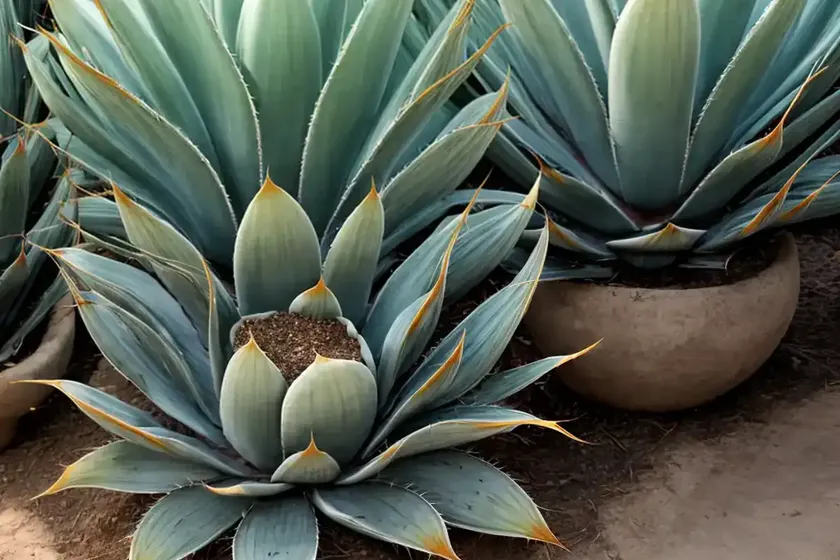
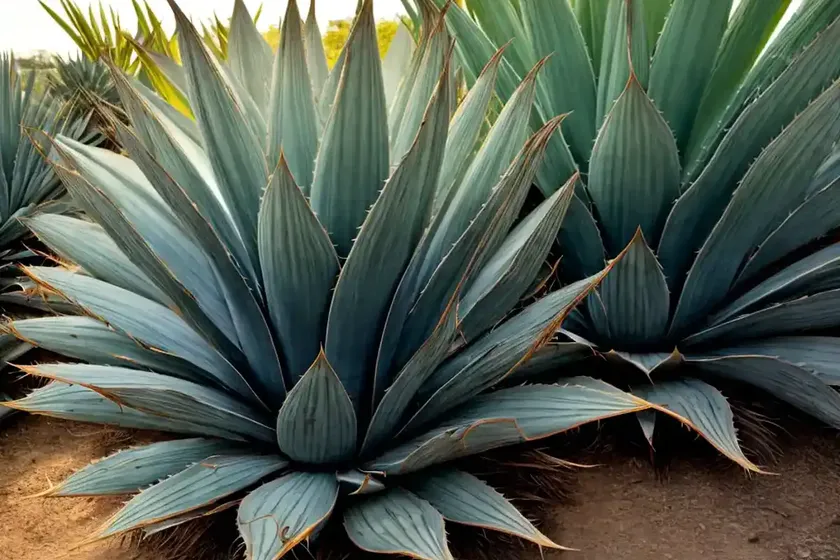
False Agave, scientifically known as Mangave ‘Moonglow’, is a stunning succulent that has been gaining popularity among plant enthusiasts for its unique aesthetics and low-maintenance characteristics. In this comprehensive plant care guide, we will delve into the various aspects of caring for False Agave, including its culture, uses, propagation, common diseases, and more. Whether you are a seasoned gardener or a beginner looking to enhance your indoor or outdoor space, this guide will equip you with the knowledge to nurture and appreciate the beauty of False Agave.
What is False Agave (Mangave ‘Moonglow’)?
False Agave, also referred to as Mangave ‘Moonglow’, is a hybrid succulent plant that is a cross between the Agave species and the Manfreda species. This hybridization has resulted in a plant that embodies the striking visual appeal of Agave while offering the resilience and adaptability of Manfreda. The name ‘Moonglow’ is derived from the plant’s unique foliage coloration, which exhibits a radiant glow in the moonlight, adding an ethereal charm to any garden or landscaping setting.
The robust and architectural structure of False Agave, coupled with its impressive drought tolerance and minimal maintenance requirements, has positioned it as a sought-after addition to both arid and temperate landscapes. The distinct rosette formation of its leaves, adorned with delicate spines along the margins, contributes to its ornamental value, making it a captivating focal point in any botanical arrangement.
Key Takeaways – False Agave (Mangave ‘Moonglow’)
Culture
- Scientific Name: Mangave ‘Moonglow’
- Common Name: False Agave
- Genus: Mangave
- Species: “Moonglow”
- Family: Asparagaceae
- Plant Type: Succulent
- Hybrid Origin: Agave × Manfreda
Uses
- Ornamental Plant: Ideal for landscaping, container gardening, and indoor cultivation
- Xeriscaping: Well-suited for water-efficient and sustainable garden designs
- Medicinal: Some traditional uses in indigenous cultures
Water
- Watering Frequency: Infrequent but deep watering during the growing season
- Drought Tolerance: High
- Water-Saving Strategies: Incorporate in water-wise garden designs
Sunlight
- Sun Exposure: Full sun to partial shade
- Sunlight Requirements: Thrives in bright, sunny conditions
- Hardiness Zone: Suitable for USDA hardiness zones 9-11
Fertilizer
- Fertilization: Minimal fertilization during the growing season
- Fertilizer Type: Balanced, low-nitrogen fertilizer suitable for succulents
Soil
- Soil Preferences: Well-draining sandy or rocky soil
- Soil pH: Tolerant of a wide range of pH levels
- Container Soil: Use a commercial cactus mix or create a custom well-draining mix
Pruning
- Maintenance: Minimal pruning required for dead or damaged leaves
- Pruning Practices: Trim dead or discolored leaves close to the base
Propagation
- Propagation Method: Offsets (pups), division, or leaf cuttings
- Propagation Medium: Suitable well-draining soil mix
- Propagation Success Rate: High under favorable conditions
Container Popularity
- Container Gardening: Well-suited for container growth indoors and on patios or balconies
- Container Size: Select a spacious container to accommodate the plant’s growth
Common Diseases
- Disease Resistance: Generally resistant to common succulent diseases
- Preventive Measures: Maintain proper air circulation and avoid overwatering
Disease Diagnosis
- Symptoms: Leaf spots, rot, or discoloration
- Treatment: Improve growing conditions, consider repotting if necessary
Common Pests
- Pest Resilience: Relatively resistant to pests
- Potential Pests: Mealybugs, aphids, and scale insects
Botanist’s Tips
- Unique Features: Remarkable foliage coloration and texture
- Garden Design: Versatile for both arid and temperate garden themes
- Cultivation Resilience: Adaptable to various environmental conditions
Fun Facts
- Ethnobotanical Significance: Traditional uses in folk medicine
- Pollinator Attraction: Attracts pollinators with its floral display
- Cultural Significance: Symbolizes resilience and adaptability
Now that we have outlined the key takeaways for False Agave (Mangave ‘Moonglow’), we will delve into each aspect in detail to provide comprehensive insights into the care and cultivation of this captivating succulent. Whether you are intrigued by its ornamental value, water-saving benefits, or unique propagation methods, this guide aims to equip you with the knowledge to foster a thriving False Agave in your botanical sanctuary.
False Agave Care
Mangave ‘Moonglow’ Characteristics
The Mangave ‘Moonglow’ exhibits distinct characteristics that distinguish it as a standout succulent in botanical collections. Understanding its unique attributes is essential for providing tailored care and harnessing its ornamental value to the fullest.
Foliage
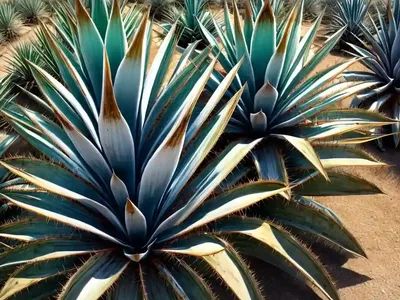
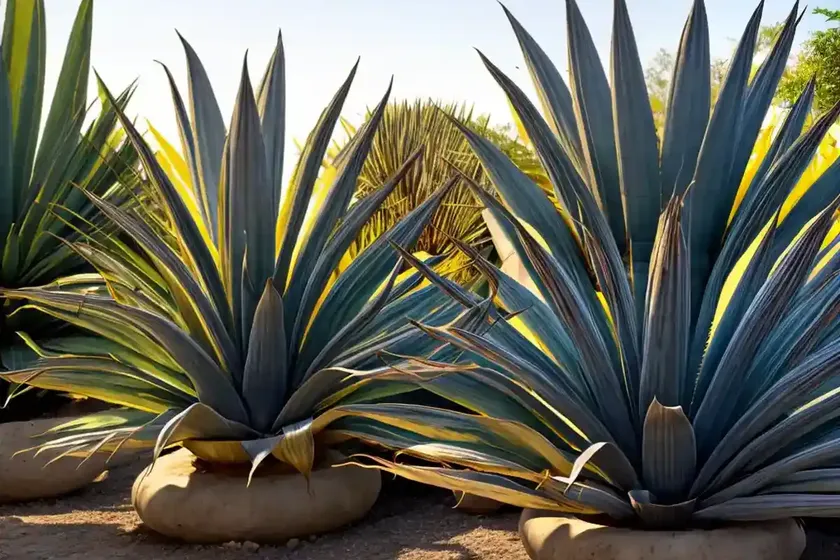
The foliage of Mangave ‘Moonglow’ forms a striking rosette with elongated, lance-shaped leaves that exhibit a glaucous, bluish-gray hue. The leaves feature intricate patterns of pale green markings and are adorned with delicate reddish-brown spines along the margins, adding to its visual intrigue. As the plant matures, the central leaves develop a notable creamy-yellow or pale golden central stripe, which intensifies in bright sunlight, creating a mesmerizing accent.
Size and Growth Habit
False Agave is often lauded for its impressive size and architectural presence in both garden landscapes and container plantings. The mature plant typically reaches a height and spread of 2-4 feet, forming a substantial clump of ornamental foliage that commands attention. The robust growth habit and sturdy structure make it an ideal choice for creating focal points in garden designs and adding dimension to succulent arrangements.
Flowers and Inflorescence
In favorable conditions, Mangave ‘Moonglow’ may produce an impressive flower spike adorned with tubular, bell-shaped flowers that encapsulate shades of cream, pale yellow, or green. The flowering period typically occurs in late spring or early summer and adds a charming floral display to the plant’s already captivating presence. The pollinator-attracting properties of its inflorescence contribute to its ecological significance and further enhance its appeal in garden settings.
With a comprehensive understanding of the distinctive characteristics of Mangave ‘Moonglow’, plant enthusiasts can appreciate the nuanced beauty of this succulent and tailor their care practices to elevate its ornamental value.
False Agave Plant
Growing Tips
Cultivating False Agave successfully entails adhering to specific growing tips that cater to its inherent resilience and water-efficient adaptations. By implementing the following guidelines, you can create an optimal environment for Mangave ‘Moonglow’ to thrive and manifest its full aesthetic potential.
1. Watering Practices
Drought Tolerance: Leveraging its innate drought tolerance, False Agave thrives in arid environments and is well-adapted to infrequent watering schedules. Prioritize deep watering sessions to promote robust root development and ensure efficient water utilization within the plant’s tissues.
Watering Frequency: Adopt a conservative approach to watering, especially during the plant’s dormancy period and in cooler winter months. While the frequency may vary based on climatic conditions and soil moisture retention, it is advisable to allow the soil to dry out partially between watering sessions to prevent waterlogged conditions.
Water-Saving Strategies: Integrate Mangave ‘Moonglow’ into xeriscaping designs and water-wise garden layouts to harness its water-saving attributes effectively. Complement its resilience with a well-planned irrigation system that minimizes water wastage and maximizes the plant’s adaptive capabilities.
2. Sunlight Preferences
Optimal Sun Exposure: Provide False Agave with abundant sunlight to facilitate robust growth and vibrant foliage coloration. Position the plant in a location that receives direct or filtered sunlight for extended durations, ensuring that it benefits from the energizing effects of solar radiation without succumbing to sunburn or heat stress.
Indoor Cultivation: When grown indoors, identify a well-lit area with ample natural light to cater to the plant’s sunlight requirements. Utilize supplementary grow lights if necessary to maintain favorable light levels and mitigate the potential for etiolation or diminished color intensity.
Hardiness Zone Considerations: Acknowledge the recommended hardiness zones for Mangave ‘Moonglow’ (zones 9-11) and align its placement with the prevailing climate conditions to optimize its exposure to sunlight and temperature regimes.
3. Soil Composition
Drainage Importance: Emphasize the significance of well-draining soil compositions to accommodate the plant’s succulent physiology and minimize the risk of waterlogged conditions. Cultivate False Agave in sandy, rocky, or cactus-specific soil mixes that facilitate rapid water percolation and root aeration.
Soil pH Flexibility: Recognize the adaptability of Mangave ‘Moonglow’ to varying soil pH levels and leverage this resilience when establishing the plant in diverse garden environments. While the plant exhibits a preference for neutral to slightly acidic pH ranges, it can thrive in moderately alkaline soils with adequate drainage provisions.
Container Soil Considerations: When cultivating False Agave in containers, curate custom soil mixes or acquire commercial cactus substrates that offer the requisite porosity and moisture regulation. Tailor the composition to optimize water retention and nutrient availability, fostering robust growth and vitality within the confines of the container.
4. Maintenance Practices
Minimal Pruning: Exercise caution when pruning False Agave, limiting interventions to the removal of dead or desiccated leaves to maintain aesthetic appeal and prevent the accumulation of decaying plant matter. Employ sanitized pruning tools to minimize the risk of transmitting pathogens and preserve the plant’s structural integrity.
Pest and Disease Vigilance: Routinely inspect the plant for signs of pest infestations or disease symptoms, promptly addressing any aberrations to safeguard its health and vitality. Adhere to cultural practices that mitigate pest pressures and optimize growing conditions to bolster the plant’s natural defenses against pathogenic threats.
5. Propagation Strategies
Multiplication Methods: Explore diverse propagation techniques, including the division of offsets (pups), leaf cuttings, and division of rhizomatous structures to expand your False Agave collection or share the plant’s beauty with fellow enthusiasts. Exercise patience and precision during propagation endeavors to ensure the successful establishment of new plantings.
Propagation Medium Considerations: Select well-draining propagation media and provide optimal moisture levels to promote the development of viable propagules and facilitate their transition to independent plant specimens. Create a conducive environment that nurtures root initiation and foliar regrowth, paving the way for robust, resilient offspring.
False Agave Varieties
The allure of False Agave extends beyond the singular allure of Mangave ‘Moonglow’, encompassing an array of captivating varieties that captivate with their individual visual motifs and growth characteristics. By exploring the diverse offerings within the False Agave lineage, enthusiasts can cultivate a dynamic, diverse succulent collection that celebrates the multifaceted charm of this botanical genus.
Mangave ‘Lavender Lady’
Mangave ‘Lavender Lady’ captivates with its striking array of hues, showcasing captivating lavender and dusky pink tones that suffuse the leaves, accentuating their ethereal beauty. The combination of vibrant coloration, robust growth habit, and drought-tolerant adaptations positions this variety as a captivating addition to arid landscapes and succulent-themed gardens.
Mangave ‘Bloodspot’
True to its name, Mangave ‘Bloodspot’ mesmerizes with dramatic splashes of deep burgundy and crimson that adorn its foliage, imbuing each leaf with a mesmerizing allure that commands attention. The juxtaposition of the rich, blood-red markings against the plant’s bluish-green base color creates a visually arresting display that underscores the variety’s ornamental appeal.
Mangave ‘Freckles and Speckles’
The whimsical charm of Mangave ‘Freckles and Speckles’ is manifested through its intricate patterning of freckles and speckles that embellish the leaves, infusing each rosette with a playful, dappled aesthetic. The delicate nuances of the variegation create a visually captivating mosaic that captivates both seasoned succulent enthusiasts and newcomers to the botanical realm.
Mangave ‘Pineapple Express’
Mangave ‘Pineapple Express’ channels tropical allure through its lush, pineapple-esque foliage featuring golden and amber variegation that evokes visions of sun-drenched island retreats. The vibrant color palette, coupled with the plant’s architectural growth form, conveys a sense of exuberance and vitality, underscoring its capacity to enliven garden settings and container arrangements.
As you explore the diverse False Agave varieties available, consider their distinct characteristics, growth requirements, and ornamental value to curate a succulent collection that exemplifies the captivating diversity within the Mangave lineage.
Mangave ‘Moonglow’ Propagation
Propagation Methods
Propagation serves as a gateway to expanding your False Agave collection and sharing the enchanting beauty of Mangave ‘Moonglow’ with other plant enthusiasts. By mastering the art of propagation, you can foster sustainable growth within your botanical enclave and contribute to the propagation and preservation of this captivating succulent.
1. Offsets (Pups)
Identification: Locate viable offsets emerging from the base of the parent plant, discerning candidates with robust root systems and foliage development that signal readiness for independent growth.
Removal: Gently separate the offsets from the parent plant, exercising care to preserve the rootstock and avoid injury to the emerging plantlet. Employ precise, controlled movements to extricate the offsets without causing undue stress to the parent plant.
Planting: Transition the offsets to appropriately sized pots or designated planting areas equipped with well-draining soil mixes, ensuring that they receive adequate moisture and illumination to facilitate seamless acclimatization.
2. Division
Rhizome Assessment: Identify segments of the plant’s rhizomatous structures that exhibit vigorous growth and possess the potential for self-sustained development.
Division Technique: Employ sanitized cutting tools to execute precise division and isolate segments of the rhizomatous structures, ensuring that each division contains viable tissue and root systems for subsequent establishment.
Transplantation: Enrich the designated planting sites with nutrient-rich soil compositions and provide optimal moisture conditions to support the division’s transition to independent growth.
3. Leaf Cuttings
Leaf Selection: Choose healthy, undamaged leaves with ample foliage and a firm, hydrated appearance, selecting specimens that exhibit resilience and vitality.
Cutting Preparation: Execute clean, angled cuts to harvest leaf cuttings, circumventing injury to the parent plant and promoting the successful propagation of the severed foliage.
Root Initiation: Integrate the leaf cuttings into well-draining propagation media and maintain consistent moisture levels to foster root initiation and foliar regrowth, nurturing the transition from cuttings to independent plants.
By embracing the diverse propagation methods available for False Agave, you can cultivate a thriving collection of Mangave ‘Moonglow’ and contribute to the proliferation of this captivating succulent within the horticultural community.
False Agave Species
The expansive diversity of False Agave encompasses an array of species that demonstrate distinct growth habits, ornamental features, and adaptive characteristics. By acquainting yourself with the captivating False Agave species available, you can broaden your botanical horizons and appreciate the nuanced beauty inherent in this revered succulent genus.
Mangave ‘Espresso’
Mangave ‘Espresso’ enthralls with its enigmatic, coffee-hued foliage that exudes an aura of understated elegance and sophistication. The rich, chocolate-infused tones of its leaves create a captivating contrast against the plant’s rosette form, establishing a visually arresting presence in ornamental arrangements and xeriscape designs.
Mangave ‘Inkblot’
Mangave ‘Inkblot’ captivates with its mesmerizing display of diverse variegation patterns that evoke the imagery of inkblots on parchment, creating a sense of whimsy and intrigue. The interplay of creamy-white, lavender, and dusky violet markings across the plant’s foliage yields a visually stunning mosaic that commands attention in any botanical setting.
Mangave ‘Silver Fox’
Mangave ‘Silver Fox’ captivates with its ethereal, silver-gray foliage that emanates a sense of timeless grace and understated allure. The luminous, silvery sheen of its leaves imbues the plant with a captivating radiance, creating a visually striking centerpiece for succulent-themed gardens and contemporary landscaping schemes.
Mangave ‘Lemon Lime’
Mangave ‘Lemon Lime’ enchants with its vibrant, lemony coloration that infuses the leaves with a fresh, citrus-inspired vibrancy, evoking visions of sun-soaked orchards and verdant meadows. The luminous, chartreuse hues of its foliage radiate vitality and exuberance, enlivening garden compositions and container plantings with their effervescent charm.
By exploring the diverse False Agave species available, plant enthusiasts can gain a deeper appreciation for the botanical diversity within this revered succulent genus, fostering a sense of wonder and admiration for the multifaceted beauty showcased by each species.
Mangave ‘Moonglow’ Care Guide
False Agave Gardening
Cultivating Mangave ‘Moonglow’ within your botanical sanctuary entails embracing the essential care guidelines that optimize its growth, resilience, and ornamental value. By adhering to the following care principles, you can foster a thriving False Agave specimen and showcase its captivating allure within your garden landscapes and container arrangements.
1. Watering Best Practices
Drought Tolerance: Recognize False Agave’s innate drought tolerance and tailor your watering practices to align with its physiological adaptations, minimizing overwatering and promoting water-efficient growth.
Monitoring Moisture Levels: Assess the soil moisture content regularly, allowing the soil to partially dry out between watering sessions to accommodate the plant’s water-saving mechanisms and prevent rot-related ailments.
Seasonal Adjustments: Adjust your watering frequency based on seasonal fluctuations, moderating moisture provisions during cooler months and promoting deep watering sessions during the active growing season to sustain robust growth.
2. Sun Exposure
Optimal Illumination: Position Mangave ‘Moonglow’ in locations that receive ample direct or filtered sunlight, maximizing its exposure to radiant solar energy without subjecting it to prolonged periods of intense heat and UV radiation.
Hardiness Zone Considerations: Tailor the plant’s placement to align with the recommended hardiness zones (9-11), leveraging its adaptability to thrive within the specified climate ranges and solar regimes.
Indoor Cultivation: If cultivating False Agave indoors, identify well-lit areas that receive abundant natural light, supplementing with grow lights as needed to sustain optimal light levels for the plant’s growth and coloration.
3. Soil Enrichment
Drainage Priority: Emphasize the importance