Ti Leaf (Cordyline Fruticosa)
In the realm of flora, the ti leaf (Cordyline fruticosa) stands out not only for its vibrant foliage but also for its multifaceted cultural significance.

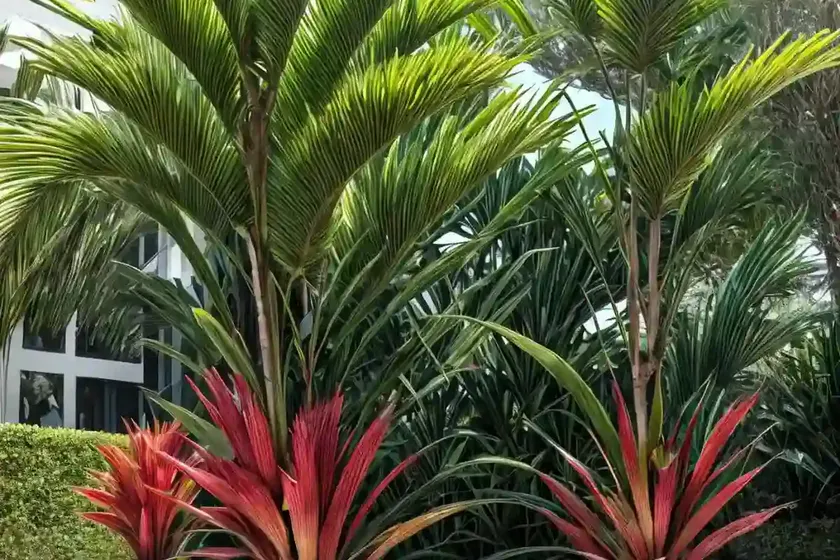
In the realm of flora, the ti leaf (Cordyline fruticosa) stands out not only for its vibrant foliage but also for its multifaceted cultural significance and diverse uses. This tropical plant, also known as the Hawaiian ti plant, has captured the interest of plant enthusiasts, horticulturists, and those interested in traditional medicine and folklore. Let’s delve into the intricacies of the ti leaf plant, exploring its cultivation, uses, and unique cultural and symbolic implications.
What is the Ti Leaf (Cordyline fruticosa)?
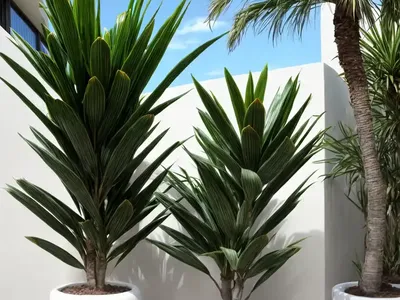
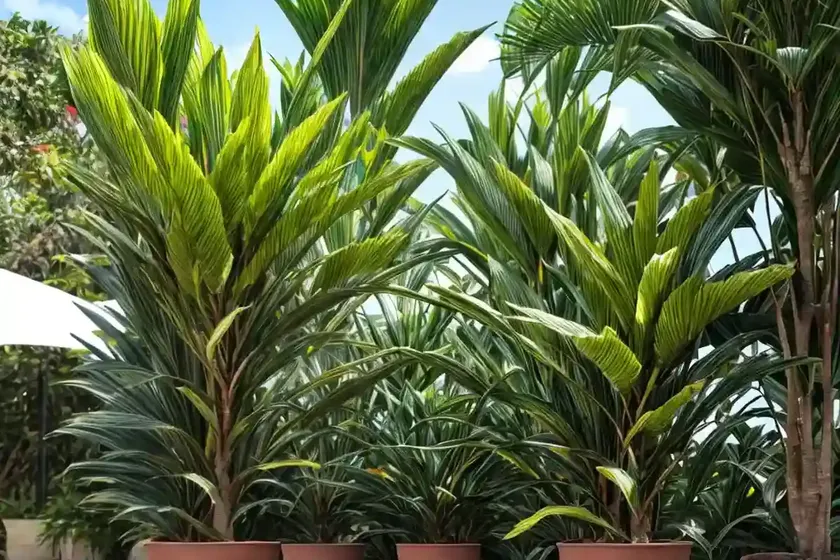
The ti leaf, scientifically referred to as Cordyline fruticosa, is a perennial evergreen that belongs to the Asparagaceae family. Characterized by its striking lance-shaped leaves and vibrant hues, this ornamental plant is native to Southeast Asia and the Pacific. It has also become deeply entrenched in Hawaiian culture, where it is valued for its spiritual and ceremonial significance.
Key Takeaways – Ti Leaf (Cordyline fruticosa)
Before we venture deeper into the realms of ti leaf cultivation and cultural significance, let’s take a moment to summarize some key takeaways about the plant:
- The ti leaf, also referred to as Cordyline fruticosa, is a tropical plant known for its striking lance-shaped leaves and vibrant colors.
- It holds significant cultural and symbolic connotations, especially in Hawaiian traditions.
- The ti leaf is versatile and finds application in landscaping, traditional medicine, and even culinary practices.
- Proper care, including attention to water, sunlight, soil, and pruning, is essential for optimal growth and health.
Now, let’s venture into the various dimensions of the ti leaf plant, from its cultural significance to its cultivation and uses.
Cultivation of Ti Leaf (Cordyline fruticosa)
Cultivating the ti leaf plant requires attention to various environmental factors and care routines. Here’s an overview of the key aspects to consider when nurturing this tropical beauty:
Water
The ti leaf thrives in consistently moist but well-drained soil. During the growing season, it’s crucial to maintain a regular watering schedule, ensuring the soil remains evenly moist. However, it’s equally important to avoid waterlogging, which can lead to root rot and other issues. During the winter months, the watering frequency can be reduced, allowing the soil to dry out slightly between waterings.
Sunlight
As a lover of tropical climates, the ti leaf prefers bright, indirect sunlight. While it can adapt to partial shade, providing ample light will promote vibrant foliage and overall plant health. If grown indoors, placing the ti leaf near east- or west-facing windows can offer an ideal balance of light exposure.
Fertilizer
During the growing season, which typically spans from spring to early fall, regular feeding with a balanced, water-soluble fertilizer can bolster the growth and vibrancy of the ti leaf. This can be applied every 4-6 weeks to provide the necessary nutrients for robust foliage and overall plant vigor.
Soil
The ti leaf flourishes in well-draining, slightly acidic to neutral soil. A mix that includes peat moss and perlite can offer the ideal texture and drainage capabilities. Additionally, ensuring the pot or planting area has adequate drainage holes can prevent waterlogging and related issues.
Pruning
Pruning the ti leaf is primarily focused on the removal of any discolored, damaged, or overgrown leaves. Regular tidying of the plant can help maintain its aesthetic appeal and prevent the accumulation of debris that could invite pests and diseases.
Propagation of Ti Leaf (Cordyline fruticosa)
Propagating the ti leaf can be achieved through stem cuttings or division of the root ball. Both methods can result in successful propagation, offering opportunities to expand your ti leaf collection or share the plant with fellow enthusiasts.
- Stem Cuttings: Select a healthy stem from the parent plant and make a clean cut just below a node. The cutting can then be placed in a well-draining potting mix and kept consistently moist until new roots develop.
- Division: When repotting a mature ti leaf plant, the root ball can be carefully divided, ensuring that each division retains a healthy portion of roots and foliage. These divisions can be transplanted into separate containers or locations to establish new plants.
Container Popularity
The ti leaf’s striking foliage and adaptability make it a popular choice for container gardening, both indoors and outdoors. Its vibrant leaves can add an exotic touch to interior spaces, while outdoor containers can be elevated with the plant’s colorful and versatile presence.
Common Diseases and Pests
While the ti leaf is generally robust, it can be susceptible to certain pests and diseases. Being vigilant about the following potential issues can help maintain the ti leaf’s health and vibrancy:
Common Diseases
- Root Rot: This can occur if the ti leaf is overwatered or if the soil lacks adequate drainage. Symptoms may include yellowing leaves and a foul odor emanating from the soil.
- Leaf Spot: Fungal infections can lead to the appearance of dark spots on the leaves. Ensuring proper air circulation and avoiding overhead watering can help prevent this issue.
Common Pests
- Aphids: These tiny insects can gather on the undersides of the ti leaf’s leaves, sucking sap and potentially causing leaf curling and yellowing.
- Spider Mites: These pests can produce fine webbing on the plant, often accompanied by stippling on the leaves, indicating their presence.
Botanist’s Tips for Ti Leaf (Cordyline fruticosa)
In order to ensure the successful growth and vibrancy of the ti leaf, here are a few expert tips to consider:
- Provide consistent, moderate humidity, especially when growing the ti leaf indoors.
- Regularly inspect the foliage for signs of pests and diseases, addressing any issues promptly to prevent their escalation.
- Consider rotating the plant periodically to ensure even exposure to sunlight, promoting uniform growth and leaf coloring.
Fun Facts about the Ti Leaf (Cordyline fruticosa)
Before we further explore the cultural significance and uses of the ti leaf, let’s delve into some captivating fun facts about this tropical beauty:
- The ti leaf has been historically intertwined with Hawaiian culture, featuring prominently in various traditions, ceremonies, and folklore.
- In addition to its ceremonial uses, the ti leaf has also found application in traditional medicine and culinary practices in regions where it is cultivated.
- The vibrant leaves of the ti plant have inspired its use in decorations, crafts, and even natural dyes.
Now, armed with an understanding of the ti leaf’s cultivation and potential challenges, let’s journey into the plant’s rich cultural and symbolic implications.
Cultural and Symbolic Significance of the Ti Leaf (Cordyline fruticosa)
The ti leaf holds immense cultural and symbolic significance, particularly in Hawaiian traditions where it has been revered for its versatile uses and spiritual connotations.
Traditional Uses
In Hawaiian culture, the ti leaf has been employed in diverse ways, from its use in ceremonies and blessings to its application in crafts, hula, and even as a food wrapper. The practice of presenting lei made from ti leaves signifies respect, honor, and affection, underscoring its deep-rooted cultural significance.
Symbolism and Folklore
The ti leaf is entwined with numerous symbols and spiritual meanings in Hawaiian folklore. It is associated with protection, good fortune, and blessings, often utilized in rituals to ward off negative energy and promote positive vibrations. The presence of the ti leaf in ceremonies, such as weddings and house blessings, underscores its role as a symbol of prosperity and protection.
Medicinal and Decorative Uses
Beyond its cultural and symbolic implications, the ti leaf has been utilized for its purported medicinal properties. In traditional medicine, the plant has been used for various treatments, addressing ailments ranging from skin conditions to internal imbalances. Moreover, its vibrant foliage has inspired its use in decorations, particularly in the crafting of traditional Hawaiian hula skirts and other ornamental items.
Ti Leaf (Cordyline fruticosa) in Modern Context
While the ti leaf continues to hold great significance in traditional and cultural contexts, its vibrant foliage and versatility have also caught the eye of modern enthusiasts and horticulturists. Here are some contemporary uses and applications of the ti leaf:
Ornamental Landscaping
The ti leaf’s colorful and dramatic foliage makes it a prized addition to tropical gardens and landscapes, where it can serve as a focal point or contribute to lush, exotic aesthetics. Its adaptability to container gardening has further expanded its appeal, making it an attractive choice for interior and exterior decor.
Culinary and Medicinal Exploration
Beyond its traditional uses, contemporary interest in natural remedies and traditional cuisines has spurred a reexamination of the ti leaf’s potential. From crafting herbal infusions to exploring its culinary dimensions in traditional Hawaiian dishes, the ti leaf continues to intrigue and inspire experimentation.
Indoor Elegance
Within interior spaces, the ti leaf’s bright and vivid leaves bring a pop of greenery, injecting vibrant energy and exotic charm. Whether as a standalone plant or as part of a curated indoor jungle, the ti leaf adds a tropical flair to homes and workplaces.
Botanist’s Recommendations: Ti Leaf (Cordyline fruticosa)
To continue to cherish the ti leaf and help it thrive in contemporary settings, here are some recommendations from botanists and horticulturists:
- Embrace the ti leaf’s versatility by incorporating it into both indoor and outdoor landscapes, capitalizing on its ornamental appeal and cultural resonance.
- Respect and seek to learn from the deep-rooted cultural significance of the ti leaf, acknowledging its role beyond mere botanical beauty.
- Explore the plethora of uses and applications of the ti leaf, from medicinal remedies to decorative crafts, to fully appreciate its multifaceted nature.
Conclusion
In conclusion, the ti leaf (Cordyline fruticosa) emerges not only as a botanical wonder with captivating foliage but also as a plant deeply intertwined with cultural traditions and spiritual significance. Its lush vibrancy, versatile applications, and rich folklore continue to enchant plant enthusiasts, fostering a deep appreciation for its multidimensional nature.
As we nurture and celebrate the ti leaf, let’s keep in mind its profound cultural significance and embrace its diverse uses, ensuring that this tropical gem continues to flourish and inspire for generations to come.