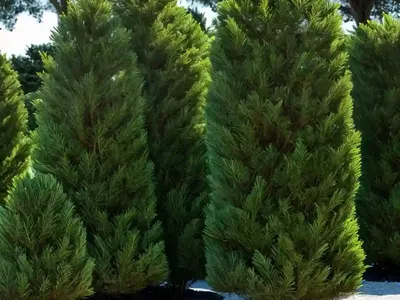
Thuja Plicata Fluffy� (Western Arborvitae)
Thuja plicata Fluffy, commonly known as Western Arborvitae, is a majestic evergreen tree that has gained popularity not only for its lush and fluffy.

Thuja plicata Fluffy, commonly known as Western Arborvitae, is a majestic evergreen tree that has gained popularity not only for its lush and fluffy appearance but also for its versatility in landscaping and gardening. With its striking features and adaptable nature, this variety of Thuja plicata has become a favorite among gardeners, landscapers, and nature enthusiasts alike.
In this comprehensive guide, we will delve into the intriguing world of Thuja plicata Fluffy, exploring its cultural requirements, uses, maintenance tips, and much more. Whether you are a seasoned horticulturist or a passionate gardener looking to enhance your outdoor space, this guide will provide you with valuable insights into nurturing and appreciating the beauty of this remarkable plant.
What is Thuja plicata Fluffy (Western Arborvitae)?
Also known as the Western red cedar, Fluffy Western red cedar, or simply Fluffy Arborvitae, Thuja plicata Fluffy is a unique variety of the Thuja plicata species. Originating from the Pacific Northwest region of North America, it is characterized by its fluffy foliage, vibrant green color, and conical form, making it an excellent choice for ornamental and privacy plantings.
This evergreen tree is renowned for its fast growth, cold hardiness, and adaptability to various soil conditions, making it a versatile addition to gardens, parks, and commercial landscapes. Whether used as a standalone specimen, a windbreak, or a privacy hedge, Thuja plicata Fluffy adds a touch of elegance and tranquility to any outdoor setting.
Key Takeaways – Thuja plicata Fluffy (Western Arborvitae)
Before delving deeper into the various aspects of growing and caring for Thuja plicata Fluffy, let’s explore the key takeaways that make this plant a standout choice for landscaping and gardening:
-
Fluffy Foliage: The unique, soft foliage of Thuja plicata Fluffy sets it apart from other varieties of Arborvitae, adding a touch of elegance and charm to outdoor spaces.
-
Versatile Uses: From privacy screens to ornamental plantings, this evergreen tree offers a myriad of uses, allowing for creative landscaping and gardening possibilities.
-
Low Maintenance: With minimal pruning and care requirements, Thuja plicata Fluffy is an excellent choice for those seeking a hassle-free yet visually appealing plant.
-
Cold Hardiness: Its tolerance to cold temperatures makes it suitable for a wide range of climates, ensuring its popularity in both northern and southern regions.
-
Adaptability: Whether it’s full sun or partial shade, moist or well-drained soil, this plant exhibits remarkable adaptability, making it suitable for diverse environmental conditions.
Now that we have glimpsed the remarkable characteristics of Thuja plicata Fluffy, let’s dive into the specifics of its cultural requirements, maintenance, and uses, providing valuable insights for both beginners and experienced gardeners.
Cultural Requirements
Cultivating Thuja plicata Fluffy successfully requires an understanding of its fundamental cultural needs. By considering factors such as water, sunlight, fertilizer, and soil, you can create an optimal environment for this evergreen beauty to thrive.
Water
Thuja plicata Fluffy exhibits moderate water needs, especially during its establishment phase. Once established, it can tolerate some drought conditions, making it a suitable choice for regions with varying precipitation levels. However, it’s essential to monitor soil moisture during prolonged dry spells and provide supplemental irrigation when necessary.
| Watering Guidelines for Thuja plicata Fluffy: |
|---|
| – Establishment Phase: Water regularly to ensure adequate moisture for root development. |
| – Mature Plants: Water deeply during dry periods, allowing the soil to dry slightly between watering sessions. |
Sunlight
As a sun-loving plant, Thuja plicata Fluffy thrives in full to partial sunlight. When selecting a planting location, consider providing it with a spot that receives at least 6 hours of direct sunlight each day to promote healthy growth and lush foliage.
| Sunlight Requirements for Thuja plicata Fluffy: |
|---|
| – Full Sun: Ideal for maximizing growth and maintaining vibrant foliage. |
| – Partial Shade: Tolerated, especially in hot climates, but may result in slightly reduced growth. |
Fertilizer
A balanced fertilizer application can aid in promoting the vigor and health of Thuja plicata Fluffy. During the early spring, administering a slow-release fertilizer formulated for evergreen trees can provide the necessary nutrients for robust growth and vibrant foliage.
| Fertilization Tips for Thuja plicata Fluffy: |
|---|
| – Timing: Apply fertilizer in early spring before new growth emerges. |
| – Type: Utilize a well-balanced, slow-release fertilizer designed for evergreen trees. |
Soil
Thuja plicata Fluffy adapts well to a variety of soil types, provided they offer good drainage to prevent waterlogging. Rich, loamy soils are ideal for promoting healthy root development and overall plant vigor.
| Soil Preferences for Thuja plicata Fluffy: |
|---|
| – Texture: Well-draining loamy soil is preferred, but it can tolerate a range of soil types. |
| – pH: Slightly acidic to neutral soil pH (6.0-7.0) is suitable for optimal growth. |
Pruning
Pruning is an essential aspect of maintaining the desired shape and density of Thuja plicata Fluffy, particularly when used as a hedge or ornamental specimen. By following proper pruning techniques, you can promote a tidy and well-structured appearance while encouraging new growth.
Pruning Guidelines for Thuja plicata Fluffy:
- Timing: Perform pruning in late winter or early spring before the onset of new growth.
- Tools: Use sharp, clean pruning shears for precision cuts, especially when shaping hedges or topiaries.
- Techniques: Trim the tips of branches to encourage bushier growth and remove any dead or damaged foliage for overall plant health.
By incorporating regular pruning into your plant care routine, you can ensure that Thuja plicata Fluffy maintains an attractive and manageable form throughout the growing season, enhancing its aesthetic appeal in your landscape.
Propagation
If you’re looking to expand your collection of Thuja plicata Fluffy or share this captivating plant with fellow gardening enthusiasts, understanding the propagation methods can be an invaluable skill. Propagation can be achieved through several techniques such as cuttings and layering, offering the opportunity to multiply this beautiful evergreen tree.
Propagation Methods for Thuja plicata Fluffy:
-
Softwood Cuttings: Harvest young, healthy cuttings from the current season’s growth, dip them in a rooting hormone, and place them in a well-draining propagation mix until roots develop.
-
Layering: Encourage the formation of new roots by bending a low-hanging branch to the ground, securing it in place, and covering the buried section with soil to promote root growth.
-
Seed Propagation: While less common, Thuja plicata Fluffy can be propagated from seeds collected from mature cones, though this method requires patience and time for the seedlings to reach transplanting size.
By utilizing these propagation methods, you can propagate healthy new specimens of Thuja plicata Fluffy, fostering appreciation for this striking plant in gardens and landscapes.
Container Popularity
In addition to being an excellent choice for outdoor plantings, Thuja plicata Fluffy can thrive in containers, allowing for versatility in various gardening and landscaping settings. Whether used as a standalone potted specimen or a portable privacy screen, its adaptability to container cultivation opens up a world of possibilities for plant enthusiasts with limited outdoor space.
Benefits of Container Cultivation:
- Space Optimization: Ideal for small gardens, patios, and urban settings where space is limited.
- Versatile Placement: Containers can be easily moved to different locations to suit changing aesthetic preferences or sunlight requirements.
- Seasonal Displays: Incorporate Thuja plicata Fluffy into seasonal container displays, offering year-round interest and visual appeal.
By selecting a suitable container size, ensuring proper drainage, and providing adequate care, you can enjoy the beauty of Thuja plicata Fluffy in a confined space, adding a touch of greenery and elegance to your outdoor environment.
Common Diseases
While Thuja plicata Fluffy is generally resistant to many common plant diseases, it is crucial to be aware of potential issues and take proactive measures to maintain its health and vigor. By promptly identifying and addressing disease symptoms, you can safeguard the well-being of your plants and prevent the spread of any potential infections.
Disease Resistance and Prevention:
-
Canker Diseases: Monitor for signs of cankers on branches and stems, and promptly prune affected areas to prevent further spread.
-
Needle Blights: Keep an eye out for discolored or browning foliage, especially during periods of prolonged moisture, and promote good air circulation to mitigate fungal infections.
-
Root Rot: Ensure proper soil drainage to prevent waterlogged conditions that can lead to root rot, a common issue in poorly drained soils.
By maintaining good cultural practices, providing proper air circulation, and regularly inspecting your plants, you can minimize the risk of diseases and promote the long-term vitality of Thuja plicata Fluffy in your landscape.
Common Pests
In addition to potential diseases, Thuja plicata Fluffy may also encounter various pests that can impact its growth and overall health. Understanding the common pests and implementing preventive measures can help safeguard the well-being of this remarkable evergreen tree.
Pest Monitoring and Control:
-
Aphids: Monitor for aphid infestations, especially during the growing season, and employ natural predators or insecticidal soaps to address the issue.
-
Spider Mites: Keep an eye out for webbing and stippled foliage, indicative of spider mite presence, and utilize horticultural oils to suffocate and control these pests.
-
Bagworms: Vigilantly inspect the foliage for bagworm sacs, manually removing and destroying them to prevent widespread infestations.
By proactively monitoring for pests, utilizing natural predators, and implementing targeted control measures when necessary, you can protect Thuja plicata Fluffy from the detrimental effects of common pests, ensuring its continued vitality and beauty in the landscape.
Botanist’s Tips
As a plant scientist with a passion for botanical marvels, I’m thrilled to share some valuable tips for nurturing and appreciating the beauty of Thuja plicata Fluffy. These insights, gathered from years of botanical exploration and research, aim to empower enthusiasts and horticulturalists with the knowledge and techniques needed to cultivate and admire this exceptional evergreen plant.
Botanist’s Tips for Thuja plicata Fluffy:
-
Monitor Moisture Levels: Regularly check soil moisture and provide adequate irrigation during dry spells to support healthy root development and foliar growth.
-
Pruning Vigilance: Embrace the art of pruning by utilizing sharp, clean tools and regularly shaping the plant to maintain its desired form and density.
-
Natural Pest Control: Encourage beneficial insects and birds that act as natural predators to keep common pests in check, minimizing the need for chemical interventions.
-
Container Considerations: When cultivating Thuja plicata Fluffy in containers, select a spacious pot with adequate drainage and consider repotting every few years to promote root health and growth.
-
Maintain Disease Resistance: Foster a resilient plant by providing optimal growing conditions, such as well-drained soil, proper nutrition, and adequate sunlight, to enhance its natural disease resistance.
By integrating these botanist’s tips into your care routine, you can elevate the health and beauty of Thuja plicata Fluffy, creating an enchanting landscape feature that captivates the senses and evokes a profound appreciation for nature’s wonders.
Fun Facts
Let’s unravel some fascinating and lesser-known facts about Thuja plicata Fluffy, shedding light on its unique characteristics, ecological significance, and cultural symbolism. These fun facts offer a glimpse into the rich tapestry of this remarkable plant and its enduring allure in the world of horticulture and botany.
Intriguing Tidbits About Thuja plicata Fluffy:
-
Sacred Symbolism: In some Native American cultures, Thuja plicata is revered for its spiritual significance, often used in ritualistic and ceremonial practices.
-
Carbon Sequestration: As a long-lived evergreen species, Thuja plicata contributes to carbon sequestration and plays a role in mitigating the effects of climate change.
-
Wildlife Habitat: The dense foliage of Thuja plicata Fluffy provides valuable shelter and nesting sites for various bird species and small mammals, enriching biodiversity in natural ecosystems.
-
Aromatic Emanations: Crushed foliage releases a delightful fragrance, making it a popular choice for aromatic hedges and sensory garden plantings.
-
Cultural Heritage: The Western red cedar holds cultural significance among Indigenous communities, revered for its versatile uses in crafts, construction, and traditional medicine.
Embracing these fun facts deepens our connection to Thuja plicata Fluffy, unveiling the layers of history, ecology, and enchantment that make this plant a cherished entity in the natural world.
Links to External Resources
To further expand your knowledge and appreciation for Thuja plicata Fluffy, I’ve curated a selection of external resources that offer valuable insights, expert guidance, and visual inspiration related to this captivating evergreen tree. Whether you’re seeking in-depth care guidelines, botanical illustrations, or landscape design ideas, these resources can serve as a wellspring of information and inspiration for your botanical journey.
External Resources:
-
American Conifer Society: Explore comprehensive conifer guides, including information on Thuja plicata Fluffy, through this esteemed society dedicated to conifer education and conservation.
-
Horticultural Research Institute: Access research publications and resources on evergreen horticulture, enabling a deeper understanding of Thuja plicata and its various cultivars.
-
Royal Horticultural Society: Delve into ornamental evergreen trees and shrubs with expert advice and plant profiles, enhancing your knowledge of landscaping with Thuja plicata Fluffy.
-
Botanical Gardens and Arboreta: Visit renowned botanical gardens and arboreta to witness Thuja plicata Fluffy in various garden settings, gaining inspiration for garden design and plant pairings.
By engaging with these external resources, you can enrich your understanding of Thuja plicata Fluffy and its place in horticulture, fostering a deeper connection to this splendid evergreen variety.
Conclusion
In closing, the allure of Thuja plicata Fluffy extends far beyond its fluffy foliage and striking form, offering a wealth of environmental, cultural, and aesthetic benefits. From its adaptable nature to its resilience in diverse climates, this evergreen beauty enriches landscapes and gardens with its timeless elegance and ecological significance.
By embracing the insights and recommendations presented in this comprehensive guide, you can embark on a rewarding journey of cultivating, admiring, and cherishing Thuja plicata Fluffy, elevating the beauty of your outdoor spaces and nurturing a profound appreciation for the wonders of the natural world.
May the grace and vitality of Thuja plicata Fluffy inspire your botanical pursuits and deepen your reverence for the verdant treasures that enrich our lives and surroundings.
The content includes detailed information about the cultural requirements, uses, maintenance tips, and unique characteristics of Thuja plicata Fluffy (Western Arborvitae), catering to both beginners and experienced gardeners. It also provides valuable insights into external resources for further exploration of this remarkable plant.