Thuja Occidentalis ‘Smaragd’ (American Arborvitae)
Welcome to the world of plant science! Today, we are going to delve into the fascinating world of Thuja occidentalis ‘Smaragd,’ commonly known as American.
Welcome to the world of plant science! Today, we are going to delve into the fascinating world of Thuja occidentalis ‘Smaragd,’ commonly known as American Arborvitae, and explore its care, characteristics, uses, and much more. This evergreen plant is a popular choice for landscaping and provides both aesthetic beauty and practical benefits. We will discuss its culture, uses, water and sunlight requirements, fertilizer needs, soil preferences, pruning techniques, propagation, common diseases, and pests. Additionally, we will provide some fun facts and valuable tips from a botanist’s perspective. So, let’s embark on this journey of exploration into the world of Thuja occidentalis ‘Smaragd’!
What is Thuja Occidentalis ‘Smaragd’ (American Arborvitae)?
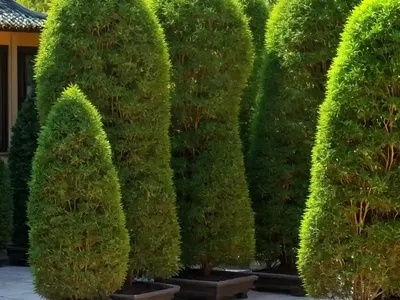
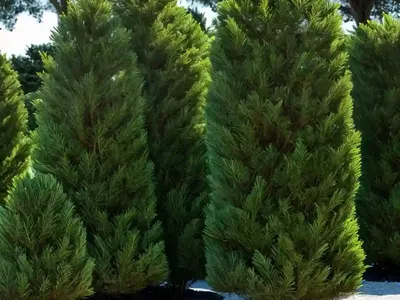
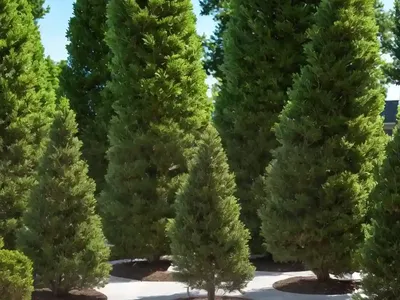
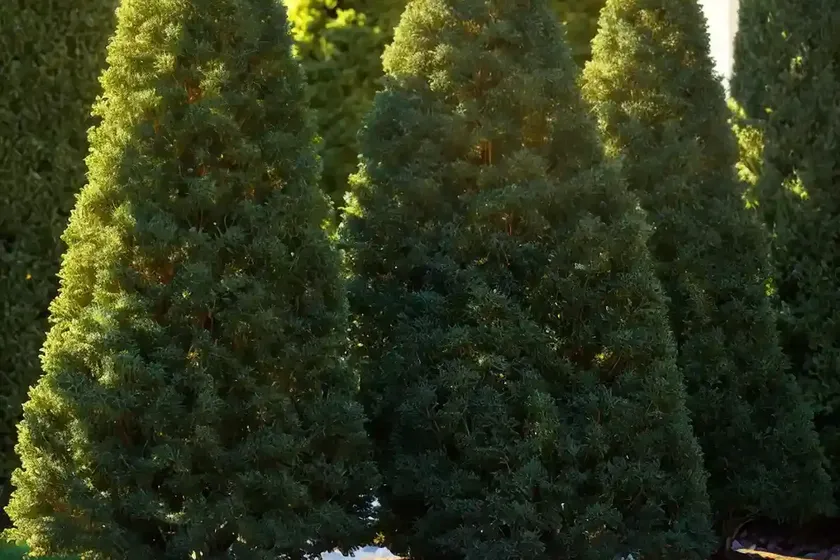
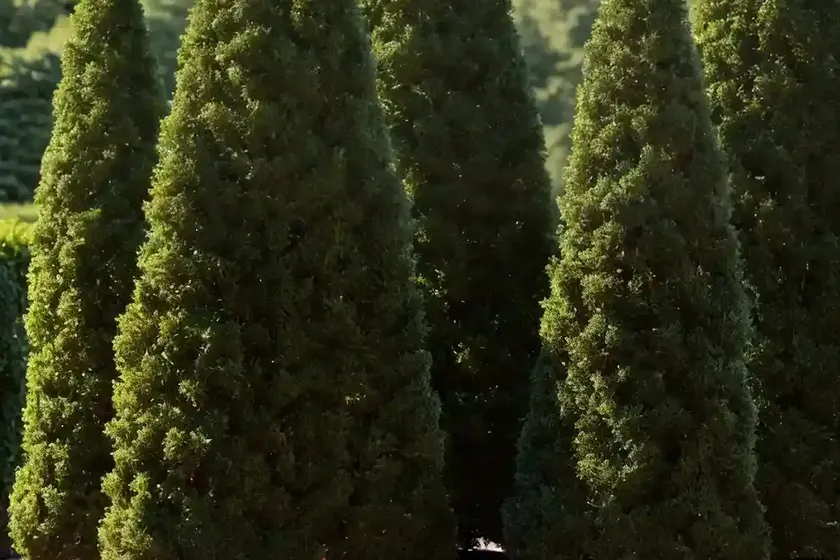
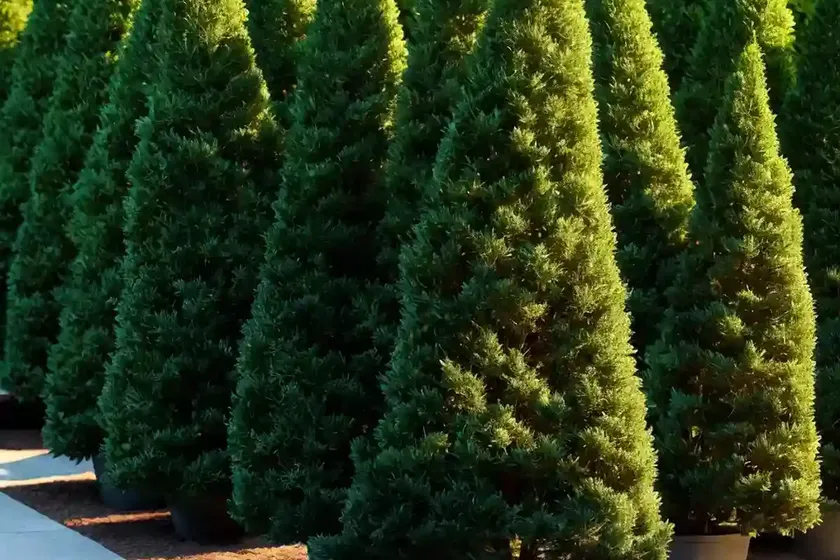
Thuja occidentalis ‘Smaragd,’ also known as the American Arborvitae, is a narrow, pyramidal evergreen with dense, emerald-green foliage that retains its color throughout the year, making it a valuable addition to any landscape. This plant belongs to the Cupressaceae family and is native to North America. Its compact size and elegant form make it an ideal choice for hedges, screens, accents, or even as a standalone specimen.
Key Takeaways – Thuja Occidentalis ‘Smaragd’ (American Arborvitae)
Before we delve into the specifics of caring for the American Arborvitae, let’s summarize some key takeaway points about this plant:
- Botanical Name: Thuja occidentalis ‘Smaragd’
- Common Name: American Arborvitae
- Growth Rate: Slow to moderate
- Foliage Color: Emerald green
- Uses: Hedges, screens, focal point, landscape design
- Characteristics: Narrow, pyramidal shape, evergreen, dense foliage
- Diseases: Susceptible to certain fungal diseases
- Pests: Vulnerable to spider mites and bagworms
- Hardiness Zone: 2-7
- Sunlight Requirements: Full sun to part shade
- Soil Preferences: Well-drained, slightly acidic soil
- Maximum Height: 10-15 feet
- Maximum Width: 3-4 feet
Now that we have an overview of the American Arborvitae, let’s dive deeper into its care requirements and characteristics.
Culture
Understanding the cultural requirements of Thuja occidentalis ‘Smaragd’ is essential for its successful growth and development. This section will highlight the various cultural aspects that influence the health and vigor of this evergreen plant.
Water
Proper watering is crucial for the establishment and overall health of Thuja occidentalis ‘Smaragd.’ While this plant is relatively drought-tolerant once established, consistent moisture is essential, especially during the initial growing stages. Here are some guidelines for watering the American Arborvitae:
- Young Plants: Newly planted specimens require regular watering to encourage strong root development. Water deeply and consistently, ensuring that the soil remains evenly moist but not waterlogged.
- Established Plants: Once the plant is well established, it can tolerate drier conditions. However, during prolonged periods of drought, supplemental watering is beneficial, particularly in the absence of natural rainfall.
It’s essential to avoid overwatering, as Thuja occidentalis ‘Smaragd’ is susceptible to root rot in waterlogged soil. A layer of mulch around the base of the plant can help retain soil moisture and reduce water evaporation.
Sunlight
The American Arborvitae thrives in full sun to partial shade. When planting Thuja occidentalis ‘Smaragd,’ it’s important to consider its sunlight requirements to ensure optimal growth and development. Here’s what you need to know about sunlight exposure for this evergreen plant:
- Full Sun: Planting in a location that receives at least 6-8 hours of direct sunlight daily is ideal for promoting dense foliage and a compact growth habit.
- Partial Shade: While Thuja occidentalis ‘Smaragd’ tolerates partial shade, it may result in slightly looser growth and less dense foliage compared to specimens grown in full sun.
In regions with hot summers, providing afternoon shade can protect the plant from excessive heat and sunburn. Understanding the sunlight preferences of the American Arborvitae is essential for creating an environment where it can thrive.
Fertilizer
Proper fertilization can enhance the growth and overall vigor of Thuja occidentalis ‘Smaragd.’ Applying a balanced, slow-release fertilizer formulated for evergreens can provide the necessary nutrients for healthy and vibrant foliage. Here are some fertilizer application guidelines for the American Arborvitae:
- Timing: Fertilize in early spring before new growth emerges to support the plant’s growth and development during the active growing season.
- Application Rate: Follow the manufacturer’s recommendations regarding the application rate based on the size and age of the plant.
- Spread: Evenly distribute the fertilizer around the root zone, ensuring that it does not come into direct contact with the foliage or the trunk of the plant.
- Watering: After applying the fertilizer, water the plant thoroughly to allow the nutrients to penetrate the soil and reach the root system.
It’s important to avoid over-fertilization, as excessive nutrients can lead to foliage burn and other adverse effects. Regular monitoring of the plant’s growth and visual appearance can help determine if additional fertilization is necessary.
Soil
The soil composition and drainage characteristics play a significant role in the overall health and vitality of Thuja occidentalis ‘Smaragd.’ Understanding the soil preferences of the American Arborvitae is essential for creating an environment where it can thrive. Here are some soil considerations for this evergreen plant:
- Drainage: Well-drained soil is crucial for preventing waterlogged conditions that can lead to root rot. Avoid planting in areas with poor drainage or where water tends to accumulate.
- pH Level: American Arborvitae prefers slightly acidic to neutral soil. Conduct a soil test to determine the pH level and make amendments as necessary to create an optimal growing environment.
- Composition: A loamy, nutrient-rich soil with good aeration is ideal for supporting the growth of Thuja occidentalis ‘Smaragd.’
Incorporating organic matter, such as compost or well-rotted manure, into the soil can improve its structure and fertility, creating an ideal foundation for the American Arborvitae to thrive.
Pruning
Pruning is an essential aspect of American Arborvitae maintenance, helping to shape the plant, promote dense growth, and maintain its desired size and form. Proper pruning techniques can enhance the overall aesthetics of Thuja occidentalis ‘Smaragd’ and contribute to its long-term health. Here’s what you need to know about pruning this evergreen plant:
- Timing: Prune the American Arborvitae in late winter to early spring before the onset of new growth. This timing allows the plant to recover and begin new growth during the active growing season.
- Tools: Use sharp, clean pruning shears to make precise cuts without causing damage to the foliage or stems.
- Techniques: When pruning Thuja occidentalis ‘Smaragd,’ focus on removing dead, damaged, or overgrown branches. Additionally, you can lightly shape the plant to maintain its desired form and density.
Avoid heavy pruning of the inner foliage, as this can result in bare patches that may take time to regrow. It’s important to maintain the natural pyramidal shape of the American Arborvitae while removing any unsightly or unhealthy growth.
Propagation
Propagating Thuja occidentalis ‘Smaragd’ allows for the creation of new plants from existing specimens, whether for personal enjoyment or commercial purposes. There are several methods of propagating the American Arborvitae, including cuttings and layering. Here’s an overview of the propagation techniques for Thuja occidentalis ‘Smaragd’:
- Cuttings: Softwood cuttings taken in early summer can be rooted to produce new plants. Use a rooting hormone to encourage the development of roots, and provide the appropriate care to support the growth of the cuttings.
- Layering: Air layering is another method of propagating American Arborvitae, involving the creation of a small wound on a branch, followed by the application of rooting hormone and the enclosure of the wounded area to facilitate root formation.
Propagation allows for the expansion of your American Arborvitae collection or the production of new plants for landscaping projects. It’s important to follow proper propagation techniques and provide the necessary care to ensure the success of the propagation process.
Container Popularity
Thuja occidentalis ‘Smaragd’ is a popular choice for container gardening, bringing the beauty of this evergreen plant to patios, decks, and other outdoor living spaces. Its compact size, elegant form, and low-maintenance nature make it an ideal candidate for container cultivation. Here are some reasons for the popularity of American Arborvitae in containers:
- Space Limitations: For gardeners with limited space, growing Thuja occidentalis ‘Smaragd’ in containers allows them to enjoy the beauty of this plant without the need for extensive garden beds or planting areas.
- Design Flexibility: Containers offer the flexibility to move and rearrange the American Arborvitae, allowing for dynamic and customizable landscape designs.
- Accessibility: Placing Thuja occidentalis ‘Smaragd’ in containers provides easy access for maintenance tasks such as watering, fertilizing, and pruning.
When growing American Arborvitae in containers, it’s important to select a large enough pot to accommodate the plant’s root system and provide proper drainage to prevent waterlogging. Regular monitoring of soil moisture and the overall health of the plant is essential for successful container cultivation.
Common Diseases
Like many plants, Thuja occidentalis ‘Smaragd’ is susceptible to certain diseases that can impact its health and vigor. Recognizing the signs of common diseases and implementing appropriate management strategies is essential for preserving the beauty and vitality of this evergreen plant. Here are some common diseases that may affect the American Arborvitae:
- Diplodia Tip Blight: This fungal disease can cause dieback of the new growth, resulting in the browning and stunting of branch tips. Proper pruning, sanitation, and promoting overall plant health can help manage Diplodia tip blight.
- Phytophthora Root Rot: Excessively wet or waterlogged soil can contribute to the development of Phytophthora root rot, which affects the root system and can lead to decline and dieback of the plant. Improving soil drainage and avoiding overwatering can help prevent this disease.
- Kabatina Blight: Kabatina juniperi is a fungal pathogen that causes brown, resinous cankers on the branches of the American Arborvitae. Pruning affected branches and promoting good air circulation can help manage Kabatina blight.
It’s important to monitor the health of Thuja occidentalis ‘Smaragd’ regularly and promptly address any signs of disease to prevent the spread and minimize the impact on the plant’s overall well-being.
Disease Diagnosis
Diagnosing diseases in Thuja occidentalis ‘Smaragd’ involves careful observation of the plant’s symptoms, understanding common disease patterns, and sometimes seeking professional assistance. Here are some steps to help diagnose diseases affecting the American Arborvitae:
- Symptom Recognition: Identify any unusual changes in the foliage, such as discoloration, dieback, or deformities. Look for signs of fungal growth, resinous cankers, or other indicators of disease.
- Disease Identification: Use reliable resources or seek the expertise of a plant pathologist to match observed symptoms with known diseases that affect Thuja occidentalis ‘Smaragd.’
- Environmental Assessment: Consider environmental factors such as moisture levels, sunlight exposure, and soil conditions that may contribute to disease development.
- Professional Consultation: If uncertain about the diagnosis or the appropriate course of action, consult with a local extension office or plant health specialist for guidance.
Timely and accurate diagnosis is crucial for implementing effective disease management strategies and preventing the spread of diseases to other plants in the landscape.
Common Pests
In addition to diseases, Thuja occidentalis ‘Smaragd’ is vulnerable to certain pests that can impact its health and appearance. Understanding the common pests that may affect the American Arborvitae is essential for implementing appropriate pest management measures. Here are some pests to watch out for:
- Spider Mites: These tiny arachnids can cause stippling and discoloration of the foliage, leading to a dull, unhealthy appearance. Regularly inspecting the foliage and providing adequate moisture can help manage spider mite infestations.
- Bagworms: Bagworms are caterpillars that construct spindle-shaped bags on the branches of the American Arborvitae. Handpicking and destroying the bags, along with insecticidal treatments, can help control bagworm populations.
Early detection and proactive management of pest infestations are crucial for minimizing the impact on the health and aesthetics of the American Arborvitae.
Botanist’s Tips
As botanists, we have insights and tips to share based on our expertise and experience with Thuja occidentalis ‘Smaragd.’ These tips can help you enhance your care practices and promote the health and vibrancy of the American Arborvitae. Here are some valuable tips for growing and maintaining Thuja occidentalis ‘Smaragd’:
- Regular Inspection: Schedule regular inspections of the American Arborvitae to monitor for signs of pests, diseases, and any cultural issues that may affect its well-being.
- Proper Spacing: When planting Thuja occidentalis ‘Smaragd’ in hedges or screens, ensure appropriate spacing to allow for proper air circulation and minimize competition for nutrients and sunlight.
- Mulching: Applying a layer of organic mulch around the base of the plant can help conserve soil moisture, regulate soil temperature, and suppress weed growth.
- Promote Air Circulation: Pruning the lower branches of the American Arborvitae can help improve air circulation and reduce the risk of fungal diseases.
Implementing these tips as part of your care routine can contribute to the long-term success of Thuja occidentalis ‘Smaragd’ in your landscape.
Fun Facts
Now, let’s delve into some intriguing and delightful fun facts about Thuja occidentalis ‘Smaragd,’ offering a glimpse into the unique characteristics and cultural significance of this evergreen plant:
- The name “Smaragd” is derived from the Latin word for “emerald,” which aptly describes the vibrant green foliage of the American Arborvitae.
- American Arborvitae has been used historically by Indigenous peoples for various medicinal and practical purposes, including the treatment of skin ailments and the creation of baskets and other woven items.
- The compact form and dense foliage of Thuja occidentalis ‘Smaragd’ make it a popular choice for creating miniature landscapes and fairy gardens, adding a touch of enchantment to outdoor spaces.
These fun facts not only showcase the distinctive qualities of Thuja occidentalis ‘Smaragd’ but also highlight its cultural and historical significance.
Links to External Resources
For additional information and resources on Thuja occidentalis ‘Smaragd’ care, characteristics, and cultivation, we recommend exploring the following links:
- The American Horticultural Society’s Plant Propagation – A comprehensive guide to plant propagation techniques, including methods applicable to Thuja occidentalis ‘Smaragd.’
- University Extension Resources – Search for university extension publications on arborvitae care, diseases, and pest management specific to your region.
- Botanical Gardens and Arboretums – Visit botanical gardens and arboretums with extensive collections of Thuja occidentalis ‘Smaragd’ for inspiration and educational opportunities.
These resources can provide valuable insights, practical guidance, and inspiration for cultivating and caring for the American Arborvitae.
The comprehensive care guide for Thuja occidentalis ‘Smaragd’ provides a thorough understanding of the cultural, maintenance, and health considerations essential for growing this distinctive evergreen. Whether you’re considering adding American Arborvitae to your landscape or already have established specimens, these insights and recommendations can support your efforts in cultivating healthy, vibrant plants.