Thuja Occidentalis ‘Mr. Bowling Ball’ (American Arborvitae)
The Thuja occidentalis, commonly known as American Arborvitae, is a species of evergreen coniferous tree in the cypress family Cupressaceae. It is native.
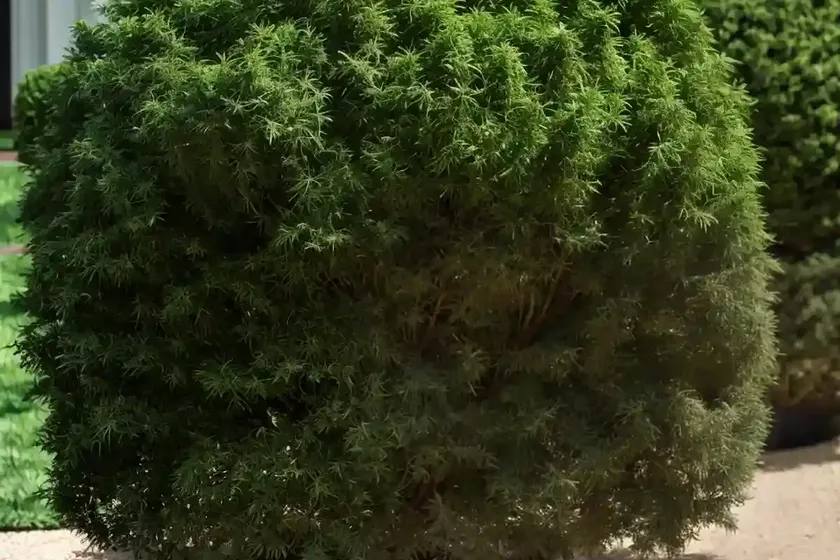
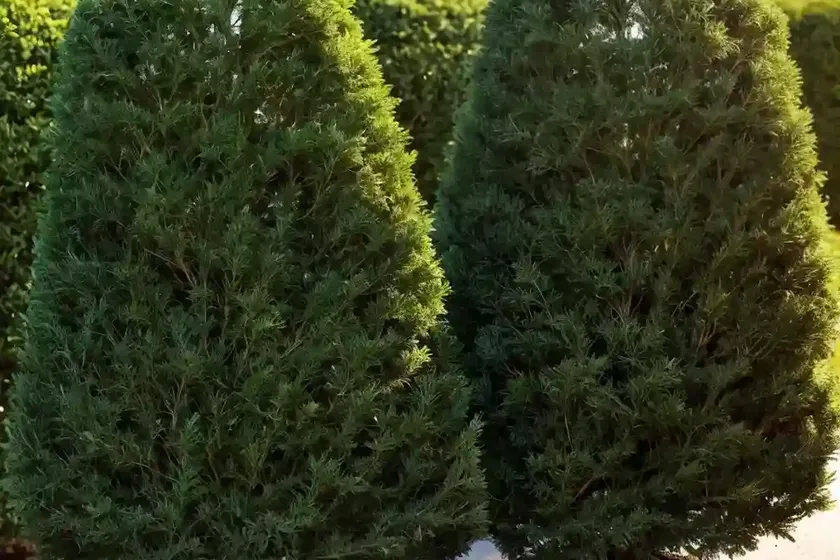
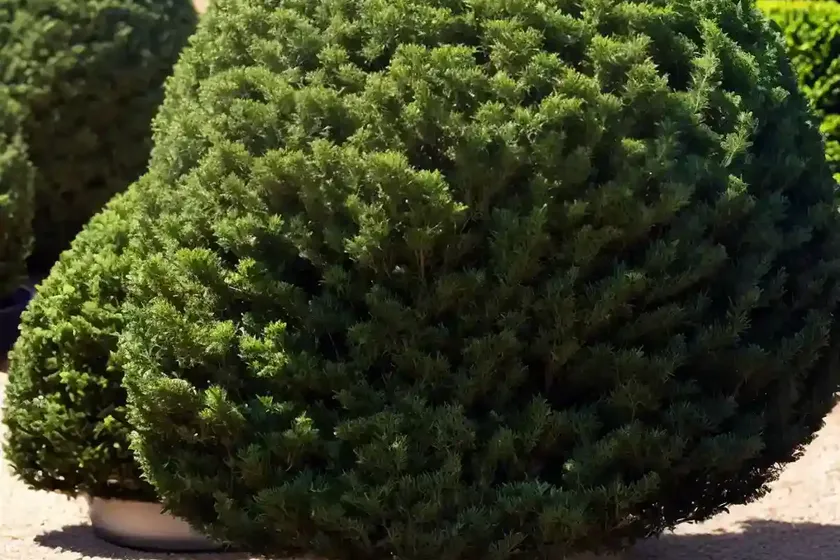
The Thuja occidentalis, commonly known as American Arborvitae, is a species of evergreen coniferous tree in the cypress family Cupressaceae. It is native to eastern Canada and much of the northeastern and north-central United States. The cultivar ‘Mr. Bowling Ball’ is a specific variety of the American Arborvitae known for its compact, rounded form and unique foliage. This dwarf, globe-shaped evergreen shrub is especially popular in landscaping and gardening due to its versatility and ease of care.
Key Takeaways – Thuja occidentalis ‘Mr. Bowling Ball’ (American Arborvitae)
- Scientific Name: Thuja occidentalis ‘Mr. Bowling Ball’
- Common Name: American Arborvitae
- Plant Type: Evergreen shrub
- Mature Height: 2-3 feet
- Mature Width: 2-3 feet
- Growth Rate: Slow
- Hardiness Zones: 3-7
- Exposure: Full sun to partial shade
- Soil Preference: Well-draining, moist soil
- Watering: Regular watering
- Uses: Landscaping, hedges, borders, containers
- Special Features: Deer-resistant, low maintenance
Culture
The culture of Thuja occidentalis ‘Mr. Bowling Ball’ involves providing the right growing conditions, care, and maintenance to ensure its optimal growth and health.
Uses
Thuja occidentalis ‘Mr. Bowling Ball’ has a variety of uses, making it a versatile and popular choice for landscaping and gardening. Some of its common uses include:
- Landscaping: Its compact and rounded form makes it well-suited for landscaping in both residential and commercial settings. It can be used as a focal point, accent plant, or as part of mixed borders or rock gardens.
- Hedges: Due to its dense foliage and compact growth habit, it is often used to create low hedges or borders. It can be strategically planted to define spaces or provide privacy.
- Containers: The dwarf size and unique appearance of ‘Mr. Bowling Ball’ make it an excellent choice for container gardening. It can be grown in pots, planters, or decorative containers on patios, porches, or balconies.
Water
Proper watering is essential for the health and vigor of Thuja occidentalis ‘Mr. Bowling Ball’. While it can tolerate some drought once established, regular watering is crucial, especially during dry periods. It is important to ensure that the soil is consistently moist but not waterlogged.
Sunlight
This compact American Arborvitae thrives in full sun to partial shade. It is essential to provide it with the right amount of light for optimal growth and to maintain its dense, attractive foliage.
Fertilizer
Fertilizing Thuja occidentalis ‘Mr. Bowling Ball’ can help promote healthy growth and vibrant foliage. A balanced fertilizer formulated for evergreen shrubs can be applied in spring.
Soil
The American Arborvitae ‘Mr. Bowling Ball’ thrives in well-draining, moist soil. It is important to ensure good soil drainage to prevent waterlogging, which can lead to root rot and other issues.
Pruning
Regular pruning is generally not necessary for Thuja occidentalis ‘Mr. Bowling Ball’ due to its compact, rounded form. However, light pruning can be performed to maintain its shape and remove any dead or damaged foliage.
Propagation
Thuja occidentalis ‘Mr. Bowling Ball’ can be propagated through semi-hardwood cuttings or by layering. Propagation through cuttings involves taking healthy stem sections from the plant and rooting them in a suitable growing medium.
Container Popularity
The dwarf size and unique appearance of ‘Mr. Bowling Ball’ make it a popular choice for container gardening. When grown in containers, it can be used to add interest and greenery to patios, decks, or small outdoor spaces.
Container Common Diseases
When grown in containers, Thuja occidentalis ‘Mr. Bowling Ball’ may be susceptible to certain diseases and issues such as:
- Root rot: This can occur if the plant is overwatered or if the container does not have proper drainage.
- Pest infestations: In some cases, pests such as spider mites and aphids can target plants grown in containers.
Disease Diagnosis
Diagnosing and addressing potential diseases in ‘Mr. Bowling Ball’ involves closely monitoring the plant for signs of stress, discoloration, wilting, or unusual foliage patterns. If issues are suspected, it is important to promptly address them with appropriate measures such as adjusting watering practices, improving soil drainage, or using targeted pest control methods.
Common Pests
Thuja occidentalis ‘Mr. Bowling Ball’ is generally resistant to most pests. However, certain pests such as bagworms, mites, and scale insects may occasionally target these plants. Regular inspection and early intervention can help prevent pest infestations.
Botanist’s Tips
- Select a planting location with adequate sunlight and well-draining soil for optimal growth.
- Regular watering is important, especially during the establishment period and in dry conditions.
- Avoid overfertilizing, as excessive nutrients can lead to rapid but weak growth.
Fun Facts
- The compact and spherical form of Thuja occidentalis ‘Mr. Bowling Ball’ makes it resemble a small, green bowling ball, hence its unique name.
- Despite its small size, this variety of American Arborvitae is known for its hardiness and resilience.
Links to External Resources
For additional information on Thuja occidentalis ‘Mr. Bowling Ball’, American Arborvitae, and related topics, feel free to explore the following external resources: