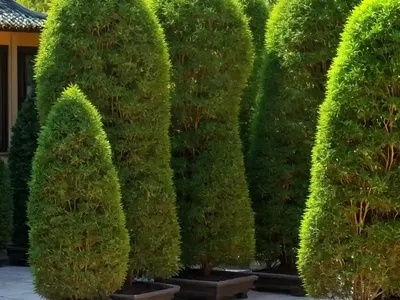
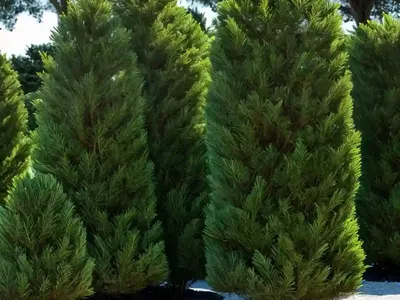
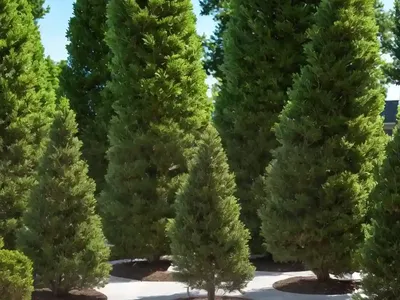
Thuja Occidentalis ‘Holmstrup’ (American Arborvitae)
The Thuja occidentalis ‘Holmstrup’, commonly known as the American Arborvitae, is a popular evergreen plant that is widely used in landscaping and.
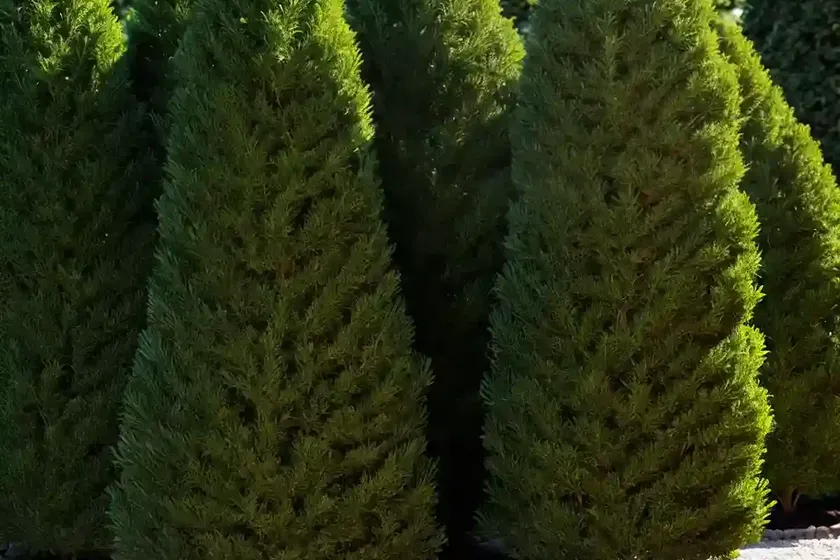
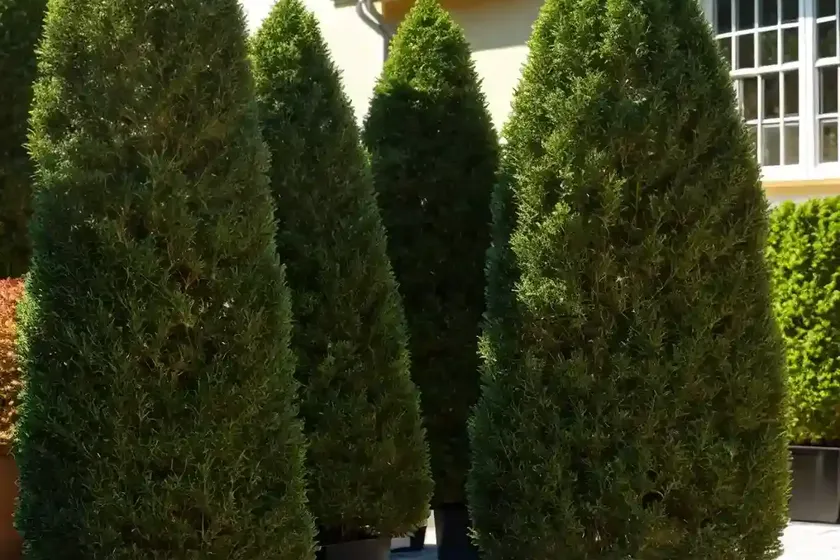
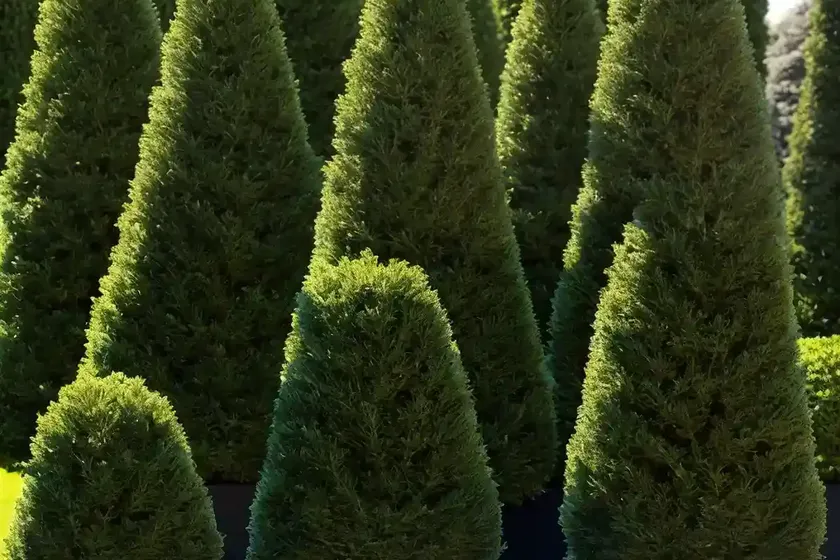
The Thuja occidentalis ‘Holmstrup’, commonly known as the American Arborvitae, is a popular evergreen plant that is widely used in landscaping and gardening. It is an attractive, low-maintenance shrub with a compact and pyramidal growth habit that makes it a perfect choice for hedges, screens, or as a standalone specimen plant. The ‘Holmstrup’ variety is a cultivar of the native North American tree, Thuja occidentalis, and is valued for its dense, rich green foliage and elegant appearance.
In this comprehensive guide, we will delve into all aspects of Thuja occidentalis ‘Holmstrup’, including its culture, uses, care requirements, common diseases, pests, and maintenance tips. Whether you’re a seasoned gardener or a beginner looking to enhance your garden with this exquisite plant, this guide will provide you with all the essential information to nurture and appreciate the beauty of American Arborvitae.
Key Takeaways – Thuja occidentalis ‘Holmstrup’ (American Arborvitae)
Before we explore the specifics of caring for the Thuja occidentalis ‘Holmstrup’, let’s take a glance at the key takeaways for this popular plant:
- Botanical Name: Thuja occidentalis ‘Holmstrup’
- Common Names: American Arborvitae, Holmstrup Arborvitae, Dwarf Arborvitae
- Growth Habit: Compact, Pyramidal
- Foliage: Rich Green, Evergreen
- Uses: Hedges, Screens, Specimen Planting
Now, let’s delve deeper into the various aspects of this distinguished plant.
What is Thuja occidentalis ‘Holmstrup’?
Thuja occidentalis, commonly known as Northern White-Cedar or Eastern Arborvitae, is a species of Thuja native to eastern Canada and much of the northeastern, north central, and east-central United States. The ‘Holmstrup’ cultivar is a compact form of the native Thuja occidentalis, renowned for its dense, upright growth and vibrant green foliage. This cultivar was developed in Denmark and has gained immense popularity for its versatility in garden landscapes.
The ‘Holmstrup’ variety exhibits a more refined and compact growth habit compared to the typical species, making it a sought-after choice for those with limited space or those looking to create neatly structured hedges and screens. Its evergreen foliage and conical shape make it an excellent choice for providing year-round privacy and greenery to any garden.
Culture
Water
American Arborvitae, including the ‘Holmstrup’ variety, requires regular watering, especially during the initial establishment period. Adequate moisture is essential for the plant’s root development and overall health. Once established, these plants are moderately drought-tolerant, but they will benefit from consistent watering, particularly during dry periods.
Watering Tips:
- Water newly planted ‘Holmstrup’ Arborvitae deeply and regularly to ensure proper root establishment.
- Provide approximately 1-2 inches of water per week during the growing season, adjusting based on rainfall and local climate conditions.
- Avoid overwatering, as Thuja occidentalis is susceptible to root rot in waterlogged soil.
Sunlight
American Arborvitae thrives in full sun to partial shade. When provided with ample sunlight, the ‘Holmstrup’ variety exhibits vigorous growth and maintains its rich green coloration. While it can tolerate some shade, it may result in slightly less dense foliage and slower growth compared to plants grown in full sun.
Sunlight Requirements:
- Aim to plant ‘Holmstrup’ Arborvitae in a location that receives at least 6 hours of direct sunlight per day for optimal growth.
- Ensure that the plant is not exposed to harsh, intense afternoon sunlight, especially in warmer climates, to prevent leaf scorch.
Soil
Well-drained, fertile soil is crucial for the successful cultivation of Thuja occidentalis ‘Holmstrup’. It prefers slightly acidic to neutral soil pH and can adapt to various soil types, including loamy, sandy, or clay soils, as long as they are well-draining. Amending the soil with organic matter such as compost or peat moss can significantly improve soil structure and fertility.
Soil Preparation:
- Prior to planting, amend the soil with organic matter to enhance drainage and nutrient content.
- Perform a soil test to determine the pH level and make adjustments if necessary to achieve the ideal pH range of 6.0-7.5 for American Arborvitae.
Fertilizer
Proper fertilization supports the growth and vitality of Thuja occidentalis ‘Holmstrup’. Applying a balanced, slow-release fertilizer formulated for evergreen plants in the spring can provide the necessary nutrients for healthy foliage development and overall plant vigor. Avoid excessive fertilization, as this can lead to excessive growth and compromise the plant’s natural shape.
Fertilization Guidelines:
- Apply a slow-release granular fertilizer in early spring before the new growth emerges, following the manufacturer’s recommended application rates.
- Refrain from fertilizing during the late summer and fall, as this can stimulate late-season growth that may be susceptible to winter damage.
Pruning
Pruning is an essential aspect of maintaining the desired shape and size of American Arborvitae, including the ‘Holmstrup’ variety. Regular pruning helps promote dense foliage and prevents the plant from becoming too leggy or overgrown. Early spring is an ideal time for pruning, as it allows ample time for new growth to develop and fill in any gaps created by the pruning process.
Pruning Techniques:
- Remove any dead, damaged, or diseased branches or foliage throughout the year to maintain the plant’s health and appearance.
- Use sterilized pruning tools to make clean cuts and minimize the risk of spreading diseases.
- Shape the ‘Holmstrup’ Arborvitae as desired, whether it be a conical form for a standalone specimen or a formal hedge shape for a cohesive landscape design.
Propagation
Propagation of Thuja occidentalis ‘Holmstrup’ can be achieved through various methods, including cuttings and seed propagation. Cuttings from semi-hardwood or hardwood branches typically yield the best results and can be rooted in a suitable growing medium to establish new plants. Seed propagation is also possible, but it often requires stratification and may result in variations from the parent plant.
Propagation Methods:
- Collect semi-hardwood or hardwood cuttings in late summer or early autumn for propagation.
- Prepare a rooting medium consisting of a well-draining mix of peat and perlite to encourage root development.
- Keep the growing medium consistently moist and provide bottom heat to expedite root formation.
Container Popularity
Thuja occidentalis ‘Holmstrup’ is well-suited for container planting, making it a versatile option for both small and large landscapes. When grown in containers, this compact evergreen shrub can be utilized to adorn patios, decks, or outdoor living spaces, adding a touch of greenery and elegance to urban environments. Its low maintenance requirements and adaptability to container culture make it an attractive choice for gardeners with limited outdoor space.
Container Gardening Tips:
- Select a large, sturdy container with drainage holes to accommodate the plant’s root system and promote drainage.
- Use a well-draining potting mix formulated for container plants and incorporate slow-release fertilizer to provide essential nutrients.
- Monitor soil moisture closely, especially during hot weather, to prevent the soil from drying out and adversely affecting the plant’s growth.
Common Diseases
Thuja occidentalis ‘Holmstrup’ is generally a resilient and hardy plant, but it can be susceptible to certain diseases, particularly under stressful growing conditions or in poorly managed landscapes. Being aware of common diseases that affect American Arborvitae and implementing preventive measures can help maintain the plant’s health and vigor.
Disease Diagnosis:
- Needle Blight: Needle blight, caused by fungal pathogens, may result in browning or yellowing of the foliage, eventually leading to defoliation. Provide proper spacing between plants and ensure good airflow to reduce the risk of needle blight.
- Root Rot: Excessive soil moisture or poorly drained soil can lead to root rot, characterized by wilting, yellowing foliage, and stunted growth. Improve soil drainage and avoid overwatering to prevent root rot.
- Canker Diseases: Canker diseases may manifest as sunken or discolored areas on the branches, often leading to dieback. Prune affected branches and dispose of them properly to prevent the spread of canker diseases.
Common Pests
While Thuja occidentalis ‘Holmstrup’ is relatively resistant to pests, certain insects can pose a threat to its health and appearance. Vigilance and prompt intervention are essential in managing pest infestations and preserving the plant’s vitality.
Pest Management:
- Spider Mites: Spider mites may infest American Arborvitae, particularly in hot, dry conditions, causing stippling and discoloration of the foliage. Regularly inspect the plant for spider mite activity and apply appropriate insecticidal treatments if necessary.
- Bagworms: Bagworms are known to feed on Arborvitae foliage, creating unsightly damage and defoliation. Handpick and dispose of bagworms or utilize biological control methods to manage infestations.
Botanist’s Tips
As a plant scientist specializing in woody plants and horticulture, I have some additional tips for successfully growing and maintaining the Thuja occidentalis ‘Holmstrup’:
- Site Selection: When planting ‘Holmstrup’ Arborvitae, consider the mature size of the plant and provide adequate space for it to thrive without overcrowding.
- Mulching: Apply a layer of organic mulch around the base of the plant to conserve moisture, regulate soil temperature, and inhibit weed growth.
- Winter Protection: In regions experiencing harsh winters, consider providing winter protection, such as burlap wraps or anti-desiccant sprays, to shield the foliage from drying winds and sunscald.
Fun Facts
- American Arborvitae, including the ‘Holmstrup’ variety, was historically valued by Native American tribes for its versatile wood, which was used in constructing canoes, baskets, and other cultural artifacts.
- The term “Arborvitae” is derived from the Latin words “arbor” (tree) and “vitae” (life), signifying the symbolic significance of these trees in various cultures.
Links to External Resources
For further information on Thuja occidentalis ‘Holmstrup’ and related topics, I recommend exploring the following resources:
- The American Horticultural Society: Thuja occidentalis ‘Holmstrup’
- University of Florida IFAS Extension: Arborvitae for the Landscape
- Missouri Botanical Garden: Thuja occidentalis ‘Holmstrup’
- North Carolina State University Extension: Arborvitae in the Landscape
In this comprehensive guide, we have explored the various facets of Thuja occidentalis ‘Holmstrup’, shedding light on its culture, uses, care requirements, and associated botanical insights. Whether you are considering adding this versatile evergreen shrub to your landscape or seeking to enhance your existing ‘Holmstrup’ Arborvitae, the information presented here equips you with the knowledge to nurture and appreciate the inherent beauty of this esteemed plant species.