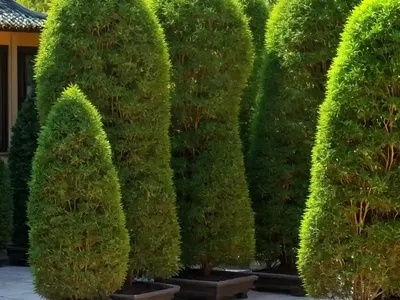
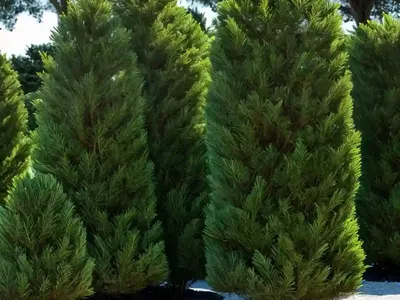
Thuja Occidentalis Anna’s Magic Ball� (American Arborvitae)
As a plant scientist with a passion for horticulture, I am excited to delve into the vibrant world of the Thuja occidentalis Anna’s Magic Ball® (American.
Introduction
As a plant scientist with a passion for horticulture, I am excited to delve into the vibrant world of the Thuja occidentalis Anna’s Magic Ball® (American Arborvitae). In this comprehensive guide, we will explore the characteristics, care requirements, and intriguing features of this remarkable plant. From its cultural preferences to propagation methods, we will cover everything you need to know how to nurture, maintain, and appreciate the beauty of the Anna’s Magic Ball®.
What is Thuja occidentalis Anna’s Magic Ball®?
Thuja occidentalis is a species of evergreen coniferous tree in the cypress family Cupressaceae, native to the eastern United States and southeastern Canada. The variety known as Anna’s Magic Ball® offers a unique compact and spherical growth habit, making it a distinctive and sought-after addition to gardens and landscapes.
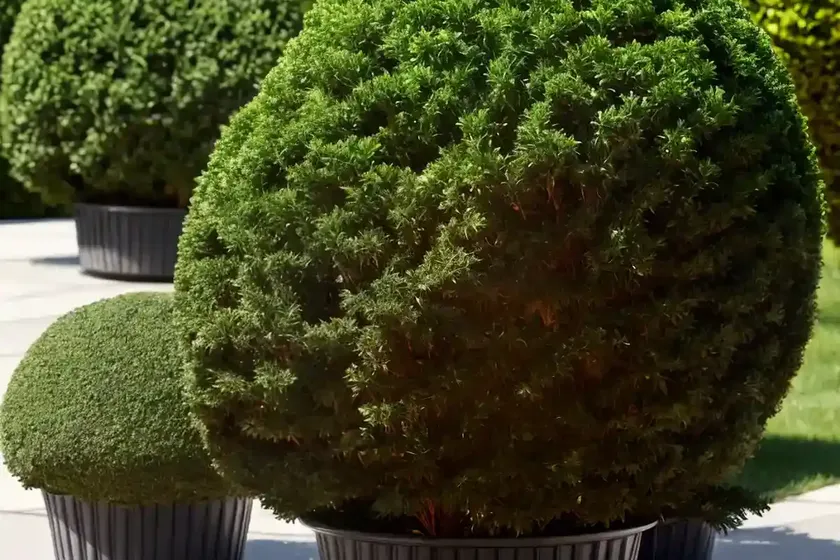
The Anna’s Magic Ball® cultivar exhibits a dense, globe-shaped form with vibrant green foliage, adding a touch of elegance and charm to any setting. Its compact nature makes it an excellent choice for smaller garden spaces, containers, or as a focal point in landscaping designs.
Key Takeaways – Thuja occidentalis Anna’s Magic Ball® (American Arborvitae)
Before we delve into the specific care and maintenance guidelines for Anna’s Magic Ball®, let’s take a look at the key aspects that define this remarkable plant:
- Compact Growth: The Anna’s Magic Ball® cultivar displays a compact, globe-shaped growth habit, making it ideal for small garden spaces and container gardening.
- Year-Round Greenery: As an evergreen plant, Thuja occidentalis Anna’s Magic Ball® retains its vibrant green foliage throughout the year, adding visual interest even in the winter months.
- Versatile Landscape Use: It can be used as a hedge, privacy screen, or as a standalone ornamental feature, offering a range of landscaping possibilities.
Now, let’s explore the specific cultural requirements and care guidelines to help you cultivate and nurture this captivating plant in your garden.
Culture
Successfully cultivating Anna’s Magic Ball® requires an understanding of its preferred growing conditions and cultural requirements. By providing the right environment, you can ensure that the plant thrives and maintains its stunning appearance throughout the year.
Water
Proper watering is essential for the health and vigor of Thuja occidentalis Anna’s Magic Ball®. While the plant demonstrates a degree of drought tolerance once established, it is crucial to provide adequate moisture, especially during hot and dry periods.
- Establishment Period: During the first year after planting, ensure that the plant receives regular watering to support root establishment and growth.
- Moisture Requirements: The soil should be consistently moist but well-drained. Avoid waterlogged conditions, as excessively wet soil can lead to root rot and other issues.
Sunlight
Anna’s Magic Ball® thrives in locations that offer ample sunlight. Adequate sun exposure is essential for promoting healthy growth, maintaining the plant’s compact form, and ensuring the vibrancy of its foliage.
- Full Sun to Partial Shade: While the plant can tolerate partial shade, it tends to exhibit its best growth and coloration in full sun conditions.
- Shelter from Harsh Afternoon Sun: In regions with intense heat, providing some protection from the afternoon sun can help prevent foliage scorching.
Fertilizer
Feeding Thuja occidentalis Anna’s Magic Ball® with the right nutrients can support its overall health and vitality. When applying fertilizer, it’s important to consider the plant’s growth stage and adjust the feeding regimen accordingly.
- Balanced Fertilizer: Choose a balanced, slow-release fertilizer formulated for evergreen plants. Apply in early spring before new growth emerges.
- Avoid Excessive Nitrogen: While Anna’s Magic Ball® benefits from supplemental nutrients, avoid overfeeding with high-nitrogen fertilizers, as this can lead to excessive foliage growth and compromise the plant’s compact form.
Soil
Selecting the right soil type and ensuring optimal soil conditions are vital for the long-term success of Thuja occidentalis Anna’s Magic Ball®.
- Well-Drained Soil: The plant thrives in well-drained soil, as waterlogged conditions can lead to root issues and decline.
- Soil Amendments: Incorporating organic matter such as compost or peat moss can help improve soil structure and moisture retention, especially in sandy or clay soils.
Pruning
Pruning is an essential aspect of maintaining the desired form and structure of Anna’s Magic Ball®. Proper pruning practices can help enhance the plant’s appearance and promote healthy growth.
- Shape Maintenance: Regular light pruning can help maintain the plant’s compact, rounded form. Focus on removing excess growth and maintaining an even shape.
- Timing: Prune in late winter or early spring before new growth appears. Avoid pruning during the fall, as this can stimulate late-season growth that may be susceptible to winter damage.
Propagation
Interested in propagating Thuja occidentalis Anna’s Magic Ball® to expand your plant collection or share it with others? The following methods can be utilized for successful propagation:
- Softwood Cuttings: Propagation from softwood cuttings taken in early summer can yield new plants with characteristics similar to the parent plant.
- Rooted Stem Cuttings: Rooting stem cuttings in a well-draining rooting medium can lead to the establishment of new plants.
Container Popularity
The compact nature and ornamental appeal of Anna’s Magic Ball® make it a popular choice for container gardening. Whether placed on patios, decks, or as part of an urban landscape, the plant thrives in containers with the right care and maintenance.
Container Common Diseases
While Thuja occidentalis Anna’s Magic Ball® is relatively resistant to many diseases, it is important to be aware of potential issues that can affect the plant’s health in container settings.
- Root Rot: Overwatering and poorly draining soil in containers can contribute to root rot issues. Ensure proper drainage and watering practices to minimize this risk.
- Powdery Mildew: In humid or poorly ventilated conditions, powdery mildew can affect the foliage of container-grown plants. Provide adequate air circulation to reduce the likelihood of this fungal disease.
Disease Diagnosis
Identifying and addressing potential diseases promptly is crucial for safeguarding the health and vigor of Anna’s Magic Ball®. Keep an eye out for symptoms and signs of common diseases, and take appropriate measures to mitigate their impact.
- Visual Inspection: Regularly inspect the foliage, stems, and overall appearance of the plant for any signs of discoloration, wilting, or abnormal growth.
- Consultation: If you observe suspicious symptoms, seek guidance from a plant health professional to accurately diagnose and address any disease concerns.
Common Pests
While Thuja occidentalis Anna’s Magic Ball® is relatively resistant to many pests, occasional insect infestations can occur. Understanding common pests and their potential impact is crucial for implementing effective pest management strategies.
- Spider Mites: These tiny pests can infest the foliage, leading to stippling and discoloration. Regular monitoring and insecticidal treatments can help control spider mite populations.
- Bagworms: Keep an eye out for the presence of bagworms, especially during the caterpillar stage when they can cause extensive defoliation. Handpicking and targeted insecticidal applications can help manage these pests.
Botanist’s Tips
To ensure the successful cultivation and enjoyment of Thuja occidentalis Anna’s Magic Ball®, consider the following tips from a seasoned botanist:
- Regular Monitoring: Regularly observe the plant for changes in growth, foliage color, and potential signs of stress or disease.
- Watering Consistency: Maintain consistent moisture levels, especially during the establishment phase and hot, dry periods. Avoid fluctuations between excessively wet and dry soil conditions.
Fun Facts
Now, let’s explore some fascinating and lesser-known facts about Thuja occidentalis Anna’s Magic Ball®:
- Anna’s Magic Ball® is a result of careful breeding and selection, aimed at creating a compact and visually striking form of the Thuja occidentalis species.
- The plant’s spherical growth habit makes it an ideal choice for adding structure and visual interest to garden beds, mixed borders, and container plantings.
Links to External Resources
Ready to expand your knowledge and explore additional resources related to Thuja occidentalis Anna’s Magic Ball®? The following links offer valuable insights and information:
Conclusion
In conclusion, Thuja occidentalis Anna’s Magic Ball® (American Arborvitae) is a captivating and versatile plant that offers a wealth of ornamental and horticultural possibilities. By understanding its cultural requirements, maintenance guidelines, and unique features, you can cultivate and appreciate the beauty of Anna’s Magic Ball® in your garden or landscape with confidence and enthusiasm. Whether used as a standalone specimen, a compact hedge, or a container accent, this distinctive cultivar adds a touch of elegance and charm to outdoor settings, enhancing the overall visual appeal of any environment. I hope this comprehensive guide has provided you with valuable insights and practical tips for embracing the enchanting allure of Anna’s Magic Ball® and incorporating it into your botanical repertoire. Happy gardening!