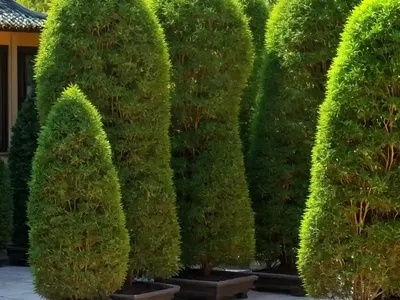
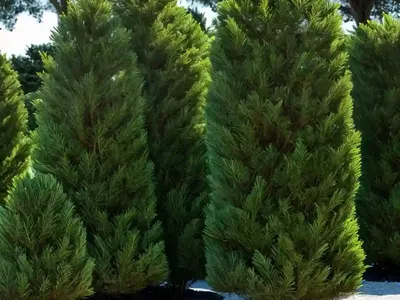
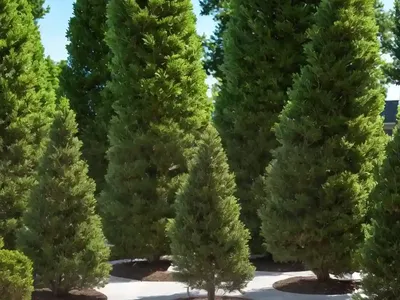
Thuja ‘Green Giant’ (Arborvitae)
In the world of landscaping and gardening, Thuja ‘Green Giant’ (Arborvitae) holds a special place as a fast-growing, evergreen tree that serves multiple.

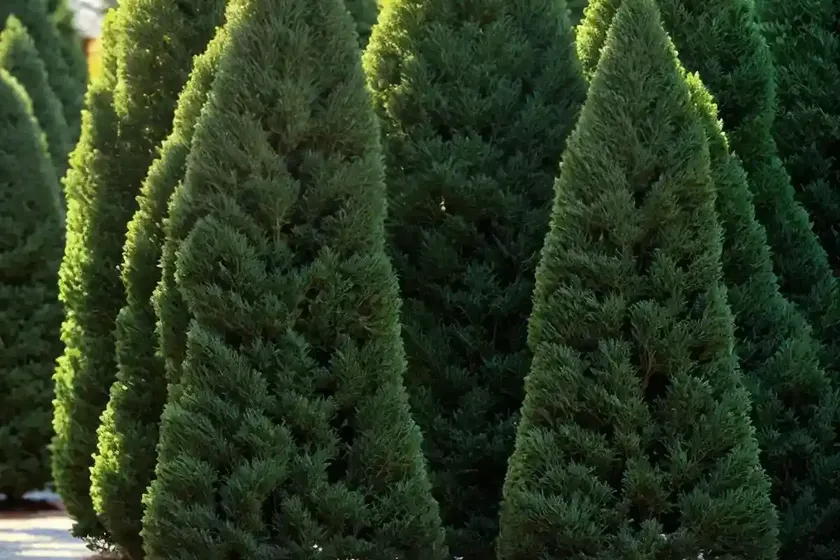
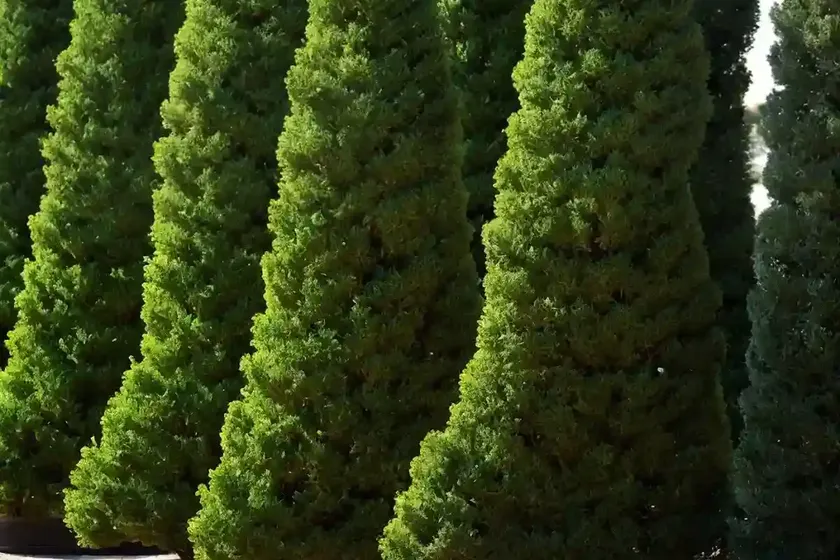
In the world of landscaping and gardening, Thuja ‘Green Giant’ (Arborvitae) holds a special place as a fast-growing, evergreen tree that serves multiple purposes in various environments. Whether you are looking for a privacy tree, a hedge plant, or an ornamental addition to your garden, understanding the ins and outs of Thuja ‘Green Giant’ can help you make informed decisions about its care, maintenance, and applications.
What is Thuja ‘Green Giant’ (Arborvitae)?
Thuja ‘Green Giant’, scientifically known as Thuja plicata, is a species of coniferous evergreen tree in the cypress family Cupressaceae. This tree is native to the northwestern United States and southwestern Canada, and it is highly valued for its rapid growth, dense foliage, and adaptability to a wide range of environments. The ‘Green Giant’ variety is especially popular due to its vibrant, green foliage and its ability to thrive in various soil and climate conditions.
Key Takeaways – Thuja ‘Green Giant’ (Arborvitae)
Experienced gardeners and landscaping enthusiasts often seek specific details about plants, especially when considering their introduction into a new or existing landscape. Here are the key takeaways regarding Thuja ‘Green Giant’ (Arborvitae) that will be explored in this comprehensive guide:
- Culture
- Uses
- Water
- Sunlight
- Fertilizer
- Soil
- Pruning
- Propagation
- Container Popularity
- Common Diseases
- Disease Diagnosis
- Common Pests
- Botanist’s Tips
- Fun Facts
- Links to External Resources
Now, let’s delve into each of these aspects to gain a deeper understanding of this remarkable plant.
Culture of Thuja ‘Green Giant’ (Arborvitae)
Understanding the cultural requirements of Thuja ‘Green Giant’ is crucial for its successful growth and development in various settings. From water needs to sunlight requirements, each aspect plays a significant role in determining the overall health and appearance of the plant.
Water
Thuja ‘Green Giant’ trees generally require regular watering, especially during the initial stages of planting and establishment. However, once established, they exhibit a good level of drought tolerance. It is essential to monitor soil moisture and provide adequate irrigation during dry periods to ensure optimal growth and health.
Sunlight
In terms of sunlight, these trees thrive in full sun to partial shade. They prefer a location with exposure to direct sunlight for a significant portion of the day, but they can also tolerate some shade, making them versatile for a range of landscape designs.
Fertilizer
Proper fertilization can significantly enhance the growth and vitality of Thuja ‘Green Giant’ trees. Applying a balanced, slow-release fertilizer in early spring can provide the necessary nutrients for healthy foliage and vigorous growth. The fertilizer should be evenly distributed around the root zone and watered in thoroughly.
Soil
Thuja ‘Green Giant’ adapts well to various soil types, including loamy, sandy, or clay soils. However, it thrives in well-drained soils with a slightly acidic to neutral pH. Good soil drainage is essential to prevent waterlogging, which can lead to root rot and other issues.
Uses of Thuja ‘Green Giant’ (Arborvitae)
Thuja ‘Green Giant’ is a versatile plant with a wide range of uses in landscaping and gardening. Its characteristics make it suitable for various applications, from creating privacy screens to adding aesthetic appeal to outdoor spaces.
-
Privacy Tree: The fast-growing nature and dense foliage of Thuja ‘Green Giant’ make it an ideal choice for privacy screens and windbreaks. When planted in rows, the trees form a thick, evergreen barrier that provides privacy and seclusion.
-
Hedge Plant: Due to its rapid growth and natural conical shape, Thuja ‘Green Giant’ is often used as a hedge plant. It can be pruned and shaped to create formal hedges or left to grow more informally, depending on the desired aesthetic.
-
Ornamental Tree: In addition to its practical uses, Thuja ‘Green Giant’ serves as an attractive ornamental tree, adding greenery and visual interest to landscapes. Its vibrant, green foliage provides year-round beauty.
-
Screening and Wind Protection: Whether used to block out unwanted views, reduce noise, or protect against strong winds, Thuja ‘Green Giant’ excels as a reliable screening and wind protection option.
-
Wildlife Habitat: The dense foliage and tall stature of Thuja ‘Green Giant’ provide habitat and shelter for various wildlife, making it a valuable addition to natural areas and larger properties.
Pruning Thuja ‘Green Giant’ (Arborvitae)
Proper pruning is essential to maintain the health, shape, and structure of Thuja ‘Green Giant’ trees. Regular pruning can promote dense growth, remove damaged or diseased branches, and control the overall size of the trees. Here are some key considerations for pruning these trees:
-
Pruning Frequency: It is recommended to prune Thuja ‘Green Giant’ trees annually to shape and maintain their desired appearance.
-
Timing: The best time to prune these trees is in late winter or early spring before the new growth emerges. Pruning during this period allows the trees to recover and produce new growth before the onset of summer.
-
Tools: Use sharp, clean pruning tools to make precise cuts and avoid tearing or damaging the branches. Pruning shears, loppers, and a pruning saw may be necessary for different-sized branches.
-
Pruning Techniques: When pruning, focus on removing dead, damaged, or overgrown branches while maintaining the natural conical shape of the trees. Avoid heavy pruning of mature branches, as this can disrupt the tree’s natural form and lead to regrowth issues.
Propagation of Thuja ‘Green Giant’ (Arborvitae)
Propagation is the process of creating new plants from existing ones, and Thuja ‘Green Giant’ can be propagated through several methods, including cuttings and seeds. Each method has its advantages and considerations, allowing gardeners to choose the most suitable approach based on their resources and goals.
Propagation from Cuttings
Propagating Thuja ‘Green Giant’ from cuttings is a popular and effective method for creating genetically identical plants. Here’s a general outline of the process:
-
Selecting and Preparing Cuttings: Choose healthy, young shoots to use as cuttings. Cut 4- to 6-inch sections from the tips of the branches, making sure each cutting has several sets of leaves.
-
Rooting Medium: Prepare a well-draining rooting medium, such as a mix of perlite and peat moss. Dip the cut end of each cutting in a rooting hormone to encourage root development.
-
Planting and Rooting: Insert the cuttings into the rooting medium, ensuring good contact between the base of the cutting and the medium. Place the container in a warm, bright location with indirect sunlight, and keep the medium consistently moist.
-
Transplanting: Once the cuttings have developed roots, they can be transplanted into individual pots or directly into the garden, where they will continue to grow into mature plants.
Propagation from Seeds
While propagation from seeds is possible, it is a slower and less commonly used method compared to cuttings. However, for those interested in growing Thuja ‘Green Giant’ from seeds, here are the basic steps involved:
-
Seed Collection: Collect mature cones from existing Thuja ‘Green Giant’ trees and extract the seeds by opening the cones.
-
Seed Preparation: Clean the seeds and stratify them by placing them in a moist medium in the refrigerator for a specific period, which helps break dormancy and improve germination rates.
-
Sowing Seeds: Plant the stratified seeds in a well-draining seed-starting mix at the appropriate depth. Keep the soil consistently moist and provide the seeds with adequate sunlight or artificial light.
-
Seedling Care: As the seeds germinate and develop into seedlings, provide them with proper care, including regular watering, sufficient light, and protection from extreme temperatures.
Propagation offers an opportunity to expand the presence of Thuja ‘Green Giant’ in a landscape, allowing for greater flexibility in designing and enhancing outdoor spaces.
Container Popularity of Thuja ‘Green Giant’ (Arborvitae)
While Thuja ‘Green Giant’ is often planted directly in the ground to create privacy screens and windbreaks, it can also thrive when grown in containers. Container planting offers several advantages for those with limited garden space or specific design preferences. Additionally, it allows for easy movement and flexibility in positioning the trees.
Considerations for Container Planting
When growing Thuja ‘Green Giant’ in containers, it’s important to consider the following factors to ensure successful growth and development:
-
Container Size: Select large containers that provide ample room for root expansion and stability. The size of the containers should accommodate the eventual growth of the trees.
-
Drainage: Ensure that the containers have adequate drainage holes to prevent waterlogging and root rot. Using a well-draining potting mix can further promote good drainage.
-
Watering and Maintenance: Container-grown plants generally require more frequent watering and maintenance compared to those planted in the ground. Monitor soil moisture levels and provide regular care to support healthy growth.
-
Placement: Choose a location that receives the appropriate amount of sunlight for container-grown Thuja ‘Green Giant’. While they can tolerate some shade, they benefit from exposure to direct sunlight for a portion of the day.
By carefully managing the container environment and meeting the specific needs of Thuja ‘Green Giant’, gardeners can enjoy the beauty and benefits of these trees in a more confined setting.
Common Diseases of Thuja ‘Green Giant’ (Arborvitae)
As with any plant, Thuja ‘Green Giant’ is susceptible to certain diseases that can affect its overall health and appearance. Understanding these common diseases and their management is essential for preserving the vitality of the trees.
Disease Diagnosis
When observing signs of distress or abnormalities in Thuja ‘Green Giant’ trees, it’s important to be able to identify potential diseases and take appropriate action. Some common diseases that may affect these trees include:
-
Cedar Leaf Blight: This fungal disease can cause browning and dieback of the foliage, leading to a weakened appearance and reduced growth.
-
Phytophthora Root Rot: Phytophthora species can infect the roots of Thuja ‘Green Giant’, causing root rot and decline in overall health. Symptoms may include wilted foliage and stunted growth.
-
Kabatina Tip Blight: Kabatina tip blight can result in browning and dieback of the branch tips, often leading to a sparse and unhealthy appearance.
Disease Management and Prevention
To manage and prevent diseases in Thuja ‘Green Giant’ trees, several strategies can be employed to promote a healthier growing environment and reduce the risk of infection:
-
Pruning and Sanitation: Regular pruning of affected branches and prompt removal of diseased plant material can help minimize the spread of fungal and bacterial diseases.
-
Fungicide Applications: In cases where diseases are persistent or severe, applying fungicides according to label instructions can help control fungal pathogens and protect the trees.
-
Proper Watering: Avoid overwatering and ensure proper soil drainage to prevent conditions that promote the development of root diseases.
-
Monitoring and Early Intervention: Regularly inspect the trees for signs of disease or stress, and address any issues promptly to prevent further damage.
By staying vigilant and implementing proactive measures, gardeners can reduce the impact of common diseases and support the long-term health of Thuja ‘Green Giant’ trees.
Common Pests Affecting Thuja ‘Green Giant’ (Arborvitae)
In addition to diseases, Thuja ‘Green Giant’ trees can be targeted by various pests that may feed on the foliage, sap, or bark. Understanding the potential pests and their management is crucial for protecting the trees from damage and preserving their visual appeal.
Common Pests
Several pests may pose a threat to the health and vitality of Thuja ‘Green Giant’ trees. Some of the common pests that gardeners should be aware of include:
-
Spider Mites: These tiny arachnids can cause stippling and yellowing of the foliage, leading to a weakened appearance of the trees.
-
Bagworms: The larvae of bagworm moths construct protective bags made of foliage, twigs, and silk, which they attach to the branches of the trees. Heavy infestations can defoliate the trees and hinder their growth.
-
Scale Insects: Scale insects can feed on the sap of Thuja ‘Green Giant’, causing yellowing, wilting, and overall decline in tree health.
Pest Management Strategies
To manage pest infestations and safeguard the trees from potential damage, gardeners can implement various pest control strategies:
-
Pruning and Removal: Handpicking and destroying bagworms and their protective bags can help reduce populations and prevent further damage. Pruning and removing heavily infested plant parts can also aid in controlling pests.
-
Horticultural Oils: Applying horticultural oils can effectively smother and suffocate certain pests, such as scale insects and mites, while minimizing harm to beneficial insects.
-
Biological Controls: Introducing natural predators and parasitoids of pest insects, such as predatory mites or parasitic wasps, can help keep pest populations in check.
-
Insecticidal Treatments: When pest populations reach damaging levels, targeted applications of insecticidal sprays or treatments can help manage infestations. Consider using products labeled for the specific pests affecting the trees.
By addressing pest issues in a timely and effective manner, gardeners can protect the health and appearance of Thuja ‘Green Giant’ trees and foster a thriving outdoor environment.
Botanist’s Tips for Thuja ‘Green Giant’ (Arborvitae) Care
As with any plant, caring for Thuja ‘Green Giant’ requires attention to detail, proper maintenance, and an understanding of its specific needs. Here are some expert tips to help ensure the optimal care and growth of these remarkable trees:
-
Site Selection: When planting Thuja ‘Green Giant’, choose a location with well-drained soil and exposure to sunlight, as these trees thrive in such conditions.
-
Proper Pruning: Regular pruning, particularly early in the life of the trees, can encourage dense growth and a more attractive form. Focus on removing dead or damaged branches and maintaining the natural shape of the trees.
-
Watering Considerations: While these trees exhibit some drought tolerance once established, it’s important to provide adequate water during dry periods, especially in the first year after planting.
-
Fertilization: Applying a balanced, slow-release fertilizer in early spring can help support the growth and vigor of Thuja ‘Green Giant’ trees.
-
Disease and Pest Monitoring: Regularly inspect the trees for signs of diseases and pests, and take appropriate measures to manage any issues that arise.
-
Mulching: Apply a layer of organic mulch around the base of the trees to conserve soil moisture, suppress weeds, and protect the roots from temperature extremes.
By incorporating these tips into the care routine for Thuja ‘Green Giant’, gardeners can promote strong, healthy growth and maintain the visual appeal of these beautiful trees.
Fun Facts about Thuja ‘Green Giant’ (Arborvitae)
Exploring the unique characteristics and qualities of Thuja ‘Green Giant’ can provide an enriching perspective on this remarkable plant. Here are some fun and intriguing facts about these trees:
-
Fast-Growing Nature: Thuja ‘Green Giant’ is renowned for its rapid growth rate, making it an appealing choice for those seeking quick results in establishing privacy screens and windbreaks.
-
Tall Privacy Tree: With its tall and dense growth habit, Thuja ‘Green Giant’ excels as a privacy tree, providing seclusion and tranquility in outdoor spaces.
-
Bird-Friendly: The dense foliage of Thuja ‘Green Giant’ provides nesting sites and shelter for various bird species, contributing to the biodiversity and ecological value of landscapes.
-
Low-Maintenance Evergreen: These trees are relatively low-maintenance once established, requiring minimal intervention beyond regular watering, periodic pruning, and monitoring for potential issues.
-
Adaptability: Thuja ‘Green Giant’ is known for its adaptability to different soil types and climate conditions, allowing it to thrive in a wide range of environments.
By discovering these fun facts, individuals can develop a deeper appreciation for the unique qualities and contributions of Thuja ‘Green Giant’ in the realm of landscaping and gardening.
Links to External Resources
For individuals seeking further information and resources on Thuja ‘Green Giant’ (Arborvitae), the following external links offer valuable insights, guidance, and references:
-
University of Florida IFAS Extension – Thuja plicata ‘Green Giant’: This resource provides detailed information on the characteristics and cultivation of Thuja ‘Green Giant’, including its use as a hedge or screen plant.
-
Missouri Botanical Garden – Thuja plicata ‘Green Giant’: The Missouri Botanical Garden offers a comprehensive overview of Thuja plicata ‘Green Giant’, highlighting its growth habits, care requirements, and landscape applications.
-
North Carolina State University Extension – Arborvitae Diseases and Insect Pests: This resource delves into the common diseases and pests that affect arborvitae, including Thuja ‘Green Giant’, and provides guidance on management and prevention strategies.
-
The Morton Arboretum – Arborvitae Cultivars for the Midwest: The Morton Arboretum offers insights into various arborvitae cultivars suitable for the Midwest region, including Thuja ‘Green Giant’, and discusses their landscape uses and cultural requirements.
-
Rutgers Cooperative Extension – Planting and Caring for Trees and Shrubs: This publication provides valuable guidance on planting and caring for trees and shrubs, offering advice applicable to the establishment and maintenance of Thuja ‘Green Giant’ in the landscape.
By accessing these external resources, enthusiasts and professionals can expand their knowledge base and gain practical information to support the successful cultivation and management of Thuja ‘Green Giant’ in various settings.
In conclusion, Thuja ‘Green Giant’ (Arborvitae) stands as a versatile and impactful addition to landscapes, offering privacy, aesthetic appeal, and ecological value. Understanding its cultural requirements, uses, disease and pest management, and propagation methods is vital for harnessing the full potential of these remarkable trees. Whether employed as a towering privacy screen, an ornamental accent, or a natural habitat provider, Thuja ‘Green Giant’ embodies the resilience and beauty of evergreen landscapes, enriching outdoor spaces and delighting those who appreciate its enduring allure.