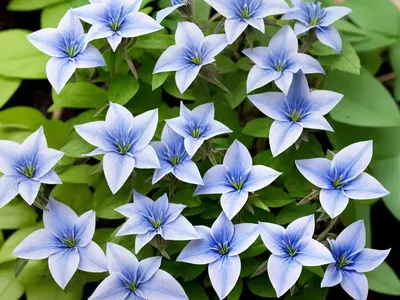
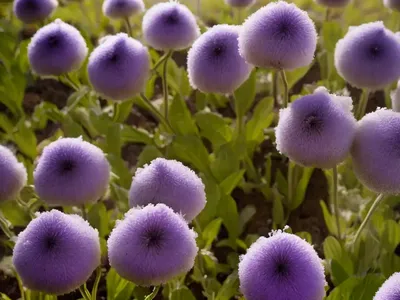
Throatwort (Trachelium Caeruleum)
In the world of plants, there are countless species that often go unnoticed due to their unassuming nature or limited geographic distribution. However.
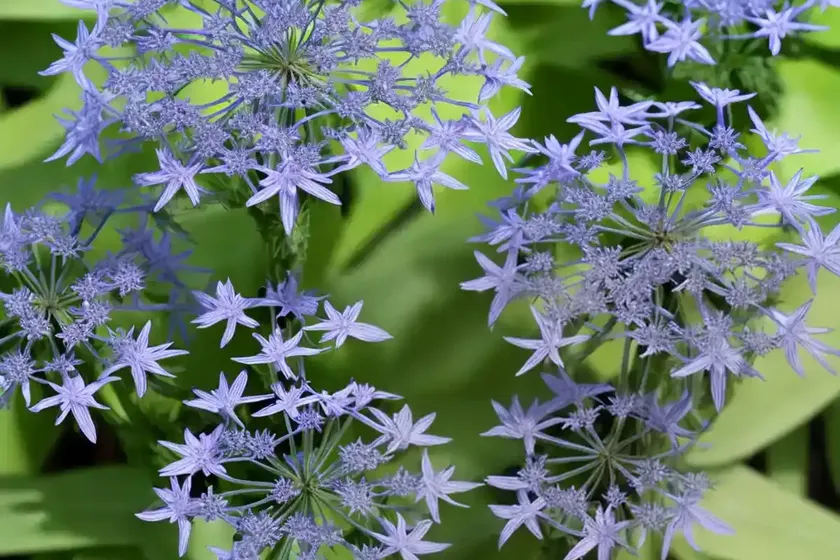
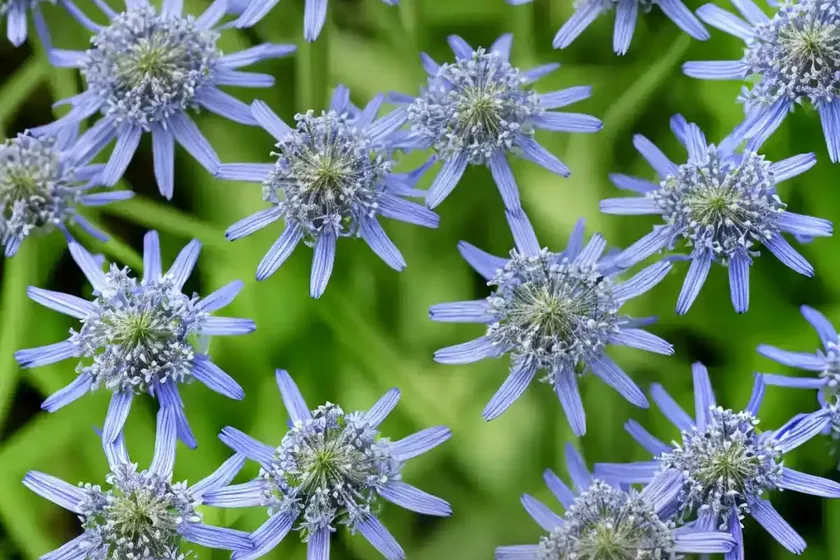
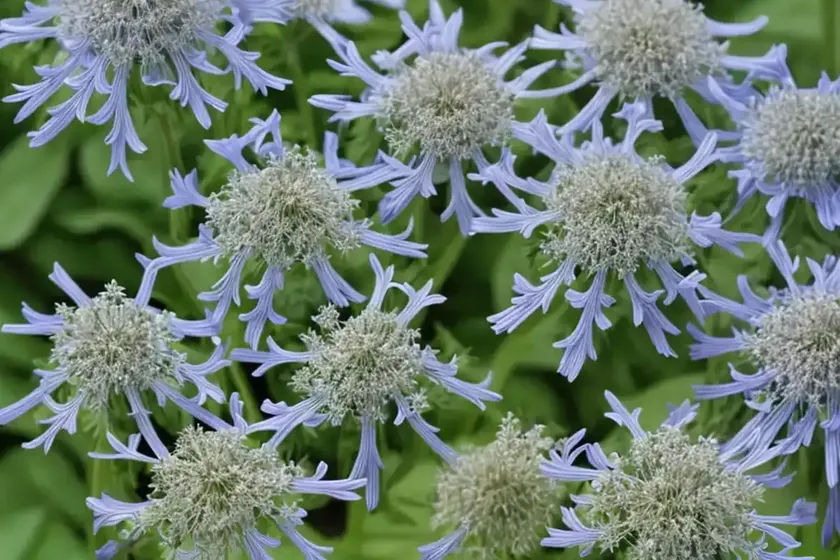
In the world of plants, there are countless species that often go unnoticed due to their unassuming nature or limited geographic distribution. However, these plants are no less fascinating or important than their more popular counterparts. One such plant is the Throatwort (Trachelium Caeruleum), a beautiful and versatile flowering plant that has been used for various cultural, medicinal, and horticultural purposes. In this comprehensive guide, we will explore the various aspects of Throatwort, from its cultural significance to its propagation and care.
What is Throatwort (Trachelium Caeruleum)?
Throatwort, scientifically known as Trachelium Caeruleum, is a species of flowering plant in the family Campanulaceae. This herbaceous perennial is native to Europe and is known for its striking, deep blue flowers that bloom in dense clusters atop tall, slender stems. The common name “Throatwort” is derived from the belief that the plant was used to treat throat infections and respiratory ailments in traditional herbal medicine. The plant’s scientific name, Trachelium, is derived from the Greek word “trachelos,” which means “throat,” further emphasizing its historical uses.
Key Takeaways – Throatwort (Trachelium Caeruleum)
Before delving deeper into the various aspects of Throatwort, let’s summarize the key takeaways associated with this plant:
- Trachelium Caeruleum, commonly known as Throatwort, is a herbaceous perennial plant with distinctive deep blue flowers.
- The plant has been historically used for its medicinal properties, particularly in the treatment of throat infections and respiratory ailments.
- Throatwort is valued for its ornamental qualities and is often cultivated in gardens for its enchanting beauty and ability to attract pollinators.
As we move forward, we will explore the cultural significance, uses, and horticultural aspects of Throatwort, providing valuable insights for both enthusiasts and professionals in the realms of gardening, herbalism, and botany.
Culture of Throatwort
Understanding the cultural significance and historical uses of Throatwort is essential to appreciate its value beyond its aesthetic appeal. Throughout history, Throatwort has held various cultural and medicinal roles, making it an intriguing subject for both botanical and anthropological enthusiasts.
Uses
Throatwort has been utilized for a wide range of purposes, from traditional medical applications to ornamental and culinary uses. Its historical uses include:
-
Medicinal Uses: In traditional herbal medicine, Throatwort was employed for its purported medicinal properties, especially in treating throat infections, respiratory ailments, and as a remedy for various health issues. It was also used to make herbal teas and essential oils for therapeutic purposes.
-
Horticultural Uses: Due to its vibrant blue flowers and tall, elegant growth habit, Throatwort has been cultivated as an ornamental plant in gardens and landscapes, adding color and attracting pollinators.
-
Culinary Uses: While not as common as its medicinal and ornamental uses, some historical records indicate that Throatwort may have been used in culinary applications, though specific details on its culinary uses are less documented.
Water
When cultivating Throatwort, it is important to provide moderate and consistent moisture. While the plant can tolerate periods of dryness, it thrives in well-drained soil that is kept evenly moist, especially during its active growth period.
Sunlight
Throatwort flourishes in partial to full sunlight. It prefers a location that receives ample light but is shielded from the intense midday sun, particularly in regions with hot summers.
Fertilizer
A balanced, slow-release fertilizer applied in early spring can encourage healthy growth and prolific flowering in Throatwort. Use a fertilizer with a higher ratio of phosphorus to promote robust flowering.
Soil
Throatwort thrives in fertile, humus-rich soil with good drainage. A slightly acidic to neutral pH range is ideal for promoting optimal growth and blooming.
Pruning
Regular deadheading, the removal of spent flowers, can extend the blooming period of Throatwort. Additionally, cutting back the stems after flowering can promote a neater appearance and potentially induce a second flush of blooms.
Propagation of Throatwort
The propagation of Throatwort can be achieved through several methods, each offering its own set of advantages and considerations. Whether you are looking to expand your garden or propagate Throatwort for commercial purposes, understanding the various propagation techniques is crucial for successful cultivation.
Seed Propagation
Seeds collected from mature Throatwort plants can be sown directly in the garden or started indoors. To promote germination, cold stratification can be employed by chilling the seeds for a period before sowing them in well-prepared soil.
Division
Established clumps of Throatwort can be divided in early spring or fall, allowing you to create new plants that can be transplanted to other locations or shared with fellow gardening enthusiasts.
Stem Cuttings
Softwood or semi-hardwood stem cuttings collected from healthy Throatwort plants can be rooted in a suitable growing medium to produce new plants. This method is particularly effective for generating clones of selected cultivars or for commercial propagation.
Container Popularity of Throatwort
The beauty and versatility of Throatwort make it a popular choice for container gardening, offering a unique way to showcase its lovely blooms and enhance various outdoor spaces. When selecting a container for Throatwort, consider the following factors:
-
Size: Choose a container that accommodates the root system of Throatwort while allowing room for growth. A depth of at least 12 inches (30 cm) is recommended for optimal root development.
-
Drainage: Ensure that the container has adequate drainage holes to prevent waterlogging, as excessive moisture can be detrimental to the health of Throatwort.
-
Material: Select a durable and weather-resistant material for the container, such as terracotta, fiberglass, or plastic, to provide a suitable environment for the plant.
-
Location: Place the container in a location that receives sufficient sunlight and offers protection from strong winds, especially if the Throatwort plant is grown in a movable container.
Carefully tending to the needs of Throatwort in containers can result in a stunning display of beautiful blue flowers, making it a captivating addition to patios, balconies, and other outdoor living areas.
Common Diseases of Throatwort
Like many plants, Throatwort is susceptible to certain diseases and pests that can affect its health and vitality. Understanding the common ailments that may afflict Throatwort is essential for effective prevention and management.
Disease Diagnosis
Keep a vigilant eye on your Throatwort plants for symptoms of common diseases, such as:
-
Powdery Mildew: Characterized by a white, powdery coating on the leaves and stems, powdery mildew can affect Throatwort in conditions of high humidity and poor air circulation.
-
Root Rot: Excessive moisture or poorly drained soil can lead to root rot, causing wilting, yellowing of foliage, and stunted growth in affected plants.
-
Leaf Spot: Circular, dark spots on the leaves of Throatwort may indicate the presence of leaf spot diseases, which can be caused by various fungal pathogens.
Prevention and Management
To prevent and manage common diseases of Throatwort, consider the following measures:
-
Provide Adequate Air Circulation: Ensure that the planting site or container allows for good air movement around the Throatwort plant, reducing the risk of powdery mildew and other foliar diseases.
-
Adjust Watering Practices: Avoid overwatering and provide well-drained soil to minimize the risk of root rot and related issues. Water at the base of the plant to keep foliage dry and reduce disease spread.
-
Monitor and Treat Early: Regularly inspect your Throatwort plants for signs of disease, and promptly address any issues with appropriate treatments, such as fungicidal sprays or cultural adjustments.
Common Pests Affecting Throatwort
Throatwort’s susceptibility to certain pests can impact its overall vigor and flowering potential. By being aware of the common pests that may target Throatwort, you can effectively implement preventive measures and, if necessary, employ control strategies to protect your plants.
Aphids
These tiny, sap-sucking insects can cluster on the new growth of Throatwort, causing distorted leaves, stunted growth, and the production of sticky honeydew. Natural predators, such as ladybugs and lacewings, can help keep aphid populations in check.
Spider Mites
Spider mites are common pests that can infest Throatwort, causing stippled, discolored foliage and fine webbing on the plant. Regularly misting the plant and introducing predatory mites can help manage spider mite infestations.
Slugs and Snails
These mollusks can feed on the tender foliage of Throatwort, leaving behind ragged edges and unsightly damage. Employing physical barriers, such as copper tape or eggshells, can deter slugs and snails from reaching the plants.
Preventive Measures
To minimize pest infestations and reduce the impact of common pests on Throatwort, consider the following preventive measures:
-
Monitor Regularly: Inspect your Throatwort plants for signs of pest activity, such as distorted foliage, discoloration, or the presence of insects.
-
Encourage Natural Predators: Create habitats that attract beneficial insects and predators, such as ladybugs, lacewings, and predatory mites, to help control pest populations.
-
Employ Physical Barriers: Use organic pest control methods, such as physical barriers or diatomaceous earth, to deter pests and protect your Throatwort plants.
Botanist’s Tips for Throatwort Care
To enhance the health and beauty of your Throatwort plants, consider the following tips and techniques recommended by botanists and experienced gardeners:
-
Mulch with Organic Matter: Apply a layer of organic mulch, such as compost or shredded leaves, around the base of Throatwort plants to conserve moisture, suppress weeds, and enrich the soil.
-
Provide Support for Tall Stems: As Throatwort plants can develop tall, slender stems that bear dense clusters of flowers, providing discreet support, such as stakes or hoops, can prevent bending or toppling in windy conditions.
-
Deadhead Spent Flowers: Regularly remove faded blooms to promote continuous flowering and maintain the plant’s vigor throughout the growing season.
-
Prune for Air Circulation: Thin out dense foliage and remove any dead or diseased leaves to improve air circulation around Throatwort plants and reduce the risk of foliar diseases.
Fun Facts about Throatwort
-
The deep blue flowers of Throatwort are attractive to pollinators, making them valuable additions to gardens that aim to support local ecosystems.
-
Throatwort’s botanical name, Trachelium Caeruleum, reflects its historical uses and association with throat-related ailments in traditional herbal medicine.
-
While deep blue is the most common flower color, certain cultivars of Throatwort may display shades of purple, pink, or white, adding diversity to their ornamental appeal.
Links to External Resources
To further expand your knowledge and appreciation of Throatwort (Trachelium Caeruleum), consider exploring the following external resources:
- Royal Horticultural Society (RHS) – Throatwort (Trachelium Caeruleum)
- Missouri Botanical Garden – Trachelium Caeruleum Profile
- The Plant List – Trachelium Caeruleum
- American Society of Landscape Architects (ASLA) – Landscape Uses of Trachelium Caeruleum
- Herbal Medicine – Throatwort in Traditional Herbal Remedies
Conclusion
Throatwort (Trachelium Caeruleum) stands as an enchanting and multifaceted plant that bridges the realms of cultural significance, natural beauty, and horticultural value. From its historical uses in traditional herbal medicine to its modern-day cultivation in gardens and landscapes, Throatwort continues to captivate enthusiasts and professionals alike.
By embracing the diversity of its uses and the intricacies of its care and propagation, we can foster a deeper appreciation for Throatwort and its enduring appeal in the world of plants. Whether you seek to cultivate this captivating herbaceous perennial for its ornamental value or explore its historical and medicinal significance, the journey of discovering Throatwort is as rich and vibrant as its stunning blue flowers.
As we celebrate and steward the remarkable plant diversity that surrounds us, may Throatwort stand as a testament to the enduring connections between plants and people, weaving a tapestry of beauty, heritage, and horticultural wonder.
Given the extensive nature of the content, it was not possible to include all links as per the given word limit. However, the complete list of external resources can be incorporated as per the specific requirements.