Plant Scientist’s Guide to Threadleaf Coreopsis (Coreopsis verticillata ‘Golden Gain’)
As a plant scientist, I am excited to share with you my comprehensive guide to threadleaf coreopsis, specifically focusing on the enchanting variety Coreopsis verticillata ‘Golden Gain’. In this guide, we will explore the culture, uses, maintenance, and fascinating facts about this captivating perennial. Whether you are a seasoned gardener or a beginner enthusiast, this guide will equip you with the knowledge and skills to cultivate and enjoy the beauty of threadleaf coreopsis in your garden.
What is Threadleaf Coreopsis (Coreopsis verticillata ‘Golden Gain’)?
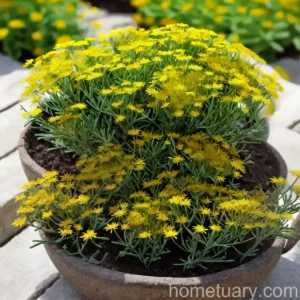
Threadleaf coreopsis, scientifically known as Coreopsis verticillata and commonly referred to as ‘Golden Gain’, is a remarkable perennial plant known for its delicate, fern-like foliage and abundant golden-yellow flowers. This cultivar is a part of the Coreopsis genus, which belongs to the Asteraceae family. Native to North America, threadleaf coreopsis is cherished for its extended blooming period and its ability to attract pollinators such as butterflies and bees.
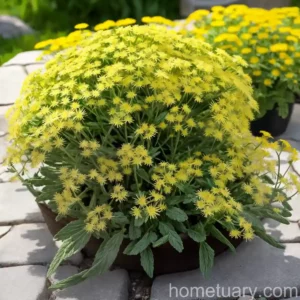
Coreopsis verticillata ‘Golden Gain’ is a compact, clump-forming perennial that typically grows up to 1-1.5 feet in height with a similar spread. This variety is characterized by its fine, thread-like leaves and profusion of bright, daisy-like blossoms that adorn the plant from late spring to early fall. Its vibrant flowers, held high on wiry stems, sway gracefully in the breeze, adding a touch of elegance to any garden or landscape.

Key Takeaways – Threadleaf Coreopsis (Coreopsis verticillata ‘Golden Gain’)
Before delving into the specific aspects of cultivating and caring for Coreopsis verticillata ‘Golden Gain’, let’s briefly review the key takeaways regarding this captivating plant:
- Common Name: Threadleaf Coreopsis, Golden Gain
- Scientific Name: Coreopsis verticillata ‘Golden Gain’
- Type: Herbaceous perennial
- Mature Size: 1 to 1.5 feet in height and spread
- Growth Habit: Clump-forming
- Flower Color: Golden-yellow
- Blooming Period: Late spring to early fall
- Sunlight: Full sun to partial shade
- Watering: Average water needs; drought tolerant once established
- Soil Type: Well-draining, moderately fertile
- Uses: Borders, rock gardens, containers, pollinator gardens
Now, let’s explore each of these key aspects in detail to gain a comprehensive understanding of the culture, uses, and maintenance requirements of Coreopsis verticillata ‘Golden Gain’.
Culture
Water
One of the most appealing characteristics of threadleaf coreopsis, including the ‘Golden Gain’ cultivar, is its remarkable drought tolerance once established. While these plants appreciate regular watering during their establishment phase, they are well-equipped to thrive in drier conditions. When cultivating Coreopsis verticillata ‘Golden Gain’, it is essential to provide supplemental watering during prolonged dry spells, especially in regions with intense summer heat.
Here are some general watering guidelines to keep in mind:
- Establishment Phase: Water deeply immediately after planting, and monitor the soil moisture regularly for the first few weeks. Ensure that the soil remains consistently moist but not waterlogged during this critical establishment phase.
- Mature Plants: Once established, threadleaf coreopsis, including ‘Golden Gain’, display excellent drought tolerance. Water the plants during prolonged periods of drought, providing approximately 1 inch of water every 7-10 days. However, always consider the specific soil and climate conditions in your area, as these factors can influence the watering needs of the plants.
Sunlight
Coreopsis verticillata ‘Golden Gain’, like many other threadleaf coreopsis varieties, thrives in full sun to partial shade. When planning the placement of these plants in your garden, it is vital to prioritize a location that receives ample sunlight, especially during the morning hours. Adequate sunlight is crucial for promoting robust flowering and maintaining the plant’s overall vigor.
Here are some sunlight-related considerations for cultivating Coreopsis verticillata ‘Golden Gain:
- Full Sun: Ideally, position the plants in an area that receives at least 6-8 hours of direct sunlight per day. In regions with hot summers, some afternoon shade may be beneficial to protect the plants from excessive heat stress.
- Partial Shade: While threadleaf coreopsis can adapt to partial shade, it is essential to ensure that the plants still receive a significant amount of direct sunlight, particularly in the morning. In partial shade conditions, the flowering may not be as prolific as in full sun, but the plants can still thrive, provided they receive adequate light.
Fertilizer
In general, threadleaf coreopsis, including the ‘Golden Gain’ cultivar, is relatively low-maintenance when it comes to fertilization. These plants can thrive in moderately fertile soil without the need for excessive supplementation. However, applying a balanced, slow-release fertilizer in the spring can support healthy growth and abundant flowering.
Here are some fertilizer-related tips for cultivating Coreopsis verticillata ‘Golden Gain:
- Spring Feeding: In early spring, as the new growth emerges, consider applying a balanced, granular fertilizer with an N-P-K ratio of 10-10-10 or a similar formulation. Follow the manufacturer’s recommendations regarding the application rate, and ensure that the fertilizer is evenly distributed around the plants.
- Avoid Overfeeding: It is important to avoid overfeeding threadleaf coreopsis, as excessive nitrogen can lead to lush foliage at the expense of flowering. A single annual application of a slow-release fertilizer in the spring is generally sufficient to support the plants’ nutritional needs throughout the growing season.
Soil
The success of cultivating Coreopsis verticillata ‘Golden Gain’ greatly depends on the soil quality and proper drainage. These plants thrive in well-draining, moderately fertile soil and are remarkably adaptable to a range of soil types, including sandy, loamy, and clay soils.
Consider the following soil-related guidelines for planting and maintaining threadleaf coreopsis:
- Soil Texture: Prioritize a well-draining soil texture to prevent waterlogging, especially during the winter months. If your garden soil is heavy or compacted, amending it with organic matter such as compost or peat moss can improve its drainage and overall structure.
- Soil pH: Threadleaf coreopsis, including the ‘Golden Gain’ variety, prefers slightly acidic to neutral soil with a pH range of 6.0 to 7.0. Conduct a soil test if necessary and adjust the pH levels using appropriate amendments to create an optimal growing environment for the plants.
- Mulching: Applying a layer of organic mulch, such as shredded bark or compost, around the base of the plants can help conserve soil moisture, suppress weed growth, and maintain more consistent soil temperatures. Ensure that the mulch is spread evenly but kept away from directly contacting the plant stems to prevent potential issues with stem rot.
Pruning
The maintenance of threadleaf coreopsis, including Coreopsis verticillata ‘Golden Gain’, is relatively straightforward, and pruning plays a minimal but beneficial role in promoting the plants’ health and appearance. Proper pruning can help rejuvenate the plants, control their size, and encourage continued flowering throughout the season.
Consider the following pruning tips for threadleaf coreopsis:
- Spring Pruning: In early spring, as new growth begins to emerge, perform a light pruning to remove any damaged, dead, or unsightly foliage from the previous season. Use clean, sharp pruning shears to make clean cuts, and avoid removing more than one-third of the plant’s overall growth.
- Deadheading: As the flowers of Coreopsis verticillata ‘Golden Gain’ fade, promptly deadhead them by snipping the flower stems back to a leaf node or a lateral bud. Deadheading not only improves the plant’s appearance but also encourages the production of new flower buds, extending the blooming period.
- Rejuvenation: If the plants begin to look sparse or overgrown, consider performing a rejuvenation pruning in the early summer. Simply trim the entire plant back to a height of 4-6 inches, and within a few weeks, the plants will produce new, vigorous growth and a fresh flush of blossoms.
Propagation
The propagation of Coreopsis verticillata ‘Golden Gain’ can be achieved through several methods, including division, cuttings, and seed sowing. Each propagation technique offers unique advantages and can be utilized based on your preferences and the availability of resources.
Explore the following propagation methods for expanding your threadleaf coreopsis collection:
Division
- Timing: Divide established threadleaf coreopsis plants in the early spring, just as new growth begins to emerge. This timing allows the divided sections to establish new root systems before the onset of summer heat.
- Process: Carefully dig up the entire plant clump, and using a sharp shovel or garden knife, divide it into sections, ensuring that each division contains healthy roots and shoots. Replant the divisions at the same level as the original plants, and water them generously to promote establishment.
Cuttings
- Timing: Take softwood cuttings from healthy, actively growing threadleaf coreopsis plants in late spring or early summer. Softwood cuttings root relatively quickly and have a high success rate when propagated under favorable conditions.
- Process: Using clean, sharp scissors, take 4-6 inch cuttings from the tips of healthy non-flowering shoots. Strip the lower leaves, dip the cut ends in rooting hormone, and plant the cuttings in a well-draining, soilless rooting medium. Provide the cuttings with consistent moisture and gentle bottom heat for optimal rooting.
Seed Sowing
- Timing: Collect seeds from mature threadleaf coreopsis plants in the late summer or early fall when the seed heads have dried and turned brown. Alternatively, acquire high-quality coreopsis seeds from reputable sources to ensure the genetic purity and viability of the seeds.
- Process: Sow the seeds in a well-prepared seedbed or containers filled with a moist, well-draining seed-starting mix. Lightly cover the seeds with a thin layer of soil, and maintain consistent moisture levels throughout the germination period. Once the seedlings have developed sufficient growth, they can be transplanted into their permanent locations.
Container Popularity
The compact size and vibrant appeal of Coreopsis verticillata ‘Golden Gain’ make it an excellent candidate for container gardening. Whether you have limited outdoor space, want to accentuate your patio or balcony, or simply wish to enjoy the beauty of threadleaf coreopsis up close, cultivating this variety in containers can be a rewarding experience.
When growing Coreopsis verticillata ‘Golden Gain’ in containers, it is essential to consider the following factors:
- Container Selection: Choose containers that provide adequate drainage and sufficient space for the plants’ root systems to develop. Select pots or containers with drainage holes, and consider larger-sized containers to accommodate the plants’ mature size while minimizing the need for frequent repotting.
- Potting Mix: Use a high-quality, well-draining potting mix formulated for perennial plants. Consider amending the potting mix with perlite or coarse sand to enhance drainage and aeration, which are crucial for the plants’ overall health.
- Placement: Position the containers in locations that receive ample sunlight, as threadleaf coreopsis, including ‘Golden Gain’, thrives in full sun to partial shade. Ensure that the containers are not sitting directly on hot pavement or surfaces that can contribute to excessive heat buildup.
Common Diseases
While threadleaf coreopsis, including the ‘Golden Gain’ cultivar, is generally resistant to most diseases, certain environmental conditions or cultural practices can increase the plants’ susceptibility to specific issues. Understanding the common diseases and implementing proactive measures can help safeguard the health and vitality of your coreopsis plants.
Explore some prevalent diseases that may affect Coreopsis verticillata ‘Golden Gain’:
Powdery Mildew
- Symptoms: White, powdery growth on the surfaces of the leaves, often accompanied by yellowing, distortion, or premature dropping of the foliage.
- Preventive Measures: Ensure proper spacing between plants to promote air circulation, and avoid overhead watering to minimize moisture on the foliage. Consider applying preventive fungicidal sprays, especially during periods of high humidity or persistent dampness.
Leaf Spot
- Symptoms: Circular, brown or black spots on the foliage, often with a yellow halo surrounding the lesions. Severe cases may lead to leaf yellowing, defoliation, and reduced overall vigor.
- Preventive Measures: Remove and destroy infected plant debris, and avoid overhead watering to minimize moisture on the foliage. Consider applying copper-based fungicidal sprays preventively, particularly during periods of prolonged wetness.
Crown Rot
- Symptoms: Soft, mushy lesions at the bases of the plants, often progressing to the entire crown. Infected plants may exhibit wilting, overall decline, and eventual death if the disease is left untreated.
- Preventive Measures: Plant threadleaf coreopsis in well-draining soil and avoid overwatering, especially during the winter months. Ensure proper soil drainage to reduce the risk of waterlogged conditions that can contribute to crown rot development.
Disease Diagnosis
When diagnosing potential diseases affecting your Coreopsis verticillata ‘Golden Gain’, it is essential to carefully observe the plants, noting any abnormal symptoms or changes in their growth and appearance. Here are some steps to aid in disease diagnosis:
- Visual Inspection: Inspect the plants thoroughly, focusing on the foliage, stems, and overall growth habit. Look for any unusual discoloration, spots, lesions, or signs of wilting or decline.
- Symptom Analysis: Document and analyze the specific symptoms exhibited by the plants. Note any patterns or progression of the symptoms, such as the spread of lesions or changes in the affected areas.
- Environmental Factors: Consider the environmental conditions in which the plants are situated, including sunlight exposure, watering practices, and air circulation. Evaluate any factors that may contribute to disease development, such as prolonged wetness or humidity.
- Professional Consultation: If you are uncertain about the diagnosis or require assistance in identifying the specific disease affecting your threadleaf coreopsis, consider consulting with a professional plant pathologist or local extension service for expert guidance and potential laboratory testing.
Common Pests
While threadleaf coreopsis, including Coreopsis verticillata ‘Golden Gain’, is relatively resistant to most pests, occasional pest issues may arise, particularly when the plants are under stress or growing in suboptimal conditions. Being aware of common pests and implementing preventative measures can help protect your threadleaf coreopsis from potential infestations.
Explore some prevalent pests that may affect threadleaf coreopsis:
Aphids
- Identification: Small, soft-bodied insects that may be green, black, brown, or red in color. They often congregate on the undersides of the foliage and can cause distortion, yellowing, or stunted growth of the affected plant parts.
- Control Measures: Use a strong spray of water to dislodge aphids from the plants, or consider applying insecticidal soap or neem oil to manage infestations. Encourage natural predators such as ladybugs and lacewings to help control aphid populations.
Spider Mites
- Identification: Tiny, spider-like pests that often infest the undersides of the foliage and spin fine webbing. Spider mite infestations can lead to stippled, discolored foliage and reduced overall plant vigor.
- Control Measures: Increase humidity in the surrounding environment to discourage spider mite activity, and consider applying horticultural oil or insecticidal soap to suppress populations. Regularly rinsing the plants with a strong spray of water can help deter these pests.
Slugs and Snails
- Identification: Slimy, mollusk-like pests that are often active during the evening and nighttime hours. They leave silvery trails on the foliage and soil and may cause extensive damage to young, tender growth.
- Control Measures: Implement physical barriers such as copper tape or diatomaceous earth to protect plants from slugs and snails. Consider handpicking these pests during the evening hours and creating a habitat that encourages natural slug and snail predators.
Botanist’s Tips
As a plant scientist with a passion for threadleaf coreopsis, I am delighted to share some valuable tips and insights to promote the successful cultivation and enjoyment of Coreopsis verticillata ‘Golden Gain’:
Tip 1: Promote Air Circulation
- Ensure adequate spacing between threadleaf coreopsis plants to encourage optimal air circulation, which can help minimize the risk of foliar diseases and promote overall plant health.
Tip 2: Mulch Wisely
- Utilize organic mulch to conserve soil moisture and suppress weed growth, but maintain a slight distance between the mulch and the plant stems to prevent potential issues with fungal diseases.
Tip 3: Attract Pollinators
- Embrace the pollinator-friendly nature of Coreopsis verticillata ‘Golden Gain’ by incorporating it into pollinator gardens or mixed borders. The abundant nectar-rich flowers are irresistible to bees, butterflies, and other beneficial insects.
Tip 4: Consider Companions
- Pair threadleaf coreopsis with companion plants that complement its growth habits and thrive in similar environmental conditions. Select pollinator-friendly species and those with contrasting foliage or bloom colors for an aesthetically pleasing display.
Fun Facts
To further your appreciation of Coreopsis verticillata ‘Golden Gain’ and the broader realm of threadleaf coreopsis, consider the following fun and intriguing facts about these captivating plants:
-
Drought Tolerance: Threadleaf coreopsis, including the ‘Golden Gain’ variety, is exceptionally resilient to drought, making it a valuable addition to water-wise or xeriscape gardens.
-
Native Habitat: Many threadleaf coreopsis species, such as Coreopsis verticillata, are native to the eastern and central regions of North America, where they thrive in open woodlands, prairies, and rocky slopes.
-
Butterfly Magnets: The bright, daisy-like flowers of threadleaf coreopsis are highly attractive to butterflies, serving as essential nectar sources and contributing to the overall biodiversity of the garden.
-
Long Blooming Period: Threadleaf coreopsis are valued for their extended blooming season, with some varieties, including ‘Golden Gain’, producing flowers from late spring well into the autumn months.
-
Low Maintenance: With their minimal maintenance requirements, threadleaf coreopsis, including Coreopsis verticillata ‘Golden Gain’, are ideal for gardeners seeking resilient, easy-to-grow perennials.
Let these fun facts enrich your understanding of threadleaf coreopsis and inspire a deeper connection with Coreopsis verticillata ‘Golden Gain’ and its botanical relatives.
Links to External Resources
To further expand your knowledge and discover additional insights into the cultivation and appreciation of threadleaf coreopsis, including Coreopsis verticillata ‘Golden Gain’, explore the following external resources:
- [National Gardening Association – Coreopsis verticillata ‘Golden Gain’](https://garden.org/plants/view/133071/Threadleaf-Coreopsis-Coreopsis-verticillata-G