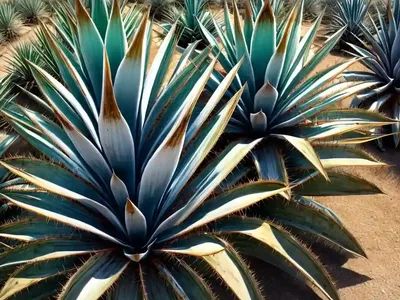
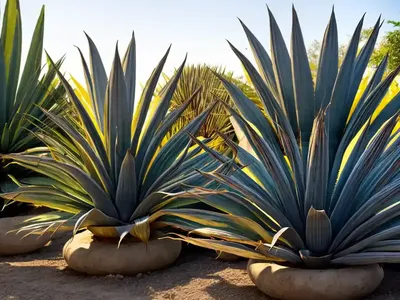
Dwarf Century Plant (Agave Desmettiana)
Plants have always captivated the imagination of human beings. They are not only essential for the survival of life on earth, but also add beauty and.
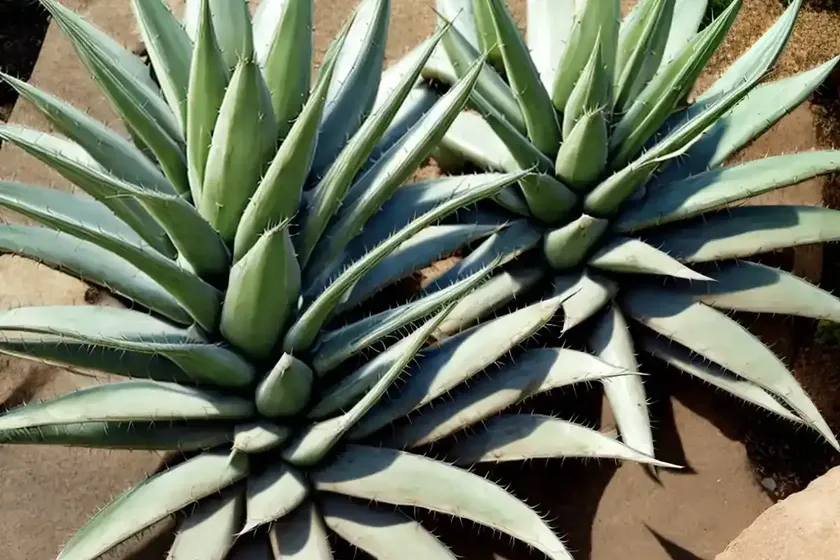
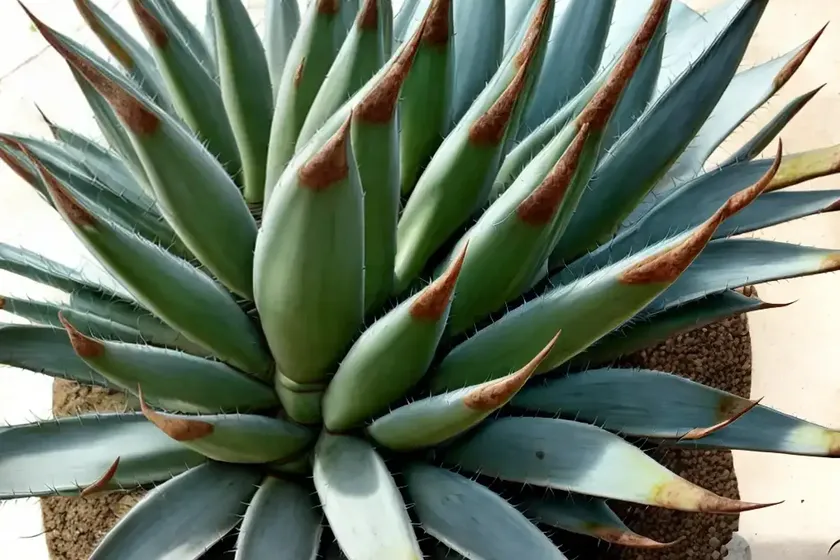
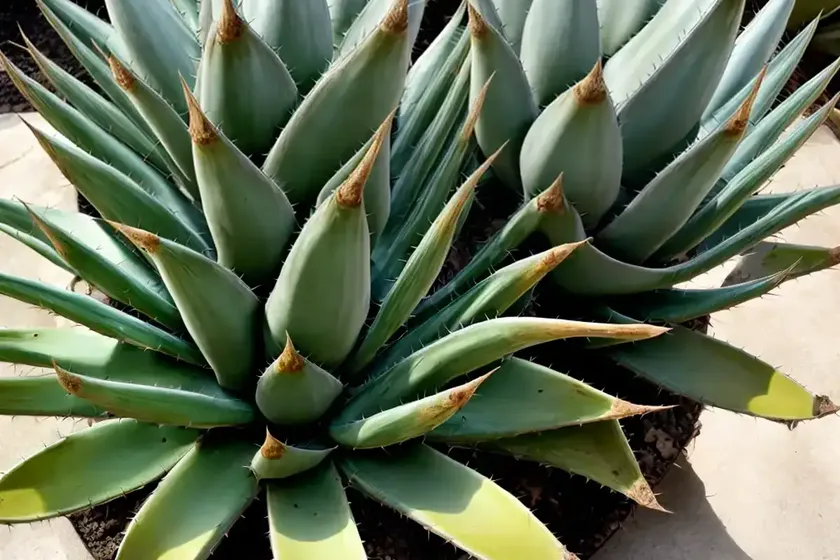
Plants have always captivated the imagination of human beings. They are not only essential for the survival of life on earth, but also add beauty and tranquility to our surroundings. Among the diverse array of plant species, the Dwarf Century Plant (Agave Desmettiana) stands out due to its unique characteristics and versatile uses. In this comprehensive guide, we will delve into the various aspects of this remarkable plant, including its cultural requirements, uses, propagation techniques, and much more.
What is a Plant?
Before we dive into the specifics of the Dwarf Century Plant, it’s essential to understand the fundamental characteristics of plants. Plants are living organisms that belong to the kingdom Plantae. They are multicellular, eukaryotic organisms that have the ability to produce their own food through the process of photosynthesis. While they come in an astonishing variety of shapes, sizes, and forms, all plants share some common features, such as chlorophyll for photosynthesis, cell walls composed of cellulose, and a life cycle that includes alternation of generations.
Plants play a crucial role in maintaining the balance of ecosystems, as they are the primary producers that form the base of the food chain. They also contribute to the oxygen-carbon dioxide cycle and provide habitats for countless organisms. Furthermore, plants have immense economic importance, as they serve as sources of food, medicine, clothing, shelter, and numerous other products that are vital for human well-being.
Dwarf Century Plant (Agave Desmettiana): An Introduction
The Dwarf Century Plant, scientifically known as Agave Desmettiana, is a striking succulent that belongs to the Asparagaceae family. It is native to Mexico and is renowned for its compact size and attractive foliage. Unlike its larger relatives, such as the Century Plant (Agave Americana), the Dwarf Century Plant is notably smaller in stature, making it an ideal choice for various landscaping and gardening purposes.
Key Takeaways: Dwarf Century Plant (Agave Desmettiana)
Let’s begin our exploration of the captivating Dwarf Century Plant by highlighting its key characteristics and attributes.
1. Culture
The culture of a plant encompasses its preferred growing conditions, including temperature, humidity, and light requirements. Understanding the cultural needs of the Dwarf Century Plant is essential to ensure its optimal growth and health.
2. Uses
The uses of the Dwarf Century Plant are multifaceted, ranging from ornamental landscaping to medicinal applications. Exploring its diverse uses sheds light on its significance in various contexts.
3. Water
Watering is a critical aspect of plant care, and the Dwarf Century Plant has specific requirements that should be considered to prevent overwatering or underwatering.
4. Sunlight
As with all plants, sunlight plays a crucial role in the growth and development of the Dwarf Century Plant. Understanding its sunlight needs is fundamental for successful cultivation.
5. Fertilizer
Proper fertilization is essential to provide the necessary nutrients for the healthy growth of the Dwarf Century Plant. Learning about the appropriate fertilization regimen is key to its well-being.
6. Soil
The type of soil in which the Dwarf Century Plant is grown significantly impacts its overall health and growth. Knowing the ideal soil conditions for this plant is vital for its successful cultivation.
7. Pruning
Pruning is a practice used to maintain the shape and aesthetics of plants. Understanding how and when to prune the Dwarf Century Plant is important in promoting its vigor and visual appeal.
8. Propagation
Propagation refers to the process of multiplying plants. Exploring the various propagation methods for the Dwarf Century Plant provides insights into expanding its presence in gardens and landscapes.
9. Container
Growing plants in containers offers flexibility and versatility. Understanding the suitability of containers for the Dwarf Century Plant is valuable for those interested in container gardening.
10. Popularity
Understanding the popularity of the Dwarf Century Plant offers a glimpse into its widespread appeal and significance in horticulture and beyond.
Now that we have outlined the key takeaways, let’s delve into each aspect in detail to gain a comprehensive understanding of the Dwarf Century Plant.
Culture of the Dwarf Century Plant
The culture of the Dwarf Century Plant encompasses various factors, including its preferred environmental conditions, temperature tolerance, and overall care requirements. Understanding these cultural aspects is essential for successful cultivation and maintenance of the plant.
Water
The water needs of the Dwarf Century Plant are characteristic of many succulents, as it is adapted to arid conditions and has low water requirements. Overwatering can be detrimental to the plant, leading to root rot and other related issues. Therefore, it is crucial to allow the soil to dry out between watering sessions. This is particularly important during the winter months when the plant is in a state of dormancy.
Sunlight
The Dwarf Century Plant thrives in full sun to partial shade. It appreciates bright, indirect light and can also tolerate direct sunlight, making it suitable for a variety of outdoor settings. When grown indoors, placing the plant near a south-facing window or providing supplemental grow lights can help meet its light requirements.
Soil
Well-draining soil is essential for the Dwarf Century Plant, as it is susceptible to root rot if kept in standing water. A sandy, loamy soil mix with good drainage properties is ideal for promoting healthy root development and preventing waterlogged conditions.
Temperature
As a native of Mexico, the Dwarf Century Plant is well adapted to warm and arid climates. It thrives in temperatures ranging from 50°F (10°C) to 85°F (29°C) and can withstand brief periods of colder temperatures, provided that frost or freezing conditions are avoided.
Humidity
Low humidity levels are well tolerated by the Dwarf Century Plant, making it suitable for regions with dry and arid climates. However, it is important to ensure good air circulation around the plant to prevent fungal issues and promote overall health.
Fertilizer
The Dwarf Century Plant has modest fertilizer needs and can thrive without frequent or heavy feeding. A balanced, diluted fertilizer applied during the growing season can help support its growth, but it is essential to avoid over-fertilization, which can lead to fertilizer burn and other complications.
Uses of the Dwarf Century Plant
The Dwarf Century Plant boasts a range of uses, making it a versatile addition to gardens, landscapes, and even interior spaces. From its ornamental value to potential medicinal applications, the plant offers various benefits and opportunities for diverse settings.
Ornamental Landscaping
One of the primary uses of the Dwarf Century Plant is its ornamental value in landscaping. Its compact size makes it suitable for border plantings, rock gardens, and xeriscapes. Its striking rosettes and attractive foliage add visual interest to outdoor spaces, especially in arid or Mediterranean-style landscapes.
Indoor Décor
As a low-maintenance and visually appealing plant, the Dwarf Century Plant is favored for indoor decor in homes, offices, and other interior settings. Its tolerance for indoor conditions, including dry air and moderate light levels, makes it an excellent choice for bringing a touch of greenery to indoor spaces.
Medicinal Purposes
In traditional medicine, certain species of Agave have been used for their purported medicinal properties. While the specific uses of Agave Desmettiana may vary, some species within the Agave genus have been employed for the treatment of various ailments. It is important to note that the medicinal uses of Agave Desmettiana should only be explored under the guidance of qualified healthcare professionals.
Pruning of the Dwarf Century Plant
Pruning is an important aspect of plant care that helps maintain the overall health and appearance of the Dwarf Century Plant. While this plant does not require extensive pruning, occasional maintenance is beneficial for removing dead or damaged leaves and promoting a tidy, compact growth habit.
Dead Leaf Removal
As the lower leaves of the Dwarf Century Plant naturally senesce, they can become dry and brown. Carefully removing these dead leaves not only enhances the plant’s appearance but also prevents the accumulation of debris that can create a favorable environment for pests and diseases.
Pup Management
Like many agave species, the Dwarf Century Plant produces offsets or “pups” as part of its natural growth cycle. These pups can be left in place to form clusters of plants or can be carefully removed and replanted to propagate new individuals. Pruning away excessive pups can help maintain the plant’s desired appearance and prevent overcrowding.
Propagation of the Dwarf Century Plant
Propagating the Dwarf Century Plant allows for the expansion of its presence in gardens, landscapes, and other settings. Understanding the methods of propagation provides opportunities for multiplying the plant and sharing its beauty with others.
Division of Offsets
One of the primary methods of propagating the Dwarf Century Plant is through the division of offsets, or pups. These small plantlets develop at the base of the parent plant and can be carefully separated and replanted in suitable growing conditions. This method allows for the creation of new individuals that are genetically identical to the parent plant.
Seed Propagation
While less commonly practiced due to the slow growth rate of agave species, propagating the Dwarf Century Plant from seed is another option for expanding its population. However, it is important to note that agaves are monocarpic, meaning they typically bloom once in their lifetime before setting seed and then die. Therefore, seed propagation may require patience and a longer-term perspective.
Leaf Cuttings
In some cases, the Dwarf Century Plant can be propagated from leaf cuttings, although this method is less common and may be more challenging than other propagation techniques. Care must be taken to select healthy and mature leaves for successful propagation via leaf cuttings.
Container Gardening with the Dwarf Century Plant
The Dwarf Century Plant’s compact size and adaptability make it well-suited for container gardening. Whether grown on patios, balconies, or indoors, the plant’s striking appearance and low maintenance requirements make it an attractive choice for container arrangements.
Container Selection
When selecting a container for the Dwarf Century Plant, it is important to choose one with adequate drainage holes to prevent waterlogging. Additionally, the size of the container should accommodate the plant’s root system and allow for some room for growth.
Soil for Containers
Using a well-draining potting mix is crucial for container-grown Dwarf Century Plants. A mix formulated for cacti and succulents, or a blend of sand, perlite, and peat, can provide the optimal growing medium to support the plant’s health and vitality.
Container Placement
Placing the container in a location that receives ample sunlight is essential for the Dwarf Century Plant’s well-being. Whether indoors or outdoors, providing the plant with the appropriate light conditions ensures its growth and development.
Maintenance in Containers
Regular maintenance of container-grown Dwarf Century Plants involves monitoring their water and light requirements, as well as occasional fertilization during the growing season. Additionally, repotting may be necessary as the plant grows to prevent root binding and maintain its health.
Popularity of the Dwarf Century Plant
The Dwarf Century Plant has garnered popularity among gardeners, landscapers, and plant enthusiasts for various reasons. Its attractive features, minimal care requirements, and versatility contribute to its widespread appeal in diverse settings.
Compact Size
One of the key factors contributing to the popularity of the Dwarf Century Plant is its compact size. Unlike its larger relatives, such as the Century Plant (Agave Americana), the dwarf variety is well-suited for smaller gardens, urban landscapes, and container arrangements.
Low Maintenance
The minimal care requirements of the Dwarf Century Plant make it an attractive option for individuals seeking low-maintenance plants. Its ability to thrive in arid conditions and withstand periods of neglect adds to its appeal for busy gardeners and novice plant enthusiasts.
Ornamental Value
The aesthetic appeal of the Dwarf Century Plant, characterized by its symmetrical rosettes and attractive foliage, adds ornamental value to outdoor and indoor spaces. Whether used as a focal point or as part of a diverse plant display, the plant’s visual charm enhances its popularity.
Versatile Uses
From landscaping and xeriscaping to indoor decor and container gardening, the Dwarf Century Plant offers versatile uses that cater to a range of preferences and design styles. Its adaptability to different environments contributes to its widespread popularity.
Common Diseases of the Dwarf Century Plant
While the Dwarf Century Plant is known for its resilience and adaptability, it is susceptible to certain diseases and issues that can impact its health. Understanding and identifying these common diseases is essential for implementing appropriate management strategies.
Root Rot
One of the primary concerns for the Dwarf Century Plant is root rot, which can occur when the plant is consistently overwatered or placed in poorly draining soil. Symptoms of root rot include yellowing or wilting of leaves, mushy or discolored roots, and an overall decline in the plant’s vigor.
Fungal Infections
In conditions of high humidity or poor air circulation, the Dwarf Century Plant may be prone to fungal infections, such as leaf spot diseases or powdery mildew. These infections can manifest as discolored or spotted leaves, powdery growth on the foliage, or overall decline in plant health.
Pest Infestations
While not a disease in the traditional sense, pest infestations can significantly impact the health of the Dwarf Century Plant. Common pests that may affect the plant include scale insects, spider mites, and mealybugs. Monitoring the plant for signs of pest activity and implementing appropriate control measures is essential for preventing damage.
Disease Diagnosis and Management
Diagnosing and managing diseases affecting the Dwarf Century Plant is essential for maintaining its health and vigor. Implementing proactive measures to prevent diseases and promptly addressing any issues that arise are crucial for the plant’s well-being.
Diagnosis
Accurately diagnosing diseases affecting the Dwarf Century Plant involves careful observation of its symptoms, including changes in leaf color and texture, wilting or drooping, presence of pests, and overall growth patterns. Identifying the specific disease or issue allows for targeted management strategies.
Management
Preventative measures, such as providing optimal growing conditions and avoiding overwatering, are key components of disease management for the Dwarf Century Plant. If disease symptoms are present, addressing the underlying cause, such as waterlogged soil or pest activity, is crucial. Additionally, using targeted treatments, such as fungicides or insecticidal soaps, may be necessary in more severe cases.
Common Pests Affecting the Dwarf Century Plant
In addition to diseases, the Dwarf Century Plant may be vulnerable to infestations by common pests that can impact its health and appearance. Identifying these pests and understanding their management is essential for safeguarding the plant from potential damage.
Scale Insects
Scale insects are small, immobile pests that often attach themselves to the stems or leaves of plants, where they feed on plant sap. These pests can cause yellowing of foliage, stunted growth, and overall decline in plant health. Managing scale insects may involve physical removal and the application of horticultural oils or insecticidal treatments.
Spider Mites
Spider mites are tiny arachnids that feed on the undersides of plant leaves, causing stippling, webbing, and discoloration of foliage. Maintaining proper humidity levels and utilizing water sprays or insecticidal soaps can help manage spider mite infestations.
Mealybugs
Mealybugs are soft-bodied insects that produce a white, waxy substance, often found in the leaf axils or crevices of plants. Their feeding can lead to wilting, yellowing, and deformities in plant growth. Control measures for mealybugs may include manual removal and the application of natural or chemical insecticides.
Botanist’s Tips for Caring for the Dwarf Century Plant
Drawing upon the expertise of botanists and plant experts provides valuable insights into the care and cultivation of the Dwarf Century Plant. Implementing their tips and recommendations can contribute to the plant’s overall health and vitality.
Provide Well-Draining Soil
Ensuring that the Dwarf Century Plant is grown in well-draining soil is a fundamental aspect of its care. This allows for proper root aeration and prevents waterlogged conditions, which can lead to root rot and other issues.
Monitor Watering Practices
Careful monitoring of watering practices is essential for the plant’s well-being. Allowing the soil to dry out between waterings, particularly during the winter months, helps prevent excessive moisture and potential root rot.
Control Light Exposure
Balanced exposure to sunlight is important for the Dwarf Century Plant. While it thrives in full sun to partial shade, excessively low light levels or prolonged exposure to intense, direct sunlight should be avoided.
Address Pest Issues Promptly
Addressing pest infestations promptly is crucial for preventing damage to the plant. Regularly inspecting the plant for signs of pests and implementing control measures as soon as issues are identified can help maintain its health.
Consider Container Gardening
For individuals with limited outdoor space or those seeking the flexibility of container gardening, the Dwarf Century Plant is well-suited for growing in containers. Choosing appropriate containers and providing suitable growing conditions are key considerations for successful container cultivation.
Fun Facts about the Dwarf Century Plant
Exploring the fascinating world of the Dwarf Century Plant reveals a range of interesting and noteworthy facts that contribute to its allure and appeal. From its historical significance to its ecological adaptations, these fun facts offer a deeper understanding of this captivating plant.
-
Historical Significance: Agave species, including the Dwarf Century Plant, have been used by indigenous cultures for various purposes, such as fiber production, food, and traditional medicine.
-
Pollinator Attraction: When the Dwarf Century Plant blooms, it produces a towering flower spike that is an excellent nectar source for pollinators, such as bees and hummingbirds.
-
Drought Adaptation: The succulent nature of the Dwarf Century Plant allows it to store water in its leaves, enabling it to withstand extended periods of drought and arid conditions.
-
Cultural Symbolism: In some regions, agaves hold cultural significance and are associated with symbolism related to endurance, resilience, and the ability to thrive in harsh environments.
-
Agave Syrup Production: While Agave Desmettiana is not typically used for commercial agave syrup production, certain species within the Agave genus are cultivated for the production of sweetening agents and alcoholic beverages.
-
Landscape Architecture: The architectural form and visual impact of the Dwarf Century Plant make it a favored choice for modern and minimalist landscape designs, adding a sculptural element to outdoor spaces.
Links to External Resources
For those seeking further information and resources on the Dwarf Century Plant, here are some valuable external links that provide in-depth insights, care guides, and additional perspectives on this fascinating succulent:
- Royal Horticultural Society – Agave Desmettiana
- University of Florida – Agave Desmettiana Care Guide
- Missouri Botanical Garden – Plant Finder: Agave Desmettiana
- Arizona State University – Agave Cultivation and Uses
- The Spruce – Growing Agave Plants Indoors
- [San Francisco Botanical Garden – Succulent Garden Design Ideas](https://www.sfbg.org/succulent