Thorn-apple (Datura Stramonium)
Thorn-apple, scientifically known as Datura Stramonium, is a captivating plant with a rich history, diverse uses, and intriguing characteristics. As a.
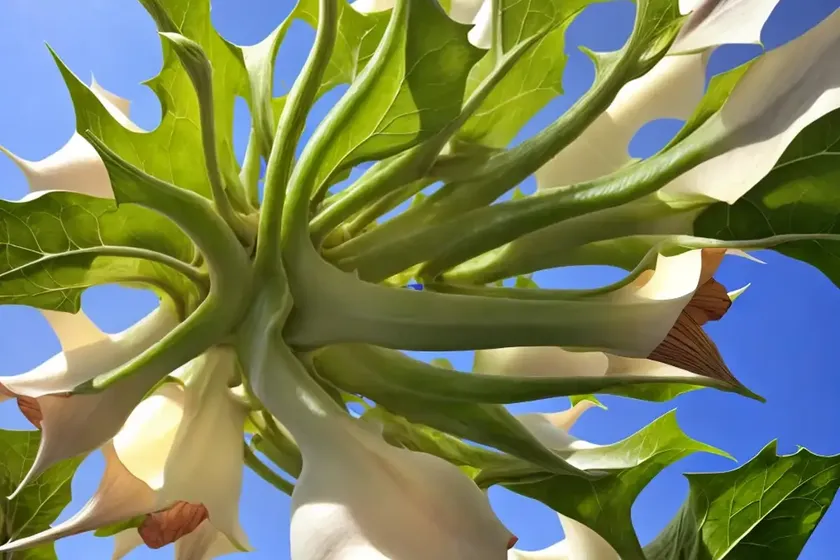
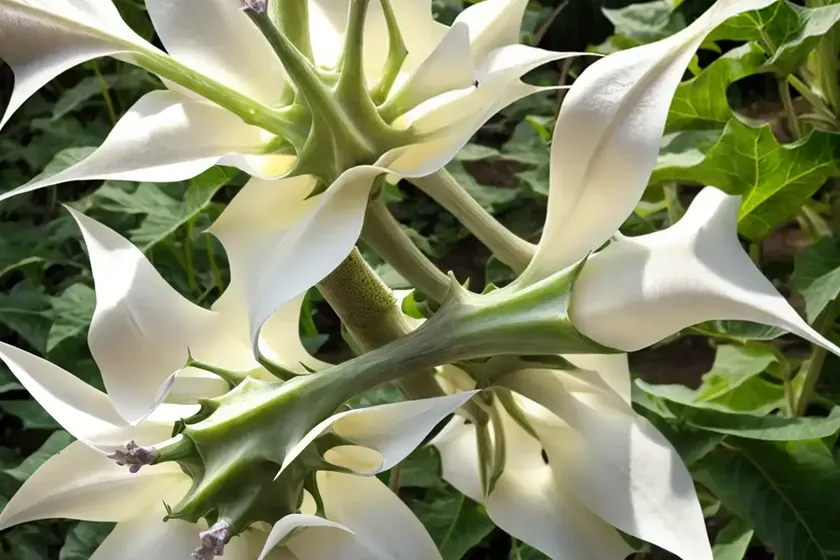
Thorn-apple, scientifically known as Datura Stramonium, is a captivating plant with a rich history, diverse uses, and intriguing characteristics. As a plant scientist, I am delighted to delve into the world of Thorn-apple, exploring its cultivation, uses, growing conditions, folklore, medicinal properties, and much more. Join me on this botanical journey as we uncover the allure of Thorn-apple and gain valuable insights into its care and significance.
What is Plant: Thorn-apple (Datura Stramonium)?
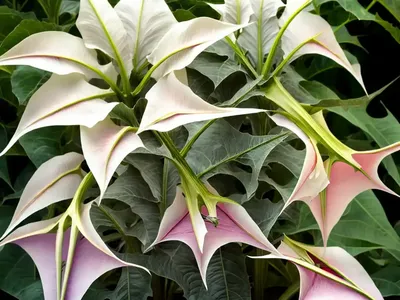
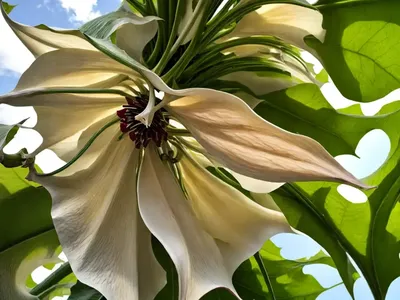
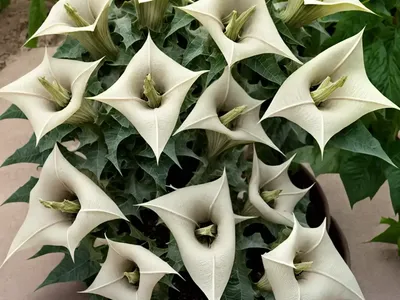
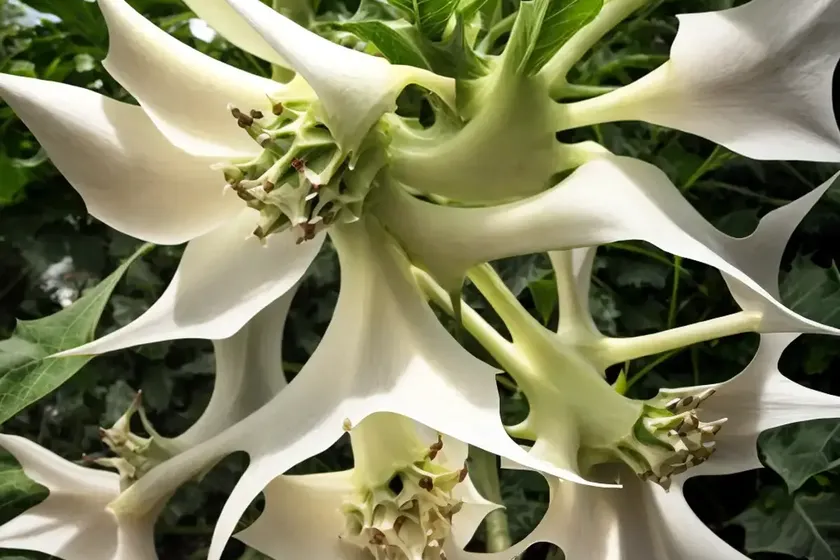
Datura Stramonium, commonly referred to as Thorn-apple, is a member of the Solanaceae family, which also includes other well-known plants such as tomatoes, potatoes, and bell peppers. This plant is native to the Americas, with a widespread presence in various regions across the continents. Thorn-apple is characterized by its striking trumpet-shaped flowers, spiky seed pods, and distinctive foliage, making it a visually captivating addition to gardens and natural landscapes.
Key Takeaways – Thorn-apple (Datura Stramonium)
Before delving deeper into the various aspects of Thorn-apple, let’s highlight some key takeaways that will guide our exploration of this intriguing plant:
- Thorn-apple, scientifically known as Datura Stramonium, belongs to the Solanaceae family.
- The plant is recognized by its trumpet-shaped flowers and spiky seed pods.
- It has a rich history of cultural, medicinal, and folklore significance.
- As a plant scientist, I will provide insights into its cultivation, uses, growing conditions, folklore, medicinal properties, and more.
Now, let’s embark on our journey to unravel the captivating world of Thorn-apple, exploring its cultural significance, uses, growing conditions, and much more.
Culture
Thorn-apple Plant Uses
Thorn-apple (Datura Stramonium) is a plant with diverse uses that have been recognized and employed throughout history. From medicinal applications to cultural and spiritual significance, Thorn-apple has played a multifaceted role in various societies.
-
Medicinal Properties: Thorn-apple has a long history of use in traditional medicine for its potential therapeutic properties. The plant contains alkaloids, tropane alkaloids such as atropine, hyoscyamine, and scopolamine, which have been utilized in herbal remedies for their antispasmodic, sedative, and pain-relieving effects.
-
Cultural and Spiritual Significance: In many cultures, Thorn-apple has held spiritual and ritualistic significance, often associated with hallucinogenic properties and shamanic practices. The plant’s psychoactive effects have contributed to its use in spiritual ceremonies and cultural rituals in various indigenous traditions.
-
Historical Uses: Throughout history, Thorn-apple has been employed for a range of purposes, including as a natural insect repellent, a source of natural dyes, and a component in traditional remedies for ailments such as asthma, coughs, and rheumatism.
With its diverse uses and historical significance, Thorn-apple continues to intrigue researchers, herbalists, and enthusiasts alike, inviting further exploration into its properties and potential applications.
Growing Thorn-apple Plant
Water
The watering needs of Thorn-apple plants are influenced by factors such as climate, soil conditions, and the plant’s growth stage. Generally, Thorn-apple plants require adequate moisture, especially during the growing season and periods of dry weather. However, it is essential to avoid overwatering, as excessive moisture can lead to root rot and other complications.
Watering Tips for Thorn-apple Plants:
- Establishment Phase: During the initial establishment phase, ensure that the plant receives regular watering to support root development and overall growth.
- Mature Plants: Once established, Thorn-apple plants benefit from moderate watering, allowing the soil to dry out slightly between waterings to prevent waterlogged conditions.
Sunlight
Thorn-apple plants thrive in full sunlight, requiring at least 6 to 8 hours of direct sunlight daily to support robust growth and blooming. When selecting a planting location for Thorn-apple, prioritize areas that receive ample sunlight and provide the plant with the necessary light exposure to flourish.
Sunlight Requirements for Thorn-apple:
- Optimal Exposure: Choose a planting site that offers full sun exposure, ensuring that Thorn-apple receives the light it needs for healthy development.
- Shade Considerations: While Thorn-apple prefers full sunlight, it can tolerate partial shade in regions with intense midday sun or high temperatures, especially during the peak of summer.
Fertilizer
Appropriate fertilization can contribute to the healthy growth and blooming of Thorn-apple plants, providing essential nutrients to support their vigor and resilience. When selecting fertilizers for Thorn-apple, consider balanced formulations that encompass a range of key nutrients, including nitrogen, phosphorus, and potassium.
Fertilization Tips for Thorn-apple Plants:
- Regular Feeding: Apply a balanced, all-purpose fertilizer to Thorn-apple plants during the growing season to promote robust growth and flowering.
- Avoid Excessive Nitrogen: While nitrogen is essential for leafy growth, excessive nitrogen can lead to reduced flowering and excessive vegetative development, so aim for balanced fertilization.
Soil
The choice of soil for Thorn-apple cultivation plays a crucial role in providing the plant with a supportive growing environment. Well-draining soil with good fertility and a slightly acidic to neutral pH range is ideal for Thorn-apple, facilitating healthy root development and overall plant vitality.
Soil Considerations for Thorn-apple:
- Well-Draining Soil: Select soil that offers good drainage to prevent waterlogged conditions, as Thorn-apple is susceptible to root issues in excessively wet environments.
- Fertility and pH: Amend the soil with organic matter and adjust the pH if necessary, aiming for a slightly acidic to neutral range to create an optimal growing medium for Thorn-apple.
Pruning
Pruning Thorn-apple plants can help maintain their shape, remove dead or damaged growth, and promote flowering. It is essential to approach pruning with care, ensuring that the necessary precautions are taken to protect the handler from potential contact with the plant’s toxic components, including its foliage and seeds.
Pruning Guidelines for Thorn-apple plants:
- Deadheading: Remove spent flowers to encourage further blooming and prevent the formation of seed pods.
- Cautionary Measures: Exercise caution when pruning Thorn-apple, wearing suitable protective gear to prevent skin contact with its potentially toxic parts.
Propagation
Thorn-apple plants can be propagated through various methods, including seeds and cuttings. Each propagation approach offers unique benefits and considerations, allowing growers to expand their Thorn-apple collection and propagate new plants for ornamental or medicinal purposes.
Propagation Methods for Thorn-apple:
- Seed Propagation: Sow Thorn-apple seeds in a well-prepared seed-starting mix, providing warmth and moisture to facilitate germination. Once established, seedlings can be transplanted to their desired growing locations.
- Cutting Propagation: Take stem cuttings from healthy Thorn-apple plants, ensuring that they include several nodes. Root the cuttings in a suitable growing medium, such as a mixture of peat and perlite, to encourage root development and subsequent growth.
Container Popularity
Thorn-apple plants are well-suited for container cultivation, offering versatility and ornamental appeal in various settings, such as balconies, patios, and indoor spaces. Container gardening provides the opportunity to grow Thorn-apple plants in environments where ground cultivation may be limited, allowing enthusiasts to enjoy the plant’s beauty and fragrance in confined spaces.
Benefits of Container Cultivation for Thorn-apple:
- Space Flexibility: Container cultivation enables individuals with limited outdoor space to grow Thorn-apple plants, expanding gardening possibilities in urban and confined settings.
- Aesthetic Appeal: Thorn-apple’s striking flowers and spiky seed pods make it an attractive addition to container gardens, adding visual interest and a touch of elegance to outdoor and indoor spaces.
Common Diseases
As with many plants, Thorn-apple is susceptible to certain diseases that can impact its health and vigor. Recognizing common diseases that affect Thorn-apple and understanding their symptoms is essential for implementing effective preventive measures and appropriate treatments.
Disease Diagnosis
Some common diseases that may affect Thorn-apple plants include:
- Powdery Mildew: This fungal disease manifests as powdery white patches on the leaves, often leading to leaf distortion and reduced plant vigor.
- Leaf Spot: Leaf spot diseases can cause the development of dark or discolored spots on Thorn-apple leaves, potentially leading to defoliation and weakened plant health.
- Root Rot: Excessive moisture and poor drainage can contribute to root rot, causing yellowing or wilting of foliage and overall decline in plant vitality.
Disease Prevention and Management
Implementing good cultural practices, such as proper watering, adequate spacing, and providing optimal growing conditions, can help minimize the risk of disease in Thorn-apple plants. Additionally, using disease-resistant varieties and promptly addressing any signs of disease through appropriate treatments can support the overall health and resilience of Thorn-apple.
Common Pests
Thorn-apple plants may also face challenges from various pests that can negatively impact their growth and appearance. Identifying common pests and understanding their behaviors is crucial for implementing integrated pest management strategies to protect Thorn-apple from infestations.
Thorn-apple Plant Pests
Common pests that may affect Thorn-apple plants include:
- Aphids: These small, sap-feeding insects can congregate on the undersides of Thorn-apple leaves, causing yellowing, distortion, and the development of sticky honeydew.
- Spider Mites: These tiny arachnids can cause stippling and webbing on Thorn-apple leaves, leading to reduced photosynthetic efficiency and overall plant vigor.
- Caterpillars: Certain caterpillar species may feed on Thorn-apple foliage, resulting in leaf damage and potential defoliation if infestations are severe.
Pest Management Strategies
Integrated pest management techniques, including monitoring for pest presence, promoting natural predators, and employing targeted treatments when necessary, can help manage pest pressures on Thorn-apple plants effectively. Additionally, maintaining plant health through proper watering, fertilization, and cultural practices can bolster Thorn-apple’s resilience against pest attacks.
Botanist’s Tips
As a plant scientist with a passion for Thorn-apple and its botanical intricacies, I offer the following tips for enthusiasts and growers interested in cultivating and appreciating this captivating plant:
-
Research and Education: Prior to cultivating Thorn-apple, conduct thorough research and familiarize yourself with the plant’s characteristics, requirements, and potential considerations, including its toxicity and historical significance.
-
Cultural and Historical Awareness: Embrace the cultural and historical richness of Thorn-apple, recognizing its place in traditional medicine, folklore, and artistic representations as a source of inspiration and intrigue.
-
Precautionary Measures: While appreciating Thorn-apple’s beauty and allure, exercise caution and awareness of its potentially toxic components, especially when handling or cultivating the plant.
Fun Facts
To further enhance our appreciation for Thorn-apple, here are some engaging and intriguing fun facts about this remarkable plant:
-
Night-Blooming Beauty: Thorn-apple is often recognized for its nocturnal blooming behavior, with its flowers unfurling and emitting a sweet fragrance under the cover of darkness, attracting pollinators such as moths and nocturnal insects.
-
Ornamental Elegance: Beyond its historical and medicinal significance, Thorn-apple’s striking flowers and unique seed pods make it a visually captivating ornamental plant, adding a touch of allure and mystery to garden landscapes.
-
Cultural Significance: Thorn-apple has been woven into the tapestry of human culture and folklore, featuring in stories, myths, and artistic expressions as a symbol of enchantment and mystery, captivating the imagination across diverse traditions and narratives.
With its array of uses, historical significance, and cultural symbolism, Thorn-apple remains a beguiling and multifaceted plant that continues to captivate enthusiasts and researchers across the globe.
Links to External Resources
For further exploration and in-depth information on Thorn-apple (Datura Stramonium), I recommend the following external resources:
- The Plant List: Datura Stramonium
- Medicinal Plants of the Southwest
- Royal Horticultural Society: Datura Stramonium
- The Folklore of Plants
- Psychoactive Plants and Their Effects
These resources offer valuable insights, scientific information, and historical perspectives on Thorn-apple, providing a comprehensive understanding of its attributes, uses, and intricate botanical features.
In conclusion, Thorn-apple (Datura Stramonium) stands as a plant of profound historical, medicinal, and cultural significance, offering a captivating blend of visual allure and botanical intrigue. From its nocturnal blooms to its historical uses and symbolic resonance, Thorn-apple invites us to delve into its enchanting world, enriching our botanical journeys and deepening our appreciation for the wonders of the plant kingdom. Whether as a source of medicinal exploration, an ornamental treasure, or a subject of folklore and symbolism, Thorn-apple continues to fascinate and inspire, weaving its enigmatic charm into the fabric of human experience and botanical curiosity.
As a plant scientist, my fascination with Thorn-apple persists, spurring a continued exploration and celebration of this extraordinary botanical gem.
The blog post provides an in-depth exploration of Thorn-apple (Datura Stramonium), covering its cultivation, uses, growing conditions, folklore, and significance. It is tailored to engage enthusiasts, gardeners, and individuals interested in the multifaceted nature of this captivating plant. Additionally, the incorporation of external resource links offers readers an opportunity for further exploration and research, enriching their understanding of Thorn-apple and its diverse attributes.