Devil’s Trumpet (Datura Innoxia)
Welcome to the complete guide to Devil’s Trumpet, also known as Datura innoxia. In this extensive guide, we’ll explore everything there is to know about.
Welcome to the complete guide to Devil’s Trumpet, also known as Datura innoxia. In this extensive guide, we’ll explore everything there is to know about this fascinating plant – from its cultural significance and folklore to its ideal growing conditions and propagation methods. Whether you’re a seasoned gardener or a beginner looking to add a captivating addition to your garden, this guide will equip you with all the information you need to cultivate and care for Devil’s Trumpet.
What is Devil’s Trumpet (Datura innoxia)?
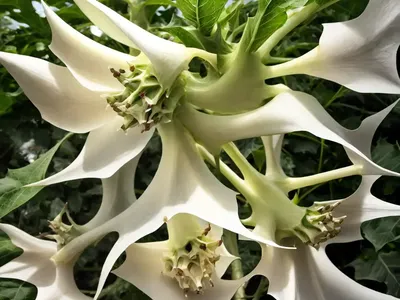
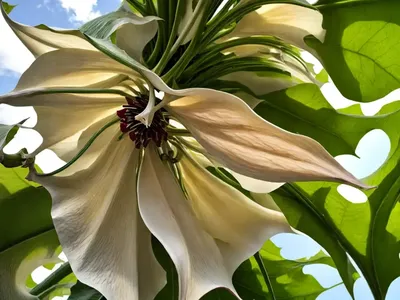
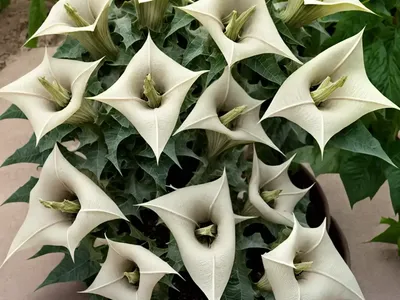
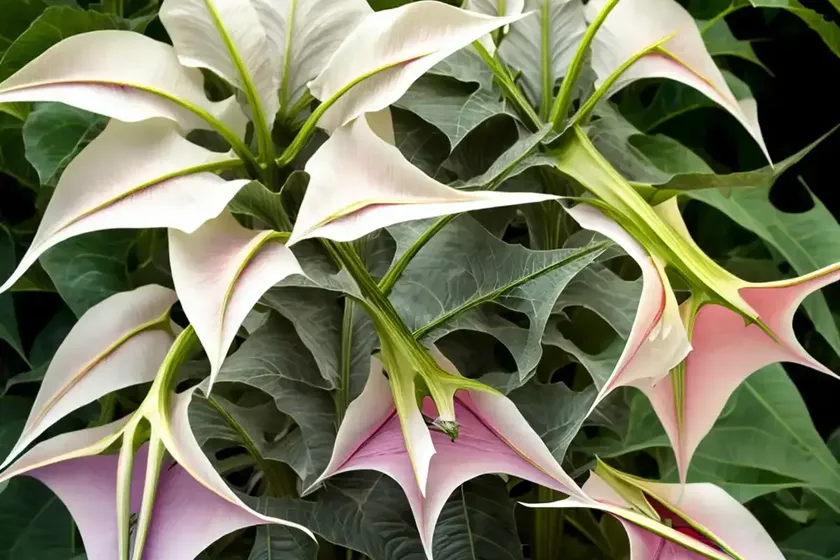
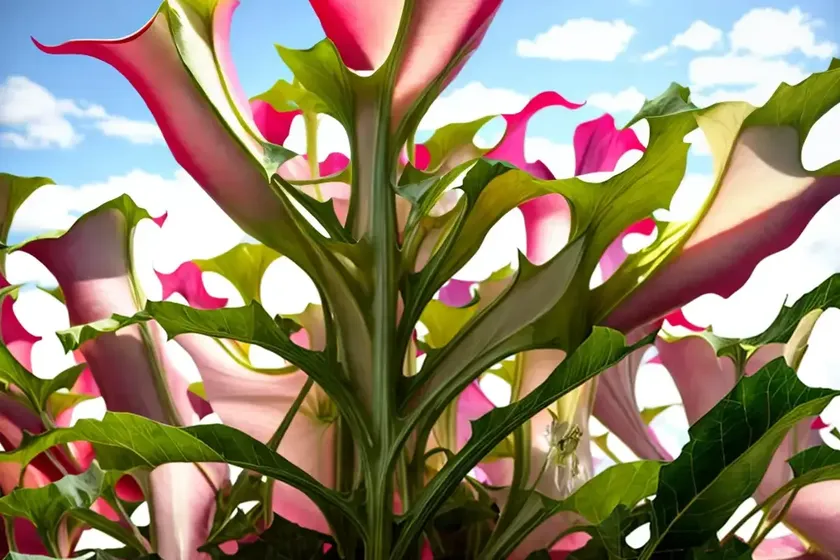
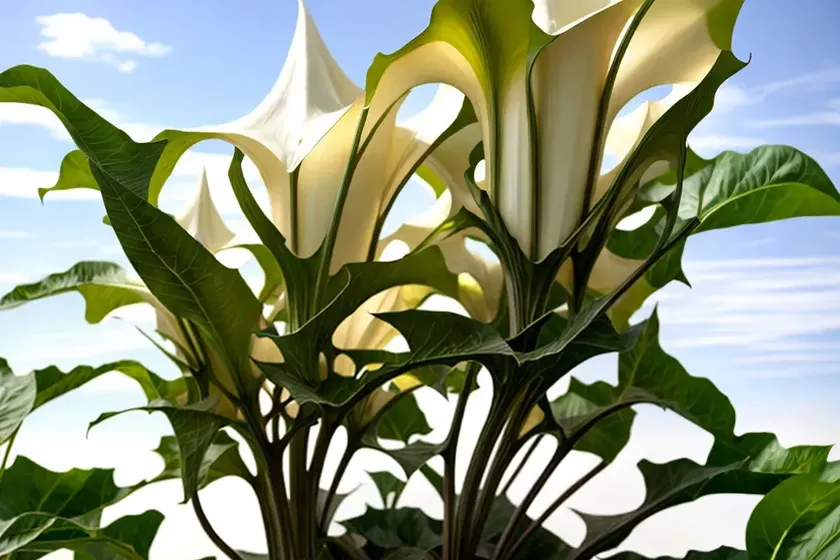
Devil’s Trumpet, scientifically known as Datura innoxia, is a species of flowering plant in the nightshade family, Solanaceae. Native to Central and South America, as well as the southwestern United States, this plant is renowned for its striking trumpet-shaped, white flowers that bloom in the evening, emitting a sweet, intoxicating fragrance. The plant’s botanical name, Datura, is derived from the Hindi word “dhatura,” which refers to a related species, Datura metel.
Key Takeaways
Scientific Name: Datura innoxia
Common Names: Devil’s Trumpet, Thorn Apple, Indian Apple, Sacred Datura
Family: Solanaceae (Nightshade family)
Native Habitat: Central and South America, Southwestern United States
Culture
Before we delve into the specifics of growing and caring for Devil’s Trumpet, it’s essential to understand the plant’s cultural significance and history. Devil’s Trumpet has been intertwined with human civilization for centuries, featuring prominently in various folklore, traditional rituals, and medicinal practices.
Devil’s Trumpet in Folklore
The plant has often been associated with mystical and supernatural elements in folklore. In some cultures, the flowers of Devil’s Trumpet are believed to possess transformative powers and have been used in shamanic rituals and ceremonies. Conversely, due to its hallucinogenic properties, it has also been associated with darker folklore, often featured in myths and cautionary tales.
Historical and Traditional Uses
Throughout history, Devil’s Trumpet has been utilized for its medicinal properties as well as its psychoactive effects. It has been employed in traditional medicine for treating conditions like asthma, cough, and rheumatism. However, it’s important to note that the plant contains potent alkaloids and must be used with extreme caution under the guidance of healthcare professionals.
Uses
Devil’s Trumpet offers a range of uses, from its ornamental value in landscaping to its historical significance in traditional medicine. Understanding its various applications can provide valuable insight into the diverse ways this plant has been utilized throughout history.
Medicinal Uses
In traditional medicine, Devil’s Trumpet has been valued for its potential therapeutic properties. Various parts of the plant have been used to treat respiratory ailments, induce sedation, and alleviate pain. However, its potent alkaloid content makes it a plant with considerable toxicity and requires careful handling and expert knowledge to utilize safely.
Ornamental Value
The plant’s large, showy flowers and distinctive foliage make it a striking addition to gardens and landscapes. Its mesmerizing flowers, combined with its evening fragrance, make Devil’s Trumpet a captivating choice for those seeking to incorporate exotic and captivating plants into their outdoor spaces.
Cultural Significance
From ancient rituals to modern symbolic representations, Devil’s Trumpet holds cultural significance in various societies. Its associations with mysticism, transformation, and otherworldly realms have made it a subject of fascination and reverence across different cultures.
Plant Care
Understanding the specific requirements of Devil’s Trumpet is crucial to successfully cultivate and care for this enchanting plant. From its ideal growing conditions to its water and sunlight needs, we’ll guide you through the essential aspects of plant care.
Water
Devil’s Trumpet thrives in consistently moist but well-draining soil. During the growing season, it’s essential to provide regular watering, ensuring the soil doesn’t dry out completely. However, it’s equally important to avoid overwatering, which can lead to root rot and other issues. In hot climates, additional watering may be necessary to prevent the soil from drying out excessively.
Sunlight
When it comes to sunlight, Devil’s Trumpet prefers full sun to partial shade. Providing the plant with at least six hours of direct sunlight per day is ideal for promoting healthy growth and abundant flowering. In regions with intense summer heat, providing some protection from the harsh midday sun can be beneficial, especially during heatwaves.
Fertilizer
Fertilizing Devil’s Trumpet can help encourage vigorous growth and prolific flowering. A balanced, all-purpose fertilizer can be applied at the beginning of the growing season. Additionally, supplementing with a bloom-boosting fertilizer high in phosphorus can enhance flower production. Remember to follow the recommended dosage and application guidelines to avoid over-fertilization.
Soil
The right soil composition is essential for the healthy development of Devil’s Trumpet. A well-draining, loamy soil with a slightly acidic to neutral pH range is favorable for this plant. Amending the soil with organic matter, such as compost or well-rotted manure, can improve its structure and fertility. Furthermore, ensuring adequate soil aeration will contribute to robust root development.
Pruning
Pruning Devil’s Trumpet is beneficial for maintaining its shape, controlling its size, and promoting bushier growth. Removing spent flowers and shaping the plant after the blooming period can encourage the formation of new buds and prevent the plant from becoming straggly. Additionally, removing any damaged or diseased foliage can help maintain the plant’s overall health.
Propagation
Propagating Devil’s Trumpet can be achieved through various methods, including seed sowing, stem cuttings, and division. Each approach offers its own set of advantages and considerations. Understanding the propagation techniques is essential for expanding your Devil’s Trumpet collection and sharing the plant with fellow gardening enthusiasts.
Seed Sowing
Sowing Devil’s Trumpet seeds is a popular method for propagating the plant. By collecting and sowing mature seeds, gardeners can grow new plants that retain the characteristics of the parent plant. However, it’s important to note that Devil’s Trumpet seeds are toxic and should be handled with care.
Stem Cuttings
Taking stem cuttings from mature, healthy plants can facilitate the propagation of Devil’s Trumpet. This method allows for the rapid establishment of new plants and can be particularly useful for producing identical clones of desirable cultivars. Ensuring that the cuttings are taken from disease-free, vigorous plants is crucial for successful propagation.
Division
In some cases, dividing mature Devil’s Trumpet plants can be an effective propagation method. This approach involves carefully separating the plant into sections, each containing a portion of the root system and above-ground growth. Dividing the plant can rejuvenate overgrown specimens and create new plants for additional garden beds or containers.
Container Gardening
Devil’s Trumpet is well-suited for container gardening, offering a stunning focal point for patios, balconies, and other outdoor spaces. When growing Devil’s Trumpet in containers, certain considerations regarding soil, water, and sunlight become particularly important.
Soil
Selecting a well-draining potting mix is crucial for container-grown Devil’s Trumpet. A mix formulated for flowering plants, enriched with organic matter and perlite for improved drainage, can provide the ideal growing medium. Additionally, ensuring the container has adequate drainage holes is essential for preventing waterlogged soil.
Water
Container-grown Devil’s Trumpet may require more frequent watering compared to plants grown in the ground. The limited soil volume in containers can lead to faster drying, especially in warm weather. Monitoring the soil moisture and providing regular, even watering can help maintain optimal growing conditions for the plant.
Sunlight
Placing Devil’s Trumpet containers in a sunny location is essential for ensuring robust growth and abundant flowering. Balconies, patios, and other outdoor areas that receive ample direct sunlight are ideal for cultivating container-grown Devil’s Trumpet. Providing some shade during the hottest part of the day can prevent excessive stress on the plants.
Popularity
Devil’s Trumpet has gained widespread popularity among gardeners and plant enthusiasts due to its captivating flowers, intoxicating fragrance, and intriguing history. As more people discover the allure of this plant, its presence in gardens, landscapes, and even indoor settings continues to grow.
Gardens and Landscapes
In gardens and landscapes, Devil’s Trumpet makes a stunning impression with its large, trumpet-shaped flowers and lush foliage. Whether grown as a standalone specimen or incorporated into mixed borders, the plant’s ornamental value is undeniable. Its ability to attract nocturnal pollinators further adds to its appeal as a garden feature.
Indoor Cultivation
In regions with colder climates, Devil’s Trumpet is often grown as a seasonal indoor plant. With proper care, it can thrive indoors, providing an exotic and fragrant addition to living spaces. Positioning the plant in a well-lit area and providing adequate humidity can help ensure its success as an indoor specimen.
Common Diseases
Devil’s Trumpet, like many plants, is susceptible to certain diseases and ailments that can affect its overall health and appearance. Understanding these common diseases and their management is essential for maintaining robust Devil’s Trumpet specimens.
Disease Diagnosis
Several diseases can affect Devil’s Trumpet, manifesting in symptoms such as leaf spots, wilting, and overall decline in plant vigor. Identifying the specific symptoms and signs of diseases, such as fungal infections and viral pathogens, can aid in implementing targeted control measures and preventing the spread of diseases within the garden.
Powdery Mildew
Powdery mildew, a common fungal disease, can affect Devil’s Trumpet, causing a characteristic powdery white growth on the leaves and stems. To manage powdery mildew, maintaining good air circulation around the plants and applying fungicidal sprays can help control the spread of the disease and protect the plant’s foliage.
Leaf Spot Diseases
Various leaf spot diseases, caused by fungal pathogens, can result in the formation of dark, necrotic spots on the leaves of Devil’s Trumpet. Pruning affected foliage, promoting proper air circulation, and utilizing fungicidal treatments can aid in managing and preventing these types of leaf spot diseases.
Common Pests
In addition to diseases, Devil’s Trumpet can also be targeted by a range of pests that can compromise the plant’s health and appearance. Understanding these common pests and their control measures is vital for safeguarding Devil’s Trumpet against potential infestations.
Whiteflies
Whiteflies, tiny sap-sucking insects, can infest Devil’s Trumpet, causing wilting, yellowing, and a decline in plant vigor. Implementing measures such as releasing natural predators, applying insecticidal soaps, and using reflective mulches can help manage whitefly infestations and protect the plant.
Aphids
Aphids, another common pest, can feed on the sap of Devil’s Trumpet, leading to distorted growth, yellowing leaves, and the secretion of sticky honeydew. Controlling aphids can involve introducing beneficial insects, washing plants with strong sprays of water, and using insecticidal treatments when necessary.
Botanist’s Tips
For those seeking to further enhance their understanding of Devil’s Trumpet and cultivate these plants successfully, we’ve compiled a set of botanist’s tips that incorporate expert insights and best practices.
Temperature Considerations
Due to its tropical origins, Devil’s Trumpet thrives in warm, temperate climates. However, it’s important to note that the plant can be sensitive to extreme heat and prolonged periods of intense sunlight. Providing some shade during the hottest part of the day can help prevent stress on the plant in regions with scorching summers.
Nocturnal Beauty
The evening-blooming nature of Devil’s Trumpet makes it a captivating addition to nocturnal gardens and landscapes. Placing the plant in areas where its fragrance can be enjoyed during the evening can enhance the overall sensory experience of the garden, attracting night-flying pollinators with its alluring blooms.
Caution and Safety
It’s essential to exercise caution when handling Devil’s Trumpet, especially when dealing with the plant’s seeds and other parts. The toxic nature of the plant’s alkaloids requires careful attention to safe handling practices and knowledge of potential health risks associated with the plant.
Fun Facts
To further enrich your knowledge of Devil’s Trumpet, we’ve gathered a selection of intriguing and lesser-known fun facts about this remarkable plant.
- Devil’s Trumpet flowers often change color as they age, shifting from pure white to a creamy yellow hue.
- The fragrance of Devil’s Trumpet is particularly intense during the evening, attracting night-flying moths with its alluring scent.
- In some cultures, Devil’s Trumpet has been used as a component of love potions and charms, associated with its mystical and transformative qualities.
Links to External Resources
For those eager to delve deeper into the world of Devil’s Trumpet and expand their knowledge further, we’ve curated a selection of valuable external resources that offer additional insights, cultivation tips, and historical context related to the plant.
- Royal Horticultural Society – Datura innoxia
- Missouri Botanical Garden – Datura innoxia
- Seeds of India – Devil’s Trumpet (Datura innoxia)
- Accessing Devil’s Trumpet Seeds for Research Purposes/32989921/
Conclusion
In conclusion, Devil’s Trumpet (Datura innoxia) stands as a plant of remarkable beauty, historical significance, and captivating allure. By delving into its cultural relevance, understanding its ideal growing conditions, and learning about its propagation and care, we gain a deeper appreciation for this enchanting plant. Whether showcased in gardens, landscapes, or indoor spaces, Devil’s Trumpet continues to fascinate and inspire, offering a rich tapestry of botanical intrigue and historical significance for enthusiasts and scholars alike.
By incorporating the insights provided in this comprehensive guide, enthusiasts can embark on a rewarding journey of cultivating, caring for, and appreciating the unique qualities of Devil’s Trumpet, thereby perpetuating its timeless legacy and botanical splendor.