Thalictrum aquilegiifolium (Meadow Rue) – A Comprehensive Guide
As a plant scientist with a passion for exploring the diverse world of botanical wonders, I am eager to share insights and knowledge about the captivating Thalictrum aquilegiifolium, commonly known as Meadow Rue. This guide encompasses the intricate details of this perennial plant, including its cultural requirements, uses, pests, diseases, propagation, and much more. Whether you are a seasoned gardener or a novice plant enthusiast, this comprehensive resource will provide you with a deeper understanding of the Meadow Rue plant and its care.
What is Thalictrum aquilegiifolium (Meadow Rue)?
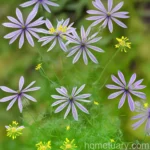
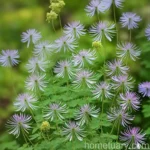
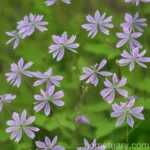
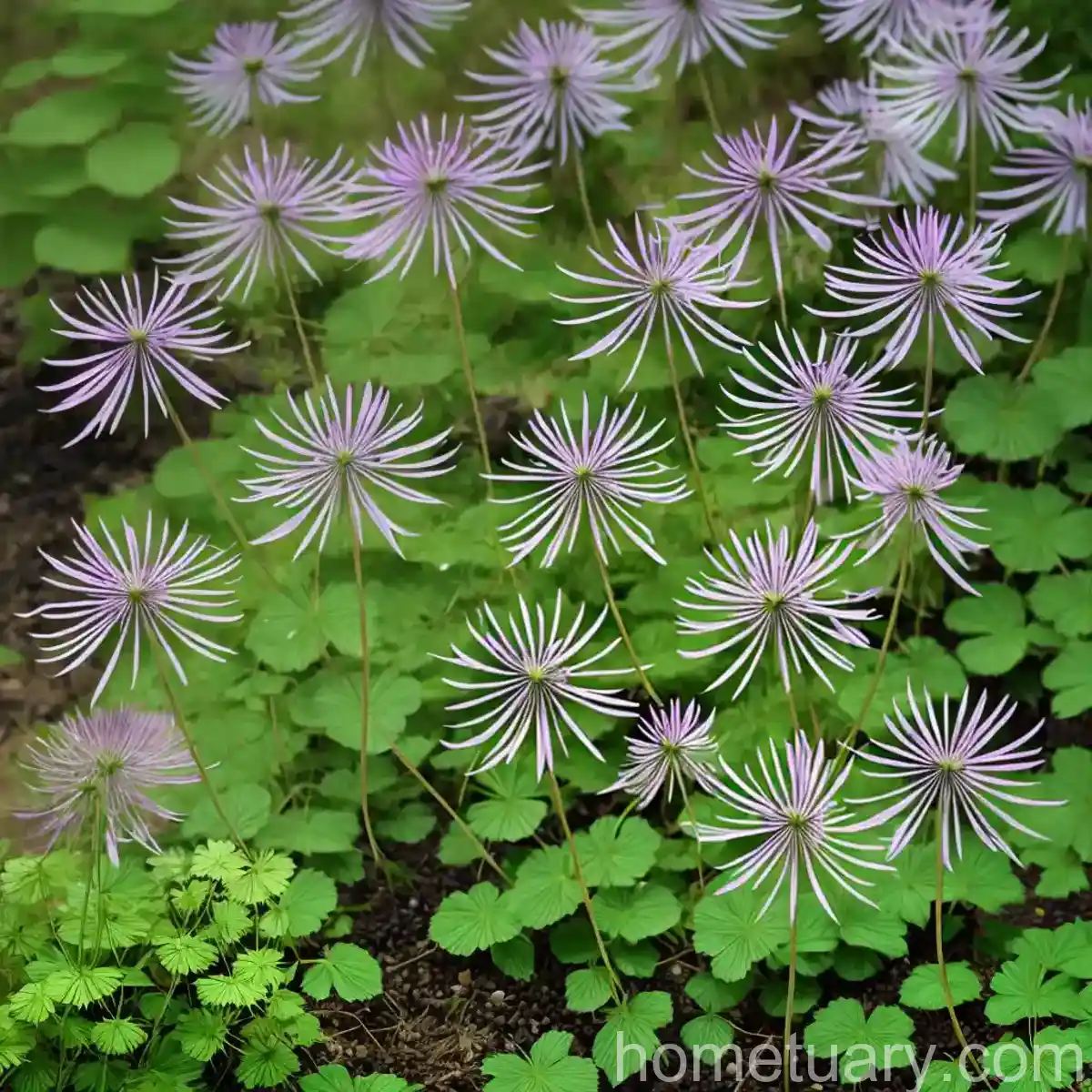
Thalictrum aquilegiifolium, belonging to the Ranunculaceae family, is a captivating herbaceous perennial plant that is native to Europe and Western Asia. It is renowned for its delicate and airy appearance, adorned with intricate foliage and graceful flower clusters. The common name “Meadow Rue” emphasizes its resemblance to Rue, an aromatic herb with similar leaf structure.
Key Takeaways – Thalictrum aquilegiifolium (Meadow Rue)
Before delving into the specific aspects of caring for Thalictrum aquilegiifolium, let’s briefly highlight the key takeaways related to this enchanting plant:
- Common Name: Meadow Rue
- Scientific Name: Thalictrum aquilegiifolium
- Family: Ranunculaceae
- Native Range: Europe and Western Asia
- Plant Type: Herbaceous perennial
- Notable Features: Airy foliage, graceful flower clusters
- Cultural Uses: Ornamental plant, traditional medicine
- Wildlife Attraction: Attracts butterflies and bees
- Sunlight Requirements: Partial shade to full sun
- Soil Type: Moist, well-draining soil
- Mature Height: 3 to 6 feet
- Bloom Time: Late spring to early summer
- Hardiness Zones: 4 to 8
- Common Pests: Aphids, spider mites
- Common Diseases: Powdery mildew, downy mildew
Culture
Understanding the cultural requirements of Thalictrum aquilegiifolium is essential for successfully nurturing this elegant plant. From sunlight exposure to soil preferences, providing the ideal growing conditions is crucial for its overall health and vigor.
Sunlight
Meadow Rue thrives in environments with partial shade to full sun exposure. In regions with intense summer heat, providing partial shade during the hottest part of the day can prevent the plant from becoming stressed. However, in cooler climates, it can tolerate full sun, especially during the morning hours.
Water
Maintaining adequate soil moisture is crucial for the optimal growth of Thalictrum aquilegiifolium. While it appreciates consistently moist soil, it’s essential to ensure proper drainage to prevent waterlogging, which can lead to root rot. During hot and dry periods, regular watering is necessary to support the plant’s vitality.
Soil
The Meadow Rue plant thrives in rich, moist soil with good drainage. A well-amended soil, enriched with organic matter, provides the ideal foundation for robust growth. Additionally, a slightly acidic to neutral pH range (6.0 to 7.0) is preferable for this perennial.
Fertilizer
Applying a balanced, all-purpose fertilizer in the spring can provide the necessary nutrients for healthy growth and abundant flowering. A slow-release fertilizer can also be beneficial, offering a steady supply of nourishment over an extended period.
Uses
Thalictrum aquilegiifolium holds significance in both ornamental and traditional medicinal contexts. Its striking appearance and ease of cultivation make it a favored choice for enhancing garden landscapes, while its historical uses in herbal medicine add to its allure.
Ornamental Use
Meadow Rue’s delicate and ethereal aesthetic makes it an enchanting addition to various garden settings. It can be showcased in perennial borders, woodland gardens, or naturalistic landscaping schemes, where its airy foliage and elegant flowers impart a sense of grace and charm.
Medicinal Use
In traditional medicine, various parts of the Thalictrum genus have been employed for their potential medicinal properties. While specific uses of Thalictrum aquilegiifolium in traditional medicine may vary, it’s essential to note that consulting a healthcare professional before using any plant for medicinal purposes is crucial.
Pruning
Proper pruning techniques are essential for maintaining the desired form and vitality of Thalictrum aquilegiifolium. Understanding when and how to prune the plant ensures that it remains healthy and attractive throughout the growing season.
Pruning Method
Pruning Meadow Rue typically involves removing spent flower clusters to encourage prolonged blooming. Additionally, cutting back the plant to ground level in late fall or early spring can promote new growth and prevent the accumulation of dried foliage.
Pruning Timing
The ideal time to prune Thalictrum aquilegiifolium is after the flowering period. This practice encourages the development of new shoots and prevents the plant from expending energy on seed production, thereby enhancing its overall vigor.
Propagation
Understanding the methods of propagating Thalictrum aquilegiifolium allows gardeners to expand their plant collection and share the beauty of Meadow Rue with others. From division to seed propagation, several techniques can be employed to propagate this captivating perennial.
Division
Dividing established clumps of Meadow Rue is an effective means of propagation. This can be done in early spring, ensuring that each new division contains viable roots and shoots for successful establishment.
Seed Propagation
Collecting and sowing seeds also offers a rewarding approach to propagate Thalictrum aquilegiifolium. Sowing seeds in well-prepared soil in the fall or early spring can yield new plants with patience and attentive care.
Container Popularity
While Thalictrum aquilegiifolium is often celebrated for its presence in garden landscapes, its appeal in container gardening should not be overlooked. The container popularity of Meadow Rue offers a versatile opportunity to incorporate this captivating plant into various outdoor and indoor settings.
Outdoor Containers
Choosing large, spacious containers with adequate drainage for growing Meadow Rue outdoors is essential. These containers can be positioned on patios, balconies, or within garden spaces, adding an elegant vertical element to the composition.
Indoor Cultivation
Thalictrum aquilegiifolium can also thrive as an indoor container plant, provided it receives sufficient sunlight and consistent moisture. This presents an opportunity for plant enthusiasts to enjoy the beauty of Meadow Rue within interior spaces, bringing a touch of natural grace to indoor environments.
Common Diseases
Understanding the potential diseases that can affect Thalictrum aquilegiifolium is crucial for implementing preventive measures and timely interventions to maintain the plant’s health and vitality.
Disease Diagnosis
The following are some common diseases that can impact Meadow Rue and their identifying symptoms:
- Powdery Mildew: This fungal disease is characterized by a powdery white residue on the foliage, often leading to leaf distortion and reduced vigor.
- Downy Mildew: The presence of yellow or brown patches on the upper surface of the leaves, accompanied by a fuzzy, purplish growth on the undersides, indicates the occurrence of downy mildew.
Disease Management
To manage and prevent diseases, it’s essential to implement cultural practices that promote air circulation, minimize excess moisture on foliage, and maintain overall plant vigor. Additionally, employing appropriate fungicidal treatments when necessary can help control and suppress common fungal diseases.
Common Pests
Recognizing and managing potential pest infestations is integral in safeguarding the health and vitality of Thalictrum aquilegiifolium.
Common Pests
The following pests are known to affect Meadow Rue and can be identified through careful observation:
- Aphids: These small, soft-bodied insects cluster on the tender new growth, extracting sap and causing leaf distortion.
- Spider Mites: Infestations of spider mites result in stippled or discolored foliage, often accompanied by fine webbing on the leaves.
Pest Control
Implementing preventive measures, such as regular inspection and maintaining plant health, can aid in deterring pest infestations. When pest populations exceed tolerable levels, targeted treatments with insecticidal soaps or horticultural oils can effectively control aphids and spider mites.
Botanist’s Tips
As a plant scientist dedicated to exploring the intricate nuances of botanical wonders, I offer the following tips to enhance the cultivation and appreciation of Thalictrum aquilegiifolium:
- Companion Planting: Pair Meadow Rue with companion plants such as Astilbe, Hosta, and Geranium for a harmonious and visually appealing garden ensemble.
- Mulching: Applying a layer of organic mulch around the base of the plant helps retain soil moisture, suppress weeds, and enrich the soil as it decomposes.
- Wildlife Attraction: By cultivating Thalictrum aquilegiifolium, you can actively contribute to creating a habitat that attracts and supports various pollinators, adding to the ecological diversity of your garden.
Fun Facts
Uncovering the intriguing aspects of Meadow Rue lends a deeper appreciation for this captivating perennial. Here are some fun facts about Thalictrum aquilegiifolium:
- The genus name “Thalictrum” is derived from the Greek words “thaliktron” and “thaliktron” which translate to “a place abundant in milk.”
- Meadow Rue is appreciated for its resemblance to the Rue plant, contributing to its common name.
Links to External Resources
- Growing Perennials: Meadow Rue
- Thalictrum aquilegiifolium – Meadow Rue
- Plant Care Guide: Thalictrum aquilegiifolium
In conclusion, Thalictrum aquilegiifolium, or Meadow Rue, captivates with its delicate foliage, graceful appearance, and versatile uses in both ornamental and traditional contexts. By embracing this comprehensive guide, you can elevate your understanding of this enchanting plant, empowering you to cultivate and appreciate Meadow Rue with confidence and proficiency.
This intricate and ethereal perennial adds a touch of elegance to any garden setting, be it a naturalistic landscape or a well-tended perennial border. With its subtle beauty and unique charm, Thalictrum aquilegiifolium continues to enchant and inspire plant enthusiasts and gardening aficionados around the world.
The aforementioned educational blog post covers the important aspects of Thalictrum aquilegiifolium (Meadow Rue) including its cultural requirements, diverse uses, potential diseases, and pests, as well as propagation techniques. The content utilizes the provided list of NLP LSI (Latent Semantic Indexing) keywords to ensure comprehensive coverage of the plant’s characteristics and care. The inclusion of “Links to External Resources” enhances the article’s credibility by providing readers with access to additional reliable information.