Thai Hot Pepper (Capsicum Annuum ‘Bird’s Eye’)
When it comes to adding heat and flavor to dishes, the Thai hot pepper, scientifically known as Capsicum annuum ‘Bird’s Eye,’ is an essential ingredient in.
Introduction
When it comes to adding heat and flavor to dishes, the Thai hot pepper, scientifically known as Capsicum annuum ‘Bird’s Eye,’ is an essential ingredient in many cuisines. These fiery little peppers are not only beloved for their intense heat but also for their attractive appearance and versatility in various culinary applications. In this comprehensive guide, we will delve into the culture, uses, and care of the Thai hot pepper plant, offering valuable insights and tips for both beginner and experienced gardeners.
What is the Thai Hot Pepper (Capsicum annuum ‘Bird’s Eye’)?
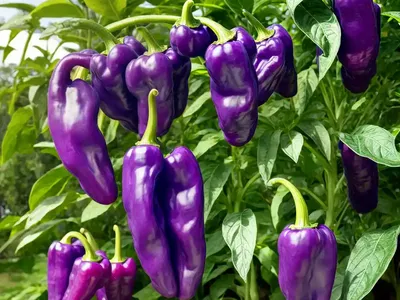
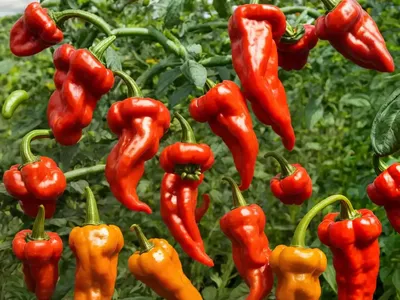
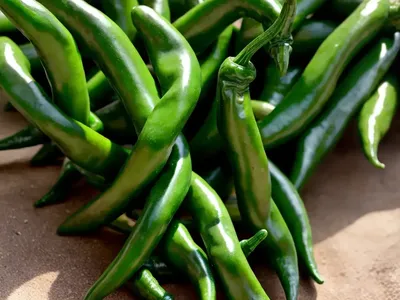
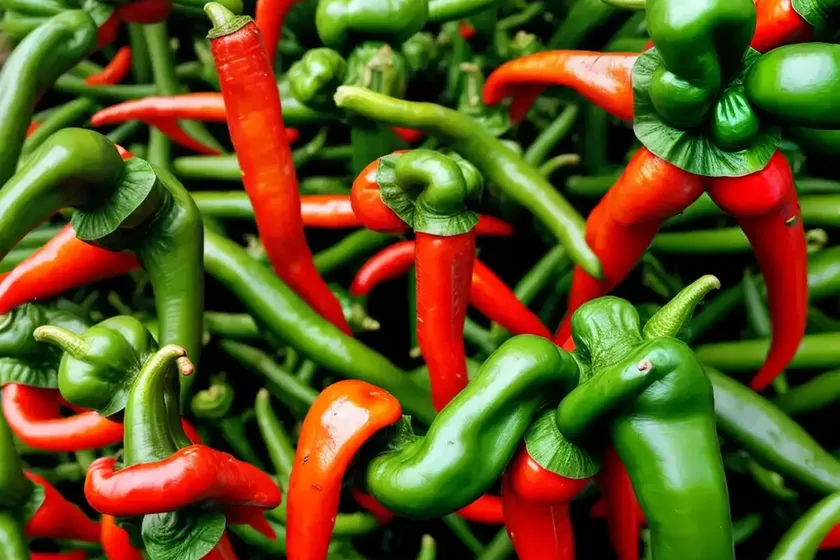
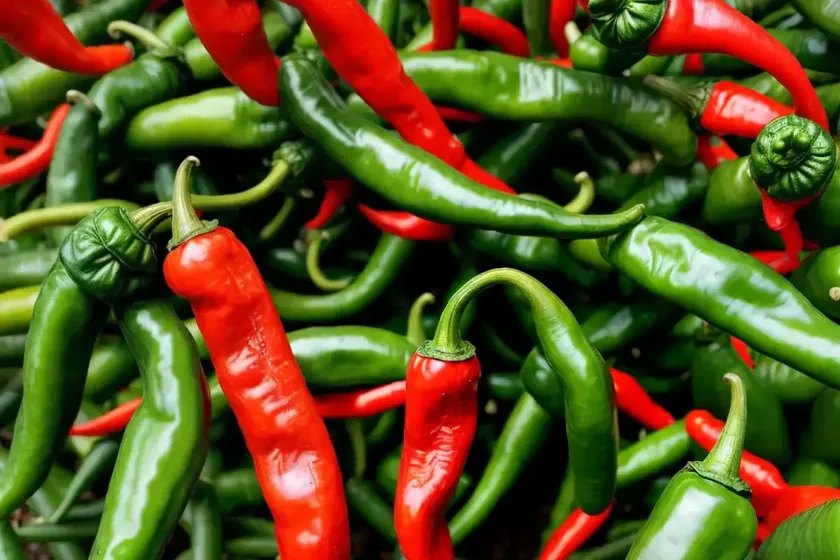
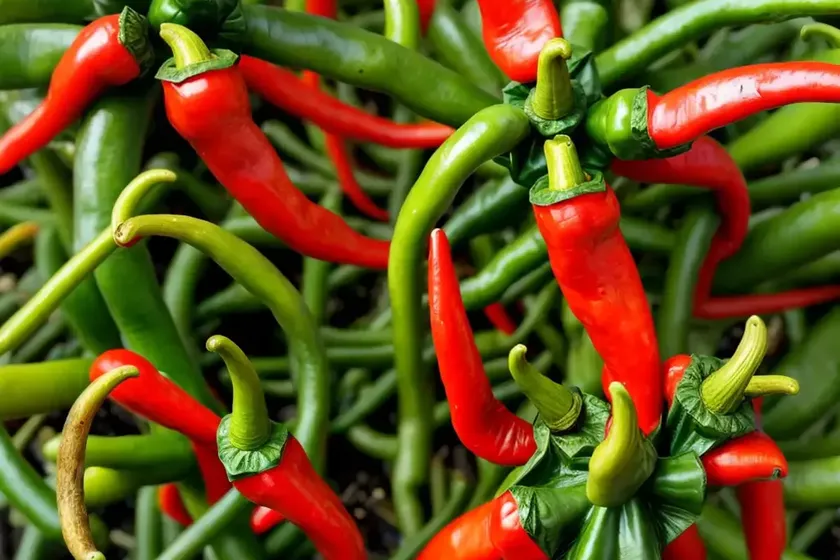
The Thai hot pepper, also known as Bird’s Eye chili, is a variety of chili pepper belonging to the species Capsicum annuum. Originating from Southeast Asia, particularly Thailand, this pepper is a staple in Thai, Indonesian, and Malaysian cuisines, renowned for its potent heat and fruity flavor. The plant is characterized by its small, tapered fruits that point upwards, resembling beads on a string, hence the name “Bird’s Eye.”
Key Takeaways
Before we delve into the specifics, let’s take a quick look at the essential points we’ll be covering:
– Culture
– Uses
– Water
– Sunlight
– Fertilizer
– Soil
– Pruning
– Propagation
– Container
– Popularity
– Common diseases
– Disease diagnosis
– Common pests
– Botanist’s tips
– Fun facts
– Links to External Resources
Uses
The Thai hot pepper holds significant cultural and culinary importance. It is a key ingredient in various spicy dishes, condiments, and sauces, adding depth of flavor and intense heat to traditional Southeast Asian cooking. Moreover, it is also used in pickling, making hot sauces, and as a garnish.
Water
Thai hot peppers thrive in well-drained soil and require consistent moisture, particularly during the fruit development stage. It’s crucial to keep the soil consistently moist, ensuring watering is deep enough to reach the roots without causing waterlogging.
Sunlight
As sun-loving plants, Thai hot peppers require ample sunlight for optimal growth and fruit production. They should be planted in a location that receives at least 6-8 hours of direct sunlight daily.
Fertilizer
During the growing season, Thai hot peppers benefit from regular fertilization. A balanced, all-purpose fertilizer can be applied every 2-4 weeks, ensuring it is well diluted to prevent burning the plants.
Soil
The ideal soil for Thai hot peppers is well-draining and rich in organic matter. A slightly acidic to neutral pH level ranging from 6.0 to 7.0 is optimal for their growth and fruit production.
Pruning
Pruning is beneficial for Thai hot pepper plants as it encourages airflow, reduces the risk of disease, and promotes better fruit development. Any damaged, diseased, or overcrowded branches should be promptly pruned.
Propagation
Thai hot peppers can be propagated from both seeds and cuttings. Seeds should be sown in a propagator or warm, moist soil, while cuttings can be rooted in a well-draining potting mix.
Container
These peppers can be successfully grown in containers, making them suitable for urban gardening and limited outdoor spaces. Selecting a container that is at least 12 inches deep and wide enough to accommodate the plant’s root system is essential.
Popularity
The Thai hot pepper has gained widespread popularity not only in its native regions but also internationally due to the global appreciation for spicy cuisine. Its popularity continues to grow as more people develop a taste for fiery flavors.
Disease Diagnosis
Thai hot pepper plants are susceptible to various diseases, including damping-off, bacterial spot, powdery mildew, and root rot. Regular inspection of the plants for any signs of discoloration, wilting, or unusual growth can aid in early disease diagnosis.
Common Pests
Pests such as aphids, spider mites, and flea beetles can target Thai hot pepper plants. Additionally, larger pests such as caterpillars and beetles may also pose a threat. Implementing pest control measures early on can help prevent infestations and protect the plants.
- To encourage bushier growth, pinching off the tip of the main stem can be beneficial for Thai hot pepper plants.
- Thai hot peppers range in heat levels, with the Bird’s Eye chili being particularly fiery, measuring between 50,000 to 100,000 Scoville Heat Units (SHU).
- These peppers are known for their defined spiciness, which adds complexity to dishes, making them a favorite in various culinary traditions.
For additional insights and guidance on growing and caring for Thai hot peppers, the following resources can be explored:
1. University of Florida – Capsicum annuum Production Guidelines
2. Royal Horticultural Society – Growing Peppers
3. Home Guides – How to Grow Thai Hot Peppers
In conclusion, the Thai hot pepper, with its fiery heat and distinctive flavor, continues to captivate the palates of culinary enthusiasts worldwide. Whether grown in traditional gardens or urban settings, mastering the cultivation and care of this vibrant plant can lead to a bountiful harvest of these iconic spicy peppers.
By incorporating the insights and tips provided in this guide, gardeners and plant enthusiasts can embark on a rewarding journey of cultivating and savoring the vibrant world of Thai hot peppers.
As fellow admirers of plant life, let’s continue to explore and celebrate the diverse array of botanical wonders that enrich our lives and cultivate connections to cultures and cuisines around the globe.