Texas Prickly-pear (Opuntia Engelmannii)
The Texas prickly-pear (Opuntia engelmannii) is a fascinating and resilient plant that holds a special place in the heart of Texans. This iconic cactus.
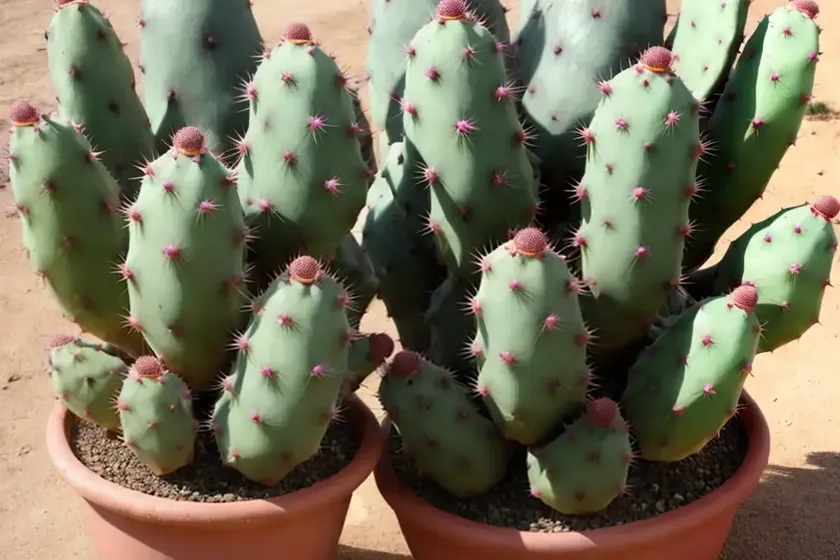
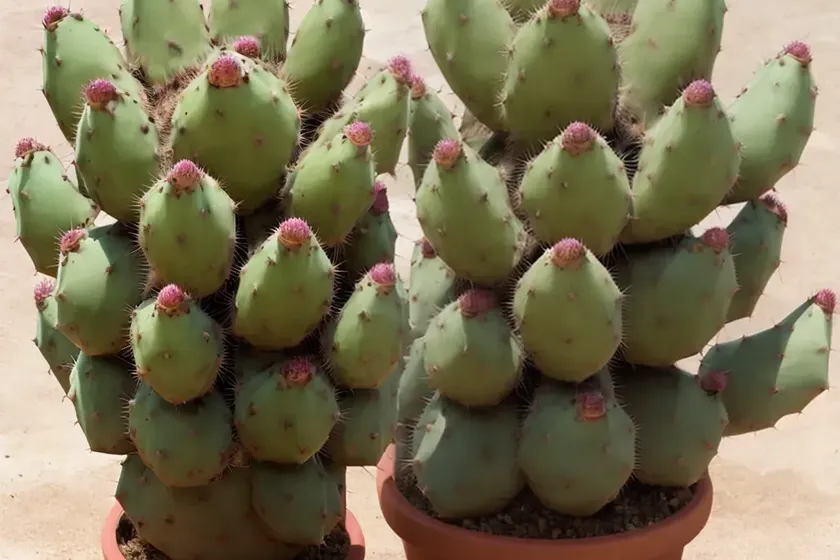
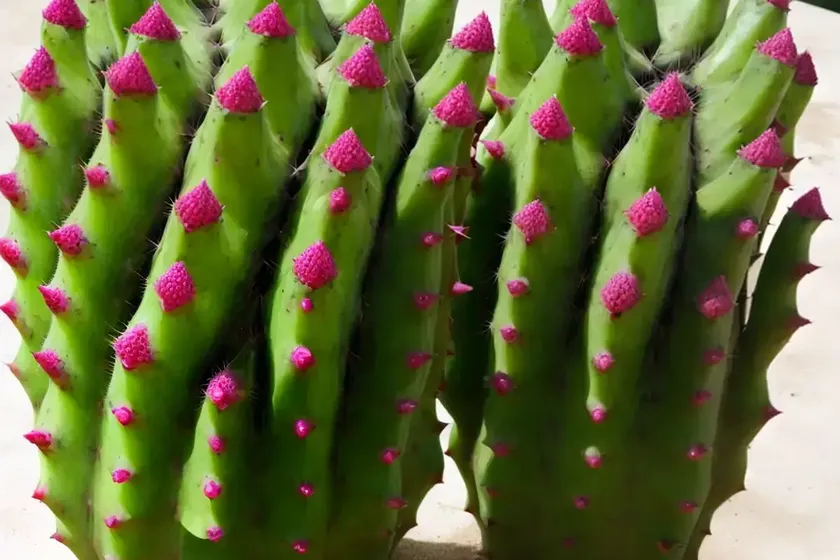
The Texas prickly-pear (Opuntia engelmannii) is a fascinating and resilient plant that holds a special place in the heart of Texans. This iconic cactus species is a native of the Texas desert and has adapted remarkably well to the harsh arid environment of the region. From its cultural significance to its unique uses and care requirements, the Texas prickly-pear is a treasure trove of botanical marvels.
In this comprehensive guide, we will delve into the world of Opuntia engelmannii, exploring its cultural, uses, care requirements, common diseases, pests, and much more. Whether you are a gardener, plant enthusiast, or someone keen on understanding the natural wonders of Texas, this article will provide valuable insights into the captivating world of the Texas prickly-pear.
What is the Texas Prickly-Pear (Opuntia engelmannii)?
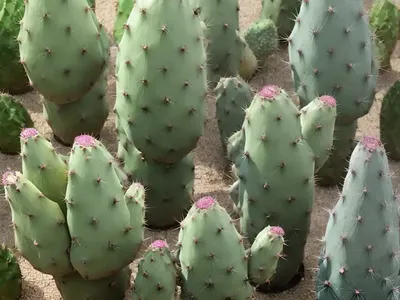
The Texas prickly-pear, scientifically known as Opuntia engelmannii, is a species of prickly pear cactus that belongs to the genus Opuntia in the family Cactaceae. It is a perennial succulent plant that is well adapted to the arid landscapes of Texas and other parts of the southwestern United States. This cactus species is characterized by its distinctive flattened pads, armed with clusters of spines, and vibrant, showy flowers.
Opuntia engelmannii typically grows in clumps, forming low, spreading mounds that can reach up to 2-3 feet in height and 4-5 feet in width. The plant’s pads, commonly referred to as “nopales,” are a prominent feature and serve as the primary site for the development of its spectacular flowers and edible fruits.
Key Takeaways – Texas Prickly-Pear (Opuntia engelmannii)
Cultural Significance:
– Holds cultural and symbolic significance in the history and heritage of Texas.
– Features prominently in art, literature, and indigenous traditions.
Uses:
– Edible fruits and young pads are used in culinary preparations.
– Medicinal applications in traditional and modern herbal practices.
Cultivation:
– Well-suited for xeriscaping and drought-tolerant landscapes.
– Ideal for arid and semi-arid regions with ample sunlight.
Habitat:
– Thrives in dry, well-drained soils and adapts to various soil types.
– Commonly found in desert ecosystems, rocky slopes, and open plains.
Culture
The Texas prickly-pear, Opuntia engelmannii, is deeply intertwined with the cultural tapestry of Texas. As a resilient and enduring symbol of the region’s rugged beauty, this cactus holds a special place in the hearts of Texans and has been celebrated through various forms of art, literature, and cultural traditions.
Art and Literature
The captivating form and vibrant blooms of Opuntia engelmannii have inspired numerous artists and writers, contributing to its prominence in the artistic and literary heritage of Texas. From paintings and sculptures depicting the striking silhouette of the prickly pear cactus to poems and stories celebrating its tenacity in challenging environments, the cultural influence of the Texas prickly-pear is unmistakable.
In addition to its artistic representations, the cactus holds a revered place in indigenous cultures, where it symbolizes resilience, adaptability, and the enduring spirit of the land. Its presence in local folklore and tribal traditions further underscores its cultural significance and spiritual symbolism.
Festivals and Celebrations
Across Texas, the prickly pear cactus is celebrated through various festivals and events that showcase its beauty and cultural importance. These gatherings often feature exhibitions of cactus varieties, culinary demonstrations highlighting the culinary uses of the plant, and educational sessions on its significance in the natural and cultural heritage of the region.
The cactus also serves as a focal point in landscape design, with many parks and public spaces incorporating Opuntia engelmannii along with other native flora to celebrate the rich biodiversity of Texas.
Uses
The Texas prickly-pear, Opuntia engelmannii, offers a wide array of practical and cultural uses, making it a versatile and valuable plant in various spheres of life. From culinary delights to traditional medicinal applications, the uses of this resilient cactus are as diverse as the landscapes it thrives in.
Culinary Uses
One of the most celebrated aspects of the Texas prickly-pear is its culinary potential, particularly in the realm of traditional cuisines. The young pads, known as nopales, are a staple in Mexican and Southwestern dishes, prized for their unique flavor and nutritional benefits. Whether sautéed, grilled, or pickled, nopales add a distinctively tangy and satisfying element to a wide range of recipes.
In addition to the pads, the fruits of Opuntia engelmannii, often referred to as prickly pear fruits or tuna, are a delicacy enjoyed in various culinary traditions. From jams and jellies to refreshing beverages and desserts, the sweet and vibrant fruits add a delightful touch to gastronomic creations, embodying the essence of the Texas landscape in each bite.
Medicinal Uses
Beyond its culinary allure, the Texas prickly-pear has a long-standing history of medicinal applications, with both traditional and contemporary herbalists recognizing its potent healing properties. Rich in antioxidants, vitamins, and minerals, the prickly pear cactus offers a range of health benefits, including:
-
Anti-inflammatory effects: The consumption of nopales and prickly pear fruits has been linked to reduced inflammation and relief from various conditions such as arthritis and digestive disorders.
-
Blood sugar regulation: Studies have shown that certain compounds present in Opuntia engelmannii may help regulate blood sugar levels, making it beneficial for individuals dealing with diabetes or insulin resistance.
-
Digestive support: Nopales are known for their high fiber content, which promotes healthy digestion and may aid in weight management.
-
Immune-boosting properties: The vibrant fruits of the prickly pear cactus are a rich source of vitamin C, supporting immune function and overall vitality.
Health and Wellness Products
In recent years, the popularity of prickly pear-based health and wellness products has surged, with the plant featuring in a wide range of supplements, skincare formulations, and natural remedies. Extracts from the pads, fruits, and flowers of Opuntia engelmannii are utilized for their nourishing and rejuvenating qualities, offering consumers access to the plant’s therapeutic benefits in convenient and innovative forms.
Care Requirements
Successful cultivation of the Texas prickly-pear (Opuntia engelmannii) hinges on an understanding of its specific care requirements, encompassing water, sunlight, fertilizer, soil, pruning, propagation, and container considerations. By addressing these key elements, gardeners and enthusiasts can create an environment that supports the cactus’s growth, ensures its vitality, and accentuates its natural beauty.
Water
As a desert-adapted plant, the Texas prickly-pear is well-suited to arid environments and requires minimal watering once established. The plant’s water needs can be summarized as follows:
-
Establishment phase: During the initial stages of planting, provide regular, thorough watering to help the roots establish themselves in the soil and promote healthy growth.
-
Mature plants: Once established, Opuntia engelmannii is remarkably drought-tolerant and can thrive with infrequent watering. In most cases, natural rainfall is sufficient to meet its moisture requirements, particularly in regions with low precipitation.
-
Watering frequency: In the absence of rainfall, consider watering the cactus sparingly, approximately once every 2-3 weeks during the growing season. Avoid overwatering, as this can lead to root rot and other moisture-related issues.
Sunlight
Ample sunlight is crucial for the health and vitality of the Texas prickly-pear, as it is a sun-loving plant that thrives in bright, unobstructed light. When considering the sunlight requirements of Opuntia engelmannii, keep the following points in mind:
-
Full sun exposure: Position the cactus in a location that receives full sunlight for the majority of the day, as this mimics its natural habitat and promotes optimal growth.
-
Sunlight duration: Aim for at least 6-8 hours of direct sunlight daily to ensure that the plant receives the light intensity it requires for photosynthesis, flower production, and fruit development.
-
Shade tolerance: While tolerant of high temperatures and intense sunlight, the Texas prickly-pear may benefit from partial shade during periods of extreme heat, especially in regions with scorching summer conditions.
Fertilizer
Fertilization requirements for Opuntia engelmannii are relatively minimal, as the plant has adapted to thrive in nutrient-deficient desert soils. Broadly speaking, the following guidelines can be followed when considering fertilizing the Texas prickly-pear:
-
Minimal fertilization: Given its natural resilience and ability to thrive in lean soils, the cactus generally does not require regular fertilization. Excessive fertilization can lead to excessive foliage growth at the expense of flowering and fruit production.
-
Balanced fertilizer: If desired, a light application of a balanced, low-nitrogen fertilizer can be applied in the early spring to support the plant’s growth and overall vigor.
-
Avoid overfeeding: Exercise caution when applying fertilizer, and err on the side of caution by using sparing amounts to prevent nutrient imbalances and potential harm to the plant.
Soil
The soil in which the Texas prickly-pear is planted plays a critical role in its overall well-being, and ensuring proper soil conditions is essential for its successful cultivation. Consider the following soil considerations for Opuntia engelmannii:
-
Well-drained soil: Plant the cactus in well-drained soil that allows excess water to freely pass through, preventing waterlogged conditions that can harm the plant’s roots.
-
Sandy or gravelly soil: Mimic the plant’s native soil conditions by using a well-draining mix composed of sandy or gravelly soil, which closely resembles the arid desert soils in which Opuntia engelmannii naturally thrives.
-
Soil pH: The cactus is adaptable to a wide range of soil pH levels, but a slightly acidic to neutral pH (6.0-7.5) is generally favorable for its growth and development.
Pruning
Pruning requirements for the Texas prickly-pear are minimal, owing to its naturally compact and low-maintenance growth habit. However, occasional pruning may be necessary to manage the plant’s size, remove damaged or diseased pads, and promote a tidy appearance. When pruning Opuntia engelmannii, keep the following guidelines in mind:
-
Protective gear: Wear thick gloves and use tongs or a suitable tool to handle the pads, as they are lined with sharp spines that can inflict painful injuries if mishandled.
-
Pruning frequency: Prune the cactus as needed, typically in the late winter or early spring before the onset of new growth. Remove any dead, damaged, or overcrowded pads to encourage healthy regrowth and a more aesthetically pleasing form.
-
Pad removal: If a pad needs to be removed, carefully sever it from the base of the plant using a clean, sharp tool. Allow the cut end to callus and dry before planting it in the soil for propagation, if desired.
Propagation
Propagating the Texas prickly-pear can be accomplished through various methods, including pad cuttings, seed propagation, and grafting. Each approach has its advantages and considerations, and choosing the most suitable method depends on the desired outcome and the resources available.
Propagation from Pads
-
Selecting pads: Choose healthy, mature pads from the plant, ensuring they are free from damage, disease, or pest infestations.
-
Drying period: Allow the cut ends of the pads to dry and callus for a few days in a warm, well-ventilated area to minimize the risk of rot when planted.
-
Planting cuttings: Once calloused, plant the pad cuttings in a well-draining cactus mix, burying them partially and providing gentle, intermittent moisture to encourage rooting.
-
Root development: Over the following weeks, monitor the cuttings for the emergence of new roots and the onset of new growth, indicating successful establishment.
Container Cultivation
The Texas prickly-pear is well-suited for container cultivation, making it an excellent choice for individuals with limited outdoor space or those seeking to add a touch of desert charm to their patios, balconies, or indoor spaces. When growing Opuntia engelmannii in containers, be mindful of the following considerations:
-
Container selection: Choose a spacious, well-draining container that accommodates the plant’s growth and provides ample space for the development of its roots.
-
Drainage: Ensure that the container has adequate drainage holes to prevent waterlogging and root rot, which can be detrimental to the cactus’s health.
-
Soil choice: Use a specialized cactus or succulent potting mix, or create a custom blend using sand, perlite, and well-draining soil to mimic the plant’s preferred growing medium.
-
Sunlight requirements: Position the container in a location that receives ample sunlight, such as a south-facing patio or a sunny spot indoors.
-
Watering considerations: Monitor the moisture levels in the container carefully, ensuring that the soil dries out between watering sessions to prevent excess moisture accumulation.
Popularity
The Texas prickly-pear (Opuntia engelmannii) has garnered widespread popularity among gardeners, landscape enthusiasts, and individuals seeking resilient and visually striking plants for their outdoor spaces. Its distinct appearance, low maintenance requirements, and versatile uses have contributed to its appeal, making it a cherished addition to gardens, public landscapes, and xeriscape designs.
Xeriscaping and Drought-Tolerant Landscapes
As landscapes across Texas and similar arid regions embrace the principles of xeriscaping and water-wise gardening, the Texas prickly-pear has emerged as a star player in these environmentally-friendly designs. With its intrinsic ability to thrive in dry conditions, requiring minimal irrigation and maintenance, Opuntia engelmannii embodies the ethos of xeriscaping and serves as a beacon of inspiration for sustainable landscaping.
Its distinctive form, resilience in challenging environments, and compatibility with a wide range of companion plant species further bolster its popularity in xeriscape designs, where it acts as a focal point, a textural element, and a living expression of the unique beauty of the Texas desert.
Public Gardens and Parks
Public gardens and parks throughout Texas often showcase the Texas prickly-pear and other native cacti as a means of celebrating the region’s rich botanical heritage and promoting awareness of desert-adapted plants. These curated displays not only highlight the captivating beauty of Opuntia engelmannii but also offer educational opportunities for visitors to learn about its cultural, ecological, and utilitarian significance.
The presence of the Texas prickly-pear in public landscapes underscores its enduring appeal and underscores its role as a beloved symbol of the Texas desert, captivating the hearts of residents and visitors alike.
Common Diseases
While the Texas prickly-pear (Opuntia engelmannii) is known for its resilience and hardiness, it is not immune to certain diseases that can affect its health and appearance. Awareness of these common diseases, along with preventive measures and early intervention, is essential for maintaining the vitality and ornamental value of the cactus.
Disease Diagnosis
When monitoring the health of Texas prickly-pear plants, it is important to be vigilant for the symptoms of common diseases that may impact their well-being. The following are some prevalent diseases that can affect Opuntia engelmannii:
-
Bacterial soft rot (Erwinia spp.): This destructive bacterial disease can lead to rapid deterioration of the cactus’s pads, causing them to become mushy, discolored, and emitting foul odors. In advanced stages, the pads may exhibit blackened, necrotic areas, signaling severe infection.
-
Fungal diseases: Various fungal pathogens, including anthracnose and other rot-inducing fungi, can infect Texas prickly-pear, leading to symptoms such as dark lesions, softening of tissues, and the presence of fuzzy mold or spores.
-
Viral infections: While less common, viral diseases can impact the growth and vigor of Opuntia engelmannii, causing symptoms such as stunted growth, chlorosis, and deformities in the pads or the flowers.
-
Pest-related damage: Although not a disease in the strict sense, damage caused by pests such as scale insects and mealybugs can compromise the cactus’s health, leading to weakened growth, disfigured pads, and susceptibility to secondary infections.
Preventive Measures and Management
To minimize the risk of disease and maintain the robustness of the Texas prickly-pear, consider the following preventive and management practices:
-
Cultural care: Provide optimal growing conditions, including appropriate sunlight, well-draining soil, and careful watering, to ensure the plant’s vigor and resilience.
-
Sanitation: Remove and dispose of any diseased or damaged plant material promptly to prevent the spread of pathogens and to limit the conditions conducive to disease development.
-
Proper pruning: Maintain good air circulation and reduce the risk of infection by pruning the cactus as needed to remove overgrown, damaged, or decaying pads.
-
Pathogen control: If bacterial or fungal diseases are diagnosed, consider using suitable fungicidal or bactericidal treatments as recommended for the specific pathogens affecting the plant.
-
Pest monitoring: Regularly inspect the cactus for signs of pest activity and employ appropriate integrated pest management (IPM) techniques to mitigate pest-related damage.
Common Pests
In addition to diseases, the Texas prickly-pear (Opuntia engelmannii) is susceptible to infestations by various pests that can diminish its aesthetic appeal and compromise its vitality. Understanding the common pests that may target the cactus and employing effective pest management techniques are crucial for safeguarding its well-being.
Pest Identification
When observing Opuntia engelmannii for signs of pest infestation, be on the lookout for the following common pests that can affect the cactus:
-
Scale insects: These small, immobile pests often appear as raised bumps or patches on the pads, sucking sap from the plant and causing yellowing, wilting, and stunted growth.
-
Mealybugs: Mealybugs are soft-bodied insects covered in a waxy, powdery substance, and they congregate in clusters, primarily on the pads and beneath the spines, draining the cactus of its vital fluids.
-
Spider mites: These arachnids are tiny and may not be immediately visible, but their presence can lead to stippled, discolored foliage and the development of fine webbing on the cactus.
-
Cactus longhorn beetle: The larvae of this beetle species tunnel into the pads of the cactus, creating extensive damage and diminishing the plant’s aesthetic and vigor.
-
Ants: While not direct pests, ants can protect and cultivate scale insects and mealybugs, leading to increased pest populations and subsequent damage to Opuntia engelmannii.
Pest Management Strategies
Employing effective pest management strategies is essential for protecting the Texas prickly-pear from pest-related damage and promoting its long-term health. Consider the following approaches for managing common pests:
- Cultural controls: Enhance the growing conditions of the cactus to promote its vitality and resilience