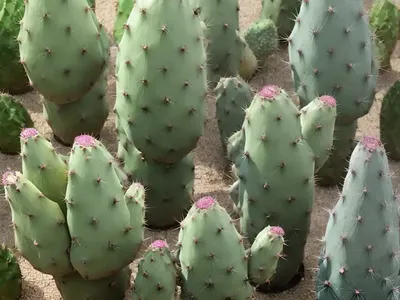
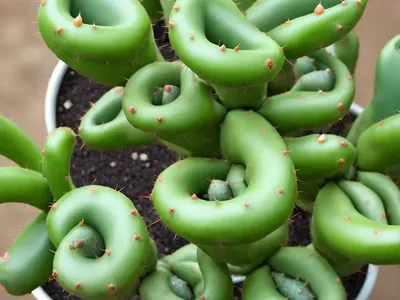
Prickly Pear Cactus (Opuntia)
The world of plants is incredibly diverse, with each species exhibiting unique adaptations, physical attributes, and uses. One such fascinating plant is.
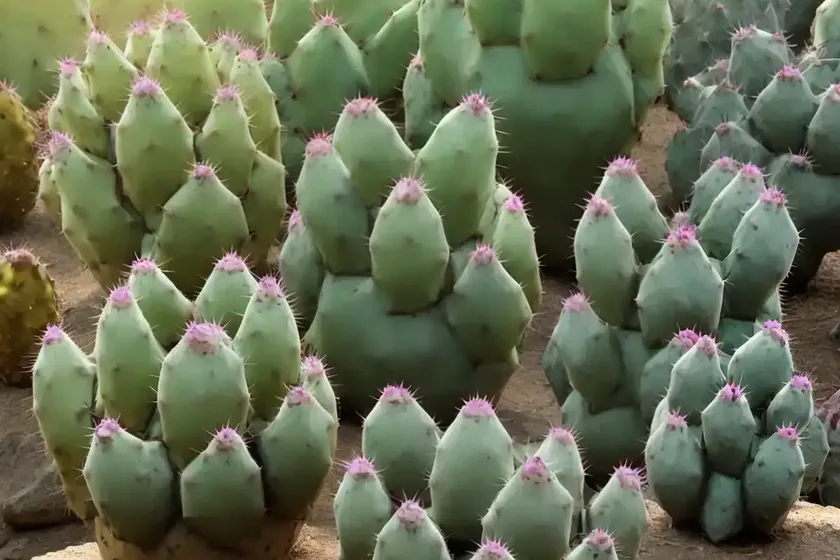
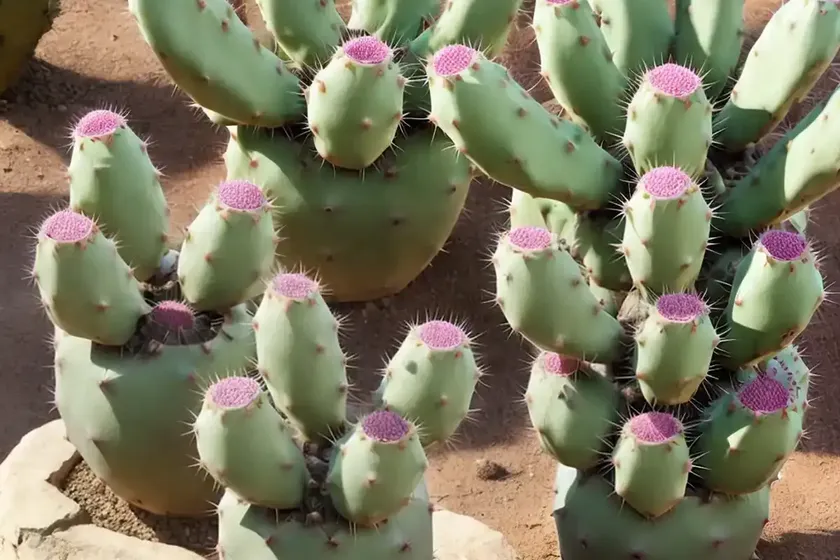
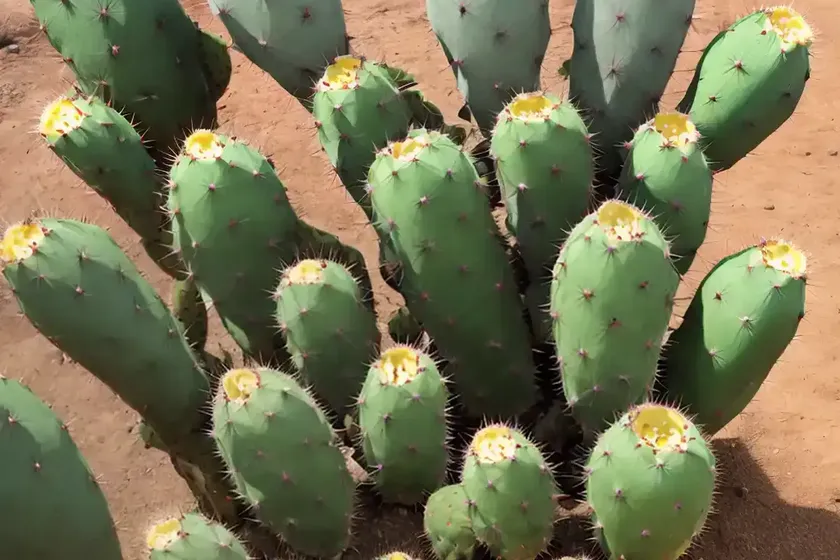
The world of plants is incredibly diverse, with each species exhibiting unique adaptations, physical attributes, and uses. One such fascinating plant is the Prickly Pear Cactus (Opuntia), a resilient and versatile succulent that has captivated the attention of plant enthusiasts, botanists, and gardeners alike. In this in-depth guide, we will explore the captivating world of the Prickly Pear Cactus, delving into its cultural significance, uses, care requirements, common diseases and pests, as well as propagation and much more.
What is Plant: Prickly Pear Cactus (Opuntia)
The Prickly Pear Cactus, scientifically known as Opuntia, is a genus of flowering plants native to the Americas. It is a member of the Cactaceae family, which encompasses a diverse range of cacti species known for their remarkable adaptations to arid environments. The Opuntia genus comprises over 150 species, with varying appearances, growth habits, and uses.
Key Takeaways – Prickly Pear Cactus (Opuntia)
Before delving deeper into the world of the Prickly Pear Cactus, let’s take a quick glance at the key takeaways that we will explore in detail:
- Culture
- Uses
- Water
- Sunlight
- Fertilizer
- Soil
- Pruning
- Propagation
- Container Popularity
- Common Diseases
- Common Pests
- Botanist’s Tips
- Fun Facts
- Links to External Resources
Now, let’s embark on a fascinating journey to unravel the beauty and intricacies of the Prickly Pear Cactus.
Culture
The cultural significance of the Prickly Pear Cactus spans across various societies and traditions. Its unique attributes and uses have intertwined with human culture for centuries, making it a plant of great value and importance.
Prickly Pear Cactus Uses
The Prickly Pear Cactus holds immense cultural, culinary, and medicinal significance in various parts of the world. Its uses include:
-
Culinary Utilization: The pads (nopales) and fruits (tunas) of the Prickly Pear Cactus are edible and are utilized in traditional dishes in Mexican, Tex-Mex and Southwestern cuisines. The pads are often cooked and used in salads, soups, and a variety of savory dishes, while the fruits are used to make jams, jellies, and beverages.
-
Medicinal Purposes: In traditional medicine, the Prickly Pear Cactus has been used to treat various ailments, including inflammation, wounds, and gastrointestinal disorders. Additionally, research has revealed potential health benefits associated with the consumption of Prickly Pear Cactus, such as its ability to lower cholesterol levels and regulate blood sugar.
-
Symbolism: The Prickly Pear Cactus holds symbolic significance in some cultures, representing endurance, resilience, and adaptability in the face of harsh conditions.
Water
The water requirements of the Prickly Pear Cactus are closely linked to its natural habitat and the environmental conditions to which it has adapted. Being a desert plant, the Opuntia species are well-suited to arid and semi-arid climates, exhibiting remarkable water-conserving adaptations.
-
Watering Frequency: Prickly Pear Cacti are known for their drought tolerance and can thrive with minimal water. They are best suited to well-draining soil and should be watered sparingly, especially during the cooler months or in rainy seasons.
-
Overwatering Risks: Excessive water can lead to root rot and other moisture-related issues, so it is crucial to allow the soil to dry out between waterings.
Sunlight
Unsurprisingly, sunlight plays a crucial role in the growth and development of the Prickly Pear Cactus, considering its origin in sunny and arid regions.
-
Sun Exposure: Opuntia plants thrive in full sunlight and require at least 6 to 8 hours of direct sunlight each day for optimal growth. Placing them in a sunny location allows them to photosynthesize efficiently and stay healthy.
-
Indoor Considerations: For indoor cultivation, positioning the cacti near south-facing windows or under grow lights can help replicate the intense sunlight conditions they require.
Fertilizer
When it comes to fertilizing Prickly Pear Cacti, a cautious and minimalistic approach is recommended, considering their naturally low-nutrient habitat.
-
Fertilizing Frequency: Cacti generally have modest fertilizer needs and can manage with minimal feeding. A balanced, diluted fertilizer can be applied during the growing season, typically from spring to early fall.
-
Avoid Over-fertilization: Excessive fertilization can lead to adverse effects, such as reduced drought tolerance and excessive vegetative growth.
Soil
The choice of soil for growing Prickly Pear Cacti is crucial, as it directly impacts their water retention, aeration, and overall health.
-
Well-Draining Soil: Opuntia species require well-draining soil to prevent waterlogging, as they are highly susceptible to root rot in excessively moist conditions. A sandy or cactus mix with good drainage properties is ideal for cultivating these cacti.
-
pH Considerations: The soil pH should be slightly acidic to neutral, ranging between 6.0 and 7.0, to ensure optimal nutrient uptake and overall plant health.
Pruning
Pruning of Prickly Pear Cacti is relatively minimal compared to other ornamental plants, but there are certain considerations to keep in mind.
-
Removal of Dead Pads: Over time, some older pads may begin to wither and lose their vitality. Pruning these dead or damaged pads helps maintain the visual appeal of the plant and prevents the spread of diseases or pests.
-
Caution: Pruning should be carried out with care, and protective gloves should be worn due to the cactus’s spines. Additionally, the open wounds from pruning should be allowed to callus over before exposure to excess moisture to prevent disease entry.
Propagation
The propagation of Prickly Pear Cacti can be achieved through various methods, each with its own unique benefits and considerations.
-
Vegetative Propagation: One of the most common methods of propagating Opuntia involves using pads or segments of the cactus. These segments are allowed to callus over and are then planted in well-draining soil to develop roots and establish new plants.
-
Seed Propagation: While less common, Opuntia seeds can be used for propagation. However, this method requires patience, as cacti seeds have specific germination requirements and may take longer to reach maturity compared to vegetative propagation.
Common Diseases and Pests
Just like any other plant, Prickly Pear Cacti are susceptible to certain diseases and pests that can impact their health and vitality. Being familiar with these potential issues is essential for effective management and prevention.
Common Diseases
Prickly Pear Cacti may be affected by several diseases, including:
-
Root Rot: This is one of the most common issues associated with overwatering and poorly draining soil. Root rot can lead to wilting, yellowing, and overall decline in the health of the cactus.
-
Fungal Infections: Various fungal pathogens can affect Prickly Pear Cacti, causing symptoms such as discolored or necrotic spots on the pads or stems.
-
Bacterial Diseases: Bacterial infections can lead to rotting, discoloration, and tissue damage in affected areas.
Disease Diagnosis
Effective disease diagnosis involves careful observation of the plant’s symptoms and, if necessary, seeking assistance from a plant health expert.
-
Symptom Recognition: Look out for signs of wilting, discoloration, lesions, or unusual growth patterns on the pads or stems.
-
Consultation: If unsure about a particular issue, consulting a botanist or plant pathologist can help in accurate disease diagnosis and subsequent treatment.
Common Pests
Prickly Pear Cacti may also face challenges from various pests, such as:
-
Cactus Moth: The larvae of cactus moths can cause significant damage to Opuntia plants by tunneling into the pads and feeding on the plant tissues.
-
Cochineal Insects: Certain species of scale insects, known as cochineal insects, can infest Prickly Pear Cacti and cause wilting and decline.
-
Spider Mites: These tiny arachnids can create webbing on the cactus and cause stippling or discoloration of the pads.
Botanist’s Tips
Drawing on the knowledge and expertise of experienced botanists can provide valuable insights and tips for the successful cultivation and care of Prickly Pear Cacti.
-
Optimal Growing Conditions: Botanists recommend providing the cacti with well-draining soil, ample sunlight, and minimal but adequate water to mimic their natural habitat.
-
Disease and Pest Management: Regular monitoring for signs of diseases and pests, along with prompt action when issues are detected, can help maintain the health and vigor of the cacti.
Fun Facts
As we conclude our journey into the world of the Prickly Pear Cactus, here are some intriguing and lesser-known facts about this remarkable plant:
-
The Prickly Pear Cactus is a highly adaptable species, with different varieties thriving in diverse environments, from arid deserts to coastal regions and high elevations.
-
Certain species of Opuntia are renowned for their strikingly colorful flowers, which can range from vibrant yellows and oranges to deep reds and pinks, adding a splash of visual appeal to their surroundings.
-
Beyond its culinary and medicinal uses, the Prickly Pear Cactus has been utilized for various purposes, including as a natural dye source, with certain species yielding vibrant hues for textiles and crafts.
-
The deep roots of Prickly Pear Cacti contribute to soil stabilization and erosion control, making them valuable components of sustainable land management and restoration efforts.
-
Opuntia species are known for their ability to attract wildlife, including birds and insects, serving as important sources of food and shelter in their native habitats.
In conclusion, the Prickly Pear Cactus (Opuntia) stands as a testament to nature’s ingenuity, showcasing remarkable adaptability, utilitarian value, and aesthetic appeal. As we embrace the multitude of possibilities that this extraordinary plant offers, we continue to marvel at its tenacity and contributions to ecosystems and human well-being.
For those seeking to cultivate Prickly Pear Cacti, may this comprehensive guide serve as a valuable resource, offering insights, tips, and inspiration for nurturing these iconic succulents.
Links to External Resources
- CactiGuide – Opuntia
- Gardening Know How – Prickly Pear Cactus
- University of Florida IFAS Extension – Prickly Pear Cactus
- Royal Horticultural Society – Cacti and Succulents
- Arizona-Sonora Desert Museum – Prickly Pear Cactus
The journey into the world of the Prickly Pear Cactus continues, inviting us to explore, appreciate, and cultivate the enduring beauty of this captivating succulent.