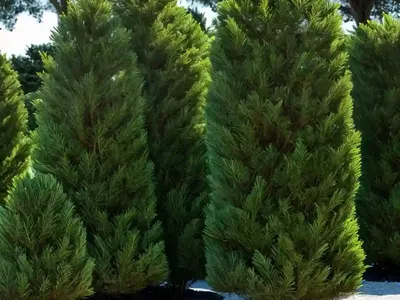
Taxodium Mucronatum (Montezuma Cypress)
Plants are an integral part of the Earth’s ecosystem, providing essential services such as oxygen production, carbon sequestration, and habitat for.


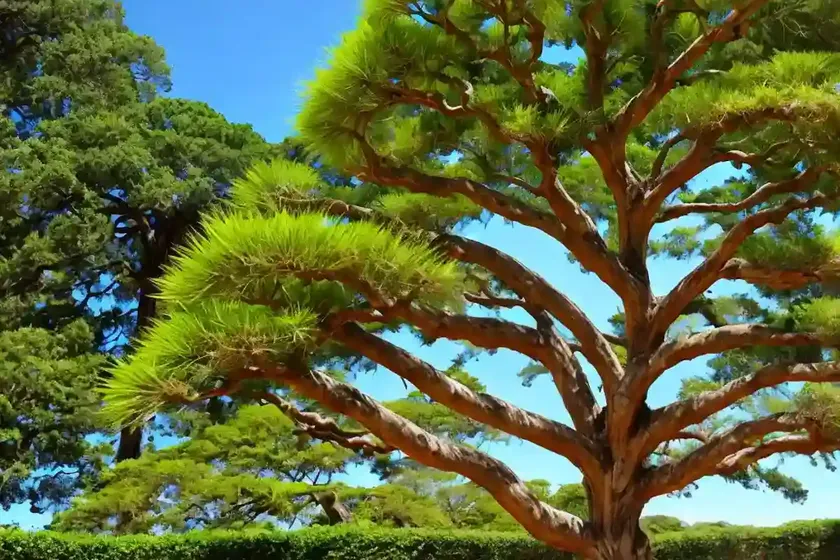
Plants are an integral part of the Earth’s ecosystem, providing essential services such as oxygen production, carbon sequestration, and habitat for numerous organisms. Among the vast array of plant species, Taxodium mucronatum, commonly known as the Montezuma Cypress, is a tree of great ecological and cultural significance. This blog post aims to provide an in-depth exploration of Taxodium mucronatum, covering its taxonomy, characteristics, cultivation, maintenance, and ecological importance.
What is Taxodium Mucronatum (Montezuma Cypress)?
Taxodium mucronatum is a species of coniferous tree native to Mexico and parts of Central America. Belonging to the Cupressaceae family, this tree is renowned for its towering height, imposing presence, and adaptability to various environmental conditions. As a deciduous conifer, Taxodium mucronatum sheds its needle-like leaves annually, distinguishing it from most other conifer species which are typically evergreen. The Montezuma Cypress is a long-lived species, with some individuals reaching ages of over a thousand years, making it an emblem of resilience and endurance in the natural world.
Taxonomic Classification
Before delving into the cultural and ecological significance of Taxodium mucronatum, it is essential to understand its taxonomic classification. Below is a detailed overview of its botanical classification:
| Kingdom | Plantae |
|---|---|
| Phylum | Tracheophyta |
| Class | Pinopsida |
| Order | Pinales |
| Family | Cupressaceae |
| Genus | Taxodium |
| Species | mucronatum |
Key Takeaways – Taxodium Mucronatum (Montezuma Cypress)
Before delving into the intricate details of Taxodium mucronatum, a concise summary of its key takeaways will provide readers with a quick snapshot of the plant’s essential characteristics and requirements.
Culture
- Water: Taxodium mucronatum thrives in moist to wet soils and is well-suited to locations with high water tables, making it an excellent choice for riparian habitats and wetland restoration projects.
- Sunlight: It prefers full sun exposure, although it can tolerate some shade.
- Soil: Adapted to a wide range of soil types, including sandy, loamy, and clay soils, provided they are consistently moist.
- Fertilizer: Generally low-maintenance in terms of fertilizer requirements, as it can extract nutrients from waterlogged soils.
Uses
- Landscaping: Valued for its majestic appearance and tolerance to wet conditions, Taxodium mucronatum is often utilized in landscaping projects focused on water management and ecological restoration.
- Timber: The durable wood of Taxodium mucronatum is used in construction, particularly for outdoor applications due to its natural resistance to decay.
- Wildlife Habitat: It provides critical habitat for various species of birds, mammals, and aquatic organisms, contributing to the overall biodiversity of ecosystems where it occurs.
Water
- Requirements: Thrives in consistently moist to wet conditions and is tolerant of flooding, making it an excellent choice for habitats prone to periodic inundation.
- Benefits: Contributes to water filtration, erosion control, and flood mitigation due to its adaptability to waterlogged soils.
Sunlight
- Exposure: Prefers full sun but can tolerate partial shade, particularly in regions with hot, dry summers.
Soil
- Preferences: Adaptable to a wide range of soil types, including poorly-drained soils, as it can withstand waterlogged conditions.
- Role in Restoration: Often utilized in wetland restoration projects to improve soil stability and hydrological function.
Pruning
- Minimal Requirements: Generally requires minimal pruning, primarily to remove any dead or damaged branches.
- Aesthetic Considerations: Pruning can be conducted to maintain a desirable shape and remove any excessive growth.
Propagation
- Seeds: Can be propagated from seeds, which require stratification before germination.
- Cuttings: Stem cuttings can also be employed for propagation, particularly for cultivars with desirable traits.
Container Popularity
- Limited Suitability: While it can be grown in containers when young, Taxodium mucronatum’s eventual large size makes it challenging to maintain in a container for an extended period.
Common Diseases
- Fungal Infections: Susceptible to fungal pathogens that thrive in waterlogged soils, potentially causing root rot and other diseases.
Disease Diagnosis
- Visual Symptoms: Watch for wilting, browning of needles, and dieback, particularly in trees subjected to prolonged waterlogging.
Common Pests
- Limited Pest Susceptibility: Generally not heavily impacted by pest infestations, particularly in its native habitats.
Botanist’s Tips
- Habitat Selection: Carefully consider its water requirements when selecting a location for planting, ensuring it can thrive in consistently moist to wet conditions.
Fun Facts
- Ancient Species: Taxodium mucronatum is a species with a long evolutionary history, dating back millions of years, making it a botanical relic with immense ecological and cultural significance.
Now that we have succinctly highlighted the key aspects of Taxodium mucronatum, let’s embark on a detailed exploration of each of these elements, providing insights into its cultivation, ecological roles, and cultural significance.
Cultivation of Taxodium Mucronatum (Montezuma Cypress)
The cultivation of Taxodium mucronatum requires a thorough understanding of its environmental preferences and growth characteristics. By aligning cultivation practices with the plant’s natural requirements, it is possible to establish thriving populations of Montezuma Cypress in a variety of settings, ranging from urban landscapes to natural habitats.
Water
Water Requirements
Taxodium mucronatum is a moisture-loving species that excels in consistently wet to moist conditions. Its natural habitat often includes riparian zones, wetlands, and floodplains, where it plays a critical role in stabilizing soil and regulating water levels. When cultivating Taxodium mucronatum, it is essential to ensure that the chosen site provides an ample supply of water, either through regular rainfall or proximity to water bodies.
Benefits of Wet Habitats
The affinity of Taxodium mucronatum for wet habitats manifests in its numerous ecological benefits. This species contributes to water filtration by absorbing excess nutrients and impurities from waterlogged soils. Moreover, its extensive root system aids in erosion control, preventing soil loss in riparian areas and wetland environments. In flood-prone areas, the Montezuma Cypress acts as a natural buffer, mitigating the impacts of inundation and safeguarding the surrounding landscape from water-related damage.
Sunlight
Sun Exposure
In terms of sunlight requirements, Taxodium mucronatum favors full sun exposure, making it an excellent choice for open landscapes inundated with natural light. However, it can tolerate partial shade, particularly in regions characterized by hot, arid summers where a slight respite from intense sunlight can be beneficial.
Role in Wetland Restoration
The adaptability of Taxodium mucronatum to varying light conditions contributes to its value in wetland restoration projects. By thriving in both open sunlit areas and partially shaded zones, this species can be utilized to restore biodiversity and ecological functionality in degraded wetland environments. Its presence assists in creating a diverse canopy structure and provides habitat diversity, benefitting a wide range of wildlife species dependent on wetland ecosystems.
Soil
Soil Preferences
Taxodium mucronatum exhibits remarkable adaptability to various soil types, encompassing sandy, loamy, and clay soils. However, its key requirement is consistent moisture, as it flourishes in waterlogged or periodically inundated soils. This attribute makes it a pivotal species in the restoration of wetland ecosystems, as it aids in soil stabilization and nutrient cycling within these critical habitats.
Wetland Habitat Enhancement
The ability of Taxodium mucronatum to thrive in waterlogged soils is instrumental in enhancing the hydrological and ecological functions of wetland habitats. By binding soil particles with its extensive root system, it prevents soil erosion and fosters the establishment of diverse wetland plant communities. This, in turn, supports a myriad of aquatic and terrestrial organisms reliant on these habitats, contributing to the overall resilience and biodiversity of wetland ecosystems.
Pruning
Pruning Tips
Taxodium mucronatum is generally low-maintenance in terms of pruning requirements. However, occasional pruning may be needed to remove any dead or diseased branches, promoting overall tree health and aesthetics. Additionally, aesthetic shaping of the canopy can be conducted to maintain a pleasing form and size, particularly in urban landscapes and parkland settings where visual appeal is a significant consideration.
Urban Tree Management
In urban environments, the judicious pruning of Taxodium mucronatum is essential to ensure its integration into the built environment. Well-maintained Montezuma Cypress specimens can contribute to the visual charm of streetscapes and public spaces, while simultaneously providing valuable ecological services, such as carbon sequestration, shade provision, and stormwater management.
Propagation
Seed Propagation
Taxodium mucronatum can be propagated from seeds, although this method requires certain considerations to enhance germination success. The seeds typically require a period of cold stratification to break dormancy and stimulate the germination process. Once germinated, the young seedlings can be transplanted to suitable locations, where they can establish and grow into mature trees over time.
Cuttings
Stem cuttings are an alternative method for the propagation of Taxodium mucronatum, particularly when seeking to maintain specific genetic traits or cultivate selected cultivars. By utilizing stem cuttings from mature trees, it is possible to propagate genetically identical individuals, ensuring the preservation of desirable characteristics within cultivated populations of Montezuma Cypress.
Container Popularity
Container Suitability
While Taxodium mucronatum may be initially grown in containers during its juvenile stages, its eventual large size and extensive root system necessitate its transfer to open ground or large containers to support sustained growth. This species is not ideally suited for long-term container cultivation, as its natural growth tendencies are better accommodated in spacious outdoor settings.
Urban Tree Planting
The limited suitability of Taxodium mucronatum for long-term container cultivation underscores the importance of thoughtful planning when integrating this species into urban landscapes. When considering its utilization in urban tree planting schemes, it is vital to designate adequate space for its mature dimensions and ensure that the planting location is conducive to its long-term growth and development.
Common Diseases and Pests
Disease Susceptibility
While Taxodium mucronatum is generally resilient to many environmental challenges, it is susceptible to certain diseases, particularly those associated with waterlogged soils and stressful growing conditions. Fungal pathogens, such as Phytophthora species, can cause root rot and decline in trees subjected to prolonged waterlogging, necessitating prompt diagnosis and targeted management strategies.
Pest Resilience
In terms of pest management, Taxodium mucronatum exhibits a commendable level of resistance to common pests, reflecting its natural resilience and adaptability. This trait contributes to its suitability for diverse ecological settings, as it can withstand environmental pressures often associated with urban and peri-urban landscapes.
Botanist’s Tips
Habitat Selection
A crucial consideration when cultivating Taxodium mucronatum is the careful selection of planting sites that align with its water requirements. Emphasizing the establishment of this species in locations with consistent moisture levels is vital for its long-term health and vigor, ensuring that it can unfurl its full ecological potential in supporting biodiversity and ecosystem resilience.
Fun Facts about Taxodium Mucronatum
Historical Significance
Taxodium mucronatum holds significant historical and cultural importance, with its presence intertwined with various ecological narratives and human societies throughout history. It is an ancient species that has witnessed the passage of time, serving as a testament to the enduring vitality of natural ecosystems and their invaluable contributions to human civilization.
Ecological Resilience
The ecological resilience of Taxodium mucronatum is reflected in its adaptability to diverse environmental conditions and its capacity to thrive in dynamic ecosystems. As a cornerstone species in wetland and riparian habitats, it epitomizes the tenacity and resilience of natural landscapes, offering valuable insights into the intricate interconnectedness of ecological processes.
Conclusion
In conclusion, Taxodium mucronatum (Montezuma Cypress) stands as a symbol of ecological resilience, cultural heritage, and botanical grandeur. Its cultivation and conservation hold immense potential for bolstering ecosystem resilience, restoring degraded landscapes, and fostering harmonious cohabitation between human communities and the natural world. By embracing the lessons embedded within the life cycle of Taxodium mucronatum, we gain a deeper appreciation for the intrinsic value of biodiversity, the significance of ancient species, and the relevance of ecological stewardship in safeguarding the planet’s ecological integrity.
As we continue to navigate the complexities of environmental stewardship and landscape management, the enduring presence of Taxodium mucronatum serves as a poignant reminder of the profound connections between humans and the broader web of life. Through thoughtful cultivation, conservation, and adaptation, we can secure a future where species such as Taxodium mucronatum flourish, enriching our surroundings with their timeless beauty and ecological vitality.
References
- Missouri Botanical Garden. (n.d.). Plant Finder – Taxodium mucronatum. http://www.missouribotanicalgarden.org/PlantFinder/PlantFinderDetails.aspx?kempercode=c681
- Calonje, M., Chen, E. C. S., Stevenson, D. W., & Vriesendorp, C. F. (2013). IUCN Red List of Threatened Species. Taxodium mucronatum. https://www.iucnredlist.org/species/42389/2976739
- Dix, M. E., Smalley, G. W., & Widrlechner, M. P. (2003). Taxodium mucronatum. In: Fire Effects Information System. U.S. Department of Agriculture, Forest Service, Rocky Mountain Research Station, Fire Sciences Laboratory. https://www.fs.fed.us/database/feis/plants/tree/taxmuc/all.html