TATARIN DOGWOOD (CORNUS ALBA)
What is Tatarian Dogwood (Cornus alba)?
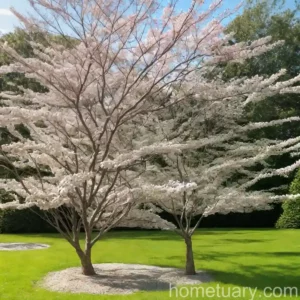
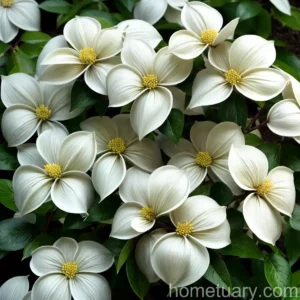
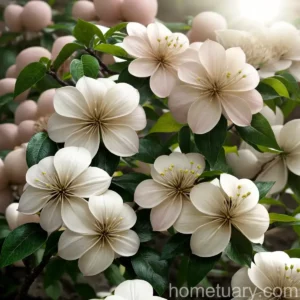
Tatarian Dogwood, scientifically known as Cornus alba, is a species of dogwood native to northern Asia and Europe, and is a member of the Cornaceae family. This deciduous shrub is popular for its variegated leaves, vibrant stems, and attractive clusters of white flowers.
Key Takeaways – Tatarian Dogwood (Cornus alba)
- Scientific Name: Cornus alba
- Common Name: Tatarian Dogwood
- Type: Deciduous shrub
- Native Range: Northern Asia and Europe
- Attractive Features: Variegated leaves, vibrant stems, white flower clusters
- USDA Hardiness Zones: 2-7
Tatarian dogwood has numerous uses in horticulture and landscaping, making it a valuable addition to gardens, parks, and naturalistic settings. In this comprehensive guide, we will explore the cultivation, uses, and maintenance of Tatarian dogwood, along with its environmental benefits and role in wildlife conservation.
Culture
Water
Tatarian dogwood thrives in moist, well-drained soil. During its establishment phase, regular watering is essential to ensure proper root development. However, once established, it exhibits good drought tolerance.
Sunlight
This versatile shrub prefers full sun to partial shade. While it can tolerate a range of light conditions, providing ample sunlight promotes robust growth and enhances the vibrancy of its stem color during the winter months.
Soil
When it comes to soil preferences, Tatarian dogwood shows a preference for moderately fertile, slightly acidic to neutral soils. It adapts well to a variety of soil types, including loamy, sandy, and clay soils, as long as they are well-drained.
Fertilizer
A balanced, slow-release fertilizer applied in the spring can promote healthy growth and flowering. However, be cautious not to over-fertilize, as excessive nitrogen can lead to sprawling growth and reduced stem color intensity.
Pruning
Regular pruning is vital to maintain the attractive form and vibrant stem color of Tatarian dogwood. Traditional pruning practices involve the removal of older stems to stimulate the growth of new, brightly colored stems, preserving the aesthetics of the shrub.
Uses
Landscaping
Tatarian dogwood is highly prized in landscaping for its ornamental value. Its variegated foliage, colorful stems, and striking white flower clusters contribute to its appeal as a specimen plant in gardens and parks. Additionally, it works well in mixed borders, woodland gardens, and naturalized landscapes, adding visual interest throughout the seasons.
Erosion Control
With its vigorous root system and tolerance to various soil conditions, Tatarian dogwood serves as an effective erosion controller on slopes and embankments. The dense root network helps stabilize soil, preventing erosion and enhancing the ecological balance of the landscape.
Wildlife Habitat
In addition to its ornamental value, Tatarian dogwood plays a crucial role in providing food and shelter for wildlife. The shrub’s berries are a valuable food source for various bird species, contributing to the overall biodiversity of the habitat.
Medicinal Uses
Historically, various parts of the Tatarian dogwood plant have been used in traditional medicine. The bark and roots were employed to prepare herbal remedies for conditions such as fevers, colds, and rheumatism. Though modern uses are limited, the historical medicinal uses demonstrate the cultural significance of this plant.
Propagation
Tatarian dogwood can be propagated through several methods, including:
- Seed Propagation: Collect seeds from ripe berries in the fall and sow them in a prepared seedbed. Germination usually occurs in the following spring.
- Softwood Cuttings: Take softwood cuttings in early summer and root them under mist to establish new plants.
- Division: Divide mature plants in early spring to create new clumps, ensuring that each division contains an adequate root system.
Container Popularity
As a container plant, Tatarian dogwood is appreciated for its compact size, attractive foliage, and colorful stems, making it a popular choice for patio containers and urban gardens. When grown in containers, it provides an eye-catching focal point and is particularly valued for its ornamental appeal in small outdoor spaces.
Container Common Diseases
While Tatarian dogwood is generally resilient, it can be susceptible to certain diseases when grown in containers. The following are common diseases to be aware of:
- Powdery Mildew: This fungal disease can affect plants grown in containers, especially in conditions of poor air circulation and high humidity. Proper airflow and fungicidal treatments can help manage this issue.
- Anthracnose: Characterized by leaf spots and stem cankers, anthracnose can impact container-grown Tatarian dogwood. Pruning affected branches and promoting good sanitation practices can help reduce the spread of the disease.
Disease Diagnosis
Diagnosing plant diseases can be challenging, but it’s essential to identify and address issues promptly. When examining a Tatarian dogwood for signs of disease, look for symptoms such as leaf spots, wilting, dieback, and unusual discoloration or growth abnormalities. If you suspect a disease, consider consulting a plant pathology specialist for accurate diagnosis and management recommendations.
Common Pests
While generally resistant to pests, Tatarian dogwood may encounter occasional pest infestations. Common pests that may affect this shrub include:
- Aphids: These small, sap-sucking insects can distort new growth and cause honeydew buildup. Natural predators such as ladybird beetles can help control aphid populations.
- Scale Insects: Scale infestations can lead to weakened growth and disfigured stems. Dormant oil applications and natural predators like parasitic wasps can aid in managing scale insect populations.
Botanist’s Tips
- To encourage vibrant stem color in winter, consider planting Tatarian dogwood in locations with ample sunlight and well-drained soil.
- When pruning, aim to remove old stems at ground level to promote the growth of new, colorful stems.
- Regular inspection of Tatarian dogwood plants for signs of pests and diseases is crucial for proactive management and maintaining plant health.
Fun Facts
- The specific epithet “alba” in Cornus alba refers to the white color of the flower clusters, highlighting the plant’s distinct ornamental feature.
- Tatarian dogwood’s colorful stems are most prominent in winter, adding visual interest to the landscape when other plants are dormant.
- The shrub’s berries are an important food source for birds during the colder months, contributing to the ecological balance of its habitat.
Now that we’ve covered the culture, uses, and maintenance tips for Tatarian dogwood, let’s explore some additional resources for further information on this captivating plant.
Links to External Resources
- The Royal Horticultural Society – Cornus alba
- University of Maryland Extension – Tatarian Dogwood Fact Sheet
- Missouri Botanical Garden – Cornus alba
- Cornus alba – North Carolina State Extension
- USDA Plants Database – Cornus alba
These resources provide in-depth insights into Tatarian dogwood, covering topics such as its botany, landscape uses, and maintenance guidelines, and can serve as valuable references for enthusiasts, horticulturists, and landscape professionals.
In conclusion, Tatarian dogwood (Cornus alba) is a versatile and visually striking shrub that offers a range of benefits in horticulture, landscaping, and ecosystem conservation. From its vibrant stem color and ornamental value to its role in supporting wildlife, this plant exemplifies the multifaceted contributions of native shrubs in diverse environments. Whether cultivated for its aesthetic charm, environmental merits, or cultural significance, Tatarian dogwood stands out as a resilient and captivating addition to the natural landscape.