Plant Profile: dogwood (Cornus ‘Rutgan’ STELLAR PINK)
In the world of ornamental trees, the dogwood (Cornus ‘Rutgan’ STELLAR PINK) holds a special place due to its stunning pink blossoms, disease resistance, and versatility in landscape designs. This blog post is dedicated to understanding the key aspects of this delightful plant, ranging from its culture and uses to its common diseases and pests. Whether you are a novice gardener or a seasoned botanist, there is always something new to learn about the remarkable STELLAR PINK Dogwood.
What is dogwood (Cornus ‘Rutgan’ STELLAR PINK)?
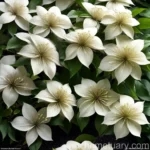
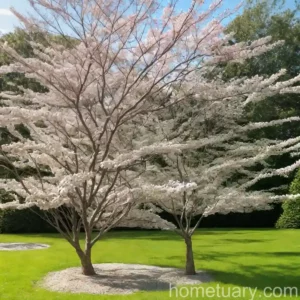
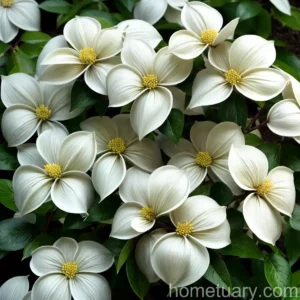
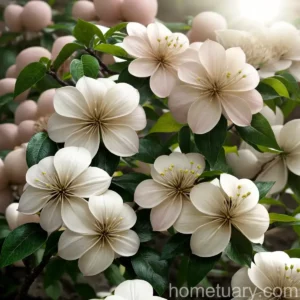
The dogwood, scientifically known as Cornus ‘Rutgan’ STELLAR PINK, is a hybrid flowering tree that belongs to the Cornus genus. This cultivar is cherished for its spectacular display of pink blossoms, which typically emerges in early spring, adorning gardens and landscapes with its vibrant and delicate flowers. The STELLAR PINK Dogwood is a result of thoughtful breeding and selection, offering both beauty and resilience in various growing conditions.
Key Takeaways – dogwood (Cornus ‘Rutgan’ STELLAR PINK)
Before delving into the specifics, let’s explore the key takeaways related to the dogwood (Cornus ‘Rutgan’ STELLAR PINK). This section will highlight various aspects, providing a concise overview of what makes this plant a standout choice for horticultural enthusiasts and avid gardeners.
- Common Name: STELLAR PINK Dogwood
- Botanical Name: Cornus ‘Rutgan’
- Type: Deciduous flowering tree
- Flower Color: Pink
- Key Features: Disease resistance, pink blossoms, landscape versatility
- Growth Rate: Moderate
- Mature Height: 15-25 feet
- Hardiness Zones: 5-9
- Special Attributes: Attracts wildlife, alluring fall foliage
With these takeaways in mind, let’s embark on a comprehensive journey to explore the various facets of the esteemed dogwood (Cornus ‘Rutgan’ STELLAR PINK) and how to care for it in different settings.
Culture
Understanding the cultural requirements of the dogwood (Cornus ‘Rutgan’ STELLAR PINK) is crucial for ensuring its optimal growth and development. From soil preferences to water needs, each aspect contributes to the overall health and appearance of this stunning flowering tree.
Water
Proper watering is essential, especially during the initial establishment phase. Adequate moisture is crucial to support root development and overall growth. While the dogwood (Cornus ‘Rutgan’ STELLAR PINK) prefers moist, well-drained soil, it’s important to avoid waterlogged conditions, which can lead to root rot and other issues.
- Watering Guidelines:
- Young Trees: Water deeply once or twice per week, especially during dry periods.
- Established Trees: Monitor soil moisture and water as needed, ensuring the root zone remains consistently moist but not waterlogged.
Sunlight
The dogwood (Cornus ‘Rutgan’ STELLAR PINK) thrives in partial shade to full sun, making it adaptable to a wide range of light conditions. However, it generally prefers afternoon shade, especially in hotter regions, to protect its delicate blossoms and foliage from scorching sunlight.
- Sunlight Requirements:
- Full Sun: 6-8 hours of direct sunlight per day.
- Partial Shade: Dappled sunlight or filtered shade, particularly during the hottest part of the day.
Fertilizer
Appropriate fertilization can significantly impact the growth and blooming capacity of the STELLAR PINK Dogwood. A balanced fertilizer, specifically formulated for woody ornamentals, can provide the necessary nutrients to support healthy foliage and abundant flowering.
- Fertilization Tips:
- Timing: Apply a slow-release fertilizer in early spring before new growth emerges.
- Application: Follow package instructions and avoid direct contact with the trunk to prevent potential burns.
Soil
The dogwood (Cornus ‘Rutgan’ STELLAR PINK) exhibits a preference for slightly acidic to neutral soils with good drainage. A well-aerated and nutrient-rich growing medium can encourage robust root development and overall vigor. Regular monitoring of soil pH and structure is recommended to ensure the plant’s long-term health and vitality.
- Ideal Soil Conditions:
- pH: 5.5-6.5 (slightly acidic to neutral)
- Texture: Loamy, well-drained soil
- Amendments: Incorporate organic matter when planting in heavy clay or sandy soils.
Pruning
Proper pruning plays a critical role in shaping the form of the dogwood (Cornus ‘Rutgan’ STELLAR PINK) and promoting optimal flowering. While minimal pruning is generally recommended, occasional maintenance is necessary to remove dead or damaged branches and enhance the tree’s natural beauty.
- Pruning Guidelines:
- Timing: Prune in late winter before new growth begins.
- Technique: Use sharp, clean tools to make precise cuts, removing any crossing or weak branches.
- Caution: Avoid excessive pruning, especially during the growing season, to prevent stress and potential issues with flowering.
Propagation
For those interested in expanding their collection of dogwood (Cornus ‘Rutgan’ STELLAR PINK) or propagating this remarkable cultivar, several methods can be employed. From seeds to vegetative propagation, each approach offers unique advantages and challenges, contributing to the diversity of dogwood specimens in nurseries and landscapes.
- Propagation Methods:
- Seed Propagation: Sow fresh seeds in a prepared bed or container, ensuring good seed-to-soil contact and consistent moisture.
- Cutting Propagation: Take softwood or hardwood cuttings, apply rooting hormone, and provide the appropriate environmental conditions for successful root development.
- Division: Divide established clumps or root masses, ensuring each division has sufficient roots and viable growth points.
Container Popularity
The dogwood (Cornus ‘Rutgan’ STELLAR PINK) is also well-suited for container cultivation, presenting an enchanting display of pink blossoms in tight urban spaces or on patios and balconies. When grown in containers, proper attention to watering, fertilizer application, and root space is essential for sustaining the tree’s health and ornamental value.
- Container Considerations:
- Container Size: Choose a sufficiently large container to accommodate the tree’s root system and allow for adequate growth.
- Drainage: Ensure the container has drainage holes to prevent waterlogging and root suffocation.
- Soil Mix: Use a well-draining potting mix with organic amendments to promote healthy root development.
Common Diseases
Despite its inherent disease resistance, the dogwood (Cornus ‘Rutgan’ STELLAR PINK) is susceptible to certain pathogens and environmental stressors, which can affect its overall vigor and appearance. Identifying and addressing common diseases promptly is crucial for maintaining the health and longevity of this beloved ornamental tree.
Disease Diagnosis
- Anthracnose: Look for irregular tan to brown lesions on the leaves, often accompanied by defoliation and dieback of twigs.
- Powdery Mildew: Observing powdery white patches on the foliage, particularly during warm, humid weather, may indicate powdery mildew infection.
- Botrytis Blight: Presence of blighted, water-soaked areas on flowers and stems, often leading to premature flower death.
Disease Management
- Cultural Practices: Implement proper sanitation, adequate air circulation, and planting site selection to minimize disease pressure.
- Fungicidal Treatments: Utilize appropriate fungicides following label instructions if disease incidence becomes significant, particularly during favorable environmental conditions for pathogen development.
Common Pests
While the dogwood (Cornus ‘Rutgan’ STELLAR PINK) enjoys natural resistance to many pests, occasional insect infestations can occur, impacting the tree’s aesthetic appeal and vitality. Familiarizing oneself with common pests and their characteristic damage can aid in early detection and targeted control measures.
Common Pests
- Dogwood Borer: Look for sawdust-like frass at entry sites and wilting of foliage, particularly in stressed or weakened trees.
- Scale Insects: Presence of small, immobile pests on the stems and foliage, often accompanied by honeydew and sooty mold development.
- Dogwood Sawfly: Observing skeletonized or chewed leaves, especially during the larval feeding period, may indicate dogwood sawfly activity.
Pest Management
- Monitoring: Regularly inspect the tree for signs of pest activity, focusing on the undersides of leaves, branch crotches, and areas of stress.
- Cultural Controls: Encourage natural predators and beneficial insects, maintain tree vigor, and promptly remove and destroy infested plant parts to reduce pest populations.
Botanist’s Tips
As a plant scientist with extensive experience in horticulture and ornamental plant care, I’d like to share some valuable tips and recommendations for cultivating and appreciating the beauty of the dogwood (Cornus ‘Rutgan’ STELLAR PINK).
- Planting Location: Select a site with dappled shade, well-drained soil, and ample space for the tree to mature without excessive competition.
- Mulching: Apply a 2-3 inch layer of organic mulch around the base of the tree, extending to the drip line, to conserve moisture and suppress weeds.
- Seasonal Care: Regularly monitor the tree for signs of stress, diseases, and pests, addressing any issues promptly to maintain its health and vitality.
Fun Facts
- The dogwood (Cornus ‘Rutgan’ STELLAR PINK) is the state tree of both Virginia and Missouri, showcasing its cultural and symbolic significance.
- In addition to its stunning spring blossoms, the dogwood displays attractive fall foliage, featuring shades of red, orange, and purple, adding seasonal interest to landscapes.
Links to External Resources
For further exploration and in-depth information on the dogwood (Cornus ‘Rutgan’ STELLAR PINK), I recommend the following resources:
- The American Conifer Society
- The Royal Horticultural Society
- The American Society of Plant Biologists
- The Missouri Botanical Garden
- The American Phytopathological Society
In conclusion, the dogwood (Cornus ‘Rutgan’ STELLAR PINK) stands as a testament to the beauty and resilience of ornamental trees, captivating enthusiasts and nature lovers alike with its enchanting pink blossoms and adaptable nature. By understanding its cultural needs, diseases, and pest management strategies, individuals can nurture and appreciate this remarkable cultivar, ensuring its prominence in gardens and landscapes for generations to come.