Plant Spotlight: Aster x frikartii ‘Jungfrau’
Aster x frikartii ‘Jungfrau’ is a delightful perennial plant that brings a burst of color to gardens with its captivating flowers. In this comprehensive guide, we will explore everything from its cultural requirements to propagation techniques, and its significance in various horticultural aspects.
So, let’s dive deep into the world of Aster x frikartii ‘Jungfrau’ and discover the intricacies of caring for and growing this stunning plant.
What is Aster x frikartii ‘Jungfrau’?
Aster x frikartii ‘Jungfrau’ is a hybrid perennial plant that belongs to the Asteraceae family. It is a cross between two species, the European Michaelmas daisy (Aster amellus) and the East European species (Aster thomsonii). This particular variety was bred by a renowned Swiss nurseryman, Frikart, and was named ‘Jungfrau’ after the famous Swiss mountain.
Key Takeaways – Aster x frikartii ‘Jungfrau’
- Scientific Name: Aster x frikartii ‘Jungfrau’
- Family: Asteraceae
- Common Name: Frikart’s Aster ‘Jungfrau’
- Plant Type: Perennial
- Bloom Time: Late summer to early fall
- Hardiness Zones: 5-8
- Mature Height: 18-24 inches
- Mature Spread: 18-24 inches
- Exposure: Full sun to partial shade
- Soil: Well-drained, fertile soil
Now that we have a brief introduction to Aster x frikartii ‘Jungfrau’, let’s delve into the details of its cultivation, uses, and maintenance.
Culture
Cultivating Aster x frikartii ‘Jungfrau’ requires attention to specific cultural practices that ensure its optimal growth and blooming. From planting tips to soil requirements, let’s explore the cultural aspects of this charming plant.
Uses
Aster x frikartii ‘Jungfrau’ serves as a multi-purpose plant in various horticultural settings. Its uses include:
- Garden Ornament: The beautiful flowers of ‘Jungfrau’ make it a highly sought-after plant for garden borders, rock gardens, and cottage gardens.
- Cut Flowers: Its long-lasting blooms also make it a perfect choice for cut flower arrangements, adding a touch of elegance to floral displays.
- Wildlife Attraction: ‘Jungfrau’ attracts butterflies and other pollinators, contributing to the biodiversity of the garden.
Now, let’s discuss the specific cultural requirements for successful growth of Aster x frikartii ‘Jungfrau’.
Water
Proper water management is crucial for the health and vigor of Aster x frikartii ‘Jungfrau’. While it prefers slightly moist soil, it’s important to avoid waterlogged conditions, which can lead to root rot and other issues.
Watering Needs for Aster x frikartii ‘Jungfrau‘:
- Established Plants: Water deeply and infrequently, allowing the soil to partially dry between waterings.
- Young Plants: Provide regular watering to aid in establishment, ensuring the root system develops effectively.
Sunlight
Aster x frikartii ‘Jungfrau’ thrives in bright sunlight, which is essential for promoting abundant flowering and robust growth.
Sunlight Requirements for Aster x frikartii ‘Jungfrau‘:
- Optimal Exposure: Plant in a location that receives at least 6-8 hours of direct sunlight daily for the best results.
- Partial Shade: In regions with intense heat, providing some afternoon shade can be beneficial, especially during peak summer months.
Fertilizer
To support the growth and flowering of Aster x frikartii ‘Jungfrau’, providing appropriate fertilization is essential.
Feeding and Fertilizing Aster x frikartii ‘Jungfrau‘:
- Early Spring: Apply a balanced, slow-release fertilizer to promote healthy foliage growth.
- During Blooming: If the plant shows signs of nutrient deficiency, supplement with a bloom-boosting fertilizer to enhance flower production.
Soil
The soil composition plays a crucial role in the overall health and performance of Aster x frikartii ‘Jungfrau’. It prefers well-draining, fertile soil that provides essential nutrients.
Best Soil for Aster x frikartii ‘Jungfrau‘:
- Well-Drained: Ensure the soil has good drainage to prevent waterlogging, which can be detrimental to the roots.
- Fertile: Incorporate organic matter such as compost or well-rotted manure during planting to enrich the soil and provide a nutrient-rich environment for the plant.
Pruning
Pruning is an important maintenance practice that promotes the health, shape, and flowering of Aster x frikartii ‘Jungfrau’.
Pruning Guide for Aster x frikartii ‘Jungfrau‘:
- Spring Pruning: Cut back the previous year’s growth in early spring to encourage new, vigorous growth and prevent the plant from becoming leggy.
- Deadheading: Remove spent flowers to prolong the blooming period and redirect the plant’s energy into producing new blooms.
Propagation
Propagating Aster x frikartii ‘Jungfrau’ allows for the expansion of its presence in the garden and offers an opportunity to share this beautiful plant with others.
Propagating Aster x frikartii ‘Jungfrau‘:
- Division: Divide established clumps in early spring or fall, ensuring that each division has a healthy portion of roots and shoots.
- Cuttings: Take softwood cuttings in late spring and root them in a well-draining rooting medium to propagate new plants.
Container Popularity
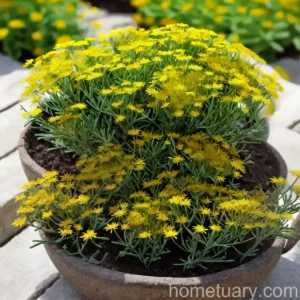
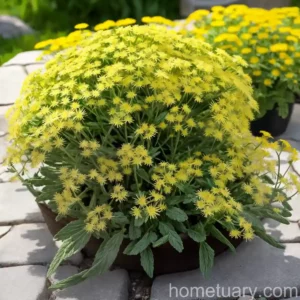
Aster x frikartii ‘Jungfrau’ is also well-suited for container gardening, adding flair to patios, balconies, and other confined spaces.
Container Gardening with Aster x frikartii ‘Jungfrau‘:
- Container Selection: Choose a large, sturdy container with drainage holes to accommodate the plant’s root system and prevent waterlogging.
- Potting Mix: Use a well-draining potting mix and ensure the container receives adequate sunlight for optimum growth and flowering.
Common Diseases
Like any other plant, Aster x frikartii ‘Jungfrau’ is susceptible to certain diseases that can impact its overall health and appearance. Understanding these diseases and their management is crucial for maintaining the plant’s vitality.
Disease Diagnosis
Recognizing the symptoms of common diseases is essential for timely intervention and effective disease management.
Common Problems with Aster x frikartii ‘Jungfrau‘:
- Powdery Mildew: Characterized by a white, powdery coating on the leaves, powdery mildew can be managed through proper air circulation and fungicidal treatments if necessary.
- Aster Yellows: This phytoplasma disease causes abnormal growth and yellowing of the foliage. Remove affected plants promptly to prevent the spread of the disease.
Common Pests
Pests can also pose a threat to the well-being of Aster x frikartii ‘Jungfrau’, and proactive pest management is key to preventing infestations.
Pest and Disease Management for Aster x frikartii ‘Jungfrau‘:
- Aphids: Monitor the plant for aphid infestations and use insecticidal soap or neem oil to control minor infestations.
- Slugs and Snails: Employ physical barriers or use pet-friendly slug and snail baits to protect the plant from these common garden pests.
Botanist’s Tips
As a plant enthusiast and botanist, I have some valuable tips for cultivating and caring for Aster x frikartii ‘Jungfrau’. These insights will help you unleash the full potential of this captivating plant.
Fun Facts
- The specific epithet “frikartii” in the plant’s name honors the Swiss nurseryman Carl Ludwig Frikart, who was known for his contributions to the breeding of asters.
- The word “Jungfrau” translates to “young woman” or “virgin” in German, highlighting the purity and elegance of the plant’s captivating white flowers.
Links to External Resources
To further enrich your knowledge and explore additional information about Aster x frikartii ‘Jungfrau’, here are some valuable external resources:
- Royal Horticultural Society – Aster x frikartii ‘Jungfrau’
- Missouri Botanical Garden – Aster x frikartii ‘Jungfrau’
- University of Illinois Extension – Aster x frikartii ‘Jungfrau’
In conclusion, Aster x frikartii ‘Jungfrau’ is a remarkable plant that enchants gardeners with its elegant flowers and versatile nature. By following the guidelines and tips provided in this comprehensive guide, you can foster the growth of this beautiful perennial and create stunning garden displays that celebrate the natural splendor of Aster x frikartii ‘Jungfrau’.