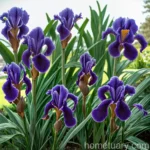
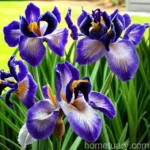
Tall Bearded Iris (Iris ‘Dutch Chocolate’)
Tall bearded iris, scientifically known as Iris ‘Dutch Chocolate,’ is a stunning plant that has captured the hearts of many garden enthusiasts. Known for its vibrant colors and unique characteristics, this iris variety holds a special place in the world of horticulture. In this comprehensive guide, we will delve into every aspect of the tall bearded iris, from its cultivation and maintenance to its historical significance and uses. Join us on this journey to unravel the beauty and secrets of the captivating Iris ‘Dutch Chocolate.’
What is Plant: Tall Bearded Iris (Iris ‘Dutch Chocolate’)?
The tall bearded iris, Iris ‘Dutch Chocolate,’ belongs to the genus Iris and the family Iridaceae. It is renowned for its tall, elegant stature and striking bearded blooms. This particular variety, ‘Dutch Chocolate,’ is sought after for its unique coloration and graceful presence in gardens and landscapes.
Iris ‘Dutch Chocolate’ Characteristics
- Common Name: Tall Bearded Iris
- Botanical Name: Iris ‘Dutch Chocolate’
- Flower Color: Rich chocolate brown with subtle purple undertones
- Bloom Time: Late spring to early summer
- Height: 30-36 inches
- Sunlight Requirements: Full sun to partial shade
- Hardiness Zones: 3-9
- Type: Perennial
Now that we understand the basic characteristics of the tall bearded iris, let’s explore its culture, uses, and how to care for this mesmerizing plant.
Key Takeaways – Tall Bearded Iris (Iris ‘Dutch Chocolate’)
The tall bearded iris, Iris ‘Dutch Chocolate,’ is a beloved addition to gardens and landscapes due to its stunning blooms and ease of care. Below are the key takeaways that we’ll be covering in detail throughout this guide:
- Culture
- Uses
- Water
- Sunlight
- Fertilizer
- Soil
- Pruning
- Propagation
- Container Popularity
- Container Common Diseases
- Disease Diagnosis
- Common Pests
- Botanist’s Tips
- Fun Facts
- Links to External Resources
Let’s dive into the intricate details of cultivating and caring for the tall bearded iris, Iris ‘Dutch Chocolate.’
Culture
Iris ‘Dutch Chocolate’ Cultivation
Tall bearded irises are relatively easy to grow and maintain. Here are the essential cultural aspects to consider when cultivating Iris ‘Dutch Chocolate’:
-
Planting Time: In most climates, it is best to plant tall bearded iris rhizomes in late summer to early fall. This allows the plants to establish their root systems before the onset of winter.
-
Soil Preparation: Irises prefer well-draining soil. Prior to planting, amend the soil with organic matter, such as compost, to improve its texture and fertility.
-
Planting Depth: When planting iris rhizomes, ensure that the tops of the rhizomes are just at or slightly below the soil surface. This prevents the rhizomes from drying out and enhances their chances of producing robust foliage.
-
Spacing: Space iris rhizomes approximately 12-24 inches apart to allow for adequate air circulation and future growth.
-
Mulching: Apply a thin layer of mulch around the base of the plants to conserve moisture and suppress weed growth.
Iris ‘Dutch Chocolate’ Watering Needs
Proper watering is crucial for the health and vitality of tall bearded irises. Here’s how to effectively manage the watering needs of Iris ‘Dutch Chocolate’:
-
Establishment Phase: After planting, water the newly installed rhizomes thoroughly to promote root establishment.
-
Regular Watering: Throughout the growing season, irises benefit from consistent moisture, especially during dry spells. However, it is essential to avoid overwatering, as this may lead to rot and other issues.
-
Watering Technique: Water the soil around the base of the plants, aiming to keep the foliage dry to minimize the risk of diseases, such as bacterial soft rot and fungal leaf spot.
-
Winter Considerations: While irises are dormant during winter, they still require some moisture. However, it’s important to refrain from overwatering during the dormant period.
Now that we have discussed the fundamental aspects of iris culture and watering, let’s explore the uses of the tall bearded iris in landscaping and horticulture.
Uses
Ornamental Beauty
Tall bearded irises, including the Iris ‘Dutch Chocolate’ variety, are predominantly cultivated for their ornamental value. These irises are prized for their showy blooms and vibrant colors, adding charm and elegance to gardens, borders, and floral arrangements.
Cut Flowers
The striking flowers of tall bearded irises make them popular choices for cut flower arrangements. From creating stunning bouquets to adding a touch of elegance to floral displays, Iris ‘Dutch Chocolate’ blooms are cherished by florists and flower enthusiasts alike.
Pollinator Attraction
Like many flowering plants, tall bearded irises attract pollinators such as bees, butterflies, and hummingbirds. Their nectar-rich blooms serve as valuable food sources for these important pollinating insects and birds.
Landscape Design
Tall bearded irises contribute to the overall aesthetic appeal of landscapes and garden designs. They can be used as focal points in flower beds, mixed borders, and perennial gardens, creating captivating visual interest and color contrasts.
Medicinal and Symbolic Uses
Throughout history, irises have been associated with various symbolic meanings and have been used in traditional medicine for certain therapeutic purposes. While the Iris ‘Dutch Chocolate’ variety is primarily grown for its ornamental value, it is important to appreciate the historical significance and diverse uses of irises.
With a deeper understanding of the cultural aspects and uses of the tall bearded iris, let’s shift our focus to the essential environmental factors that contribute to the health and vigor of Iris ‘Dutch Chocolate.’
Sunlight
Sunlight Requirements for Iris ‘Dutch Chocolate’
Tall bearded irises, including the ‘Dutch Chocolate’ variety, thrive in locations with ample sunlight. Here are some vital considerations regarding sunlight exposure for these irises:
-
Full Sun: Irises perform best when they receive at least 6-8 hours of direct sunlight daily. Adequate sunlight promotes robust growth and prolific flowering.
-
Partial Shade: While irises prefer full sun, they can tolerate partial shade, especially in regions with intense afternoon sun or during extremely hot summers.
-
Sun-Soaked Locations: Plant Iris ‘Dutch Chocolate’ in areas that receive morning sunlight, as this helps evaporate any dew or moisture on the foliage and minimizes the risk of fungal diseases.
By providing the tall bearded iris with the appropriate sunlight conditions, gardeners can ensure that their plants flourish and showcase their captivating blooms to the fullest.
Fertilizer
Fertilizing Iris ‘Dutch Chocolate’
Applying the right fertilizer at the correct time is essential for promoting healthy growth and abundant blooms in tall bearded irises. Consider the following guidelines when fertilizing Iris ‘Dutch Chocolate’:
-
Timing: Apply a balanced, low-nitrogen fertilizer in early spring just as the new growth emerges. Avoid fertilizing later in the growing season, as this can lead to softer foliage that is more susceptible to diseases.
-
Fertilizer Analysis: Choose a fertilizer with a lower nitrogen content (N) relative to phosphorus (P) and potassium (K). A ratio of 6-10-10 or similar is suitable for nourishing irises without promoting excessive leaf growth at the expense of flowers.
-
Application Technique: Gently work the fertilizer into the soil around the base of the plants, taking care not to damage the shallow iris rhizomes. Water the area thoroughly to facilitate the uptake of nutrients.
By providing the appropriate nutrition through strategic fertilization, gardeners can support the vigorous growth and stunning blooms of Iris ‘Dutch Chocolate.’
Soil
Soil Requirements for Iris ‘Dutch Chocolate’
The soil composition plays a pivotal role in the overall health and performance of tall bearded irises. Consider the following soil considerations when cultivating Iris ‘Dutch Chocolate’:
-
Well-Draining Soil: Irises favor well-draining soil to prevent waterlogged conditions that can lead to root rot and other issues. Heavy clay soil should be amended with organic matter to improve drainage.
-
pH Level: Irises thrive in slightly acidic to neutral soil with a pH range of 6.8-7.0. Conduct a soil test to assess the pH level and make adjustments as needed to create an optimal growing environment for these plants.
-
Soil Texture: A loamy soil texture is ideal for irises, as it provides a balance of moisture retention and drainage, allowing the roots to access water and nutrients without becoming waterlogged.
-
Soil Structure: Avoid compacted soil, as it can impede the development of iris rhizomes and restrict their ability to establish a strong root system.
By ensuring that the soil meets the specific requirements of Iris ‘Dutch Chocolate,’ gardeners can create an optimal growing environment that promotes the overall health and vigor of these magnificent plants.
Pruning
Pruning Guide for Iris ‘Dutch Chocolate’
Proper pruning and maintenance practices are essential for keeping tall bearded irises healthy and visually appealing. Here are the key aspects of pruning Iris ‘Dutch Chocolate’:
-
Deadheading Spent Blooms: After the iris blooms have faded, promptly remove the spent flowers to prevent the formation of seedpods. Deadheading redirects the plant’s energy toward rhizome development and future bloom production.
-
Foliage Maintenance: Trim away any brown or yellowing foliage to maintain a tidy appearance and reduce the risk of disease. When pruning damaged foliage, make clean cuts near the base of the plant.
-
Fall Cleanup: In late fall or early winter, trim the foliage of tall bearded irises to a height of 6-8 inches. This helps prevent fungal diseases and keeps the garden looking neat during the dormant season.
By following sound pruning practices, gardeners can promote the overall health and appearance of Iris ‘Dutch Chocolate’ while ensuring the plants are primed for a prolific blooming season.
Propagation
Propagation Methods for Iris ‘Dutch Chocolate’
For enthusiasts seeking to expand their collection of tall bearded irises, propagation provides an opportunity to create new plants from existing ones. Here are the primary methods of propagating Iris ‘Dutch Chocolate’:
-
Division: Divide mature iris clumps every 3-4 years in late summer to early fall. Carefully separate the rhizomes, ensuring that each division has healthy roots and adequate foliage. Replant the divisions at the appropriate spacing.
-
Rhizome Cuttings: Select healthy, firm rhizomes and cut them into sections that each contain at least one fan of leaves and healthy roots. Plant the rhizome cuttings at the correct depth and provide suitable growing conditions for rooting and establishment.
By utilizing these propagation methods, gardeners can propagate Iris ‘Dutch Chocolate’ and share the beauty of these irises with others, while also rejuvenating the vigor of established plantings.
Container Popularity
Growing Iris ‘Dutch Chocolate’ in Containers
While tall bearded irises are commonly grown in garden beds, they can also thrive in containers, offering gardeners the flexibility to showcase these stunning plants on patios, balconies, and other outdoor spaces. Here are guidelines for successfully cultivating Iris ‘Dutch Chocolate’ in containers:
-
Container Selection: Choose a spacious, deep container with adequate drainage holes to accommodate the growth of iris rhizomes and support their root systems.
-
Potting Mix: Use a well-draining potting mix designed for perennials or mix your own using a combination of potting soil, perlite, and organic matter.
-
Planting Depth: Position the iris rhizomes at or slightly below the soil surface, ensuring that they have space to grow and receive the appropriate moisture and nutrients.
-
Watering and Maintenance: Provide consistent moisture to container-grown irises, monitoring the soil moisture levels and watering as needed. Conduct regular maintenance, including deadheading spent blooms and managing foliage health.
By leveraging containers, gardeners can adorn their outdoor spaces with the striking blooms of Iris ‘Dutch Chocolate’ and appreciate the versatility of these captivating irises.
Container Common Diseases
Disease Management for Container-Grown Iris ‘Dutch Chocolate’
While cultivating irises in containers offers advantages, it is important to address potential disease issues that may affect these plants. Here are common diseases to watch for and methods to manage them:
-
Bacterial Soft Rot: Avoid overwatering and ensure proper drainage to prevent conditions conducive to bacterial soft rot. If symptoms manifest, promptly remove and discard affected plant material and adjust the watering practices.
-
Fungal Leaf Spot: Keep the foliage dry by watering the soil around the base of the plants and avoiding overhead watering. Remove and dispose of any affected leaves to prevent the spread of the fungal disease.
By staying vigilant and implementing preventive measures, gardeners can maintain the health and vigor of Iris ‘Dutch Chocolate’ when growing them in containers.
Disease Diagnosis
Identifying and Addressing Iris ‘Dutch Chocolate’ Diseases
When caring for tall bearded irises, it is crucial to promptly address any signs of disease to mitigate their impact on the plants. Here are common symptoms of potential diseases affecting Iris ‘Dutch Chocolate’ and steps for diagnosis and management:
-
Yellowing or Browning Foliage: This may indicate issues such as fungal leaf spot, bacterial soft rot, or rotting of the rhizomes. Inspect the plants closely and take appropriate measures, such as adjusting watering practices and removing affected plant parts.
-
Wilting or Stunted Growth: These symptoms can be indicative of root-related diseases or inadequate growing conditions. Assess the soil drainage and overall health of the plants to identify potential causes and implement necessary interventions.
-
Discolored or Damaged Blooms: If the blooms show signs of discoloration, spotting, or unusual deformities, it is essential to investigate the underlying factors, such as fungal infections, and take targeted actions to manage the issues.
By actively monitoring the health of Iris ‘Dutch Chocolate,’ gardeners can detect and address potential diseases in a timely manner, fostering the resilience and longevity of these beautiful irises.
Common Pests
Pests Affecting Iris ‘Dutch Chocolate’
While tall bearded irises are relatively resilient, they are susceptible to certain pests that can impact their vigor and overall performance. Here are common pests to be mindful of and strategies for managing them:
-
Iris Borers: Monitor the foliage for signs of iris borer activity, such as wilting or yellowing leaves. Employ preventive measures, including cleaning up garden debris that may harbor iris borer eggs and larvae.
-
Aphids: Keep an eye out for aphids, particularly on the tender new growth of irises. Use targeted treatments, such as insecticidal soap, to control aphid populations and minimize their impact on the plants.
-
Thrips: Thrips can cause damage to iris blooms, leading to distorted or discolored flowers. Employ methods such as insecticidal treatments to manage thrips and protect the aesthetic appeal of Iris ‘Dutch Chocolate.’
By identifying and addressing pest issues in a timely manner, gardeners can safeguard the health and beauty of their cherished Iris ‘Dutch Chocolate’ plants.
Botanist’s Tips
Expert Tips for Growing Iris ‘Dutch Chocolate’
To enhance the cultivation and care of Iris ‘Dutch Chocolate,’ here are valuable tips from botanists and experienced gardeners:
-
Rhizome Inspection: Before planting iris rhizomes, carefully inspect them for signs of damage, rot, or pest infestations. Only select healthy, firm rhizomes for propagation or planting.
-
Mulching Considerations: When mulching around irises, opt for a light layer of organic mulch, such as shredded bark or compost. Avoid heavy or compacted mulch that can impede the emergence of new growth.
-
Dividing Regularity: Adhere to a regular schedule for dividing tall bearded irises, as overcrowded clumps can lead to reduced flowering and susceptibility to diseases. Division rejuvenates the plants and promotes their overall vigor.
By integrating these expert tips into their gardening practices, enthusiasts can optimize the growth and blooming of Iris ‘Dutch Chocolate’ while nurturing the health of these remarkable irises.
Fun Facts
Fascinating Insights about Iris ‘Dutch Chocolate’
Discover some intriguing and delightful facts about Iris ‘Dutch Chocolate’ that highlight the charm and allure of these remarkable plants:
-
Color Variations: The blooms of Iris ‘Dutch Chocolate’ display an exquisite blend of rich chocolate brown hues with captivating undertones of purple, creating a visual spectacle in gardens and landscapes.
-
Historical Significance: Irises have been featured in art, mythology, and literature throughout history, embodying diverse symbolic meanings and captivating the imagination of people across cultures and centuries.
-
Hybridization Legacy: The development of new iris varieties through hybridization has widened the spectrum of colors, forms, and patterns, expanding the allure of these beloved garden plants.
-
Garden Design Element: Tall bearded irises, including ‘Dutch Chocolate,’ serve as essential components in creating captivating garden compositions, contributing to the overall beauty and dynamic appeal of diverse landscapes.
-
Fragrance Allure: While many irises are renowned for their visual impact, some varieties, including Iris ‘Dutch Chocolate,’ also emit a subtle, sweet fragrance that adds an enchanting dimension to their presence in the garden.
As we uncover these engaging facts, we gain a deeper appreciation for the captivating allure of Iris ‘Dutch Chocolate’ and its enduring significance in horticulture.
Links to External Resources
For further exploration and in-depth information on tall bearded irises and Iris ‘Dutch Chocolate,’ here are valuable external resources and sources of insight:
-
American Iris Society: https://www.irises.org/
-
Royal Horticultural Society (RHS): https://www.rhs.org.uk/
-
University Extension Services: Look for reputable university extension websites that provide guidance on growing irises in various regions and climates.
-
Specialty Iris Nurseries: Seek out reputable iris nurseries and growers that offer a diverse selection of tall bearded irises, including the ‘Dutch Chocolate’ variety.
-
Garden Forums and Communities: Engage with fellow gardeners and iris enthusiasts through online forums and communities, where valuable insights and experiences are shared.
By exploring these external resources, gardeners can access a wealth of knowledge and perspectives to enrich their understanding and cultivation of Iris ‘Dutch Chocolate’ and other tall bearded iris varieties.
In conclusion, the tall bearded iris, Iris ‘Dutch Chocolate,’ stands as a testament to the beauty, versatility, and enduring appeal of irises in the world of horticulture. From their captivating blooms and ornamental uses to their cultural significance and care requirements, these remarkable plants continue to inspire and enchant gardeners and flower enthusiasts. Whether adorning gardens, serving as focal points in landscapes, or gracing floral arrangements, Iris ‘Dutch Chocolate’ holds a revered place in the hearts of those who appreciate the allure of these stunning irises.
As we embrace the rich tapestry of iris cultivation and appreciation, let us celebrate the timeless charm and splendor of Iris ‘Dutch Chocolate’ and the diverse array of tall bearded iris varieties, honoring their heritage and enriching our lives through their enduring beauty.