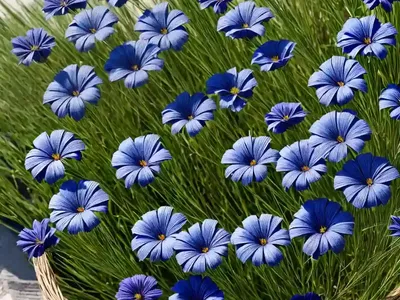
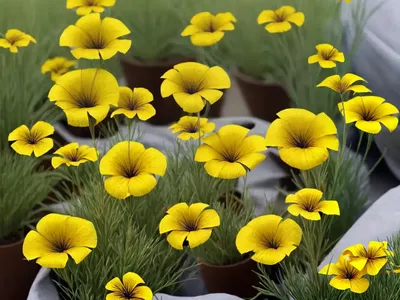
Tahitian Bridal Veil (Gibasis Geniculata)
Plants are multicellular organisms belonging to the kingdom Plantae. They play a vital role in the ecosystem, serving as primary producers and providing.
What is a Plant?
Plants are multicellular organisms belonging to the kingdom Plantae. They play a vital role in the ecosystem, serving as primary producers and providing oxygen, food, and habitat for other organisms. There are over 390,000 known species of plants, which range from tiny mosses to massive trees.
Tahitian Bridal Veil (Gibasis geniculata)
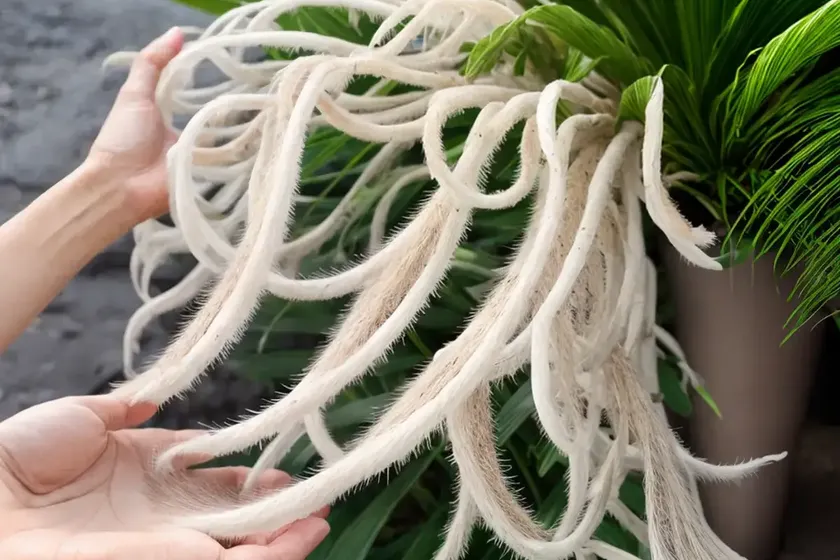
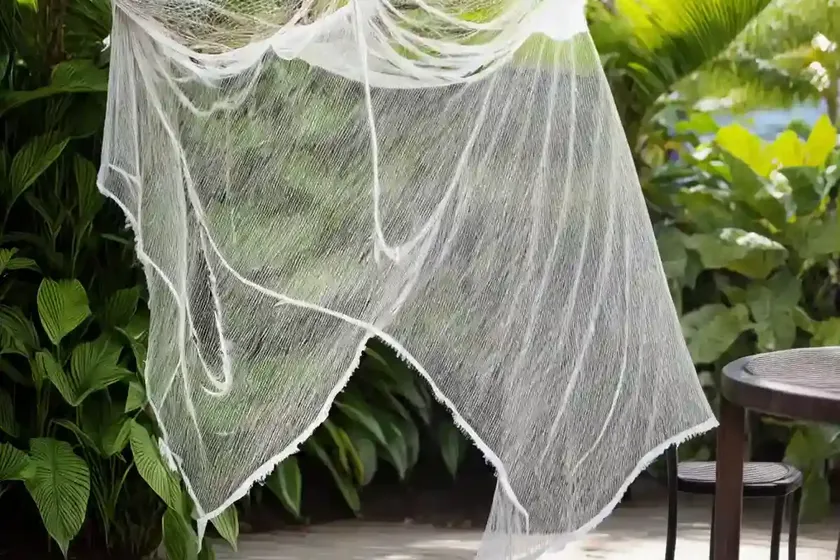
Tahitian Bridal Veil, scientifically known as Gibasis geniculata, is a stunning and low-maintenance plant that belongs to the Commelinaceae family. This plant is native to Central America and is revered for its beautiful, trailing foliage. The common name ‘Tahitian Bridal Veil’ is derived from the veiling nature of its delicate stems and leaves.
In this comprehensive guide, we’ll explore the key aspects of cultivating and caring for Tahitian Bridal Veil, including its culture, propagation, common diseases and pests, and essential tips for maintaining this captivating plant.
Culture
Tahitian Bridal Veil, with its fascinating and intricate growth habit, is a delightful addition to any indoor garden or terrarium. Here’s an overview of its cultural requirements:
-
Water: Tahitian Bridal Veil thrives in moderately moist soil. However, over-watering should be avoided, as it can lead to root rot. It’s essential to allow the soil to dry slightly between waterings to maintain optimal growing conditions.
-
Sunlight: This plant appreciates bright, indirect light. An east or west-facing window is ideal. Direct sunlight should be avoided, as it may scorch the delicate foliage.
-
Fertilizer: Fertilize Tahitian Bridal Veil with a balanced liquid fertilizer once a month during the growing season (spring and summer). It’s crucial to dilute the fertilizer to half the recommended strength to avoid over-fertilization.
-
Soil: Well-draining potting mix rich in organic matter is suitable for Gibasis geniculata. A mix containing peat moss, perlite, and vermiculite provides an adequate balance of moisture retention and aeration.
-
Pruning: Regular trimming and grooming can help shape the plant and encourage bushier growth. Additionally, pruning can remove any dead or yellowing foliage, promoting the overall health and vigor of the plant.
Propagation
Tahitian Bridal Veil can be easily propagated through stem cuttings. Simply take a 4-6 inch cutting from a healthy stem and place it in a container filled with a well-draining potting mix. Keep the soil consistently moist, and the cutting should develop roots within a few weeks.
Container Popularity
Due to its exquisite trailing nature, Tahitian Bridal Veil is commonly found in hanging baskets or elevated containers where its cascading foliage can be fully appreciated. Additionally, it serves as an excellent choice for terrariums and indoor gardens, adding a touch of elegance and natural beauty to any setting.
Common Diseases
Tahitian Bridal Veil is relatively resistant to diseases. However, over-watering can lead to root rot, while under-watering can cause the leaves to wilt. Maintaining a balanced watering schedule is crucial to prevent these issues.
Common Pests
While Tahitian Bridal Veil is generally resistant to pests, it may occasionally encounter infestations from spider mites or aphids. Regularly inspecting the plant and gently wiping the leaves with a damp cloth can effectively deter these pests.
Botanist’s Tips
- Maintain a consistent watering schedule, allowing the soil to partially dry out between waterings.
- Provide bright, indirect light to ensure healthy growth and vibrant foliage.
- Use a well-draining potting mix to prevent waterlogging and allow the roots to breathe.
- Consider regular pruning to maintain the plant’s shape and encourage lush growth.
- For propagation, select healthy stem cuttings and provide optimum humidity to foster root development.
Fun Facts
- Tahitian Bridal Veil is also known by the names ‘Tahitian Bridal Veil Wandering Jew’ and ‘Tahitian Bridal Veil Wandering Dude.’
- The delicate and trailing nature of this plant makes it a popular choice for hanging baskets and decorative plant arrangements.
Links to External Resources
For further information on the care and cultivation of Tahitian Bridal Veil, you may find the following resources helpful:
- The Complete Guide to Growing and Caring for Gibasis geniculata
- Tips for Successfully Propagating Tahitian Bridal Veil Plants
- Common Diseases and Pests of Indoor Plants
In the subsequent sections, we will delve deeper into the various facets of caring for Tahitian Bridal Veil, providing comprehensive insights into its diverse requirements and attributes.