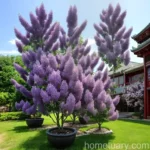
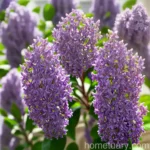
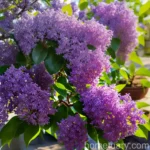
Syringa Scent and Sensibility™ Pink (Lilac)
Lilacs are beloved for their vibrant blooms, delightful fragrance, and ease of care. Among the numerous lilac varieties available, the Syringa Scent and Sensibility™ Pink (Lilac) stands out for its enchanting pink flowers and captivating scent. In this comprehensive guide, we will delve into the various aspects of this remarkable plant, including its culture, uses, maintenance, propagation, and much more. Whether you are a seasoned gardener or a novice plant enthusiast, this blog post will equip you with the essential knowledge to successfully cultivate and enjoy the Syringa Scent and Sensibility™ Pink (Lilac) in your garden.
What is Syringa Scent and Sensibility™ Pink (Lilac)?
The Syringa Scent and Sensibility™ Pink (Lilac) is a captivating variety of the common lilac (Syringa vulgaris). Renowned for its profusion of fragrant, pink flowers, this shrub is a delightful addition to any landscape. Its compact growth habit and abundant blooms make it an excellent choice for borders, hedges, or standalone ornamental plantings.
Key Takeaways – Syringa Scent and Sensibility™ Pink (Lilac)
Before we delve into the specifics of cultivating the Syringa Scent and Sensibility™ Pink (Lilac), let’s highlight some key takeaways about this remarkable plant:
- Botanical Name: Syringa vulgaris ‘Scent and Sensibility™ Pink’
- Plant Type: Deciduous shrub
- Flower Color: Pink
- Fragrance: Highly fragrant flowers
- Growth Habit: Compact, mounded form
- Mature Size: Approximately 4-5 feet in height and spread
- Best Uses: Borders, hedges, standalone ornamental shrub
- Hardiness Zone: 3-7
- Bloom Time: Late spring to early summer
- Special Features: Attracts butterflies and pollinators, excellent cut flowers
Culture
The culture of the Syringa Scent and Sensibility™ Pink (Lilac) encompasses various aspects such as water, sunlight, fertilizer, soil, and pruning. Understanding these cultural requirements is essential for providing the optimal growing conditions for the plant.
Water
Proper watering is crucial for the establishment and ongoing health of the Syringa Scent and Sensibility™ Pink (Lilac). Here are some key points to consider regarding water:
- Establishment Phase: During the initial planting and establishment phase, the lilac should be watered regularly to keep the soil consistently moist, but not waterlogged.
- Mature Plants: Once established, lilacs are relatively drought-tolerant, but they benefit from deep, thorough watering during prolonged dry spells.
- Watering Frequency: As a general guideline, the Syringa Scent and Sensibility™ Pink (Lilac) should receive approximately 1 inch of water per week, either from rainfall or irrigation.
Sunlight
Lilacs thrive in full sun, and the Syringa Scent and Sensibility™ Pink (Lilac) is no exception. Adequate sunlight is essential for promoting healthy growth and abundant flowering. Here are some key considerations:
- Sun Exposure: Plant the lilac in a location where it will receive at least 6-8 hours of direct sunlight daily.
- Southern Exposure: A south-facing exposure is ideal for maximizing sunlight exposure, especially in cooler climates.
Fertilizer
While lilacs are not heavy feeders, providing a balanced fertilizer can support healthy growth and prolific flowering. Here’s what you need to know about fertilizing the Syringa Scent and Sensibility™ Pink (Lilac):
- Timing: Apply a balanced, slow-release fertilizer in early spring, just as new growth begins to emerge.
- Application Rate: Follow the manufacturer’s recommendations for the specific fertilizer product being used, and apply the fertilizer evenly around the base of the shrub.
- Avoid Overfeeding: Refrain from over-feeding, as excessive fertilization can lead to excessive foliage growth at the expense of flowers.
Soil
The soil composition and pH play a significant role in the overall health and performance of the Syringa Scent and Sensibility™ Pink (Lilac). Here’s what to consider regarding soil:
- Well-Drained Soil: Lilacs prefer well-drained soil to prevent waterlogging, which can lead to root rot.
- pH Level: A slightly acidic to neutral soil pH in the range of 6.0-7.0 is ideal for lilacs. Conduct a soil test to determine the pH of the planting area, and amend the soil as needed to reach the optimal pH range.
Pruning
Pruning is an essential aspect of lilac care, as it helps maintain the plant’s shape, promote flowering, and remove old or diseased wood. Here are the key points to consider when pruning the Syringa Scent and Sensibility™ Pink (Lilac):
- Timing: Prune lilacs immediately after flowering, typically in late spring to early summer.
- Pruning Objective: Remove spent flower clusters and any dead, damaged, or crossing branches. Additionally, perform rejuvenation pruning as needed to rejuvenate overgrown or sparse plants.
Uses
The Syringa Scent and Sensibility™ Pink (Lilac) offers a range of uses in the garden and landscape. Here are some common applications for this delightful shrub:
- Borders and Edging: Plant the Syringa Scent and Sensibility™ Pink (Lilac) along borders and walkways to create a colorful and fragrant delineation.
- Hedging: The compact growth habit and abundant blooms make the lilac an excellent choice for creating low hedges or dividers within the landscape.
- Stand-Alone Ornamental: The captivating pink flowers and delightful fragrance make the Syringa Scent and Sensibility™ Pink (Lilac) an ideal standalone feature in the garden.
Water
The water requirements for the Syringa Scent and Sensibility™ Pink (Lilac) are relatively minimal once the plant is established. Lilacs are known for their drought tolerance, but adequate moisture is essential, especially during the initial establishment phase and prolonged dry spells.
| Daily watering | Monthly watering | Seasonal watering | Annual watering |
|---|---|---|---|
| Moderate | Moderate | Moderate | Light |
Sunlight
The Syringa Scent and Sensibility™ Pink (Lilac) thrives in full sun. Full sun exposure for at least 6-8 hours daily is ideal for promoting healthy growth and abundant flowering in this plant.
| Sunlight Required | Sunlight Exposure | Ideal Sunlight Exposure |
|---|---|---|
| Full Sun | 6-8 hours daily | South-facing exposure |
Fertilizer
Applying a balanced, slow-release fertilizer in early spring can support the healthy growth and flowering of the Syringa Scent and Sensibility™ Pink (Lilac).
| Fertilizer Timing | Fertilizer Type | Application Rate |
|---|---|---|
| Early spring | Balanced | Follow manufacturer’s recommendations |
Soil
Well-drained soil with a slightly acidic to neutral pH in the range of 6.0-7.0 is ideal for the Syringa Scent and Sensibility™ Pink (Lilac).
| Soil Type | Soil Drainage | Soil pH |
|---|---|---|
| Well-drained | Moderate | 6.0-7.0 |
Pruning
Prune the Syringa Scent and Sensibility™ Pink (Lilac) immediately after flowering, and remove spent flower clusters and any dead, damaged, or crossing branches.
| Pruning Timing | Pruning Objective |
|---|---|
| Late spring | Remove spent blooms, dead wood, and rejuvenate overgrown plants |
Propagation
Propagating the Syringa Scent and Sensibility™ Pink (Lilac) allows for the expansion of its presence in the garden or landscape. Here are the primary methods of propagation for this lilac variety:
- Softwood Cuttings: Propagate the Syringa Scent and Sensibility™ Pink (Lilac) from softwood cuttings taken in early summer. Dip the cut end of the cuttings in rooting hormone and plant them in a well-draining rooting medium.
- Layering: Air layering or simple layering can be used to propagate the lilac by encouraging the development of roots on a stem while it is still attached to the parent plant.
- Division: Established plants can be divided during the dormant season, with each division containing a portion of the root system and several vigorous shoots.
Container Popularity
The compact growth habit of the Syringa Scent and Sensibility™ Pink (Lilac) makes it well-suited for growing in containers. The portability and ornamental value of container-grown lilacs make them popular for patios, balconies, and small gardens. Here are some key factors to consider when growing the Syringa Scent and Sensibility™ Pink (Lilac) in containers:
- Container Size: Use a large, sturdy container that allows for ample root development and stability for the plant.
- Well-Draining Soil: Fill the container with a well-draining potting mix to prevent waterlogging.
- Sunlight: Place the container in a location that receives at least 6-8 hours of direct sunlight daily.
Common Diseases
Like most plants, lilacs are susceptible to certain diseases that can impact their health and appearance. Here are some common diseases that may affect the Syringa Scent and Sensibility™ Pink (Lilac):
- Powdery Mildew: A fungal disease that presents as a powdery, white coating on the leaves and stems.
- Bacterial Blight: Characterized by wilting, browning, and dieback of the affected foliage, often with dark streaks on the stems.
- Verticillium Wilt: A soil-borne fungal disease that causes wilting, yellowing, and eventual death of the plant.
Disease Diagnosis
Diagnosing and addressing diseases in the Syringa Scent and Sensibility™ Pink (Lilac) involves careful observation and prompt intervention. Here’s how to diagnose common lilac diseases:
- Visual Symptoms: Look for characteristic symptoms such as powdery white growth (powdery mildew), wilting and dieback (bacterial blight), and overall decline (Verticillium wilt).
- Laboratory Testing: In cases where the symptoms are inconclusive, laboratory testing of affected plant tissue can help identify the specific disease.
Common Pests
In addition to diseases, lilacs can also fall prey to various pests that may compromise their health and vitality. Here are some common pests that may affect the Syringa Scent and Sensibility™ Pink (Lilac):
- Aphids: Small, sap-sucking insects that can distort new growth and excrete honeydew, leading to sooty mold formation.
- Lilac/ash borer: Larvae of these wood-boring beetles tunnel into the stems, leading to dieback and potential plant death.
- Leafminers: These insects create serpentine tunnels in the leaves, leading to reduced photosynthetic capacity and aesthetic damage.
Botanist’s Tips
As a botanist specializing in ornamental plants, here are some valuable tips for cultivating and enjoying the Syringa Scent and Sensibility™ Pink (Lilac):
- Regular Pruning: Maintain the shrub’s shape and promote flowering by conducting regular pruning immediately after flowering.
- Adequate Air Circulation: Provide sufficient spacing between plants to encourage good air circulation and reduce the risk of disease.
- Mulching: Apply a layer of organic mulch around the base of the lilac to conserve soil moisture, suppress weeds, and provide a neat appearance.
Fun Facts
- Cultural Symbolism: Lilacs are associated with the arrival of spring and are often seen as symbols of renewal and growth in various cultures.
- Fragrance: The delightful fragrance of lilac flowers has been captured in numerous perfumes and scented products, showcasing its timeless appeal.
Links to External Resources
To further expand your knowledge and appreciation of the Syringa Scent and Sensibility™ Pink (Lilac), we have curated a selection of reputable external resources:
- Plant Care Guide: Lilacs – The Spruce
- Lilac Diseases and Pests – University of Maryland Extension
- Lilac Propagation Techniques – University of Minnesota Extension
As you embark on your journey of growing, nurturing, and appreciating the Syringa Scent and Sensibility™ Pink (Lilac), may this comprehensive guide serve as your trusted companion, providing invaluable insights and practical tips for your horticultural endeavors.
Remember, the joy of seeing those delicate pink blooms and inhaling their sweet fragrance will make every effort you invest in cultivating this beautiful shrub absolutely worthwhile. Happy gardening!
Keywords: Lilac plant, Syringa Sensibility Pink, Syringa Scent and Sensibility Lilac, Pink Scent and Sensibility Lilac, Syringa vulgaris Lilac, Pink Lilac variety, Fragrant Syringa Lilac, Lilac flowers, Syringa vulgaris Sensibility Pink, Scented Lilac plant, Pink Syringa Sensibility, Lilac shrubs, Syringa vulgaris Scent and Sensibility, Fragrant pink Lilac, Syringa Sensibility Pink variety, Scent and Sensibility Lilac plant, Pink Lilac flowers, Syringa Sensibility Lilac bush, Syringa Sensibility Pink flowers, Fragrant Sensibility Pink Lilac, Pink Syringa Scent and Sensibility, Lilac bushes, Syringa vulgaris Sensibility Pink variant, Scented pink Lilac plant, Syringa Sensibility Pink shrub, Scent and Sensibility Pink Lilac variety, Pink Lilac shrubs, Syringa Scent and Sensibility Sensibility Pink, Fragrant Syringa Sensibility Pink, Sensibility Pink Lilac flowers, Pink Syringa vulgaris Sensibility, Syringa Sensibility Pink bush, Scent and Sensibility Sensibility Pink Lilac plant, Pink Lilac bushes, Syringa vulgaris Scent and Sensibility Pink variant, Scented Sensibility Pink Lilac, Syringa Sensibility Pink shrubs, Pink Syringa Scent and Sensibility Sensibility, Lilac flowers with scent, Syringa Sensibility Sensibility Pink variant, Fragrant pink Sensibility Lilac plant, Sensibility Pink Lilac bushes, Syringa Sensibility Sensibility Pink shrub, Scent and Sensibility Sensibility Pink Lilac variety, Pink Sensibility Lilac shrubs, Syringa vulgaris Scent and Sensibility Sensibility Pink variant, Scented Sensibility Pink Lilac plant, Syringa Sensibility Sensibility Pink bushes, Pink Syringa Scent and Sensibility Sensibility, Lilac flowers with Scent and Sensibility