Symphyotrichum lanceolatum (White Panicle Aster)
Symphyotrichum lanceolatum, commonly known as white panicle aster, is a beautiful flowering plant known for its attractive white blossoms and its resilience to different environmental conditions. This article will provide a comprehensive guide to understanding and cultivating Symphyotrichum lanceolatum, covering its characteristics, plant care, uses, propagation, diseases, pests, and much more.
What is Symphyotrichum lanceolatum?
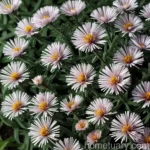
Symphyotrichum lanceolatum, belonging to the Asteraceae family, is a perennial flowering plant native to North America. It is commonly found in meadows, prairies, and open woodlands, where it adds a touch of elegance with its delicate white flowers. This plant typically grows to a height of 2 to 4 feet and blooms from late summer to fall, attracting pollinators and wildlife with its nectar-rich flowers.
Key Takeaways – Symphyotrichum lanceolatum
Characteristics
- Scientific Name: Symphyotrichum lanceolatum
- Common Name: White Panicle Aster
- Plant Type: Perennial
- Flower Color: White
- Bloom Time: Late summer to fall
- Height: 2 to 4 feet
- Sunlight: Full sun to partial shade
- Watering: Moderate
- Soil: Well-drained, fertile soil
- USDA Hardiness Zones: 3 to 8
- Attracts: Pollinators and wildlife
Plant Care
When it comes to caring for Symphyotrichum lanceolatum, several factors need to be considered to ensure its optimal growth and blooming. These include:
Culture
Cultivating Symphyotrichum lanceolatum involves understanding its specific cultural requirements, which include:
- Soil: The plant thrives in well-drained, fertile soil. Amending the soil with compost can help enhance its fertility and drainage.
- Water: Adequate watering is essential, especially during the plant’s active growing season. However, it is crucial to avoid waterlogged conditions, as this can lead to root rot.
- Sunlight: Symphyotrichum lanceolatum prefers full sun to partial shade. It should ideally receive at least 6 hours of sunlight per day to ensure healthy growth and abundant flowering.
- Fertilizer: Applying a balanced, all-purpose fertilizer in spring can provide the necessary nutrients for robust growth and vibrant blooms.
Uses
Symphyotrichum lanceolatum serves various purposes in gardens, landscapes, and natural habitats, including:
- Ornamental: Its elegant white flowers make it a popular choice for adding aesthetic appeal to gardens, borders, and naturalized areas.
- Wildlife Habitat: The plant attracts pollinators, such as bees and butterflies, with its nectar-rich flowers, contributing to the biodiversity of the ecosystem.
- Cut Flowers: The long-lasting blooms make it suitable for floral arrangements and bouquets, adding a touch of elegance to indoor spaces.
Water
Proper watering is crucial for the health and vitality of Symphyotrichum lanceolatum. Here are some essential points to consider:
- Watering Frequency: While the plant requires moderate watering, it is essential to allow the soil to dry out slightly between watering sessions to prevent waterlogging.
- Established Plants: Once the plant is established, it exhibits a degree of drought tolerance, reducing its dependency on frequent watering.
- Consistency: Maintaining a consistent watering schedule, especially during dry periods, can promote continuous blooming and overall vigor.
Sunlight
Symphyotrichum lanceolatum’s sunlight requirements play a significant role in determining its growth and flowering. Here’s what you need to know:
- Full Sun: While the plant can tolerate partial shade, it thrives best in full sunlight, where it can receive ample light for photosynthesis and flowering.
- Shade Tolerance: In regions with intense afternoon sun or high temperatures, providing some afternoon shade can help prevent stress and dehydration.
- Orientation: Planting Symphyotrichum lanceolatum in a location with eastern or southern exposure can ensure it receives adequate sunlight throughout the day.
Fertilizer
Applying the right fertilizers at the appropriate times can significantly impact the plant’s overall health and flowering. Consider the following:
- Balanced Formulation: Using a balanced, all-purpose fertilizer in spring, before the active growth period, can provide the necessary nutrients for robust development.
- Organic Options: Organic fertilizers, such as compost or well-rotted manure, can contribute to soil fertility while minimizing the risk of chemical buildup.
- Avoid Overfertilization: Excessive fertilization can lead to excessive foliage growth at the expense of flowering. Adhering to recommended application rates is crucial.
Soil
Understanding the soil requirements for Symphyotrichum lanceolatum is essential for creating a suitable growing environment. Here’s what you need to know:
- Well-Drained Soil: The plant thrives in well-drained soil that prevents waterlogging and root suffocation.
- Fertility: Amending the soil with organic matter, such as compost or leaf mold, can enhance its fertility and structure, providing an ideal growing medium.
- pH Level: Symphyotrichum lanceolatum prefers slightly acidic to neutral soil, with a pH range of 6.0 to 7.0. Conducting a soil test can help determine and adjust the pH if necessary.
Pruning
Pruning plays a vital role in maintaining the health, shape, and flowering of Symphyotrichum lanceolatum. Consider the following pruning tips:
- Deadheading: Removing spent flowers can encourage continuous blooming and prevent the formation of seeds, redirecting the plant’s energy towards growth and new flowers.
- Thinning: Periodically thinning out overcrowded or weak stems can improve air circulation and light penetration, reducing the risk of diseases and promoting overall vigor.
- Renewal Pruning: Performing renewal pruning by cutting back the plant in early spring can rejuvenate older, overgrown specimens and promote new growth.
Propagation
Propagating Symphyotrichum lanceolatum allows for the expansion of its presence in gardens and landscapes. Consider the following propagation methods:
- Division: Dividing mature clumps in early spring or fall can create new plants, each with a portion of the parent plant’s roots and shoots.
- Seed Propagation: Collecting and sowing seeds in a prepared seedbed in fall can yield new plants, provided the seeds undergo stratification to break dormancy.
Container Popularity
While Symphyotrichum lanceolatum is often grown in garden beds and naturalized areas, it also has potential as a container plant. Its popularity in containers stems from:
- Space Constraints: For individuals with limited garden space, growing the plant in containers allows them to enjoy its beauty on patios, balconies, and other confined areas.
- Mobility: Container-grown Symphyotrichum lanceolatum can be easily moved to different locations based on sunlight and aesthetic considerations.
- Decorative Value: The plant’s attractive white blooms and foliage make it an appealing addition to container gardens, adding visual interest and charm.
Common Diseases
Symphyotrichum lanceolatum, like many plants, is susceptible to certain diseases that can affect its health and appearance. Common diseases include:
- Powdery Mildew: A fungal disease that manifests as a powdery, white coating on leaves, stems, and flowers, impairing the plant’s overall vigor.
- Leaf Spot: Circular or irregular spots on leaves, often caused by fungal or bacterial pathogens, can diminish the plant’s aesthetic appeal and impact its photosynthetic capacity.
- Root Rot: Excessive moisture or poor drainage can lead to root rot, characterized by wilting, yellowing foliage, and a general decline in plant health.
Disease Diagnosis
When faced with potential diseases, accurate diagnosis is crucial for implementing effective control measures. Consider the following steps for disease diagnosis:
- Symptom Identification: Carefully observing and documenting the symptoms, such as leaf discoloration, abnormal growth, or unusual patterns, can provide valuable insights into the potential disease.
- Pathogen Identification: Consulting with plant pathologists or diagnostic laboratories can help identify the specific pathogen responsible for the observed symptoms, guiding targeted treatment strategies.
- Cultural Practices: Implementing proper cultural practices, such as improving air circulation, reducing overhead watering, and maintaining plant hygiene, can mitigate disease development.
Common Pests
In addition to diseases, Symphyotrichum lanceolatum may also encounter pests that can impact its growth and flowering. Common pests include:
- Aphids: These soft-bodied insects feed on plant sap, causing leaf curling, distortion, and the secretion of sticky honeydew, which can lead to the development of sooty mold.
- Spider Mites: These tiny arachnids can cause stippling, yellowing, and webbing on leaves, often thriving under hot, dry conditions.
- Slugs and Snails: These mollusks feed on plant foliage, leaving irregular holes and patterns of damage, particularly in moist environments.
Botanist’s Tips
Understanding Symphyotrichum lanceolatum from a botanical perspective can provide valuable insights into its growth, development, and ecological significance. Here are some botanist’s tips:
- Taxonomic Context: Exploring the plant’s taxonomic classification within the Asteraceae family and the Symphyotrichum genus provides a broader understanding of its evolutionary relationships and characteristics.
- Ecological Interactions: Studying the plant’s interactions with pollinators, herbivores, and other organisms in its natural habitat sheds light on its ecological roles and evolutionary adaptations.
- Genetic Diversity: Investigating the genetic diversity and population dynamics of Symphyotrichum lanceolatum populations can inform conservation efforts and habitat restoration initiatives.
Fun Facts
Discovering the unique and fascinating aspects of Symphyotrichum lanceolatum can deepen one’s appreciation for this remarkable plant. Here are a few fun facts to consider:
- Native Range: The plant is native to a wide expanse of North America, from eastern Canada to the central and eastern regions of the United States.
- Traditional Uses: In certain indigenous cultures, parts of the plant were used for medicinal purposes, showcasing its cultural and historical significance.
- Adaptability: Symphyotrichum lanceolatum’s adaptability to diverse environmental conditions reflects its resilience and versatility as a native perennial.
Links to External Resources
Plant Name: “Symphyotrichum lanceolatum (White Panicle Aster)”
- Symphyotrichum lanceolatum – Missouri Botanical Garden
- White Panicle Aster – North Carolina Extension Gardener Plant Toolbox
- Symphyotrichum lanceolatum – Lady Bird Johnson Wildflower Center
As we delve deeper into the world of Symphyotrichum lanceolatum, we uncover its intrinsic beauty, ecological significance, and horticultural value. Whether adorning gardens, supporting wildlife, or captivating enthusiasts with its graceful blooms, this plant embodies the enduring charm of native perennials and fosters a deeper connection with nature.
In conclusion, cultivating Symphyotrichum lanceolatum offers a rewarding experience that encompasses both aesthetic pleasures and ecological contributions. By embracing the plant’s distinctive characteristics and meeting its cultural requirements, individuals can create harmonious landscapes and promote biodiversity, all while savoring the timeless allure of the white panicle aster.
LSI Keywords
- Symphyotrichum lanceolatum characteristics
- White Panicle Aster plant care
- Growing Symphyotrichum lanceolatum indoors
- White Panicle Aster propagation tips
- Symphyotrichum lanceolatum diseases and pests
- White Panicle Aster companion plants
- Tips for pruning Symphyotrichum lanceolatum
- White Panicle Aster varieties
- Symphyotrichum lanceolatum medicinal uses
- White Panicle Aster native habitat
- Symphyotrichum lanceolatum common names
- White Panicle Aster symbolism
- Symphyotrichum lanceolatum planting guide
- White Panicle Aster best growing conditions
- Symphyotrichum lanceolatum perennial plant
- White Panicle Aster garden design ideas
- How to propagate Symphyotrichum lanceolatum from cuttings
- White Panicle Aster landscape uses
- Symphyotrichum lanceolatum drought tolerance
- White Panicle Aster pollinators and wildlife attraction
- Symphyotrichum lanceolatum winter care
- White Panicle Aster container gardening tips
- Symphyotrichum lanceolatum soil requirements
- White Panicle Aster seed starting guide
- Symphyotrichum lanceolatum companion planting
- White Panicle Aster seasonal blooms
- Symphyotrichum lanceolatum flower arrangement ideas
- White Panicle Aster growth habit
- Symphyotrichum lanceolatum pruning techniques
- White Panicle Aster garden maintenance
- Symphyotrichum lanceolatum fertilization tips
- White Panicle Aster common problems
- Symphyotrichum lanceolatum landscape uses
- White Panicle Aster benefits for pollinators
- Symphyotrichum lanceolatum water requirements
- White Panicle Aster container care
- Symphyotrichum lanceolatum flowering period
- White Panicle Aster cultural significance
- Symphyotrichum lanceolatum natural habitat
- White Panicle Aster user reviews
- Symphyotrichum lanceolatum sunlight exposure
- White Panicle Aster garden border ideas
- Symphyotrichum lanceolatum resistant varieties
- White Panicle Aster pruning frequency
- Symphyotrichum lanceolatum landscape maintenance
- White Panicle Aster common uses
- Symphyotrichum lanceolatum plant structure
- White Panicle Aster pest management
- Symphyotrichum lanceolatum garden design inspiration
- White Panicle Aster container varieties