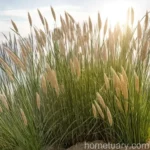
Switch Grass (Panicum virgatum ‘Cheyenne Sky’)
Switch grass, scientifically known as Panicum virgatum ‘Cheyenne Sky’, is a versatile and attractive ornamental grass that is native to North America. Its stunning ornamental features, low maintenance requirements, and adaptability make it a popular choice for landscaping and garden design. In this comprehensive guide, we will explore the key characteristics, cultivation requirements, landscape uses, and maintenance tips for this striking variety of switch grass.
What is Switch Grass (Panicum virgatum ‘Cheyenne Sky’)?
Switch grass, known by its botanical name Panicum virgatum ‘Cheyenne Sky’, is a warm-season perennial grass that belongs to the Poaceae family. This cultivar is prized for its striking foliage color, upright habit, and tolerance to a wide range of environmental conditions. As a native North American plant, it is well-suited to the region’s climate and natural ecosystems, making it an excellent choice for sustainable landscaping and gardening.
Key Takeaways – Switch Grass (Panicum virgatum ‘Cheyenne Sky’)
Before delving into the specific aspects of cultivating and caring for Panicum virgatum ‘Cheyenne Sky’, let’s highlight the key takeaways associated with this ornamental grass:
- Scientific Name: Panicum virgatum ‘Cheyenne Sky’
- Cultivar of: Panicum virgatum (Switch Grass)
- Characteristics: Striking red-purple foliage, upright habit, and ornamental seed heads
- Native Range: North America
- Versatility: Suitable for landscapes, gardens, and naturalistic plantings
- Low Maintenance: Drought-tolerant, minimal pruning requirements, and adaptable to various soil types
- Landscape Uses: Borders, mass plantings, erosion control, and wildlife gardens
Now that we have a general overview of switch grass (Panicum virgatum ‘Cheyenne Sky’), let’s dive into the specific cultural aspects of growing and tending to this stunning ornamental grass.
Culture
Water
Switch grass, including the ‘Cheyenne Sky’ cultivar, displays excellent drought tolerance once established. This makes it well-suited for xeriscaping and low-water gardens. During the initial establishment phase, regular watering is recommended to encourage deep root development. However, once the plant is established, it typically requires minimal supplemental irrigation, relying on natural rainfall to thrive.
Sunlight
Switch grass, including Panicum virgatum ‘Cheyenne Sky’, thrives in full sun to partial shade. It performs best when provided with at least 6 hours of direct sunlight daily. In shadier conditions, the foliage may become more lax, and the colors may not be as vibrant as those in full sun. Therefore, for optimal growth and color expression, it is advisable to plant ‘Cheyenne Sky’ in a location that receives ample sunlight.
Fertilizer
Switch grass is known for its ability to thrive in nutrient-poor soils, making it relatively low-maintenance in terms of fertilization. In most cases, established plants do not require regular fertilization. However, if the soil is particularly poor or lacking in essential nutrients, a balanced slow-release fertilizer can be applied in early spring to support healthy growth and vigor.
Soil
Panicum virgatum ‘Cheyenne Sky’ exhibits a high degree of adaptability to various soil types, including loamy, sandy, and clay soils. However, it prefers well-draining soil to prevent waterlogging, especially in winter. Prior to planting, it is beneficial to amend heavy clay soils with organic matter to enhance drainage, while incorporating organic mulch helps improve soil structure and moisture retention.
Pruning
One of the appealing attributes of switch grass, including ‘Cheyenne Sky’, is its minimal pruning requirements. While it is a good practice to remove old foliage in early spring before new growth emerges, this is primarily for aesthetic purposes and to facilitate the emergence of new shoots. Additionally, spent flower stalks can be trimmed back in late winter or early spring to maintain a tidy appearance and encourage the development of new inflorescences.
Propagation
Switch grass, including Panicum virgatum ‘Cheyenne Sky’, can be propagated through several methods, including division, seed sowing, and tissue culture.
Division
Dividing mature switch grass clumps is a common and effective method of propagation. This process involves carefully lifting and dividing the plant into smaller sections, each with roots and shoots, before replanting them in suitable locations. Division is typically carried out in early spring or early fall to coincide with active growth and promote successful establishment.
Seed Propagation
Growing switch grass from seeds is another viable propagation method for ‘Cheyenne Sky’ and other cultivars. The seeds can be sown directly into prepared seed beds or started indoors and then transplanted outdoors once the weather is warm and consistent. Germination often occurs within 10-14 days under optimal conditions, and the resulting seedlings can be nurtured until they are robust enough for outdoor planting.
Container Popularity
The versatility and adaptability of Panicum virgatum ‘Cheyenne Sky’ make it well-suited for container gardening. Its upright habit, striking foliage color, and moderate size make it a suitable choice for adding vertical interest and vibrant color to container arrangements, patios, and balconies. When selecting containers for ‘Cheyenne Sky’, ensure they have adequate drainage holes to prevent water logging, and use a well-draining potting mix to promote healthy root development.
Common Diseases
Switch grass, including the ‘Cheyenne Sky’ variety, is known for its resilience and ability to withstand most common plant diseases. However, like any plant, it may occasionally encounter issues such as fungal leaf spots, rust, or powdery mildew, especially in conditions of high humidity and poor air circulation. Good cultural practices, including adequate spacing, proper irrigation, and promoting good air flow, can help mitigate the risk of disease.
Disease Diagnosis
The diagnosis of potential diseases in switch grass, including Panicum virgatum ‘Cheyenne Sky’, requires careful observation of the foliage, stems, and overall plant health. Leaf spots, discoloration, powdery coatings, or abnormal growth patterns may indicate the presence of a disease. Proper identification of the specific symptoms and signs, often aided by consulting with local horticultural experts or diagnostic laboratories, is crucial for implementing effective disease management strategies.
Common Pests
While switch grass is generally resistant to major pest infestations, it may occasionally attract certain pests, including aphids, mites, and grasshoppers. These pests can cause damage to the foliage, leading to stunted growth and reduced aesthetic appeal. Regular monitoring of the plant and prompt intervention, if pest issues arise, can help prevent significant damage and support the overall health of Panicum virgatum ‘Cheyenne Sky’.
Botanist’s Tips
-
Color Variation: The foliage of Panicum virgatum ‘Cheyenne Sky’ can exhibit varying shades of red and purple, influenced by factors such as sunlight exposure, soil nutrient levels, and seasonal changes. Observing these color variations can add visual interest to the landscape and highlight the plant’s adaptability.
-
Wildlife Attraction: Switch grass, including ‘Cheyenne Sky’, provides valuable habitat, refuge, and food sources for various wildlife species, including birds, small mammals, and beneficial insects. Incorporating this ornamental grass into wildlife-friendly landscapes can contribute to enhancing biodiversity and ecological balance.
-
Seasonal Interest: Beyond its striking foliage, ‘Cheyenne Sky’ also offers seasonal interest through its feathery inflorescences, which emerge in late summer and persist throughout the fall and winter. These seed heads provide visual appeal and contribute to the plant’s allure in the landscape, especially during the dormant season.
Fun Facts
-
Switch grass, Panicum virgatum, is one of the dominant grass species in the tallgrass prairie ecosystem of North America, playing a vital role in the region’s ecological balance and stability.
-
The deep root system of Panicum virgatum enhances soil structure, promotes water infiltration, and contributes to the sequestration of atmospheric carbon, making it an environmentally beneficial plant.
-
‘Cheyenne Sky’ is named for its captivating foliage color, which transitions from blue-green in spring to intense burgundy in summer, culminating in fiery red hues during the fall season.
With its robust growth habits, stunning visual appeal, and ecological benefits, Panicum virgatum ‘Cheyenne Sky’ holds significant value in both ornamental horticulture and environmental conservation efforts. Its adaptability to a range of landscape uses and its low maintenance requirements make it an ideal choice for gardeners and landscapers seeking a versatile and resilient ornamental grass.
To further enhance your understanding of Panicum virgatum ‘Cheyenne Sky’ and explore additional resources, refer to the following comprehensive links:
- North Carolina State University – Panicum virgatum ‘Cheyenne Sky’
- University of Wisconsin-Madison – Switchgrass: A Valuable Plant
- Missouri Botanical Garden – Panicum virgatum ‘Cheyenne Sky’
- Lady Bird Johnson Wildflower Center – Panicum virgatum
The provided resources offer valuable insights into the cultivation, characteristics, and landscape uses of Panicum virgatum ‘Cheyenne Sky’, allowing you to further enrich your knowledge and appreciation for this exceptional ornamental grass.
In conclusion, the allure of switch grass, particularly Panicum virgatum ‘Cheyenne Sky’, lies not only in its captivating ornamental features but also in its ecological significance and landscape versatility. As an esteemed addition to gardens, naturalistic plantings, and sustainable landscapes, ‘Cheyenne Sky’ embodies the harmonious blend of aesthetics and ecological value, making it a truly remarkable plant worthy of admiration and incorporation into diverse horticultural settings.
References:
-
Panicum virgatum ‘Cheyenne Sky’. North Carolina State University. link
-
Switchgrass: A Valuable Plant. University of Wisconsin-Madison. link
-
Panicum virgatum ‘Cheyenne Sky’. Missouri Botanical Garden. link
-
Panicum virgatum. Lady Bird Johnson Wildflower Center. link