Swiss Cheese Plant (Monstera Deliciosa)
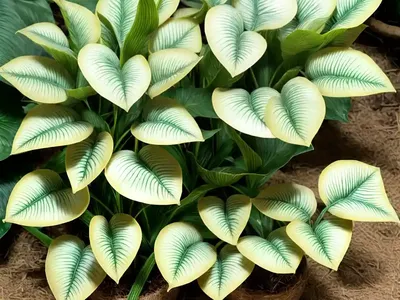
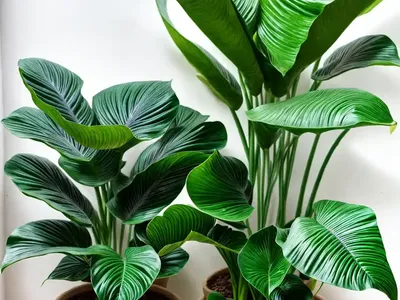
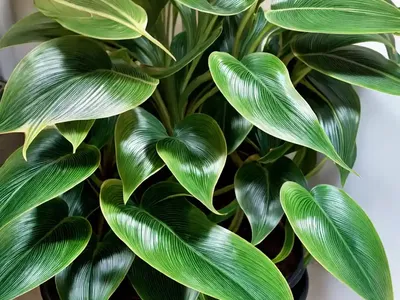
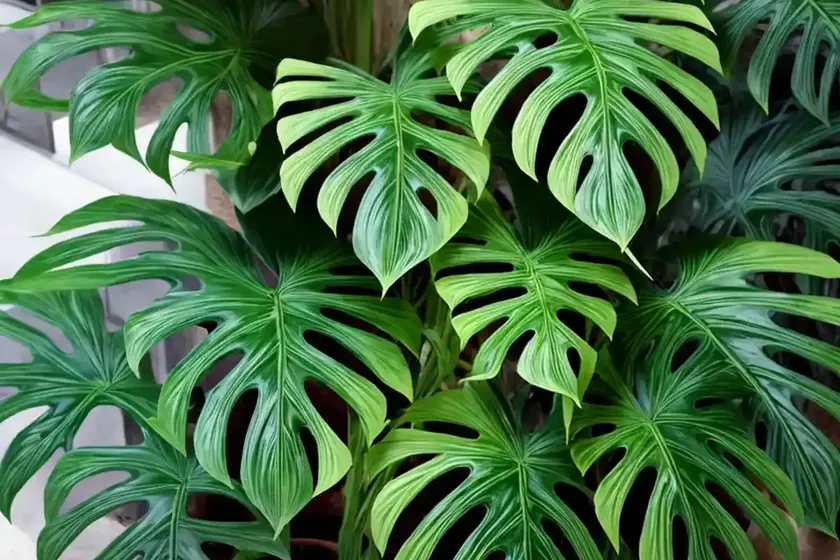
The Swiss Cheese Plant (Monstera deliciosa) is a popular tropical plant known for its unique and distinctive foliage. Its iconic leaves, often with natural.

Introduction
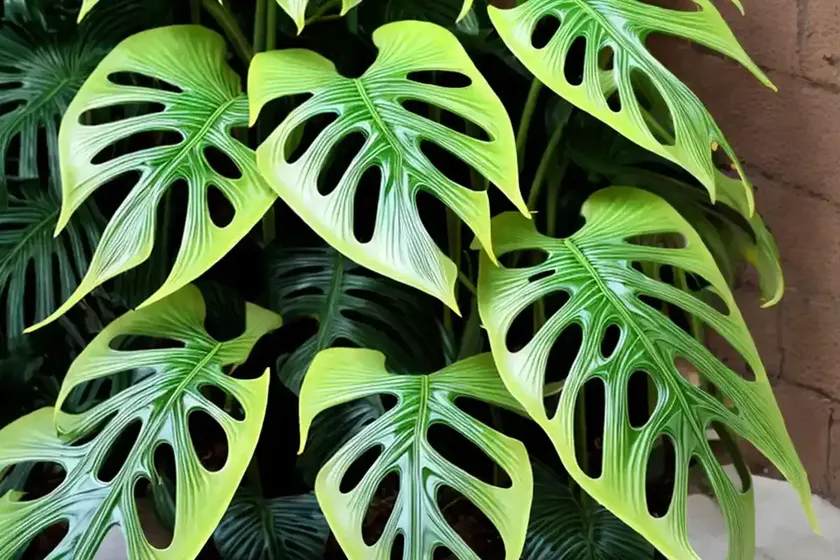
The Swiss Cheese Plant (Monstera deliciosa) is a popular tropical plant known for its unique and distinctive foliage. Its iconic leaves, often with natural holes and splits, make it a sought-after addition to any indoor plant collection. In this comprehensive guide, we will delve into the various aspects of caring for and cultivating the Swiss Cheese Plant, from its cultural significance to its propagation, common diseases, and pest management.
What is the Swiss Cheese Plant (Monstera deliciosa)?
The Swiss Cheese Plant, scientifically known as Monstera deliciosa, is a species of flowering plant native to the tropical rainforests of southern Mexico and Central America. Belonging to the Araceae family, this perennial evergreen vine is characterized by its large, glossy, and fenestrated leaves. The common name “Swiss Cheese Plant” is derived from the unique pattern of holes and splits that develop as the plant matures, resembling a block of Swiss cheese.
Key Takeaways – Swiss Cheese Plant (Monstera deliciosa)
Before we delve into the specifics, here are some key takeaways about the Swiss Cheese Plant:
- Scientific Name: Monstera deliciosa
- Family: Araceae
- Common Name: Swiss Cheese Plant
- Native Habitat: Southern Mexico and Central America
- Foliage: Large, glossy, fenestrated leaves
- Cultural Significance: Popular indoor plant prized for its striking foliage
Now, let’s explore the various aspects of caring for and nurturing the Swiss Cheese Plant, including its cultural significance, uses, water requirements, sunlight needs, fertilizer, soil, pruning methods, propagation techniques, common diseases, and pest management.
Culture
Uses
The Swiss Cheese Plant is primarily cultivated for ornamental purposes, valued for its attractive foliage that adds a touch of tropical elegance to indoor spaces. It is a popular choice for interior decorators and plant enthusiasts looking to introduce a statement plant with unique visual appeal.
Water
Water Requirements
Proper watering is essential for the health and vitality of the Swiss Cheese Plant. As a tropical plant, it thrives in moist conditions but is susceptible to root rot if overwatered. The key is to maintain consistently moist soil without allowing the plant to sit in standing water. Regular, thorough watering during the growing season is essential, while reducing the frequency during the winter months to prevent waterlogging.
Water Retention
The Swiss Cheese Plant, with its thick, waxy leaves, exhibits moderate water retention capabilities. However, it is important to strike a balance between maintaining adequate moisture levels and avoiding waterlogged conditions, which can lead to root rot and other complications.
Water Drainage
Well-draining soil and adequate drainage are crucial for preventing waterlogged conditions, which can be detrimental to the health of the Swiss Cheese Plant. Planting the Monstera deliciosa in a well-draining potting mix and ensuring that excess water can freely escape from the pot are essential for promoting healthy root development.
Sunlight
Sunlight Requirements
In its natural habitat, the Swiss Cheese Plant thrives in the dappled sunlight of the tropical rainforest floor. As an indoor plant, it benefits from bright, indirect light. While it can tolerate some degree of direct sunlight, prolonged exposure to harsh, intense rays can scorch the leaves. Positioning the plant near a north or east-facing window is ideal, allowing it to bask in gentle, filtered sunlight without being exposed to the full force of the sun’s rays.
Sunlight Duration
Providing the Swiss Cheese Plant with 6 to 8 hours of indirect sunlight daily is conducive to robust growth and vibrant foliage. However, the plant’s light requirements may vary depending on environmental conditions, such as humidity levels and ambient temperature.
Fertilizer
Fertilizing
Fertilizing the Swiss Cheese Plant is essential for promoting healthy growth and vibrant foliage. During the growing season, typically from spring to early fall, regular applications of a balanced, water-soluble fertilizer specially formulated for foliage plants can provide the essential nutrients the plant needs. However, it is important to avoid over-fertilizing, as excessive fertilizer can lead to salt buildup in the soil and cause nutrient imbalances, adversely affecting the plant’s overall health.
Nutrient Requirements
The Monstera deliciosa benefits from a balanced fertilizer with an N-P-K ratio of 20-20-20 or a similar formulation designed specifically for foliage plants. Incorporating micronutrients such as iron, manganese, and magnesium can support robust growth and vibrant leaf coloration.
Soil
Potting Mix
The Swiss Cheese Plant flourishes in a well-draining, aerated potting mix that provides the necessary support for root development while preventing waterlogged conditions. A high-quality, peat-based potting mix with added perlite, orchid bark, or coarse sand for improved drainage is well-suited for Monstera deliciosa.
Soil Acidity
Maintaining slightly acidic to neutral soil conditions with a pH range of 5.5 to 7.0 is optimal for the Swiss Cheese Plant. Regular monitoring of the soil pH and making adjustments as needed can help ensure that the plant’s nutrient uptake is not adversely affected by overly alkaline or acidic soil conditions.
Pruning
Pruning Methods
Pruning the Swiss Cheese Plant is beneficial for managing its size, promoting bushier growth, and maintaining the overall aesthetics of the plant. Removing dead or yellowing leaves, trimming excessive growth, and training the plant to climb or trail as desired are common aspects of Monstera deliciosa care.
Leaf Holes and Fenestrations
The iconic holes and splits that characterize the leaves of the Swiss Cheese Plant are a natural feature of mature foliage. While these fenestrations develop as the plant grows, occasional pruning and removal of older, tattered leaves can encourage the development of fresh, new growth with pronounced fenestrations.
Propagation
Propagation Methods
Propagating the Swiss Cheese Plant is an exciting way to expand your plant collection and share the joy of growing Monstera deliciosa with others. This can be achieved through several methods, including stem cuttings, air layering, and propagation in water or soil.
Root Development
When propagating Monstera deliciosa from stem cuttings, ensuring adequate root development is crucial for the success of the propagation process. Propagating in a well-draining potting mix, providing consistent moisture, and maintaining optimal humidity levels can facilitate the formation of robust roots, enabling the cuttings to establish themselves as independent plants.
Container
Pot Size
Choosing the right pot size is essential for promoting healthy root development, providing adequate stability, and accommodating the growth of the Swiss Cheese Plant. A pot that is slightly larger than the plant’s current root ball, with sufficient drainage holes, is ideal for rehousing or repotting Monstera deliciosa.
Climbing Support
Given the vining nature of the Swiss Cheese Plant, providing a climbing support such as a moss pole, trellis, or bamboo stake can encourage upward growth, prevent the plant from becoming unruly, and showcase its trailing or climbing tendencies.
Popularity
The Swiss Cheese Plant has garnered significant popularity as a favored indoor plant, admired for its striking visual appeal, adaptability to various indoor environments, and relatively low maintenance requirements. Its unique foliage and robust growth habits have contributed to its widespread presence as a revered ornamental plant in interior spaces, botanical gardens, and horticultural collections.
Common Diseases
Disease Diagnosis
While the Swiss Cheese Plant is generally resilient and tolerant of suboptimal conditions, it is susceptible to certain diseases and health issues. Common conditions that may affect Monstera deliciosa include root rot, leaf spot diseases, and fungal infections, often attributed to overwatering, poor air circulation, or high humidity levels.
Leaf Fenestrations and Diseases
The development of fenestrated leaves in the Swiss Cheese Plant is a natural occurrence and not indicative of disease or infestation. However, it is essential to monitor the overall health of the plant and address any signs of disease, discoloration, or abnormal leaf spots promptly to prevent the spread of pathogens and maintain the plant’s vitality.
Common Pests
Pest Management
Pests such as spider mites, mealybugs, and scale insects are potential threats to the health of the Swiss Cheese Plant. Regular inspection of the foliage, particularly the undersides of leaves and leaf axils, can help detect early signs of infestation, enabling prompt intervention and effective pest management.
Aerial Roots and Pests
The aerial roots of the Swiss Cheese Plant, while integral to the plant’s growth and climbing behavior, can also serve as entry points for certain pests. Monitoring the condition of the aerial roots and promptly addressing any signs of pest infestation can help maintain the health and vigor of the plant.
Botanist’s Tips
Growing Tips
- Providing the Swiss Cheese Plant with proper support, such as a moss pole or trellis, can encourage upward growth and enhance the plant’s aesthetics.
- Regularly cleaning the foliage with a damp cloth or gentle spray of water can help remove dust and improve the plant’s overall appearance.
Humidity Management
Maintaining adequate humidity levels, especially during the plant’s active growth period, can promote lush, vibrant foliage and support the development of fenestrations in the leaves.
Seasonal Changes
The Swiss Cheese Plant may exhibit variable growth patterns and foliage development in response to seasonal changes and environmental factors. Adjusting care practices, such as watering frequency and light exposure, to accommodate seasonal fluctuations can support the plant’s overall well-being.
Fun Facts
- Monstera deliciosa is commonly known as the “Swiss Cheese Plant” due to the distinct fenestrations that resemble the appearance of holey cheese.
- The plant’s name “deliciosa” stems from the edible fruit it produces in its natural habitat, which is a rare occurrence in indoor cultivation.
- The Swiss Cheese Plant is a natural air purifier, capable of removing certain toxins from indoor environments and improving air quality.
Links to External Resources
For further information and resources on Swiss Cheese Plant (Monstera deliciosa) care, propagation, and cultivation, you may find the following external links helpful:
- Swiss Cheese Plant Care Guide – The Sill
- Monstera Deliciosa: A Splitting Guide to Cultivate and Care
- Royal Horticultural Society – Monstera Deliciosa
In conclusion, the Swiss Cheese Plant (Monstera deliciosa) holds a special place in the world of tropical foliage plants, admired for its captivating leaves and relatively straightforward care requirements. By understanding the cultural significance, proper care practices, and potential challenges associated with cultivating and caring for Monstera deliciosa, plant enthusiasts can enjoy the splendor of this iconic plant in their indoor spaces and botanical collections.
Keywords: Monstera deliciosa care, Monstera deliciosa propagation, Monstera deliciosa indoor, Monstera deliciosa pruning, Monstera deliciosa leaves, Monstera deliciosa variegated, Monstera deliciosa water requirements, Monstera deliciosa soil, Monstera deliciosa pot size, Monstera deliciosa pests, Monstera deliciosa diseases, Monstera deliciosa humidity, Monstera deliciosa sunlight, Monstera deliciosa aerial roots, Monstera deliciosa growing tips, Monstera deliciosa fertilizing, Monstera deliciosa temperature, Monstera deliciosa toxicity, Monstera deliciosa natural habitat, Monstera deliciosa growth rate, Monstera deliciosa potting mix, Monstera deliciosa common problems, Monstera deliciosa indoor decor, Monstera deliciosa benefits, Monstera deliciosa famous cultivars, Monstera deliciosa water retention, Monstera deliciosa root development, Monstera deliciosa flowering, Monstera deliciosa white sap, Monstera deliciosa aerial roots care, Monstera deliciosa dormancy, Monstera deliciosa leaf holes, Monstera deliciosa leaf fenestrations, Monstera deliciosa natural pollinators, Monstera deliciosa indoor arrangement, Monstera deliciosa seasonal changes, Monstera deliciosa air purification, Monstera deliciosa health benefits, Monstera deliciosa sustainable cultivation, Monstera deliciosa alternative names, Monstera deliciosa potting techniques, Monstera deliciosa climbing support, Monstera deliciosa leaf shapes, Monstera deliciosa soil acidity, Monstera deliciosa water drainage, Monstera deliciosa leaf variegation patterns, Monstera deliciosa pet-friendly, Monstera deliciosa nutrient requirements, Monstera deliciosa natural habitats, Monstera deliciosa leaf size