Sweetheart Hoya (Hoya Kerrii)
As a plant scientist, I am often asked about the care and maintenance of various plant species. One such plant that has gained popularity in recent years.
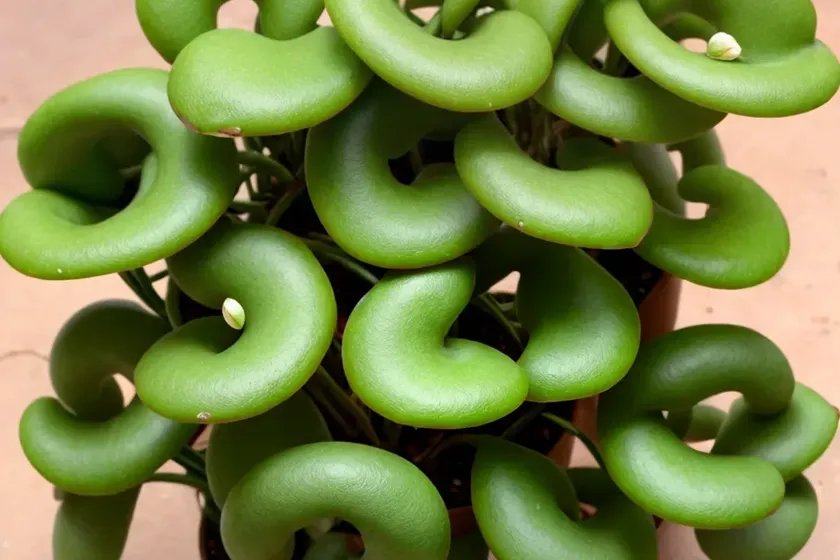
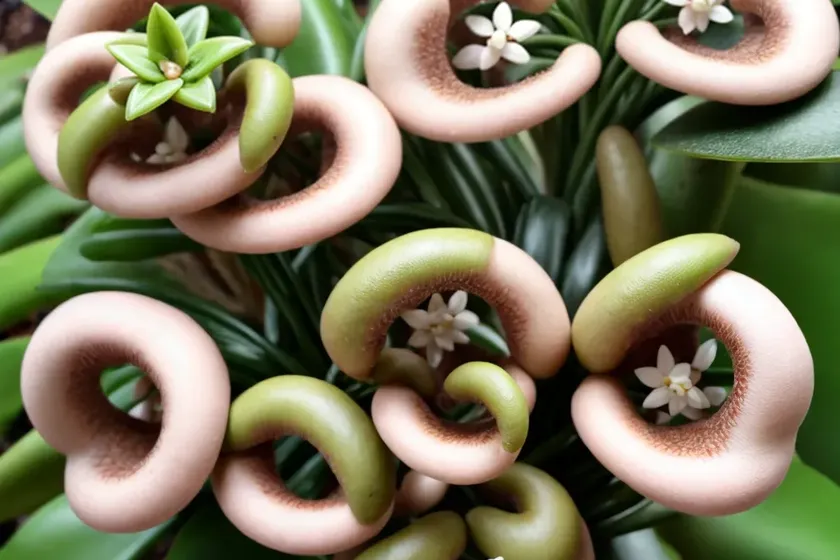
As a plant scientist, I am often asked about the care and maintenance of various plant species. One such plant that has gained popularity in recent years is the Sweetheart Hoya (Hoya kerrii). This unique and charming plant has captured the hearts of many plant enthusiasts with its heart-shaped leaves and relatively easy care requirements. In this comprehensive guide, I will delve into the various aspects of caring for the Sweetheart Hoya, including its culture, uses, water and sunlight requirements, fertilizer needs, soil preferences, pruning techniques, propagation methods, common diseases and pests, as well as some fun facts and botanist’s tips for this delightful plant.
What is the Sweetheart Hoya (Hoya kerrii)?
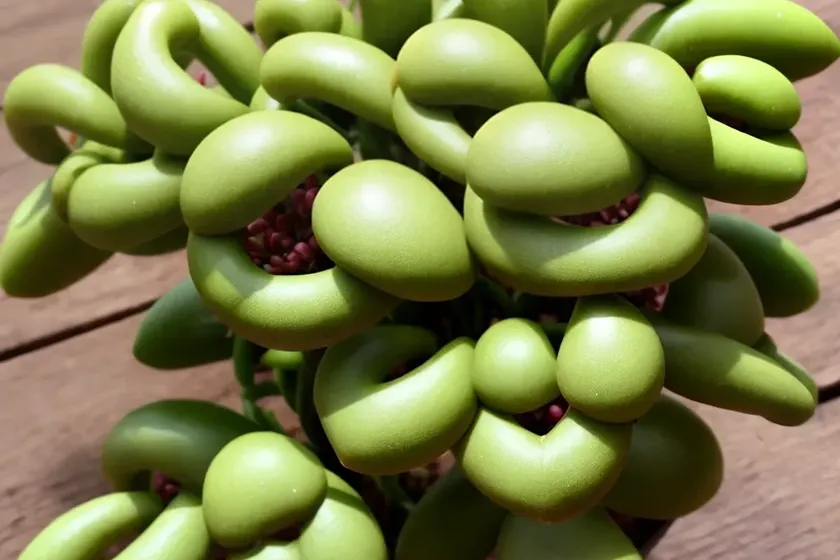
The Sweetheart Hoya, scientifically known as Hoya kerrii, is a species of flowering plant in the family Apocynaceae. It is native to Southeast Asia, particularly in the tropical rainforests of China, Thailand, and Indonesia. This charming plant is famed for its heart-shaped, succulent, thick leaves, which give it the endearing common name “Sweetheart Hoya” or “Heart Leaf Plant.” The leaves can vary in size, and the plant may also produce clusters of fragrant flowers in the right conditions.
Key Takeaways – Sweetheart Hoya (Hoya kerrii)
Before delving into the specifics of caring for this unique plant, let’s highlight some key takeaways for the Sweetheart Hoya:
- Scientific Name: Hoya kerrii
- Common Names: Sweetheart Hoya, Heart Leaf Plant
- Plant Type: Perennial Evergreen
- Native Habitat: Southeast Asia
- Distinct Feature: Heart-shaped, succulent leaves
- Preferred Growing Environment: Warm, humid, and well-lit areas
- Uses: Often kept as a potted plant, ideal for indoor spaces or tropical gardens
Now that we have an overview of the Sweetheart Hoya, let’s explore the essential aspects of nurturing and maintaining this captivating plant.
Culture
The Sweetheart Hoya is renowned for its ease of care, making it an excellent choice for both novice and experienced plant enthusiasts. To successfully cultivate and maintain a healthy Sweetheart Hoya, it is imperative to understand and cater to its specific cultural requirements.
Uses
The Sweetheart Hoya holds both ornamental and symbolic value. Its heart-shaped leaves make it a popular choice for gifting to loved ones, symbolizing affection, friendship, and admiration. Beyond its symbolic significance, the Sweetheart Hoya is primarily used as an indoor decorative plant, adorning homes, offices, and indoor spaces with its unique foliage.
In some cultures, the Sweetheart Hoya is believed to bring good luck and prosperity, further augmenting its appeal as a choice plant for both personal use and gifting.
Water
Proper watering is crucial for maintaining a healthy Sweetheart Hoya. As a succulent plant, it is vital to adhere to a watering regimen that prevents both overwatering and underwatering.
Watering Guidelines:
- Allow the soil to dry out slightly between waterings, particularly during the plant’s dormant period.
- When watering, thoroughly saturate the soil, allowing any excess water to drain out of the pot.
- Avoid leaving the plant in standing water, as this can lead to root rot.
Sunlight
In its natural habitat, the Sweetheart Hoya thrives in bright, indirect light. When cultivated indoors, it is essential to replicate its preferred lighting conditions to ensure healthy growth and leaf development.
Sunlight Requirements:
- Provide bright, indirect light, preferably near a window with sheer curtains or in a partially shaded area outdoors.
- Shield the plant from direct, intense sunlight, as this can scorch the leaves.
Fertilizer
While the Sweetheart Hoya is not particularly heavy feeder, it can benefit from occasional fertilization during its active growth phase. Utilizing a balanced, water-soluble fertilizer specifically formulated for succulents and flowering plants can support the plant’s overall health and encourage potential flowering.
Fertilizing Tips:
- Feed the Sweetheart Hoya once every 2-3 months during the growing season (spring and summer).
- Dilute the fertilizer to half or quarter strength to prevent fertilizer burn.
- Refrain from fertilizing during the dormant period (fall and winter).
Soil
Providing proper soil conditions is pivotal for the overall well-being of the Sweetheart Hoya. A well-draining potting mix that mimics its natural habitat is essential for supporting healthy root growth and preventing issues related to waterlogged soil.
Preferred Soil Characteristics:
- Utilize a well-draining, loose potting mix that allows water to pass through easily.
- Consider a mixture of peat moss, perlite, and orchid bark for optimal aeration and drainage.
- Aim for a slightly acidic to neutral soil pH (6.1 – 7.5) for best results.
Pruning
Pruning serves multiple purposes when it comes to caring for the Sweetheart Hoya. It promotes a bushier growth habit, removes any dead or decaying foliage, and can help manage the plant’s size and shape.
Pruning Guidelines:
- Use clean, sharp scissors or pruning shears to trim away any yellowing or damaged leaves.
- To encourage branching and fuller growth, consider pinching off the growing tips of the plant’s vines.
- Regularly inspect the plant for any signs of pests or disease, and promptly remove affected foliage to prevent further spread.
Propagation
The ability to propagate the Sweetheart Hoya through various methods allows plant enthusiasts to expand their collection or share this unique plant with others. Understanding the propagation techniques specific to the Sweetheart Hoya is valuable for maintaining healthy and thriving new plants.
Leaf Cuttings
One of the most popular and effective methods of propagating the Sweetheart Hoya is through leaf cuttings. This method entails carefully selecting a healthy leaf with a portion of the stem attached and encouraging it to produce roots and new growth.
Leaf Propagation Tips:
- Select a healthy leaf with a stem attached, preferably one that is not too young or too mature.
- Allow the cutting to callus over for a day or two before placing it in a well-draining propagation medium.
- Keep the propagation medium lightly moist and provide bright, indirect light for optimal root development.
Stem Cuttings
Propagating the Sweetheart Hoya through stem cuttings is another viable method that yields successful results. This technique involves taking a section of the plant’s stem, from which new roots and leaves can develop.
Stem Propagation Guidelines:
- Select a healthy, non-flowering stem and cut it into sections, ensuring each section has at least one node.
- Plant the cuttings in a propagation medium and maintain a consistently moist but not waterlogged environment.
- Position the cuttings in a warm, well-lit area, and monitor for the development of new roots and foliage.
Container Popularity
Due to its compact size and charming foliage, the Sweetheart Hoya has become increasingly popular as a container plant. Its ability to thrive in smaller pots makes it an ideal choice for indoor spaces, shelves, and small decorative containers.
Container Considerations:
- Choose a container with adequate drainage holes to prevent waterlogging.
- Consider decorative or hanging containers to showcase the Sweetheart Hoya’s unique foliage.
- Opt for a pot that allows for proper root growth and is proportional to the size of the plant.
Common Diseases and Pests
While the Sweetheart Hoya is relatively resilient, it can be susceptible to certain diseases and pests. Being vigilant and proactive in identifying and addressing issues is crucial for maintaining the plant’s health and vitality.
Disease Diagnosis
Recognizing common diseases that can afflict the Sweetheart Hoya is essential for implementing the appropriate measures to mitigate and prevent their occurrence.
Common Diseases:
- Root Rot: Caused by overwatering or waterlogged soil, leading to decay of the plant’s roots.
- Powdery Mildew: Manifested as a white, powdery substance on the leaves, typically due to high humidity and poor air circulation.
- Leaf Spot: Characterized by dark spots or lesions on the leaves, often caused by fungal or bacterial infections.
Common Pests
In addition to diseases, certain pests can pose a threat to the Sweetheart Hoya. Identifying and addressing pest infestations promptly is crucial for preventing damage to the plant.
Common Pests:
- Aphids: Small, sap-sucking insects that can cause leaf deformation and stunted growth.
- Mealybugs: Soft-bodied insects that leave a white, waxy residue on the plant and can lead to weakened growth.
- Spider Mites: Microscopic pests that thrive in dry conditions, causing webbing and stippling on the leaves.
Botanist’s Tips
As a plant scientist with a passion for horticulture, I’ve gathered some valuable insights and tips for caring for the Sweetheart Hoya based on my experience and research.
Botanist’s Insights:
- Humidity Matters: The Sweetheart Hoya thrives in moderately high humidity levels, so consider placing a humidity tray or using a room humidifier during drier months.
- Regular Inspections: Routinely inspect the plant for signs of pests, diseases, or any environmental stress factors, and address any issues promptly.
- Growth Periods: Be mindful of the plant’s growth cycles and adjust watering and fertilization accordingly, providing a period of dormancy during the cooler months if necessary.
Fun Facts
To further appreciate the charm and uniqueness of the Sweetheart Hoya, here are some intriguing and delightful fun facts about this captivating plant:
- The Sweetheart Hoya is often gifted as a symbol of love and affection, making it a popular choice for special occasions such as Valentine’s Day.
- In its native habitat, Hoya kerrii can potentially produce clusters of star-shaped, fragrant flowers, adding to its allure as a flowering houseplant.
Now that we’ve explored the various facets of caring for the Sweetheart Hoya, I’d like to share some external resources that provide additional information and support on cultivating and enjoying this lovely plant.
Links to External Resources
- University of Florida IFAS Extension: Hoyas for the Home
- Royal Horticultural Society: Hoya
- North Carolina State University Extension: Hoyas Indoors
- The American Orchid Society: Hoya Plants and Flowers
- Missouri Botanical Garden: Hoya kerrii
In conclusion, the Sweetheart Hoya (Hoya kerrii) is a captivating and endearing plant species that holds aesthetic, symbolic, and cultural significance. With proper care, attention, and an understanding of its specific requirements, this unique plant can thrive and bring joy to any indoor or tropical garden setting.
Through this comprehensive guide, I hope to have provided valuable insights and practical guidance for cultivating and nurturing the Sweetheart Hoya. As always, the wonder of plant care lies in the continuous learning and appreciation of nature’s diverse and enchanting creations. Happy planting!