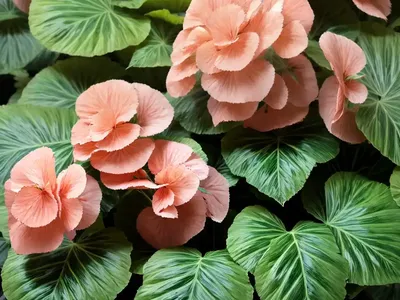
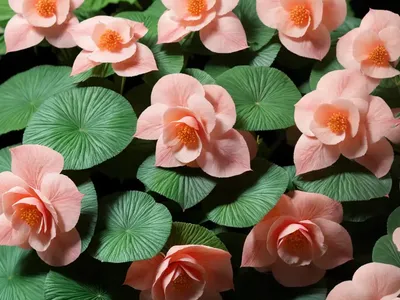
Sutherland Begonia (Begonia Sutherlandii)
Plants are diverse and fascinating organisms, and within the plant kingdom, the Begonia sutherlandii stands out as a beautiful and popular species. In this.
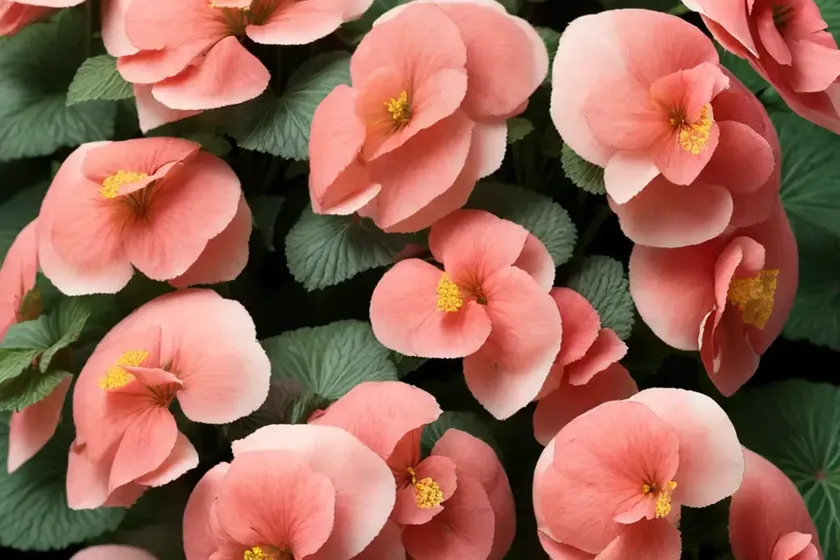
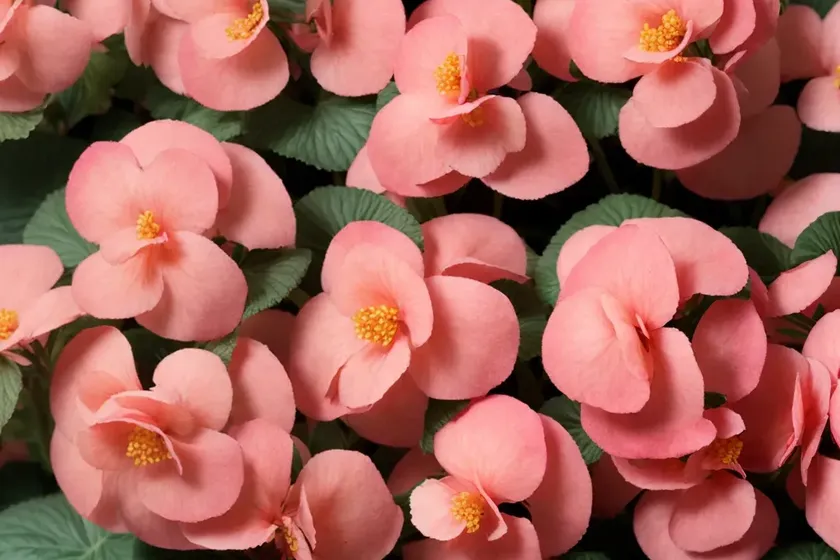
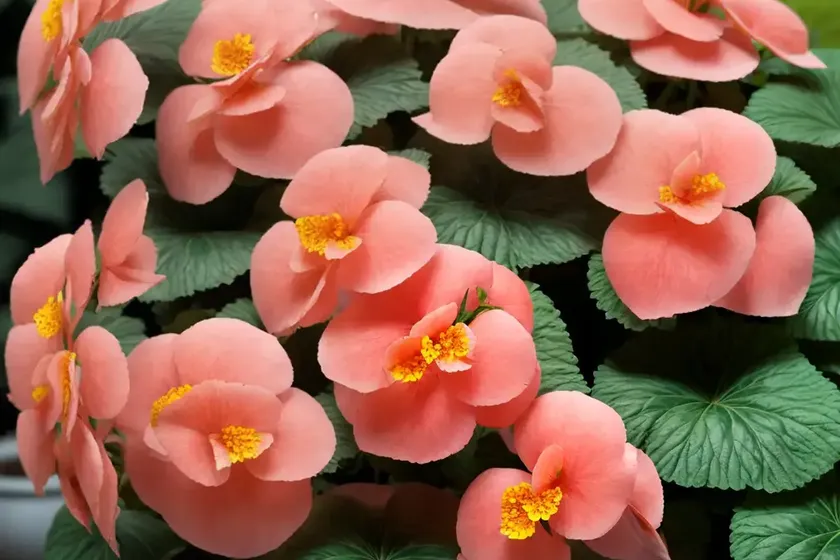
Plants are diverse and fascinating organisms, and within the plant kingdom, the Begonia sutherlandii stands out as a beautiful and popular species. In this comprehensive care guide, we’ll delve into the intricacies of caring for the Sutherland Begonia to ensure its healthy growth and vibrant bloom.
What is the Sutherland Begonia (Begonia sutherlandii)?
The Sutherland Begonia, scientifically known as Begonia sutherlandii, is a species of Begonia that is native to South Africa. It is a rhizomatous perennial plant that belongs to the Begoniaceae family. Known for its stunning foliage and delicate flowers, the Sutherland Begonia is a favorite among plant enthusiasts and is often grown as an ornamental houseplant.
Key Takeaways
In this comprehensive care guide, we will explore various aspects of caring for the Sutherland Begonia, including its culture, uses, water requirements, sunlight preferences, fertilizer needs, soil preferences, pruning techniques, propagation methods, container gardening, popularity, common diseases, pest control, as well as botanist’s tips, fun facts, and links to external resources.
Culture
- Origin: South Africa
- Family: Begoniaceae
- Type: Rhizomatous perennial
- Uses: Ornamental houseplant
Uses
The Sutherland Begonia is primarily grown for ornamental purposes. Its striking foliage and delicate flowers make it a popular choice for indoor and outdoor decor. It can be grown in containers, hanging baskets, or used as a ground cover in suitable climates.
Water
- Watering Needs: Moderate
- Watering Frequency: Keep the soil consistently moist but not waterlogged
- Signs of Overwatering: Yellowing or wilting leaves
- Signs of Underwatering: Drooping or drying leaves
Sunlight
- Light Requirements: Indirect, filtered sunlight
- Ideal Location: Bright, but indirect light or partial shade
- Sunlight Intensity: Avoid direct exposure to harsh sunlight
Fertilizer
- Fertilization: Monthly during the growing season
- Fertilizer Type: Balanced, water-soluble fertilizer
- Dilution: Follow package instructions for dilution ratio
Soil
- Soil Type: Well-draining, rich, and fertile
- Acidity: Slightly acidic to neutral (pH 6.0-7.0)
- Composition: Peat-based or organic mix with perlite for added drainage
Pruning
- Pruning Frequency: As needed to maintain shape and remove dead or damaged foliage
- Tools: Clean, sharp scissors or pruning shears
- Technique: Trim stems just above a leaf node to encourage bushy growth
Propagation
- Propagation Methods: Stem cuttings, leaf cuttings, or division
- Propagation Medium: Moist, well-draining propagation mix
- Optimal Time: Spring or early summer
Container
- Container Type: Well-draining pots or containers with drainage holes
- Size: Choose a container that allows for adequate root space and growth
- Material: Terra cotta, plastic, or ceramic containers
Popularity
The Sutherland Begonia is highly favored for its stunning foliage, charming flowers, and ease of care. It is a sought-after plant for both indoor and outdoor settings, adding a touch of elegance and color to any space.
Common Diseases
- Powdery Mildew: White, powdery substance on leaves
- Botrytis Blight: Gray mold on leaves and flowers
- Rhizoctonia Root Rot: Wilting, yellowing, and rotting of roots
Disease Diagnosis
Regularly inspect the plant for any signs of discoloration, wilting, or abnormal growth. Proper ventilation, controlled watering, and maintaining appropriate humidity levels can help prevent common diseases.
Common Pests
- Aphids: Small, soft-bodied insects on the undersides of leaves
- Spider Mites: Fine webbing and stippling on leaves
- Mealybugs: White, cottony masses on stems and leaves
Botanist’s Tips
- Regularly monitor the plant for any signs of stress, disease, or pest infestation
- Maintain ideal environmental conditions to promote healthy growth and vigor
- Provide ample humidity for optimal foliage development
- Use a well-balanced fertilizer to support regular growth and flowering
Fun Facts
- The Sutherland Begonia is named after Sir John Sutherland, a British botanist who collected plants in South Africa.
- It is known for its unique leaf patterns and vibrant flowers, making it a standout addition to any plant collection.
Links to External Resources
For further information on the Sutherland Begonia and its care, refer to the following resources:
- Royal Horticultural Society: Begonia sutherlandii
- American Begonia Society
- University of Florida IFAS Extension: Begonia
In conclusion, the Sutherland Begonia (Begonia sutherlandii) is a captivating plant with a rich history and a plethora of care requirements. By understanding its cultural needs, environmental preferences, and common issues, plant enthusiasts can ensure the optimal health and beauty of this remarkable species. Whether grown indoors or outdoors, the Sutherland Begonia brings joy and elegance to any space, making it a delightful addition to any plant lover’s collection.