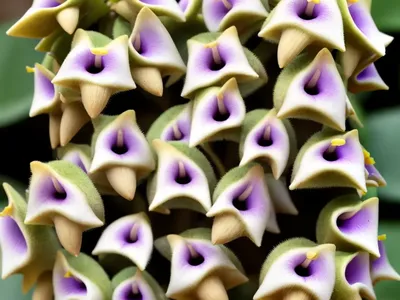
Showy Milkweed (Asclepias Speciosa)
The Showy Milkweed, scientifically known as Asclepias Speciosa, is a stunning and beneficial perennial plant that captures the attention of nature.
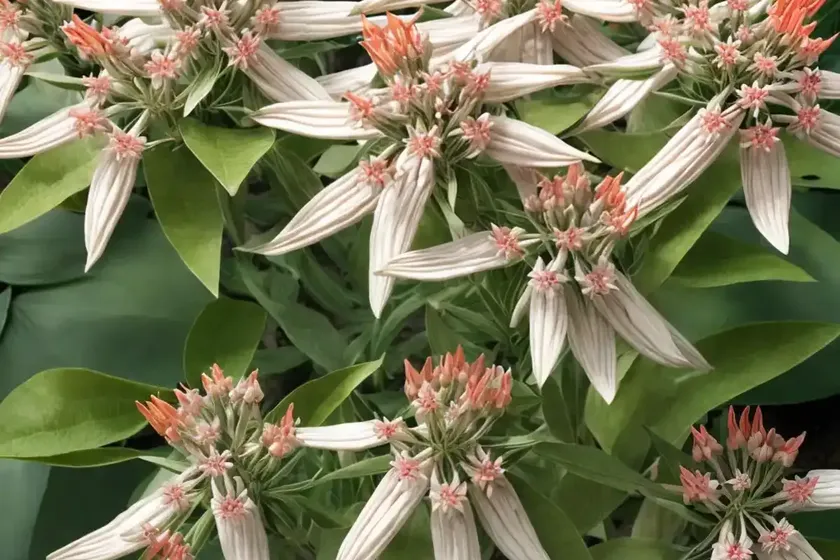
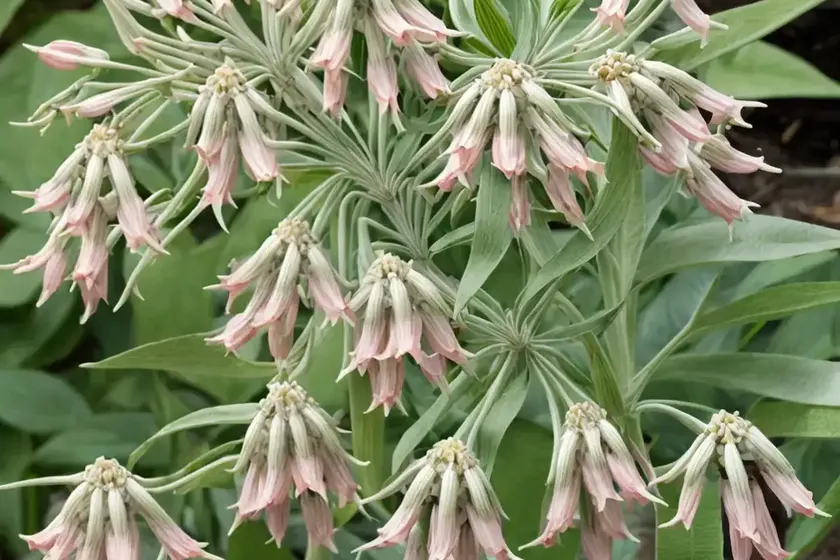
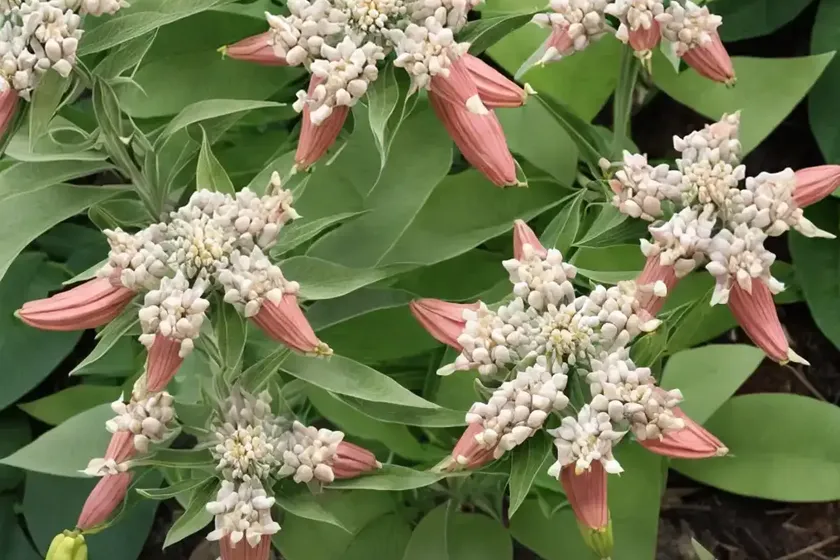
The Showy Milkweed, scientifically known as Asclepias Speciosa, is a stunning and beneficial perennial plant that captures the attention of nature enthusiasts and gardeners alike. As a plant scientist, I’m excited to delve into this remarkable species, exploring its characteristics, uses, and the best practices for its growth.
What is Showy Milkweed?
Showy Milkweed is a member of the milkweed family, Asclepiadaceae, and is native to North America. It is a perennial herb with a robust rhizome system, and it typically grows to a height of 2 to 3 feet (60 to 90 cm). This species is characterized by its attractive clusters of pink to purplish flowers, which bloom from late spring to mid-summer. The flowers, in addition to being visually appealing, also play a critical role in supporting pollinators and aiding in the preservation of vital butterfly species such as the monarch butterfly.
Key Takeaways – Showy Milkweed (Asclepias Speciosa)
Let’s dive into the various aspects of Showy Milkweed, from its cultural requirements to its ecological importance and conservation significance.
Key Growing Factors
Culture
- USDA Hardiness Zones: Showy Milkweed is well-adapted to a wide range of climates and is suitable for USDA hardiness zones 3 to 9.
Uses
- Ecological Significance: Showy Milkweed is a vital plant for supporting pollinators, particularly monarch butterflies. It serves as a host plant for their larvae and provides a rich nectar source for adult butterflies and other pollinators.
- Ornamental Value: In addition to its ecological importance, Showy Milkweed is prized for its ornamental beauty, making it a captivating addition to native plant gardens and wildlife landscapes.
Water
- Watering Needs: Showy Milkweed is relatively drought-tolerant once established, making it suitable for dry, arid environments. However, regular watering is essential, especially during its initial growth stages and periods of prolonged drought.
Sunlight
- Sun Exposure: This species thrives in full sun to partial shade conditions, making it versatile for various garden settings.
Soil
- Soil Requirements: Showy Milkweed prefers well-draining soil and can adapt to different soil types, including sandy and loamy soils. However, it’s important to avoid waterlogged soil, as this can lead to root rot and other issues.
Fertilizer
- Fertilization: Showy Milkweed generally does not require heavy fertilization. However, applying a balanced, slow-release fertilizer in early spring can support healthy growth and blooming.
Pruning
- Pruning Practices: Minimal pruning is typically required for Showy Milkweed. Deadheading spent flowers can help promote prolonged blooming and prevent self-seeding in garden settings.
Propagation
- Propagation Methods: Showy Milkweed can be propagated through the collection and sowing of its seeds. Additionally, it can be propagated through root division and stem cuttings.
Container Popularity
- Container Gardening: Showy Milkweed can thrive in containers, offering a versatile option for urban and space-limited gardens.
Common Diseases
- Disease Resistance: Showy Milkweed is generally resistant to common plant diseases. However, proper air circulation and soil drainage can help prevent issues such as powdery mildew.
Disease Diagnosis
- Identifying Issues: Regular monitoring for signs of leaf spot, stem rot, or other abnormalities can aid in early disease detection and appropriate intervention if necessary.
Common Pests
- Pest Resilience: Showy Milkweed is known for its resilience to most pests. However, occasional infestations by aphids or milkweed bugs may occur, especially in densely populated milkweed patches.
Botanist’s Tips
- Showy Milkweed Gardening: When establishing Showy Milkweed in a garden or landscape, consider integrating it with a diverse mix of native plants to create a thriving ecosystem and support a wide range of wildlife.
Showy Milkweed Fun Facts
- The Latin name “Asclepias” pays homage to the Greek god of healing, Asclepius, underscoring the historical medicinal significance associated with milkweed species.
- Showy Milkweed is renowned for its role as a critical food source for monarch butterfly caterpillars and adult butterflies during their migration journeys.
- Native American tribes have historically utilized various parts of the milkweed plant, including its fibers and seed pods, for crafting textiles and other materials.
Links to External Resources
To expand your knowledge and appreciation for Showy Milkweed, explore the following resources:
- Monarch Joint Venture
- Lady Bird Johnson Wildflower Center – Asclepias Speciosa
- Xerces Society for Invertebrate Conservation
Conclusion
Showy Milkweed, with its captivating blooms and vital ecological role, stands as a testament to the inherent beauty and significance of native plant species. Whether you are drawn to its ornamental charm, its role in supporting pollinators, or its cultural and historical significance, cultivating Showy Milkweed offers a rewarding experience for gardeners and environmental advocates alike. By embracing its unique attributes and adhering to best cultivation practices, we can continue to celebrate and conserve this enchanting plant for generations to come.