String Of Watermelons (Curio Herreanus)
A plant is a multicellular organism belonging to the kingdom Plantae. It is predominantly autotrophic, meaning it produces its food through photosynthesis..
What is a Plant?
A plant is a multicellular organism belonging to the kingdom Plantae. It is predominantly autotrophic, meaning it produces its food through photosynthesis. Plants play a crucial role in the ecosystem as they are the primary producers, providing food and oxygen for all other organisms on Earth.
String of Watermelons (Curio herreanus)
Plant Name:
String of Watermelons, scientifically known as Curio herreanus, is an intriguing succulent plant that belongs to the Asteraceae family. This trailing succulent is native to South Africa and is a popular choice among plant enthusiasts for its unique appearance and low maintenance requirements.
Description:
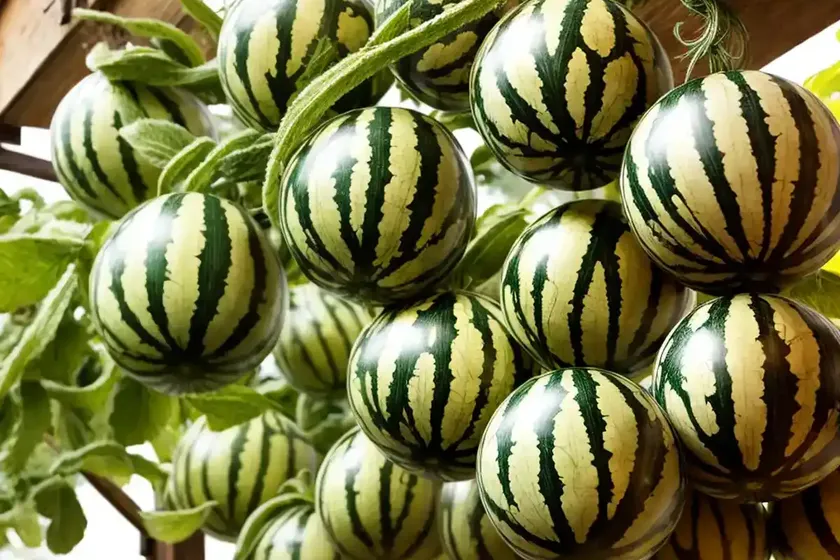
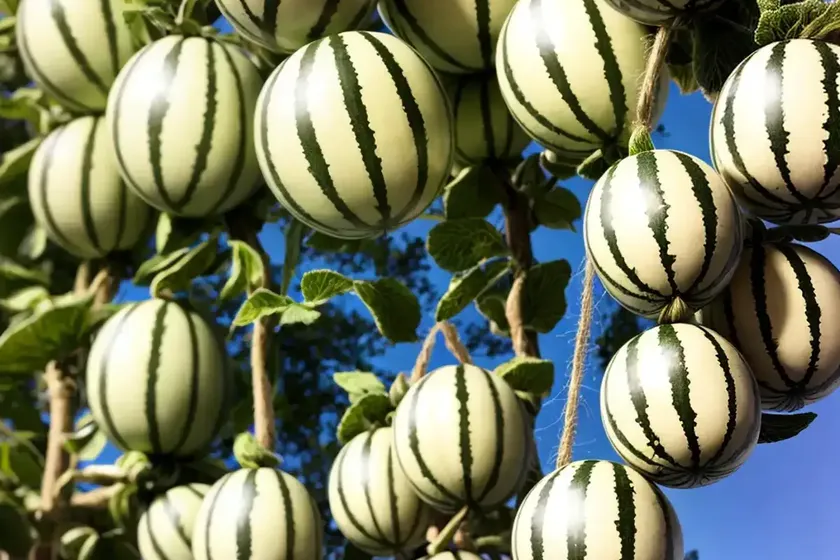
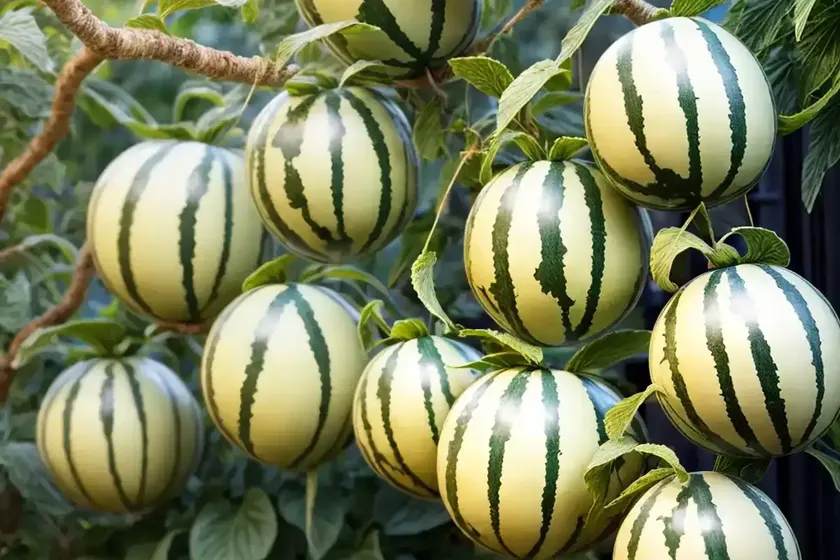
String of Watermelons is aptly named for its distinctive appearance, resembling a string of miniature watermelons hanging from thin stems. The plant features trailing stems adorned with small, spherical leaves that have a striped pattern resembling the skin of a watermelon, hence the name. The leaves are typically green with stripes of lighter green or silvery-white, creating an eye-catching foliage display.
Key Takeaways – String of Watermelons (Curio herreanus)
- Scientific Name: Curio herreanus
- Native: South Africa
- Family: Asteraceae
- Common Names: String of Watermelons, String of Raindrops
- Type: Succulent, trailing plant
- Distinctive Feature: Resembles a string of miniature watermelons
Culture
String of Watermelons is a highly sought-after plant due to its captivating appearance and easy-care nature. Understanding its requirements and optimal growing conditions is crucial to ensure its health and vitality.
Uses
- Indoor Decor: String of Watermelons is often cultivated as an indoor plant, adding a touch of greenery to living spaces. Its trailing habit makes it an excellent choice for hanging baskets or to be placed on elevated surfaces, allowing the cascading stems to create a visually appealing display.
- Outdoor Landscaping: In suitable climates, String of Watermelons can be used in outdoor landscaping to create cascading arrangements in gardens, rockeries, or as groundcover in suitable areas.
- Hanging Baskets: The trailing habit of String of Watermelons makes it an ideal candidate for hanging baskets. When planted in hanging containers, its unique foliage can beautifully cascade downwards, adding an elegant touch to any space.
Water
String of Watermelons, like many succulents, is adapted to arid conditions and has low water requirements. Overwatering can be detrimental to its health, leading to issues such as root rot. It is crucial to allow the soil to dry out between waterings to prevent waterlogged conditions.
- Watering Frequency: Water the plant thoroughly only when the top inch of the soil is dry. During the active growing season, typically spring and summer, more frequent watering may be required. In contrast, during the dormant period in fall and winter, reduce the watering frequency to prevent excess moisture.
Sunlight
Proper sunlight exposure is essential for the healthy growth of String of Watermelons. As a succulent, it requires bright, indirect light to thrive. However, it is also important to protect it from intense, direct sunlight, which can lead to sunburn and damage the delicate foliage.
- Light Requirements: Place the plant in a location that receives bright, indirect sunlight, such as near east or west-facing windows. Protect it from harsh midday sun to prevent leaf scorching.
Fertilizer
To support the growth and vitality of String of Watermelons, periodic fertilization is recommended during the growing season. However, it is essential to use a balanced, diluted fertilizer to prevent issues such as fertilizer burn and salt accumulation in the soil.
- Fertilization Schedule: Feed the plant with a balanced, water-soluble fertilizer diluted to half the recommended strength. Apply the fertilizer every 6 to 8 weeks during the active growing season, typically from spring to early fall. Withhold fertilization during the winter months when the plant is dormant.
Soil
String of Watermelons thrives in well-draining soil to prevent waterlogging and root rot. A suitable potting mix with excellent drainage properties is crucial for its overall health and vigor.
- Potting Mix: Use a well-draining, succulent or cactus potting mix to provide optimal aeration and drainage for the plant’s roots. Alternatively, create a custom mix by combining regular potting soil with perlite or coarse sand to improve drainage.
Pruning
Pruning is an essential aspect of String of Watermelons care, helping to maintain its shape, promote bushier growth, and prevent legginess. Regular pruning can also help manage the plant’s size and appearance according to preference.
- Pruning Technique: Use sanitized pruning shears to trim back excessive growth, cut leggy stems, or remove any damaged or desiccated parts. Additionally, periodically pinching back the growing tips can stimulate branching and create a fuller, more compact plant.
Propagation
Propagating String of Watermelons allows enthusiasts to expand their plant collection, share cuttings with others, or rejuvenate older, leggy plants. The plant can be propagated through various methods, including stem cuttings and division.
- Stem Cuttings: Take healthy stem cuttings, typically 3 to 6 inches long, and allow the cut ends to callus for a few days. Once calloused, plant the cuttings in a well-draining soil mix and keep the soil lightly moist until new roots form.
Container Popularity
String of Watermelons is a popular choice for container gardening due to its trailing nature and visually appealing foliage. It is commonly cultivated in hanging baskets, elevated pots, and decorative containers to showcase its trailing habit.
Container Common Diseases
String of Watermelons is generally resilient to diseases when provided with suitable growing conditions and proper care. However, there are several common issues that can affect the plant’s health and vigor.
Disease Diagnosis
- Root Rot: Overwatering or waterlogged soil can lead to root rot, causing the plant’s roots to become mushy, discolored, and eventually rot. Affected plants may exhibit wilting, yellowing leaves, or stunted growth.
- Mealybugs: These small, white insects can infest the plant, typically congregating in protected areas such as leaf axils or along stems. Mealybug infestations can lead to stunted growth, yellowing leaves, and the presence of sticky honeydew residue on the plant.
- Spider Mites: These tiny pests can cause stippling, yellowing, or bronzing of the foliage and the development of fine webbing on the plant. They thrive in dry conditions, often affecting indoor plants.
Disease Prevention
- Optimal Watering: Avoid overwatering the plant, and ensure the soil has proper drainage to prevent waterlogged conditions that can lead to root rot.
- Inspect Regularly: Periodically inspect the plant for signs of pests or diseases, especially on the undersides of the leaves and along the stems. Early detection allows for timely intervention and prevention of widespread infestations.
Botanist’s Tips
- Provide proper drainage: Ensure the plant is potted in a well-draining soil mix to prevent waterlogging.
- Monitor sunlight exposure: Protect String of Watermelons from intense, direct sunlight to prevent leaf damage.
- Water wisely: Allow the soil to dry out between waterings to prevent overwatering and related issues such as root rot.
- Regular pruning: Trim the plant regularly to promote bushier growth and maintain its desired shape.
Fun Facts
- String of Watermelons belongs to the Senecio genus but has been reclassified as Curio herreanus due to genetic research.
- The plant’s unique appearance and trailing habit make it an excellent choice for creating visually stunning hanging displays and arrangements.
Links to External Resources
- Curio herreanus Care Tips
- String of Watermelons Plant Care
- Growing Curio herreanus
- String of Watermelons Propagation
- Curio herreanus Varieties
- String of Watermelons Plant Care Guide
In conclusion, String of Watermelons (Curio herreanus) is a captivating succulent with its trailing stems and distinctive watermelon-like leaves. By understanding its cultural requirements and following the appropriate care guidelines, plant enthusiasts can cultivate and enjoy this unique succulent. String of Watermelons adds a touch of visual interest to interior spaces, hanging baskets, and outdoor landscaping, making it a versatile and sought-after addition to any plant collection.