String Of Nickels (Dischidia Nummularia)
Plants have been an essential part of human life since the dawn of civilization. They contribute to the aesthetics of our surroundings, improve air.
Introduction
Plants have been an essential part of human life since the dawn of civilization. They contribute to the aesthetics of our surroundings, improve air quality, and provide a sense of tranquility. Whether you are an experienced plant enthusiast or just starting on your green journey, the String of Nickels (Dischidia nummularia) is a captivating addition to any indoor or outdoor space. In this guide, we will delve into the intriguing world of Dischidia nummularia, exploring its culture, care, uses, and much more.
What is the String of Nickels (Dischidia nummularia)?
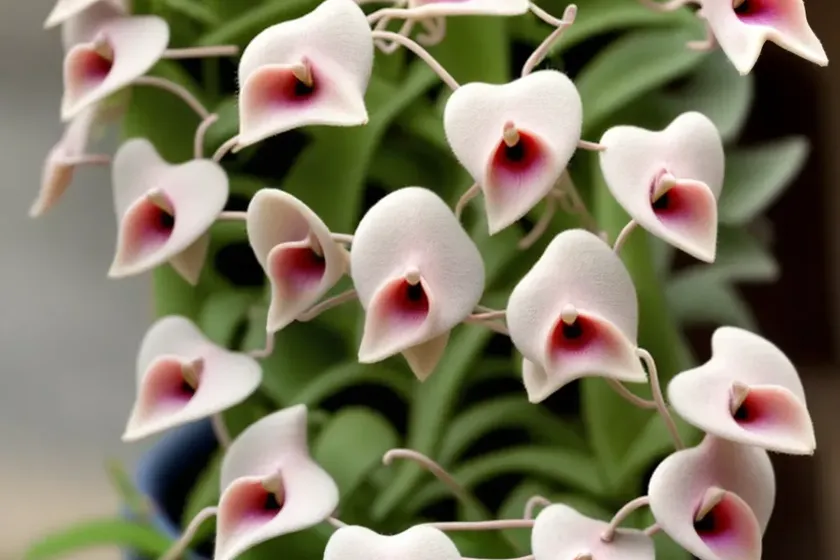
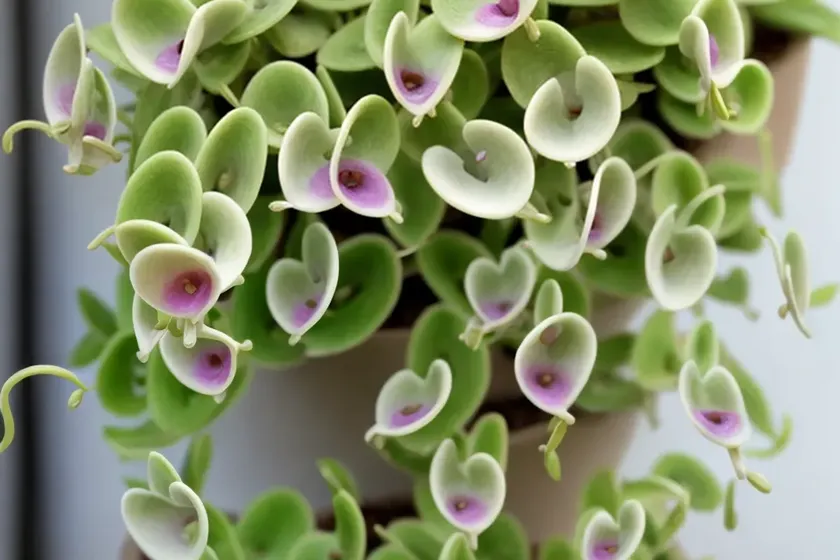
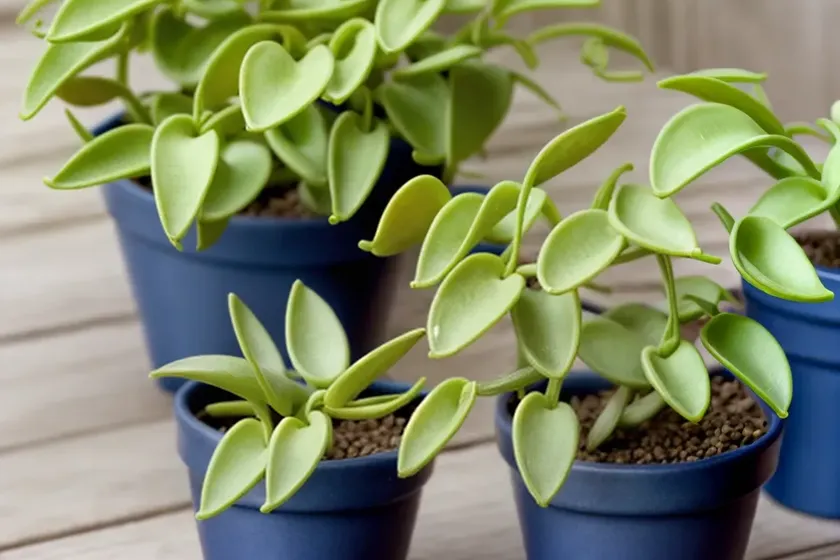
The String of Nickels, Dischidia nummularia, is a unique plant known for its distinctive coin-shaped leaves that grow in cascading vines. This charming succulent is native to tropical and subtropical regions of Asia, Australia, and the Pacific. Belonging to the Apocynaceae family, Dischidia nummularia is an epiphytic plant, often found growing on trees in its natural habitat. The common name “String of Nickels” is derived from the appearance of its leaves, which resemble a string with small, round, silver-colored coins.
Key Takeaways
Culture
- Scientific Name: Dischidia nummularia
- Common Name: String of Nickels
- Family: Apocynaceae
- Native Habitat: Tropical and subtropical regions of Asia, Australia, and the Pacific
Uses
The String of Nickels possesses not only ornamental value but also has potential medicinal uses. It is valued for its air-purifying features and can be a great addition to indoor gardens and terrariums.
Water
Dischidia nummularia, being an epiphytic plant, displays some unique water requirements. Since it naturally grows on trees, it has adapted to retain water efficiently, making it suitable for drier conditions.
- Watering Frequency: Allow the soil to dry slightly between watering sessions.
- Watering Method: Water thoroughly until the excess water drains out from the bottom of the pot.
Sunlight
Proper sunlight is crucial for the healthy growth of the String of Nickels.
- Light Requirement: Bright, indirect light is ideal for Dischidia nummularia.
- Sun Exposure: Position the plant where it can receive adequate filtered sunlight, such as near a window with sheer curtains.
Fertilizer
Maintaining a balanced nutrient supply is essential for the optimal growth of Dischidia nummularia.
- Fertilizing Schedule: Apply a balanced, water-soluble fertilizer at half-strength bi-monthly during the growing season (spring and summer).
- Fertilizer Type: Opt for a fertilizer specifically formulated for succulent or epiphytic plants.
Soil
The right soil composition is crucial for ensuring the well-being of the String of Nickels.
- Soil Type: Use a well-draining, porous potting mix to mimic the plant’s natural habitat.
- Additives: Incorporate perlite or coarse sand to improve aeration and drainage.
Pruning
Regular pruning helps to maintain the attractive trailing appearance of the String of Nickels.
- Pruning Frequency: Trim the excessive growth as needed, especially in the growing season.
- Method: Use sterilized pruning shears to trim the vines and maintain the desired shape.
Propagation
Dischidia nummularia can be propagated through multiple methods, including stem cuttings and aerial roots.
- Propagation Methods: Stem cuttings, aerial root propagation, and layering are effective ways to propagate Dischidia nummularia.
- Ideal Time for Propagation: Spring or early summer is generally the best time for propagation.
Container
Choosing the right container is crucial for the overall well-being of the plant.
- Container Type: Opt for a hanging basket or a shallow pot with good drainage.
- Size: Select a container that accommodates the trailing growth of the plant.
Popularity
The String of Nickels has gained popularity among plant enthusiasts and interior decorators due to its unique appearance and relative ease of care.
Common Diseases
While Dischidia nummularia is generally resistant to pests and diseases, it may occasionally face issues such as root rot or fungal infections.
- Common Diseases: Root rot, fungal infections.
- Preventive Measures: Ensure proper drainage and avoid overwatering to prevent root-related issues.
Disease Diagnosis
Regular monitoring of the plant’s health and prompt intervention can help in early disease diagnosis.
- Signs of Diseases: Wilting, discoloration, and unusual growth patterns are potential indicators of underlying health issues.
- Treatment: Address the underlying cause and adjust watering, light, or soil conditions as needed.
Common Pests
Dischidia nummularia is relatively resistant to pests, but occasional infestations by insects like mealybugs or spider mites may occur.
- Common Pests: Mealybugs, spider mites.
- Control Measures: Regularly inspect the plant for signs of pests and treat infestations promptly with insecticidal soap or neem oil.
Botanist’s Tips
Expert insights can provide valuable guidance for the successful cultivation of the String of Nickels.
- Supporting Trailing Growth: Provide adequate support for the trailing vines to maintain the desired aesthetic appeal.
- Adequate Air Circulation: Ensure proper air circulation to prevent moisture-related issues and maintain the health of the plant.
Fun Facts
Uncovering intriguing facets of Dischidia nummularia can deepen the appreciation for this charming plant.
- Epiphytic Nature: String of Nickels is an epiphyte, often found growing on trees, and utilizes them for structural support.
- Aerial Roots: The plant develops specialized aerial roots to anchor itself and absorb moisture from the air.
Links to External Resources
For additional information and insights on Dischidia nummularia, you can explore the following external resources:
- The Royal Horticultural Society (RHS)
- Missouri Botanical Garden
- American Society for the Prevention of Cruelty to Animals (ASPCA)
- University of Florida IFAS Extension
Conclusion
The String of Nickels (Dischidia nummularia) is undoubtedly an enchanting addition to any plant collection, offering a unique visual appeal and relatively low-maintenance care requirements. By understanding its culture, care, and characteristics, plant enthusiasts can cultivate and appreciate the beauty of this captivating succulent. Whether adorning a hanging planter, displayed in a terrarium, or trailing gracefully from a shelf, the String of Nickels is sure to add a touch of whimsy and elegance to any indoor or outdoor space.
With the insights provided in this comprehensive guide, you are equipped to embark on a rewarding journey of nurturing and enjoying the beauty of Dischidia nummularia, the captivating String of Nickels.
Remember, thorough research and continuous learning are key to ensuring the well-being of this unique plant, and your dedication will undoubtedly be rewarded with a flourishing and enchanting String of Nickels.