String Of Bananas (Senecio Radicans)
In the world of houseplants, the String of Bananas, scientifically known as Senecio radicans, is a delightful and unique addition to any indoor garden..
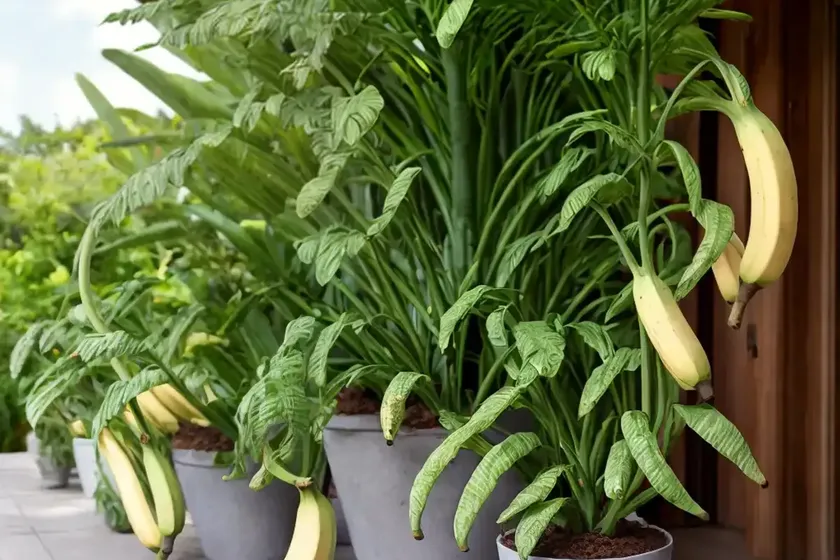
In the world of houseplants, the String of Bananas, scientifically known as Senecio radicans, is a delightful and unique addition to any indoor garden. This charming succulent features cascading vines with banana-shaped leaves, making it a popular choice for plant enthusiasts desiring a distinctive and low-maintenance houseplant.
As a plant scientist, I’m thrilled to share this comprehensive care guide for the captivating String of Bananas. From its culture and uses to propagation and common diseases, every aspect of caring for this trailing succulent will be covered in detail. So, let’s dive in and explore the enchanting world of Senecio radicans.
What is the String of Bananas (Senecio radicans)?
The String of Bananas, or Senecio radicans, is a member of the Asteraceae family, which comprises over 1,600 genera and 23,000 species. This delightful succulent is native to South Africa and belongs to the Senecio genus, which includes a diverse range of flowering plants, from annuals to perennials, herbs to shrubs, and creeping plants to trees.
The String of Bananas is known for its unique and eye-catching appearance. Its trailing stems can grow up to 3 feet (90 cm) in length, adorned with small, banana-shaped leaves. When given the ideal growing conditions, this low-maintenance houseplant produces adorable, daisy-like flowers that add a touch of whimsy to its cascading foliage.
The plant’s charming aesthetics, combined with its ease of care, have made the String of Bananas a beloved choice for both novice and experienced plant enthusiasts.
Key Takeaways – String of Bananas (Senecio radicans)
This care guide will provide a deep understanding of the essential aspects of nurturing a thriving String of Bananas plant. From its cultural requirements to propagation techniques and dealing with common diseases and pests, every facet of its care will be explored comprehensively.
Culture
- Uses
- Water
- Sunlight
- Fertilizer
- Soil
- Pruning
Propagation
- Container
- Popularity
- Common Diseases
- Disease Diagnosis
- Common Pests
Botanist’s Tips
- Fun Facts
Links to External Resources
Now, let’s delve into these key takeaways one by one to understand the specific care needs of the String of Bananas.
Culture
The cultural requirements of the String of Bananas are essential to ensure its health and vitality. From watering practices to soil type, these factors play a crucial role in the overall well-being of the plant.
Uses
The String of Bananas is a versatile and decorative plant that can be utilized in various ways:
- Hanging basket or planter: Its cascading growth habit makes it an excellent choice for hanging baskets or elevated planters, allowing its trailing vines to drape gracefully.
- Indoor decoration: The unique foliage of the String of Bananas adds visual interest to indoor spaces, making it a popular choice for interior decoration.
- Living wall or vertical garden: When planted in vertical gardens or living walls, the String of Bananas creates a stunning green tapestry, bringing a touch of nature to vertical spaces.
Water
Proper watering is critical for the health of the String of Bananas. As a succulent, it is important to adhere to a watering schedule that aligns with its watering needs.
- Watering frequency: Allow the soil to dry out slightly between waterings, as overwatering can lead to root rot. Water the plant thoroughly, and then let the soil dry before the next watering session.
- Watering technique: When watering the String of Bananas, aim to water the soil directly, avoiding excess water on the leaves to prevent potential issues such as rot and fungal diseases.
Sunlight
Sunlight plays a pivotal role in the growth and development of the String of Bananas. Understanding its light requirements is essential for providing an optimal environment for the plant.
- Light exposure: The String of Bananas thrives in bright, indirect light. Position it near a window where it can receive ample natural light without being exposed to direct sunlight, especially during the intense afternoon hours.
- Light duration: Aim to provide the plant with 6-8 hours of indirect sunlight daily, as this will support its growth and maintain its vibrant coloration.
Fertilizer
Appropriate fertilization is essential for the String of Bananas to promote healthy growth and abundant foliage.
- Fertilizer type: Use a balanced, water-soluble fertilizer designed for succulents and cacti. A fertilizer with a low nitrogen content can be beneficial for promoting flowering in mature String of Bananas plants.
- Fertilizing schedule: During the growing season (spring and summer), fertilize the plant once a month. Avoid fertilizing during the dormant period in fall and winter.
Soil
The right soil composition is crucial for the String of Bananas to thrive and remain healthy.
- Soil type: Plant the String of Bananas in a well-draining succulent or cactus mix to prevent waterlogging and root rot. A mix designed specifically for succulents will provide the ideal balance of aeration and moisture retention.
- Soil pH: Aim for a slightly acidic to neutral pH range (6.0-7.0) in the soil to support nutrient uptake and overall plant health.
Pruning
Regular pruning can help maintain the shape and appearance of the String of Bananas while also promoting healthy growth.
- Pruning frequency: Periodically trim any leggy or discolored stems to encourage bushier growth and prevent the plant from becoming sparse.
- Propagation from cuttings: The trimmed cuttings can be utilized for propagation, allowing you to expand your collection of String of Bananas plants or share them with fellow plant enthusiasts.
Propagation
The propagation of the String of Bananas allows plant enthusiasts to expand their collection and share the joy of growing this delightful succulent with others.
Container
Choosing the right container is essential for the well-being of the String of Bananas.
- Container type: Opt for a hanging basket or planter with adequate drainage holes to ensure proper water management and avoid waterlogged soil.
- Container size: Select a container that accommodates the trailing growth habit of the plant, allowing room for the vines to cascade freely. Avoid using oversized containers, as this can lead to excessive soil moisture near the roots.
Popularity
The String of Bananas has gained popularity among plant enthusiasts worldwide due to its charming appearance and easy care requirements.
- Demand: The unique aesthetic appeal and low-maintenance nature of the String of Bananas have contributed to its rising demand in the houseplant market.
- Trendy houseplant: It has become a sought-after choice for both seasoned plant collectors and beginners, adding a touch of elegance to indoor spaces.
Common Diseases
Understanding the potential diseases that may affect the String of Bananas is vital for proactive prevention and management.
- Disease susceptibility: The String of Bananas is generally resilient against diseases under proper care. However, overwatering can lead to root rot and fungal issues, while insufficient light can result in etiolation.
- Disease prevention: Maintain appropriate watering practices, ensure adequate sunlight, and provide good air circulation to minimize the risk of disease development.
Disease Diagnosis
Recognizing the symptoms of common diseases can aid in timely intervention and treatment.
- Root rot: Look for signs of wilting, yellowing, or mushy stems, which may indicate root rot. Adjust the watering frequency and soil moisture to prevent further damage.
- Fungal infections: Keep an eye out for any signs of mold, mildew, or powdery growth on the leaves, indicating the presence of fungal issues. Improve air circulation and reduce humidity levels to create an unfavorable environment for fungal development.
Common Pests
Pest infestations can pose a threat to the well-being of the String of Bananas, necessitating vigilant monitoring and control measures.
- Common pests: Keep an eye out for pests such as spider mites, mealybugs, and aphids, which can target the succulent’s foliage.
- Pest management: Regularly inspect the plant for signs of pest activity and utilize natural or targeted control methods such as neem oil or insecticidal soap to address infestations promptly.
Botanist’s Tips
As a plant scientist, I would like to share some valuable tips for nurturing a thriving String of Bananas plant:
- Maintain proper drainage: Ensure that the container’s drainage holes are unobstructed, allowing excess water to escape and prevent waterlogging.
- Monitor light exposure: Keep a close eye on the plant’s response to its light conditions, adjusting its placement as needed to maintain optimal growth.
- Avoid overwatering: Succulents are sensitive to excess moisture, so adhere to a cautious watering approach to prevent potential issues.
Fun Facts
To further enrich your knowledge about the fascinating String of Bananas, here are some fun facts about this charming succulent:
- Botanical nomenclature: The scientific name “Senecio radicans” reflects the plant’s genus (Senecio) and the trailing nature of its growth (radicans), highlighting its unique botanical attributes.
- Native habitat: The String of Bananas is native to the Eastern Cape of South Africa, where it thrives in arid and semi-arid regions, showcasing its adaptability to dry conditions.
- Succulent classification: Senecio radicans is classified as a trailing succulent, belonging to a diverse group of plants known for their water-storing capabilities and resilience in arid environments.
Conclusion
In conclusion, the String of Bananas (Senecio radicans) is a captivating and resilient houseplant that delights plant enthusiasts with its cascading vines and banana-shaped leaves. By understanding its cultural requirements, propagation techniques, and proactive pest and disease management, you can ensure the health and vitality of this charming succulent in your indoor garden.
I hope this comprehensive care guide has provided you with valuable insights into nurturing the String of Bananas, empowering you to embark on an enriching journey of cultivating and appreciating this enchanting plant. With thoughtful care and attention to its needs, the String of Bananas will continue to grace your indoor spaces with its unique charm and beauty.
For further information and detailed care resources, please refer to the following external resources: