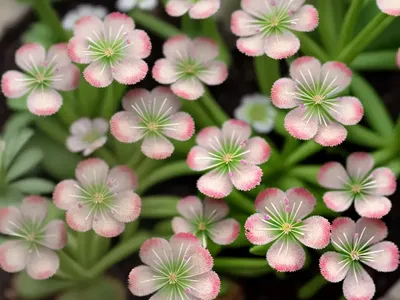
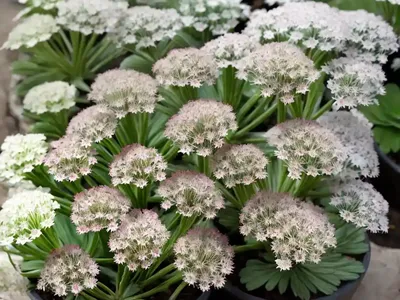
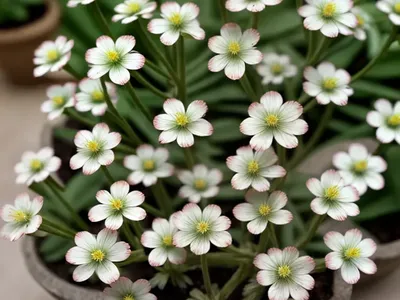
Strawberry Begonia (Saxifraga Stolonifera)
Welcome to the ultimate guide on growing and caring for the charming and versatile plant, Strawberry Begonia (Saxifraga stolonifera). In this comprehensive.
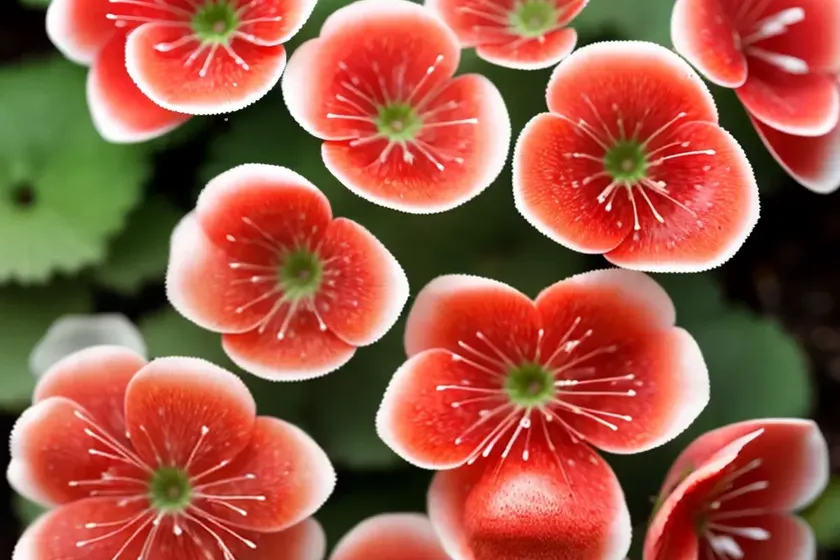
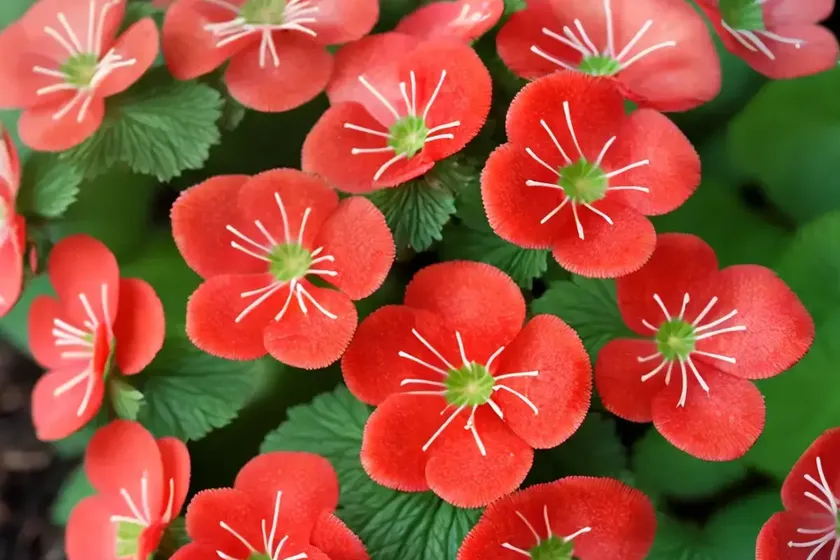
Welcome to the ultimate guide on growing and caring for the charming and versatile plant, Strawberry Begonia (Saxifraga stolonifera). In this comprehensive guide, we will explore every aspect of cultivating and maintaining these delightful plants, from the ideal growing conditions to propagation, common diseases, and everything in between.
What is Strawberry Begonia (Saxifraga stolonifera)?
Strawberry Begonia, also known as Saxifraga stolonifera, is a low-growing perennial that belongs to the Saxifragaceae family. Despite its common name, Strawberry Begonia is neither a true begonia nor a strawberry. Instead, it is prized for its attractive, strawberry-like runners, which give it its name. Native to East Asia, including Japan, China, and Korea, this plant is admired for its ornamental foliage, making it a popular choice for indoor and outdoor cultivation.
Key Takeaways – Strawberry Begonia (Saxifraga stolonifera)
Before delving into the details of caring for Strawberry Begonia, let’s provide an overview of the key takeaways related to its cultivation and maintenance.
- Scientific Name: Saxifraga stolonifera
- Common Name: Strawberry Begonia
- Family: Saxifragaceae
- Type: Perennial
- Uses: Ornamental, ground cover, container gardening
- Watering: Moderate
- Sunlight: Partial shade to full shade
- Fertilizer: Balanced, water-soluble fertilizer
- Soil: Well-draining, rich in organic matter
- Propagation: Division, runners
- Container Popularity: Excellent for hanging baskets and mixed containers
- Common Diseases: Leaf spots, powdery mildew
- Common Pests: Spider mites, aphids
- Benefits: Low-maintenance, attractive foliage
- Fun Facts: Also known as “Strawberry Geranium” due to its resemblance to geranium leaves.
Now that we have a brief overview of Strawberry Begonia, let’s dive into the specifics of caring for and cultivating this captivating plant.
Culture
Uses
Strawberry Begonia is primarily cultivated for its decorative foliage, making it a popular choice for ornamental planting. It serves a variety of uses, including:
- Ground Cover: Its low-growing and spreading nature makes it an ideal ground cover plant, particularly in shaded areas.
- Container Gardening: Strawberry Begonia thrives in containers, hanging baskets, and mixed planters, adding a touch of elegance to indoor and outdoor spaces.
- Ornamental Planting: The attractive, delicate leaves of Strawberry Begonia make it an appealing addition to shaded gardens, borders, and woodland settings.
Plant Care
Water
Strawberry Begonia prefers moderate and consistent moisture levels. While it should not be allowed to dry out completely, it is important to avoid overwatering, which can lead to root rot. Water the plant when the top layer of the soil feels slightly dry to the touch, typically every 5-7 days, depending on the environmental conditions.
Sunlight
One of the key factors in successfully growing Strawberry Begonia is providing the right amount of light. It thrives in partial shade to full shade, making it an excellent choice for shaded gardens, north-facing windows, or under the canopy of larger trees. While it can tolerate some morning sun, it should be shielded from intense midday and afternoon sunlight to prevent leaf scorching.
Fertilizer
When it comes to feeding Strawberry Begonia, a balanced, water-soluble fertilizer is recommended. Apply a diluted dose of fertilizer every 4-6 weeks during the growing season, typically from spring to early fall. Avoid excessive fertilization, as it can lead to rapid but weak growth, making the plant more susceptible to pest infestations and diseases.
Soil
Strawberry Begonia thrives in well-draining soil that is rich in organic matter. A combination of peat moss, perlite, and compost can create an ideal growing medium. The pH level of the soil should be slightly acidic, ranging from 5.5 to 6.5. It is important to ensure that the soil is not waterlogged, as this can lead to root rot and other issues.
Pruning
Pruning Strawberry Begonia is primarily aimed at maintaining its compact and attractive appearance. Remove any discolored or damaged leaves as soon as they are noticed to promote the plant’s overall health and appearance. Additionally, periodic removal of spent flowers can encourage continued blooming and prevent the plant from diverting energy into seed production.
Propagation
Strawberry Begonia can be propagated through division or by using its strawberry-like runners. Here are the key methods for propagating this delightful plant:
- Division: Divide mature plants during the spring months, ensuring that each division has roots attached. Plant the divisions in well-draining soil and keep them consistently moist until they establish themselves.
- Runners: Strawberry Begonia produces stolons or runners with plantlets, which can be gently placed in soil to establish new plants. Ensure that the plantlets have sufficient moisture and warmth to root successfully.
Container Popularity
The attractive and cascading nature of Strawberry Begonia makes it an excellent choice for container gardening. Whether in hanging baskets, mixed planters, or terrariums, this plant adds a touch of elegance to any setting. Its ability to thrive in low light conditions also makes it a sought-after choice for indoor container gardening.
Common Diseases
Disease Diagnosis
While Strawberry Begonia is generally a resilient plant, it can occasionally be affected by certain diseases. Understanding the common diseases and their symptoms can aid in timely intervention and effective management.
- Leaf Spots: Irregularly shaped dark spots on the leaves, often caused by fungal pathogens. Maintaining proper air circulation and avoiding overhead watering can help prevent leaf spot diseases.
- Powdery Mildew: A white, powdery coating on the foliage, typically indicating fungal growth. To minimize the risk of powdery mildew, ensure good air circulation and avoid overcrowding of plants.
Common Pests
Strawberry Begonia is susceptible to certain pests, although it is generally not a major issue when grown in optimal conditions. Common pests that may affect this plant include:
- Spider Mites: These tiny pests can cause stippling and webbing on the leaves, leading to reduced plant vigor. Regularly showering the plant with water and maintaining adequate humidity levels can deter spider mite infestations.
- Aphids: These small, soft-bodied insects can cluster on the undersides of the leaves and feed on the plant sap. Insecticidal soap or neem oil can be effective in managing aphid populations.
Botanist’s Tips
To ensure the successful cultivation of Strawberry Begonia and maintain its health and beauty, consider the following tips from botanists and horticultural experts:
- Optimal Temperatures: Aim to keep the plant in a temperature range of 60-75°F (15-24°C) for optimal growth. Avoid exposing it to extreme temperature fluctuations or drafts.
- Regular Inspection: Periodically inspect the plant for any signs of pest infestation, disease, or nutrient deficiencies. Early detection can significantly improve the chances of successful intervention.
- Humidity Management: While Strawberry Begonia can tolerate average indoor humidity levels, it appreciates slightly higher humidity. Placing a pebble tray filled with water near the plant or using a humidifier can create a more favorable microclimate.
Fun Facts
- Medicinal Uses: In traditional medicine, Saxifraga stolonifera has been used in certain herbal remedies for its purported medicinal properties, including its potential as an astringent.
- Wildlife Attraction: The delicate flowers of Saxifraga stolonifera can attract pollinators such as bees and butterflies, contributing to the biodiversity of your garden.
- Fairy Gardens: Due to its enchanting and whimsical appearance, Strawberry Begonia is a popular choice for creating miniature landscapes and fairy gardens. Its trailing nature and attractive foliage make it an ideal addition to these imaginative settings.
Links to External Resources
For additional information on growing and caring for Strawberry Begonia (Saxifraga stolonifera), explore the following external resources:
- Strawberry Begonia Care Guide – The Spruce
- Growing Strawberry Begonias – Gardening Know How
- Saxifraga stolonifera: Strawberry Begonia – Missouri Botanical Garden
By leveraging the insights and recommendations presented in this guide, you can embark on a rewarding journey of cultivating and nurturing the captivating Strawberry Begonia. Whether grown as an indoor display or incorporated into shaded garden landscapes, this versatile plant is sure to enchant and delight with its unique charm and ornamental appeal.