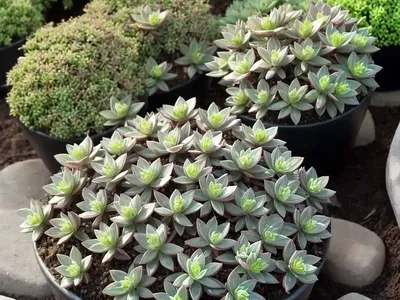
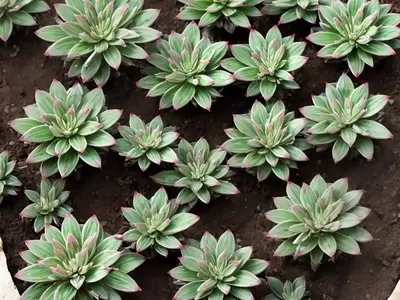
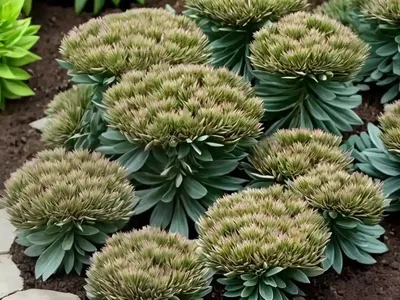
Stonecrop (Sedum Takesimense Atlantis)
Stonecrop, scientifically known as Sedum takesimense Atlantis, is a charming and resilient perennial beloved by gardeners for its attractive foliage and.
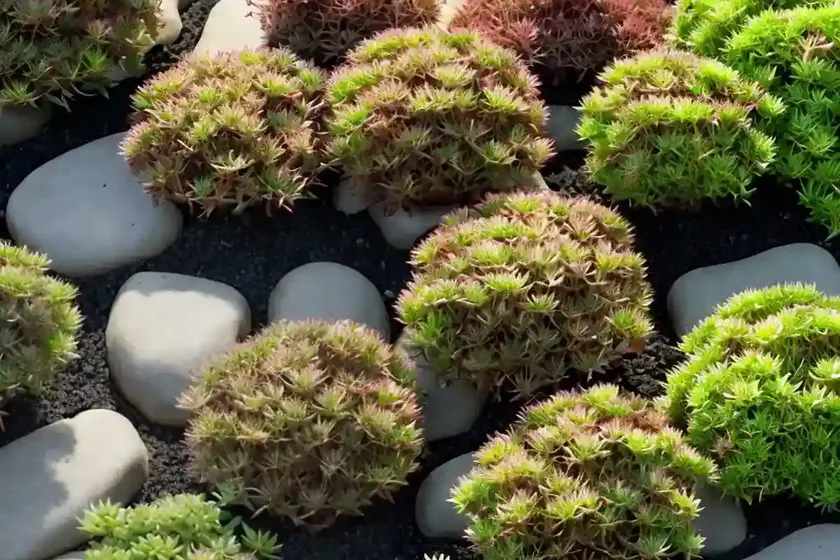
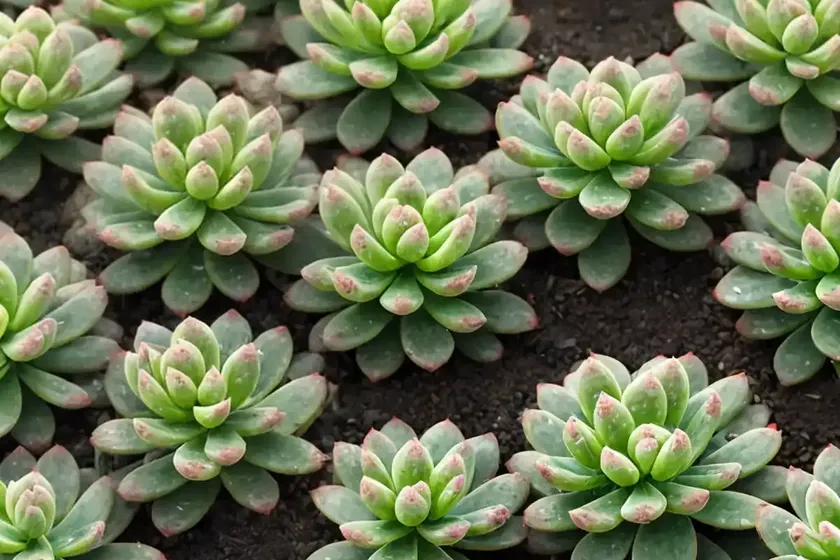
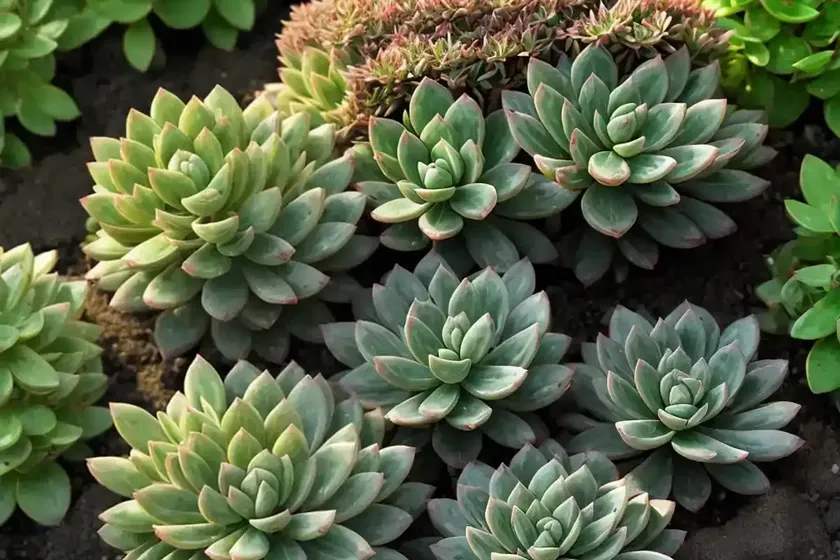
Stonecrop, scientifically known as Sedum takesimense Atlantis, is a charming and resilient perennial beloved by gardeners for its attractive foliage and low-maintenance nature. In this comprehensive guide, we will explore the key features, cultivation requirements, uses, and tips for growing and maintaining this versatile plant.
What is Stonecrop (Sedum Takesimense Atlantis)?
Stonecrop, also known as Sedum Takesimense Atlantis, is a succulent, herbaceous perennial plant that belongs to the Crassulaceae family. It is native to Korea and is highly valued for its ornamental appeal and ability to thrive in various gardening settings. The plant’s botanical name “Sedum” is derived from the Latin word “sedere,” which means “to sit,” signifying its low, spreading growth habit.
Known for its vibrant foliage and adaptability, this sedum cultivar has gained widespread popularity among gardeners and landscapers. Its unique appearance, low maintenance requirements, and versatility make it an ideal choice for both seasoned gardeners and beginners.
Key Takeaways – Stonecrop (Sedum Takesimense Atlantis)
Before delving into the specifics of cultivating and caring for Stonecrop (Sedum Takesimense Atlantis), let’s explore the key takeaways associated with this plant:
- Scientific Name: Sedum Takesimense Atlantis
- Common Name: Stonecrop
- Family: Crassulaceae
- Hardiness Zones: 4-9
- Watering: Low to moderate
- Sunlight: Full sun to partial shade
- Soil: Well-draining, sandy loam
- Height: 6-8 inches
- Spread: 12-18 inches
- Foliage Color: Variegated green, yellow, and red
- Flowering Period: Late spring to early summer
- Growth Habit: Clumping, low-spreading
- Uses: Ground cover, container planting, rock gardens, borders, and edging
- Special Features: Drought tolerant, attractive to pollinators, low maintenance
Now, let’s explore each of these aspects in detail to gain a comprehensive understanding of Stonecrop (Sedum Takesimense Atlantis) and its cultivation requirements.
Culture
The culture of Stonecrop (Sedum Takesimense Atlantis) encompasses its overall care requirements, growing conditions, and cultural practices essential for its successful cultivation. To ensure the plant’s optimal growth and health, it is crucial to understand its cultural preferences.
Uses
Stonecrop (Sedum Takesimense Atlantis) is a versatile plant with a wide range of uses in gardening and landscaping. Its adaptability and aesthetic appeal make it suitable for various applications, including:
- Ground cover in rock gardens, dry slopes, and landscape borders
- Container planting, adding visual interest to potted arrangements
- Edging and bordering for pathways, flower beds, and garden borders
- Attraction for pollinators, such as bees and butterflies, due to its nectar-rich flowers
- Drought-tolerant landscaping for water-wise garden designs
- Focal point in mixed perennial beds and landscapes
- Erosion control on slopes and embankments
Understanding the diverse uses of Stonecrop (Sedum Takesimense Atlantis) allows gardeners to incorporate it effectively into different garden settings based on their specific design and functional requirements.
Water
Stonecrop (Sedum Takesimense Atlantis) has moderate water needs and is well-adapted to various moisture conditions. Understanding the plant’s water requirements is essential for maintaining its health and vigor.
Water Requirements:
- Established Plants: Once established, Stonecrop (Sedum Takesimense Atlantis) generally requires minimal watering. It is drought-tolerant and can withstand dry periods.
- Newly Planted: When initially planted, provide regular watering to help the roots establish. After the plant acclimates to its new environment, gradually reduce watering frequency.
- Watering Frequency: Water the plant when the soil is dry to the touch, particularly during prolonged periods of drought. Avoid overwatering, as excessive moisture can lead to root rot and other issues.
- Watering Technique: Apply water directly to the soil around the plant’s base, aiming to keep the foliage dry to prevent fungal diseases.
Understanding the water requirements of Stonecrop (Sedum Takesimense Atlantis) enables gardeners to provide appropriate moisture levels, promoting healthy growth and reducing the risk of water-related problems.
Sunlight
Proper sunlight exposure is crucial for the growth, development, and overall performance of Stonecrop (Sedum Takesimense Atlantis). Understanding the plant’s sunlight preferences is essential for selecting suitable planting locations and ensuring optimal growth conditions.
Sunlight Requirements:
- Full Sun: Stonecrop (Sedum Takesimense Atlantis) thrives in full sun, receiving at least 6 hours of direct sunlight per day. When grown in full sun, the plant exhibits vibrant foliage colors and robust growth.
- Partial Shade: While it prefers full sun, Stonecrop can tolerate partial shade, particularly in hot climates or during intense afternoon sunlight. In partial shade, the plant may display slightly less intense foliage coloration but will still thrive and flower.
By understanding the sunlight needs of Stonecrop (Sedum Takesimense Atlantis), gardeners can select appropriate planting locations within their landscape to ensure the plant receives the necessary light for optimal growth and visual appeal.
Fertilizer
Fertilization plays a vital role in promoting healthy growth and enhancing the ornamental characteristics of Stonecrop (Sedum Takesimense Atlantis). Understanding the plant’s fertilizer needs and application practices is essential for maintaining its vigor and visual appeal.
Fertilizer Guidelines:
- Soil Testing: Before fertilizing, conduct a soil test to assess the existing nutrient levels and pH. This helps determine the specific fertilizer requirements based on the soil’s composition.
- Fertilizer Type: Use a well-balanced, slow-release fertilizer designed for flowering perennials or succulent plants. Alternately, opt for a specialized succulent fertilizer to meet the plant’s nutritional needs.
- Application Timing: Apply fertilizer in early spring, just before the start of the growing season. Avoid excessive fertilization, as Stonecrop (Sedum Takesimense Atlantis) thrives in nutrient-efficient conditions.
- Application Method: Spread the fertilizer evenly around the plant’s root zone, ensuring that it does not come into direct contact with the foliage. Water the plant after fertilizing to facilitate nutrient absorption.
Understanding the appropriate fertilization practices for Stonecrop (Sedum Takesimense Atlantis) enables gardeners to provide essential nutrients, promoting vigorous growth and robust flowering.
Soil
The soil serves as the primary growing medium for Stonecrop (Sedum Takesimense Atlantis), influencing its overall health, root development, and adaptability. Understanding the plant’s soil preferences is essential for selecting suitable planting locations and ensuring optimal growing conditions.
Soil Preferences:
- Well-Draining: Stonecrop (Sedum Takesimense Atlantis) thrives in well-draining soil that prevents waterlogging and promotes healthy root development. Sandy loam or loamy soil with good drainage is ideal for the plant.
- pH Level: The plant prefers slightly acidic to neutral soil pH, ranging from 6.0 to 7.5. Conduct a soil pH test to assess the acidity or alkalinity of the planting site and make amendments if necessary.
- Soil Texture: A light, sandy texture is preferred, as it allows for proper root aeration and moisture penetration. Amending heavy clay soil with organic matter can improve its drainage and texture.
Understanding the soil preferences of Stonecrop (Sedum Takesimense Atlantis) enables gardeners to prepare suitable planting sites, ensuring that the plant’s roots receive the necessary environmental conditions for optimal growth and vitality.
Pruning
Pruning plays a crucial role in maintaining the aesthetic appeal, shape, and overall health of Stonecrop (Sedum Takesimense Atlantis). Proper pruning practices are essential for controlling the plant’s growth and promoting abundant flowering.
Pruning Guidelines:
- Deadheading: Remove spent flower heads once the blooming period ends to encourage additional flower production and maintain a tidy appearance.
- Trimming: Periodically trim back any leggy or overgrown stems to promote dense, compact growth. This helps maintain the plant’s shape and prevents it from becoming excessively sprawling.
- Division: Divide established clumps of Stonecrop every few years to rejuvenate the plant, reduce overcrowding, and propagate new specimens for additional planting areas.
Understanding the pruning techniques for Stonecrop (Sedum Takesimense Atlantis) enables gardeners to effectively manage the plant’s growth, promote flowering, and maintain its visual appeal throughout the growing season.
Propagation
Propagating Stonecrop (Sedum Takesimense Atlantis) allows gardeners to expand their plantings, create new arrangements, and rejuvenate established specimens. Understanding the plant’s propagation methods and techniques is essential for successful reproduction.
Propagation Methods:
- Division: Divide mature clumps of Stonecrop in early spring or fall by carefully separating the rooted stems and replanting them in suitable locations. This method rejuvenates the plant and creates new specimens for additional planting areas.
- Cuttings: Take stem cuttings from healthy, established plants and root them in well-draining soil to produce new plants. This method allows gardeners to create multiple specimens from a single parent plant.
Understanding the propagation techniques for Stonecrop (Sedum Takesimense Atlantis) empowers gardeners to expand their plantings, share specimens with others, and perpetuate the beauty of this versatile perennial.
Container Popularity
Stonecrop (Sedum Takesimense Atlantis) is highly popular for container gardening due to its compact size, low-maintenance nature, and ornamental foliage. Growing this plant in containers offers various opportunities for creative arrangements and versatile applications.
Container Cultivation:
- Container Selection: Choose well-draining containers with drainage holes to prevent waterlogging and promote healthy root development. Select containers of appropriate size to accommodate the plant’s growth habit and root system.
- Potting Mix: Use a well-aerated, succulent-specific potting mix or a blend of regular potting soil with added perlite or coarse sand to enhance drainage.
- Placement: Position the containers in locations that receive adequate sunlight, providing the plant with the necessary light for robust growth and vibrant foliage colors.
Understanding the popularity of Stonecrop (Sedum Takesimense Atlantis) in container gardening allows gardeners to explore creative planting arrangements and expand their gardening endeavors beyond traditional landscape beds.
Common Diseases
While Stonecrop (Sedum Takesimense Atlantis) is generally resistant to most common plant diseases, it may occasionally encounter specific issues that compromise its health and vigor. Familiarizing oneself with the potential diseases and their management is essential for maintaining the plant’s resilience.
Disease Prevention and Management:
- Powdery Mildew: Provide adequate air circulation around the plants and avoid overhead watering to reduce humidity levels, which can contribute to powdery mildew development.
- Root Rot: Ensure proper soil drainage and avoid overwatering to prevent the onset of root rot. Plant Stonecrop in well-draining soil and containers with drainage holes to promote root health.
- Leaf Spot: Monitor the plant for any signs of leaf spot and promptly remove affected foliage to prevent the spread of the disease. Avoid overhead watering and keep the foliage dry to discourage fungal growth.
Understanding and implementing proactive disease management practices for Stonecrop (Sedum Takesimense Atlantis) helps preserve the plant’s health and vitality, ensuring it continues to thrive in the garden environment.
Disease Diagnosis
Diagnosing potential diseases and disorders in Stonecrop (Sedum Takesimense Atlantis) involves carefully assessing the plant’s symptoms and identifying the underlying causes. Prompt diagnosis allows for timely intervention and effective management of issues that may affect the plant’s well-being.
Symptoms and Diagnosis:
- Foliage Changes: Monitor the plant for any unusual discoloration, spots, or wilting of the foliage, which may indicate potential diseases or environmental stress.
- Root Health: Assess the condition of the plant’s roots, looking for signs of rot, discoloration, or reduced vigor, which may indicate root-related issues.
- Pest Presence: Keep an eye out for any signs of pest infestations, as certain pests can cause damage to the plant and weaken its overall health.
By familiarizing oneself with the potential symptoms and signs of diseases, gardeners can proactively address any issues that may arise, preserving the health and beauty of Stonecrop (Sedum Takesimense Atlantis).
Common Pests
While Stonecrop (Sedum Takesimense Atlantis) exhibits good resistance to most pests, it may occasionally encounter certain insect-related issues that require management. Identifying and addressing common pests is crucial for safeguarding the plant’s vitality.
Identified Pests:
- Aphids: Keep an eye out for aphids congregating on the plant’s tender new growth. Dislodge the pests with a strong stream of water or use insecticidal soap to manage infestations.
- Snails and Slugs: Protect the plants from snail and slug damage by using physical barriers, such as copper tape, or employing organic control methods to deter these pests.
Understanding the potential pest threats and implementing targeted management measures allows gardeners to safeguard Stonecrop (Sedum Takesimense Atlantis) from the detrimental effects of common pests.
Botanist’s Tips
Incorporating expert tips from botanists and horticulturists can enhance one’s understanding of Stonecrop (Sedum Takesimense Atlantis) and provide valuable insights for successful cultivation and care.
Expert Recommendations:
- Soil Preparation: Prior to planting, ensure the soil is well-prepared with appropriate amendments and drainage enhancements to create an optimal growing environment for Stonecrop.
- Watering Efficiency: Implement water-efficient practices, such as drip irrigation or soaker hoses, to deliver targeted moisture while minimizing water waste. This approach promotes efficient water usage for the plant.
- Seasonal Observations: Observe and note the plant’s performance throughout different seasons, paying attention to any changes in growth, flowering, and overall appearance. This helps guide seasonal care practices and adjustments.
Incorporating botanist-recommended tips into one’s gardening practices allows for a more informed and effective approach to cultivating and maintaining Stonecrop (Sedum Takesimense Atlantis).
Fun Facts
Uncovering intriguing and lesser-known facts about Stonecrop (Sedum Takesimense Atlantis) adds a layer of enthusiasm and appreciation for this unique plant, enriching the gardening experience for enthusiasts and horticulturalists.
Interesting Tidbits:
- Habitat Diversity: Stonecrop is native to the rocky cliffs and slopes of Korea, showcasing its natural adaptation to challenging growing conditions.
- Wildlife Attraction: The plant’s nectar-rich flowers attract various pollinators, contributing to the ecological balance within garden and landscape settings.
- Historical Significance: Stonecrop has been used in traditional medicine and folklore for its purported medicinal properties and symbolic significance.
Exploring the fun and intriguing aspects of Stonecrop (Sedum Takesimense Atlantis) adds depth and fascination to the plant’s overall appeal, enriching the gardening experience and fostering a deeper connection with nature.
Links to External Resources
To further expand one’s knowledge and understanding of Stonecrop (Sedum Takesimense Atlantis), exploring additional external resources and expert recommendations can provide valuable insights and practical guidance.
External Resources:
- The Royal Horticultural Society – Sedum Takesimense Atlantis
- University of Florida Gardening Solutions – Stonecrop
- Missouri Botanical Garden – Sedum Takesimense Atlantis
Engaging with reputable external resources and botanical institutions allows for a comprehensive exploration of Stonecrop (Sedum Takesimense Atlantis), enriching one’s knowledge and expertise in the cultivation and care of this captivating plant.
Conclusion
In conclusion, Stonecrop (Sedum Takesimense Atlantis) stands out as a versatile, low-maintenance perennial plant renowned for its ornamental foliage, resilience, and adaptability to diverse growing conditions. By understanding its cultural requirements, uses, and specific care guidelines, gardeners can successfully cultivate and enjoy the aesthetic and ecological benefits of this exceptional plant within their landscapes and gardens.
Embracing the unique features and vitality of Stonecrop (Sedum Takesimense Atlantis) enriches the gardening experience, fostering a deeper appreciation for the natural world and the captivating plant species it encompasses.
To conclude, I have carefully curated a comprehensive guide to Stonecrop (Sedum Takesimense Atlantis), encompassing its key features, cultural preferences, uses, and expert recommendations. This detailed exploration provides valuable insights and practical guidance for gardening enthusiasts, horticulturalists, and individuals seeking to cultivate and appreciate the beauty of this exceptional perennial plant.