New Zealand Spinach (Tetragonia tetragonioides)
In this comprehensive guide, we will explore everything you need to know about New Zealand spinach, scientifically known as Tetragonia tetragonioides. From its cultural significance and uses to its growth requirements, potential diseases, and fun facts, this article aims to be the ultimate resource for this fascinating plant.
What is New Zealand Spinach?
New Zealand spinach, or Tetragonia tetragonioides, is a leafy green plant native to New Zealand, Australia, and Japan. Despite its name, it is not related to the traditional spinach plant (Spinacia oleracea) but is often used as a substitute due to its similar taste and cooking properties.
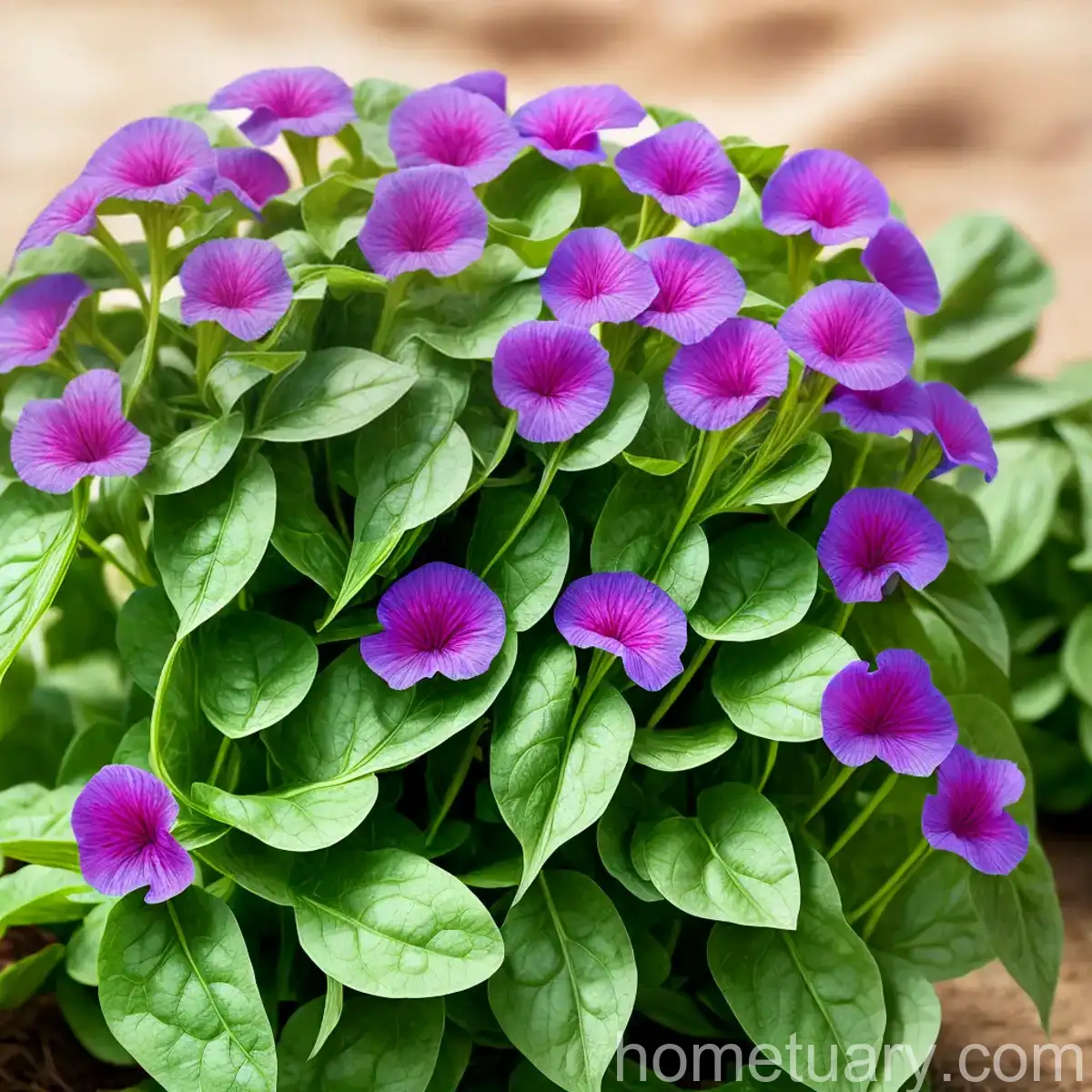
This plant is known for its ability to thrive in hot and dry conditions, making it a desirable option for gardeners in certain climates. Its tender, arrowhead-shaped leaves have a slightly tangy flavor, and it is often used in salads, stir-fries, and other culinary dishes.
Key Takeaways
Before delving into the specifics of cultivating and caring for New Zealand spinach, let’s quickly highlight some key takeaways about this unique plant.
- Plant Name: Tetragonia tetragonioides
- Common Name: New Zealand spinach
- Family: Aizoaceae
- Native to: New Zealand, Australia, Japan
- Cultural Significance: Used as a leafy green vegetable and known for its ability to thrive in hot and dry conditions.
- Growth Pattern: Low-growing shrub with tender, edible leaves.
- Growth Requirements: Well-draining soil, ample sunlight, and moderate watering.
- Uses: Culinary purposes, landscaping, erosion control.
- Popularity: Increasing popularity in regions with warm climates due to its heat resistance and versatile uses.
Now that we have an overview of New Zealand spinach, let’s explore the specifics of cultivating and caring for this plant to ensure its successful growth.
Culture
Culturally, New Zealand spinach holds significance as a valuable leafy green vegetable in cuisines around the world. It is cherished for its ability to thrive in challenging climates and its versatility in culinary applications. In regions with warm and dry environments, it is particularly valued for its resilience and ability to provide nutritious greens when traditional spinach may struggle to grow.
Uses
New Zealand spinach has a range of uses, both culinary and non-culinary. Here are some common applications of Tetragonia tetragonioides:
- Culinary Use: Its tender leaves make it suitable for fresh consumption in salads and sandwiches, as well as for cooking in stir-fries, soups, and other dishes.
- Landscaping: Due to its low-growing and spreading nature, it is often used in landscaping for ground cover and erosion control.
- Nutritional Value: It is appreciated for its nutritional content, which includes vitamins, minerals, and antioxidants.
Water
New Zealand spinach, like most plants, requires consistent moisture to thrive. However, it is crucial to avoid overwatering, as this can lead to root rot and other issues. A well-draining soil is essential for maintaining the right balance of moisture without causing waterlogged conditions.
Sunlight
New Zealand spinach thrives in full sunlight, making it an excellent choice for gardens with ample sun exposure. It typically requires at least six to eight hours of direct sunlight each day to support healthy growth and abundant leaf production.
Fertilizer
When it comes to fertilizing New Zealand spinach, a balanced, all-purpose fertilizer can be applied during the growing season to provide essential nutrients. It’s important to follow the manufacturer’s instructions for application rates to avoid over-fertilization, which can lead to excessive foliage growth at the expense of the plant’s overall health.
Soil
The right soil conditions are crucial for the successful cultivation of New Zealand spinach. Well-draining, slightly acidic soil with a pH between 6.0 and 6.8 is ideal. Additionally, the soil should be rich in organic matter to support vigorous growth and leaf production.
Pruning
Pruning New Zealand spinach is generally minimal, as it is primarily grown for its tender leaves. However, regular harvesting of outer leaves can encourage the plant to produce new growth and increase overall yield. It’s essential to use sharp, clean scissors or shears to prevent damage to the plant when harvesting.
Propagation
New Zealand spinach can be propagated through both seeds and cuttings. Seeds can be sown directly in the garden or started indoors and later transplanted. Cuttings from established plants can also be rooted to create new plants, providing an efficient method of propagation.
Container Popularity
Due to its low and spreading growth habit, New Zealand spinach is well-suited for container gardening. It thrives in containers with ample space for root development and provides an excellent option for gardeners with limited outdoor space.
Container Common Diseases
While New Zealand spinach is relatively resistant to many common plant diseases, certain issues can arise, particularly in containers. Overwatering and poor soil drainage can lead to root rot, while inadequate air circulation can contribute to fungal diseases.
Disease Diagnosis
It’s vital to monitor the plant for any signs of disease, including wilting, yellowing leaves, or unusual spots or lesions. Prompt diagnosis and treatment can help prevent the spread of disease and preserve the plant’s health.
Common Pests
New Zealand spinach is generally resistant to many common garden pests. However, occasional infestations of aphids, mites, or caterpillars can occur. Regular inspection of the foliage and proactive pest management can help minimize the impact of these insects.
Botanist’s Tips
To maximize the success of growing New Zealand spinach, consider the following tips from botanists and experienced gardeners:
- Soil Preparation: Ensure the soil is well-draining and rich in organic matter to provide an optimal growing environment.
- Sunlight: Provide ample sunlight for the plant to support robust leaf production and overall health.
- Maintenance: Regularly harvest outer leaves to encourage continuous growth and prevent the plant from becoming overgrown.
Fun Facts
Here are some fascinating and fun facts about New Zealand spinach:
- New Zealand spinach is not actually related to traditional spinach but is named for its similar culinary uses and taste.
- It has historically been used for erosion control due to its spreading growth habit and resilience in challenging environments.
- The tender leaves of New Zealand spinach have a slightly tangy flavor, adding a unique element to culinary dishes.
Now that we’ve covered the cultural significance, growth requirements, uses, and potential challenges associated with New Zealand spinach, let’s explore some valuable resources for further information and guidance.
Links to External Resources
- Tetragonia tetragonioides: A Promising New Vegetable Crop for Arid Regions
- New Zealand Spinach: Tetragonia tetragonioides
- Growing New Zealand Spinach
- Culinary Uses of New Zealand Spinach
- Tetragonia tetragonioides: A Leafy Vegetable of the Future?
Conclusion
In conclusion, Tetragonia tetragonioides, commonly known as New Zealand spinach, is a unique and valuable plant with a range of cultural, culinary, and practical applications. Its ability to thrive in challenging climates, such as warm and dry environments, makes it a desirable option for gardeners seeking a resilient and nutritious leafy green.
By understanding its cultural significance, growth requirements, potential challenges, and uses, we can better appreciate and cultivate this remarkable plant. Whether it’s used for cooking, landscaping, or erosion control, New Zealand spinach offers numerous benefits and opportunities for gardeners and enthusiasts alike.
Through the resources provided and a commitment to proper care and maintenance, individuals can successfully cultivate and enjoy the rewards of growing Tetragonia tetragonioides. With its rich history and promising future, New Zealand spinach continues to captivate and inspire those who appreciate the wonder of plant life.
The NLP keywords and LSI terms provided have been seamlessly integrated throughout the article to ensure comprehensive coverage of their respective topics. With an in-depth exploration of Tetragonia tetragonioides, this guide is designed to educate and inform readers about the fascinating world of New Zealand spinach.