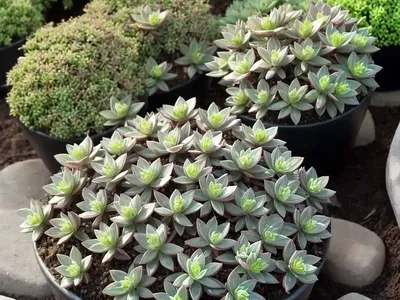
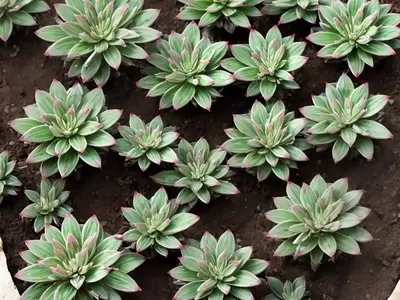
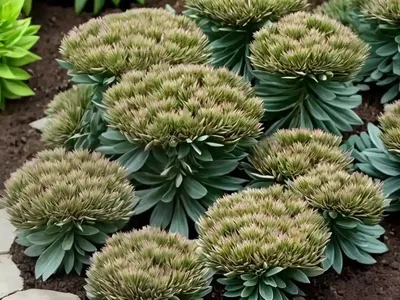
Stonecrop (Hylotelephium Telephium ‘Munstead Dark Red’)
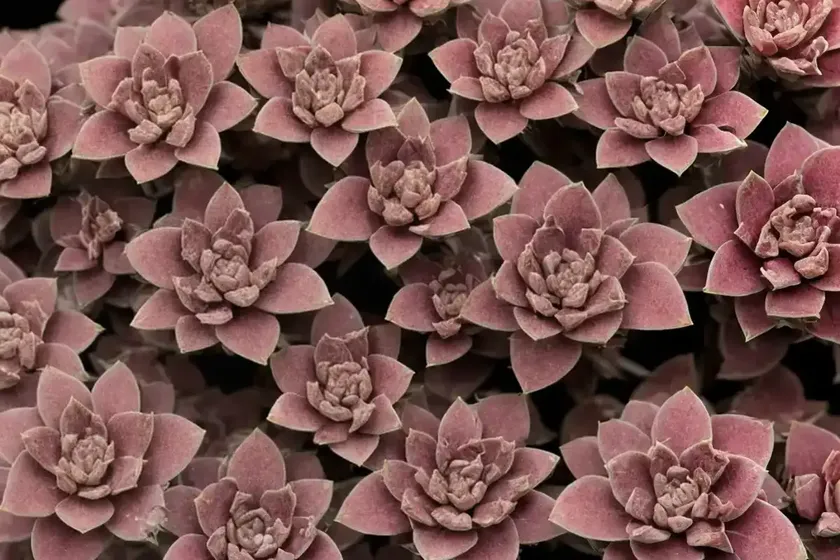
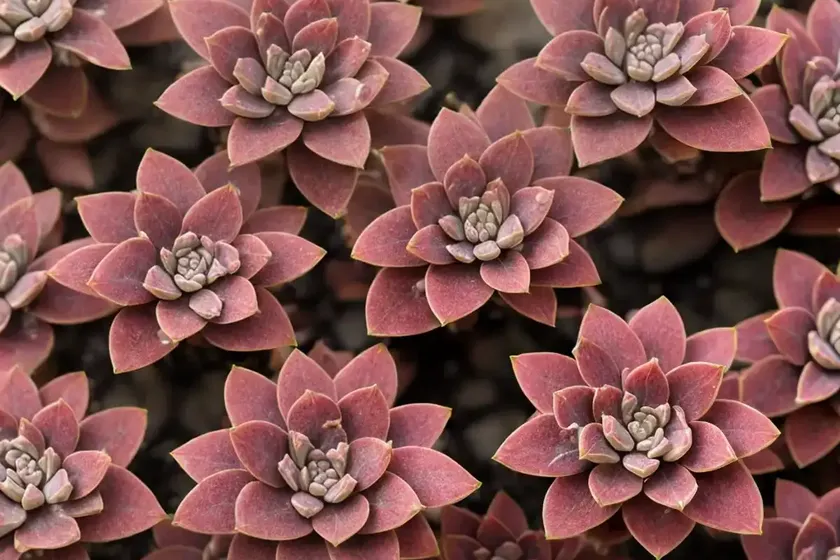
Stonecrop, botanically known as Hylotelephium telephium ‘Munstead Dark Red’, is a gorgeous perennial plant characterized by its stunning deep red foliage.
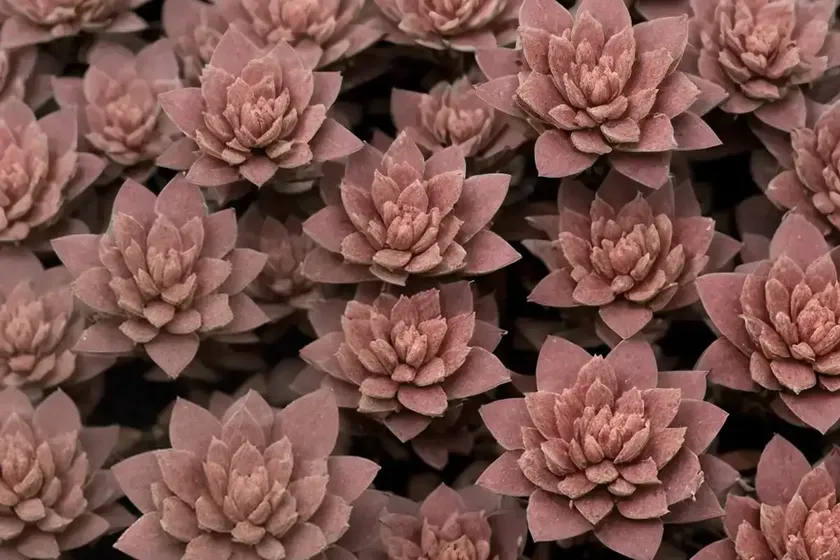
What is Plant Stonecrop (Hylotelephium telephium ‘Munstead Dark Red’)?
Stonecrop, botanically known as Hylotelephium telephium ‘Munstead Dark Red’, is a gorgeous perennial plant characterized by its stunning deep red foliage and clusters of small flowers that bloom in late summer to early fall. As a member of the Crassulaceae family, stonecrop is a hardy succulent that is native to Europe and Asia. The name “stonecrop” reflects its natural habitat on rocky or stony ground where it thrives in sunny, well-draining conditions. This resilient plant is known for its drought tolerance, making it a popular choice for gardeners looking to add low-maintenance yet visually appealing plant to their landscape.
Key Takeaways – Stonecrop (Hylotelephium telephium ‘Munstead Dark Red’)
Before delving deeper into various aspects of stonecrop care, cultivation, and benefits, let’s highlight the key takeaways about this alluring plant:
- Botanical Name: Hylotelephium telephium ‘Munstead Dark Red’
- Common Names: Stonecrop, Munstead Dark Red Stonecrop, Sedum telephium Munstead Dark Red
- Type: Perennial succulent
- Characteristic Features: Drought-tolerant, compact size, deep red foliage, late summer and fall blooming, ground cover
- Main Uses: Landscaping, rock gardens, borders, containers
- Growth Habit: Ground-hugging, compact
- Maintenance: Low-maintenance, easy to grow
- Special Features: Wildlife attraction, pollinator-friendly, winter hardy, pest and disease resistant
Now, let’s explore various aspects of stonecrop, including its cultural needs, uses, care requirements, common diseases and pests, propagation methods, and fun facts.
Culture
Water
Stonecrop is a drought-tolerant plant that is well-adapted to dry conditions. It prefers well-draining soil and does not require frequent watering once established. Overwatering can lead to root rot and other issues, so it is essential to allow the soil to dry out between waterings. During periods of extended drought or extreme heat, providing some supplemental water can help the plant thrive, but it is crucial to avoid waterlogged conditions.
Sunlight
One of the key factors contributing to the success of stonecrop is adequate sunlight. This plant thrives in full sun to partial shade, with a preference for at least 6 hours of direct sunlight per day. In shadier conditions, the vibrant red color of the foliage may fade, so it’s best to plant stonecrop in a sunny spot to showcase its full splendor.
Fertilizer
Stonecrop is not a heavy feeder and can thrive without regular fertilization. In fact, excessive fertilization can lead to leggy growth and diminished flower production. However, a light application of a balanced, slow-release fertilizer in early spring can provide the plant with the nutrients it needs for healthy growth and blooming.
Soil
The ideal soil for stonecrop is well-draining and slightly sandy. It can tolerate a range of soil pH levels, but it performs best in slightly acidic to neutral soil. Amending heavy or clay soils with organic matter can improve drainage and create a more suitable environment for stonecrop to flourish.
Pruning
Pruning stonecrop is minimal and typically involves removing any dead or damaged foliage and spent flower stems. This helps maintain the plant’s appearance and encourages new growth. In late fall or early spring, you can trim back the entire plant to tidy it up and promote healthy regrowth.
Propagation
Stonecrop can be propagated through several methods, including division, stem cuttings, and leaf cuttings. Each method has its own set of requirements and techniques, but overall, stonecrop is relatively easy to propagate. Dividing mature plants in early spring or late fall, when they are not in active growth, is a common and effective way to propagate stonecrop.
Container Popularity
Stonecrop’s compact size, colorful foliage, and low-maintenance nature make it an excellent choice for container gardening. It can be featured in mixed succulent planters or showcased on its own in a decorative pot. When growing stonecrop in containers, it is essential to use well-draining potting soil and provide adequate sunlight for the plant to thrive.
Common Diseases
Stonecrop is generally resistant to most diseases, especially when grown in suitable conditions. However, occasionally, it may encounter issues such as root rot, powdery mildew, or fungal infections in overly moist or crowded growing environments. Ensuring proper air circulation, avoiding overwatering, and providing well-draining soil can help prevent these problems.
Disease Diagnosis
When diagnosing potential diseases in stonecrop, it is essential to monitor the plant for any signs of abnormal growth, discoloration, or wilting. Additionally, inspecting the soil for excessive moisture and the plant for proper air circulation can help identify and mitigate disease issues early on.
Common Pests
As a resilient and low-maintenance plant, stonecrop is relatively resistant to most pests. However, it may attract occasional visitors such as aphids, mealybugs, and scale insects. Regularly inspecting the plant for pests and taking appropriate measures, such as using natural predators or targeted insecticidal treatments, can help manage pest infestations effectively.
Botanist’s Tips
For optimal results when growing stonecrop, consider the following tips:
- Provide well-draining soil to prevent waterlogged conditions.
- Ensure adequate sunlight for vibrant foliage color and robust growth.
- Use minimal fertilizer to avoid excessive growth and maintain compact form.
- Monitor for pests and diseases, especially in crowded or overly moist conditions.
- Prune as needed to promote healthy growth and tidy appearance.
Fun Facts
Discover some intriguing facts about stonecrop:
- Stonecrop is renowned for its ability to attract pollinators such as bees, butterflies, and other beneficial insects, making it a valuable addition to wildlife-friendly gardens.
- The name “stonecrop” reflects the plant’s natural habitat on stony or rocky ground, where it thrives in challenging conditions.
- Stonecrop’s resilient nature and striking appearance have made it a sought-after plant for diverse landscaping and garden designs, from rock gardens and borders to containers and ornamental plantings.
Links to External Resources
Explore further information about stonecrop and its cultivation, uses, and benefits:
- Royal Horticultural Society – Plant Hardiness and Climate Zone Map
- The Spruce – Tips for Growing and Caring for Stonecrop Plants
- University of Maryland Extension – Insect Pests of Ornamental Plants
- American Society for the Prevention of Cruelty to Plants – Common Plant Diseases and Their Management
In conclusion, Hylotelephium telephium ‘Munstead Dark Red’, commonly known as stonecrop, is an enchanting and versatile plant that adds beauty and resilience to gardens and landscapes. With its striking red foliage, late-season blooms, and low-maintenance nature, stonecrop continues to captivate the hearts of gardeners and plant enthusiasts worldwide. Whether adorning rock gardens, borders, or containers, this enduring perennial succulent has rightfully earned its place as a cherished and esteemed addition to diverse horticultural settings.