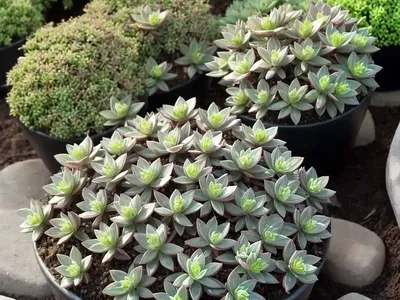
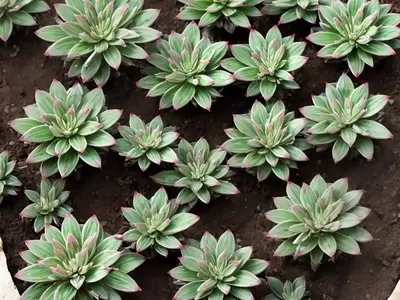
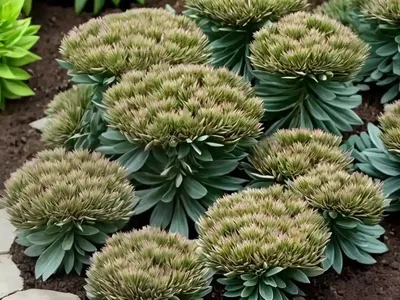
Stonecrop (Hylotelephium Spectabile ‘Crystal Pink’)
As a plant scientist, I am thrilled to introduce you to the enchanting stonecrop, scientifically known as Hylotelephium spectabile ‘Crystal Pink.’ This.
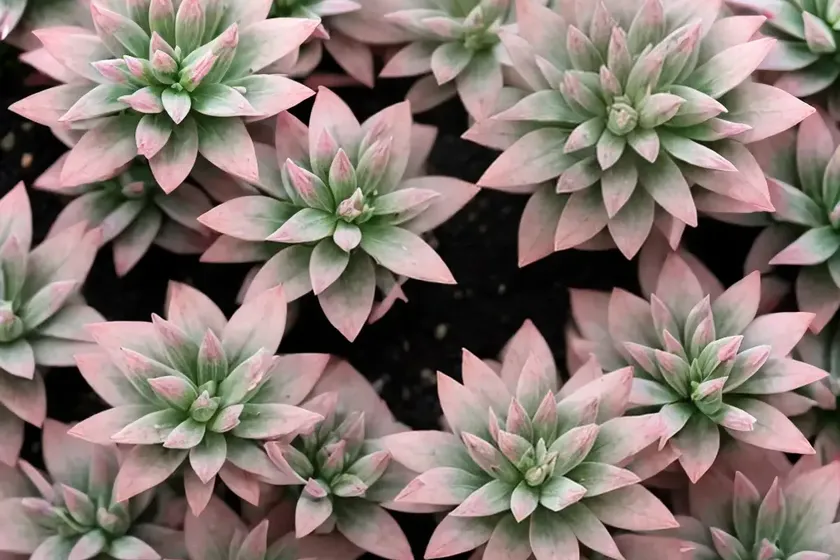
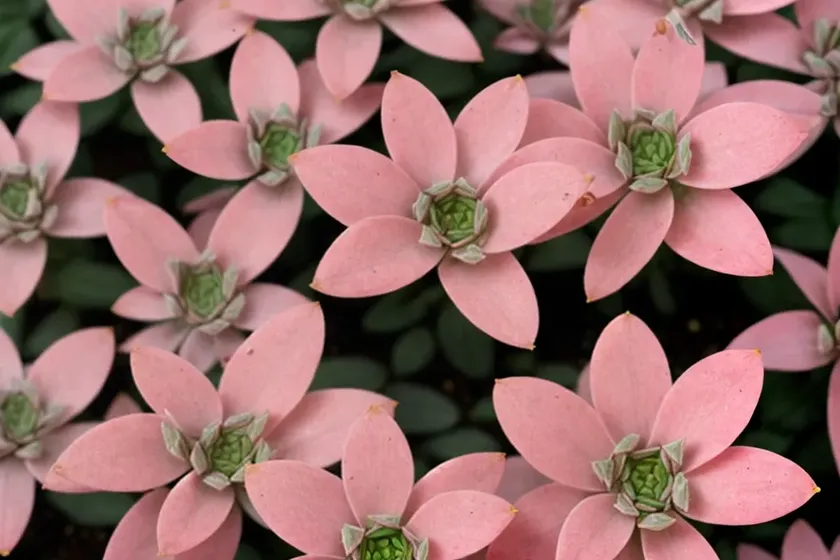
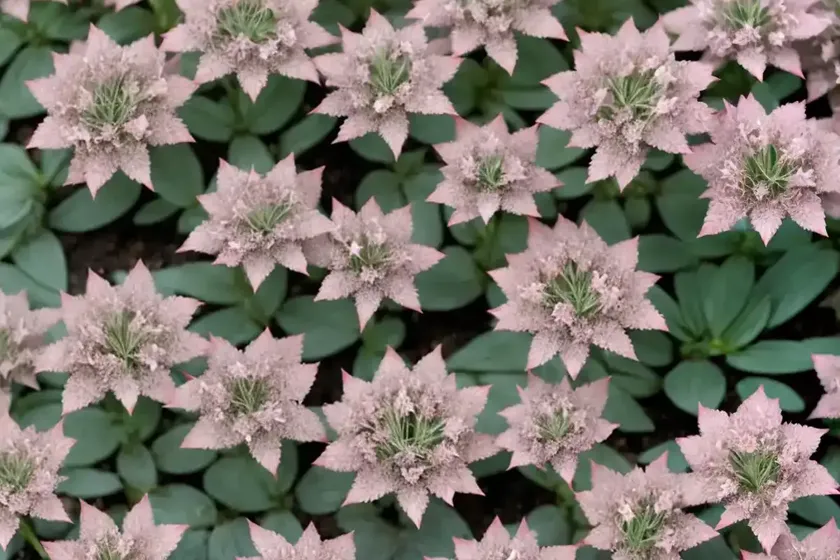
As a plant scientist, I am thrilled to introduce you to the enchanting stonecrop, scientifically known as Hylotelephium spectabile ‘Crystal Pink.’ This remarkable perennial possesses captivating characteristics and impressive growth habits that make it a sought-after addition to gardens and landscapes. In this comprehensive guide, we will explore the various aspects of the stonecrop plant, including its culture, uses, care requirements, propagation, as well as common diseases and pests. By the end of this article, you will gain a profound understanding of this stunning plant and the best practices for nurturing it to perfection.
What is Stonecrop (Hylotelephium spectabile ‘Crystal Pink’)?
Stonecrop, also known by its scientific name Hylotelephium spectabile ‘Crystal Pink,’ is a perennial succulent revered for its ornamental foliage and attractive flowers. Belonging to the family Crassulaceae, the stonecrop plant is native to China and Korea, where it thrives in rocky, mountainous terrains. It is widely cultivated for its resilience, low maintenance requirements, and remarkable drought tolerance, making it a favorite among gardeners and landscaping enthusiasts.
Key Takeaways – Stonecrop (Hylotelephium spectabile ‘Crystal Pink’)
Before delving deeper into the various aspects of the stonecrop plant, let’s take a look at the key takeaways associated with this remarkable species.
- Scientific Name: Hylotelephium spectabile ‘Crystal Pink’
- Common Names: Stonecrop, Crystal Pink Stonecrop
- Plant Type: Perennial Succulent
- Family: Crassulaceae
- Notable Features: Ornamental foliage, attractive pink flowers
- Attributes: Drought-tolerant, low maintenance, ideal for rock gardens and containers
- Uses: Ornamental landscaping, rock gardens, ground cover, medicinal purposes
Now, let’s explore the culture, uses, and care requirements of the stonecrop plant in detail.
Culture of Stonecrop (Hylotelephium spectabile ‘Crystal Pink’)
The culture of the stonecrop plant encompasses a range of factors, including water and sunlight requirements, soil preferences, pruning techniques, and propagation methods. Understanding the optimal conditions for cultivating stonecrop is essential for promoting its healthy growth and vibrant blooms.
Water
Stonecrop is renowned for its exceptional drought tolerance, making it well-suited for dry and arid climates. While the plant can thrive in relatively dry conditions, it is essential to provide regular waterings, particularly during its active growth phase. However, it is crucial to avoid overwatering, as excessive moisture can lead to root rot and other issues. As a general guideline, water the stonecrop plant when the soil becomes dry to the touch, ensuring adequate drainage to prevent waterlogging.
Sunlight
One of the defining features of stonecrop is its penchant for sunlight. This plant thrives in full sun to partial shade, exhibiting its best growth and flowering potential when exposed to ample sunlight. When cultivating stonecrop, ensure that it receives at least 6 to 8 hours of sunlight per day, preferably in the morning and early afternoon. In regions with scorching afternoon sun, providing some partial shade during the hottest part of the day can help prevent leaf scorch and enhance the plant’s overall well-being.
Fertilizer
Stonecrop is not particularly demanding when it comes to fertilizer. In most cases, the plant can thrive in relatively nutrient-poor soils, thanks to its resilient nature and water-storing succulent leaves. However, applying a balanced, low-nitrogen fertilizer in the spring can support the plant’s growth and flowering. Look for a fertilizer with a higher phosphorus content to encourage robust blooming and vibrant flower colors. It is crucial to follow the manufacturer’s instructions and avoid over-fertilization, which can lead to excessive foliage growth at the expense of flowers.
Soil
The ideal soil for stonecrop is well-draining and slightly alkaline, replicating its native rocky habitats. Sandy or loamy soils with good drainage properties are well-suited for cultivating stonecrop. Moreover, the plant exhibits adaptability to various soil types, including rocky, gravelly, and nutrient-deficient soils. When establishing stonecrop in a garden or container, ensure proper drainage to prevent waterlogging, which can compromise the plant’s health and longevity.
Pruning
Pruning stonecrop is relatively straightforward and is primarily focused on maintenance and shaping rather than extensive pruning. To promote compact growth and encourage prolific flowering, lightly prune the plant in early spring before the new growth emerges. Removing any damaged or wilted foliage, as well as spent flower stems, can help maintain the plant’s attractive appearance and vitality.
Uses of Stonecrop (Hylotelephium spectabile ‘Crystal Pink’)
The versatile stonecrop plant offers a myriad of uses, ranging from ornamental landscaping to medicinal applications. Its resilience, captivating aesthetics, and low maintenance requirements position it as a valuable addition to various environments and settings.
Ornamental Landscaping
One of the primary uses of stonecrop is its role as an ornamental plant in landscaping and garden design. The plant’s succulent foliage, vibrant flower clusters, and drought tolerance make it a prized addition to rock gardens, xeriscapes, and perennial borders. Its ability to thrive in challenging conditions while adding visual appeal to outdoor spaces has cemented its status as a favored choice for gardeners seeking resilient and picturesque plantings.
Rock Gardens and Ground Cover
Stonecrop is particularly well-suited for rock gardens and ground cover applications, where its compact growth habits and spreading nature can create visually striking displays. As a ground cover plant, stonecrop forms dense mats of foliage and flowers, effectively suppressing weed growth and adding texture to garden beds and slopes. Its ability to thrive in nutrient-deficient soils and rocky terrains makes it an ideal candidate for rock garden compositions and naturalistic landscapes.
Medicinal Purposes
In addition to its ornamental attributes, stonecrop possesses medicinal properties that have been recognized in traditional herbal medicine. Extracts from the plant have been used to treat various ailments, including skin conditions, burns, and inflammation. While the medicinal uses of stonecrop should be approached with caution and expert guidance, its historical significance in herbal remedies highlights the diverse capabilities of this remarkable plant.
Propagation of Stonecrop (Hylotelephium spectabile ‘Crystal Pink’)
Propagating stonecrop can be achieved through several methods, including division, stem cuttings, and seed propagation. Each approach offers unique advantages and considerations, providing plant enthusiasts with various options for expanding their stonecrop collection or sharing the plant with others.
Division
Dividing mature stonecrop plants is a reliable method for propagation and rejuvenation. To divide the plant, carefully dig up the established clumps of stonecrop and use a sharp, clean knife to separate them into smaller sections, ensuring that each division possesses healthy roots and viable stems. Replant the divisions in well-draining soil, providing adequate water and sunlight to promote their establishment and subsequent growth.
Stem Cuttings
Taking stem cuttings from healthy stonecrop plants is an effective way to propagate new specimens. Select non-flowering stems and cut them at a 45-degree angle using a sharp, sterilized knife or scissors. Remove the lower leaves to expose the nodes, where the roots will develop, and allow the cuttings to callus for a day or two before planting them in a well-draining rooting medium. With regular moisture and indirect sunlight, the cuttings will develop roots and establish themselves as independent plants.
Seed Propagation
While stonecrop is predominantly propagated through vegetative means, such as division and stem cuttings, it is also possible to grow new plants from seeds. Collect seeds from mature stonecrop flower heads and sow them in a well-prepared seed-starting mix. Keep the growing medium consistently moist and provide warmth and indirect light to facilitate germination. As the seedlings mature, transplant them into individual containers or garden beds, ensuring appropriate spacing for their growth and development.
Container Popularity of Stonecrop (Hylotelephium spectabile ‘Crystal Pink’)
The popularity of stonecrop in container gardening is testament to its adaptability and visual appeal in confined spaces. Whether grown in standard planting containers, hanging baskets, or troughs, stonecrop demonstrates its versatility and resilience, making it an excellent choice for container enthusiasts.
Container Common Uses
Stonecrop is commonly utilized in container gardening for its ability to thrive in limited soil volumes and challenging environmental conditions. Its cascading growth habits and vibrant flowers lend themselves well to container compositions, adding a touch of elegance to patios, balconies, and outdoor living spaces. Moreover, stonecrop’s low maintenance requirements and drought tolerance make it an ideal choice for individuals seeking resilient and visually striking container plantings.
Container Care
When growing stonecrop in containers, it is imperative to use well-draining potting mixes to prevent waterlogging and ensure proper aeration for the plant’s roots. Select containers with drainage holes to facilitate excess water removal and minimize the risk of root rot. Additionally, regular monitoring of soil moisture levels and providing ample sunlight are essential for promoting the healthy growth and flowering of stonecrop in containers.
Common Diseases of Stonecrop (Hylotelephium spectabile ‘Crystal Pink’)
While stonecrop is known for its resilience and disease resistance, certain environmental conditions and cultural practices can predispose it to specific diseases. Understanding the common diseases affecting stonecrop and their management is integral to maintaining the plant’s vigor and longevity.
Disease Diagnosis
Several diseases can impact stonecrop, leading to symptoms such as leaf spots, stem rot, and wilting. One of the most prevalent diseases affecting stonecrop is powdery mildew, a fungal infection that presents as white powdery patches on the plant’s foliage. Additionally, bacterial rots and root diseases can arise from overwatering and poor soil drainage, compromising the plant’s overall health. Implementing proper cultural practices, such as adequate spacing, proper watering, and soil improvement, can mitigate the risk of diseases affecting stonecrop.
Common Pests Affecting Stonecrop (Hylotelephium spectabile ‘Crystal Pink’)
In addition to diseases, stonecrop is susceptible to certain pests that can affect its growth and appearance. By identifying and addressing these common pests, gardeners can safeguard their stonecrop plants and ensure their optimal well-being.
Botanist’s Tips
As a plant scientist with a deep appreciation for stonecrop, I have compiled a set of Botanist’s Tips to assist you in nurturing and enjoying this extraordinary plant.
-
Embrace Its Resilience: Stonecrop’s ability to thrive in challenging conditions and drought-prone environments makes it a resilient and versatile addition to gardens and landscapes. By taking advantage of its adaptive nature, you can incorporate stonecrop into various outdoor settings with confidence.
-
Showcase its Versatility: Whether utilized as a ground cover, container specimen, or rock garden centerpiece, stonecrop can adapt to diverse growing conditions and design concepts. Embrace its versatility and experiment with different uses to witness the plant’s captivating attributes in various settings.
-
Emphasize Well-Draining Soils: The importance of well-draining soils cannot be overstated when cultivating stonecrop. By providing optimal drainage and replicating its native rocky habitats, you can ensure the plant’s long-term health and vitality.
-
Balance Watering Practices: While stonecrop exhibits drought tolerance, it is vital to strike a balance with watering, avoiding prolonged dry spells that can stress the plant. Monitor soil moisture levels and provide supplemental irrigation during extended periods of drought to support the plant’s growth and flowering.
-
Prune with Precision: When pruning stonecrop, focus on maintaining its compact form and removing spent flower stems to promote continuous blooming. Avoid excessive pruning, which can compromise the plant’s energy reserves and flowering potential.
Fun Facts about Stonecrop (Hylotelephium spectabile ‘Crystal Pink’)
To enhance your appreciation for stonecrop, here are some captivating fun facts about this remarkable plant:
-
Stonecrop obtained its name from its natural inclination to grow in stony or rocky environments, showcasing its adaptability to challenging terrains.
-
Its succulent nature and water-storing capabilities enable it to thrive in arid conditions, making it an ideal choice for water-wise landscapes and drought-prone regions.
-
Stonecrop’s flowers are highly attractive to pollinators, including bees and butterflies, contributing to the biodiversity and ecological value of garden spaces.
-
As an edible plant, certain stonecrop species have been historically utilized in culinary applications and herbal remedies, underscoring the diverse uses of this remarkable plant.
Links to External Resources
To further expand your knowledge and appreciation for stonecrop, I have curated a selection of valuable external resources:
- Royal Horticultural Society (RHS): Hylotelephium spectabile ‘Crystal Pink’
- The Spruce: How to Grow and Care for Stonecrop Plants
- Missouri Botanical Garden: Hylotelephium spectabile ‘Crystal Pink’
- North Carolina State University: Growing Hylotelephium spectabile ‘Crystal Pink’ (Stonecrop) in the Landscape
I trust that this comprehensive guide has equipped you with a deep understanding of the stonecrop plant and its remarkable attributes. From its resilient nature to its captivating beauty, stonecrop stands as a testament to the enchanting diversity of the plant kingdom. Whether adorning gardens, rockeries, or containers, stonecrop continues to captivate plant enthusiasts around the world, offering a blend of ornamental charm and ecological significance. As you embark on your journey with stonecrop, may the enduring allure of this exceptional plant inspire and enrich your gardening endeavors.
Happy gardening!
Warm regards,
[Your Name]
Plant Scientist